
Desserts
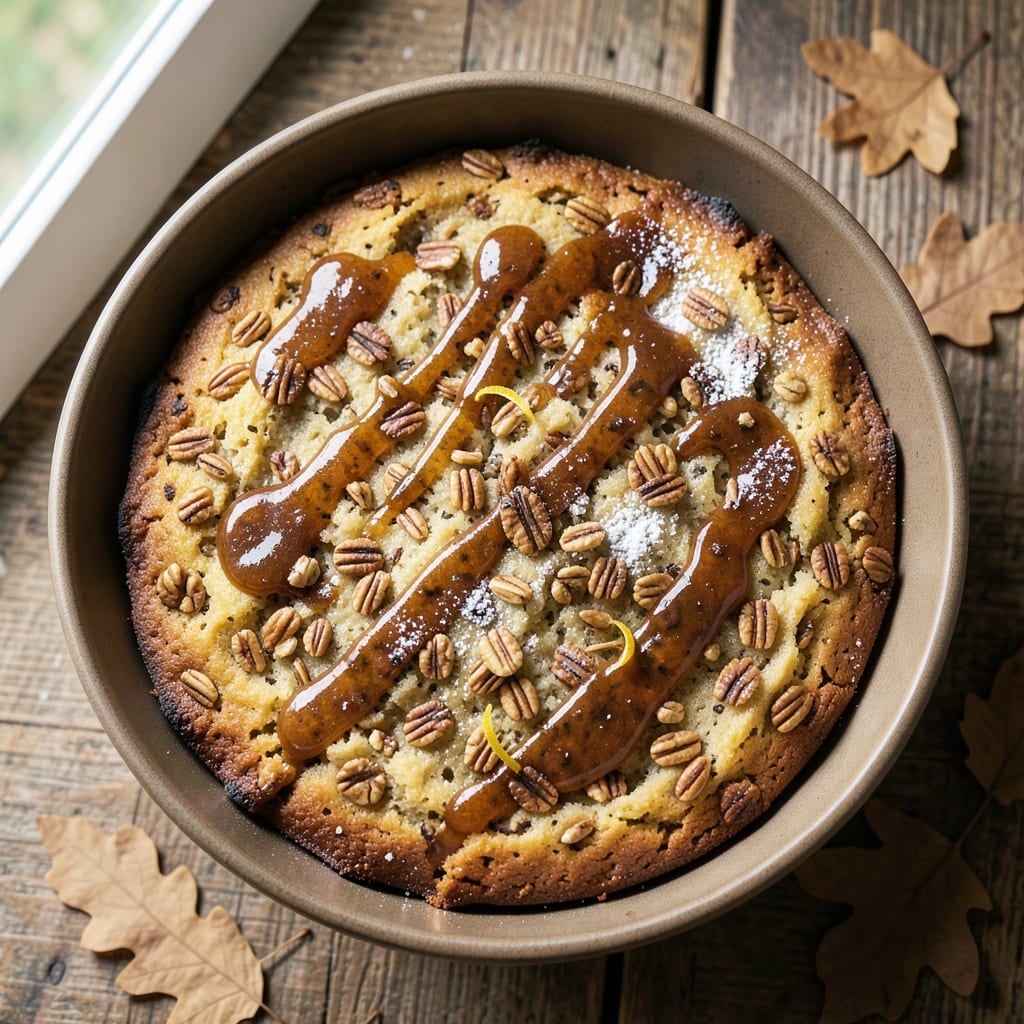
This baked oats cake recipe delivers a crunchy top and moist heart without any complicated mixing—just fold, bake, and enjoy. Perfect for beginners, it requires only a few simple ingredients that come together in under 15 minutes of prep. The secret lies in the oats, which create that signature crunch while keeping the interior tender and rich.
The beauty of this recipe is its versatility—it works equally well for breakfast or dessert, and you can easily customize it with add-ins like chocolate chips, nuts, or dried fruit. The cake bakes in a single layer, making it simple to serve, and the texture is what truly sets it apart: crispy edges that give way to a soft, cake-like center.
What makes this recipe stand out is the foolproof method that ensures consistent results every time. No special equipment is needed, and the ingredients are likely already in your pantry. The cake’s natural sweetness comes from the oats and a touch of sugar, but you can adjust the sweetness to your preference without compromising the texture.
Once baked, the cake is best served warm with a dusting of powdered sugar or a scoop of vanilla ice cream. It’s the kind of dessert that feels indulgent but is simple enough to make on a weeknight. Let’s get started on creating this crowd-pleasing treat.
Ingredients for baked oats cake
Simple pantry staples transform into a cake with perfect crunch and moist heart.
| Ingredient | Amount | Notes |
|---|---|---|
| Old-Fashioned Rolled Oats 🌾 | 2 cups | Not instant, for texture |
| All-Purpose Flour 🌾 | 1 ½ cups | Sifted for even texture |
| Granulated Sugar 🍚 | ¾ cup | Adjust for sweetness preference |
| Light Brown Sugar 🍚 | ½ cup | Packed for moisture |
| Unsalted Butter 🧈 | ¾ cup | Cold, cubed for folding |
| Large Eggs 🥚 | 2 whole | Room temperature for blending |
| Vanilla Extract 🍯 | 1 tbsp | Pure extract preferred |
| Baking Powder 🧂 | 1 ½ tsp | Aluminum-free for texture |
| Salt 🧂 | ½ tsp | Fine sea salt preferred |
| Milk 🥛 | ½ cup | Any kind, room temp |
| Powdered Sugar 🍚 | ¼ cup | For dusting, optional |
The oats are the star here. Old-fashioned rolled oats (not instant) give that signature crunch—anything labeled 'quick' or 'steel-cut' won't work. Bob's Red Mill or store-brand oats from the bulk section are my go-tos; they're usually the most consistent. If you're using chocolate chips or nuts as add-ins, chop them roughly—no need for precision. The butter should be cold when you fold it in, so pull it from the fridge right before mixing. For the sugars, I always pack the brown sugar to ensure proper moisture without making the batter too wet.
No old-fashioned oats? Blend quick oats in a food processor for 30 seconds to mimic the texture, but it won't be quite the same. Short on butter? Coconut oil works in a pinch, though it adds a subtle coconut flavor. The milk can be any kind—dairy, almond, or oat—but room temperature ensures the batter blends smoothly. For extra richness, replace 2 tbsp of milk with melted butter. The baking powder is non-negotiable for that tender crumb, but if you're at high altitude, reduce it to 1 tsp. The vanilla extract should be pure—imitation extracts often contain alcohol that can dry out the cake.
This cake keeps beautifully for 3 days at room temperature wrapped in foil, but it's best served fresh. For longer storage, freeze slices wrapped individually for up to 3 months. Reheat in a 200°F oven for 5-10 minutes to restore the crunch. The powdered sugar dusting is optional but adds a nice finishing touch—use a fine-mesh sieve for an even coat. Leftovers? Toast slices in the oven for a quick breakfast treat.
Why You'll Love This Recipe
- No Mixer Needed: I swear by this recipe when my hands are full—just toss the oats, flour, and sugars with melted butter, fold in the wet stuff, and pour. The texture comes out tender and crumbly without a single whisk stroke.
- Buttery Caramel Crunch: That light brown sugar and butter combo? It’s like a hug for your taste buds—sweet but not cloying, with a subtle toasted oat edge that makes every bite feel like dessert. (Yes, even on a Tuesday night.)
- Weeknight Crowd-Feeder: One pan, 30 minutes, and enough slices to share with the neighbor who just had a baby. It’s my go-to for book club or when the kids bring home friends—no one questions the simplicity, but they’ll all ask for the recipe.
- Pantry Goldmine: Honestly, you’re probably already stocked. Rolled oats and flour sit in my cupboard forever, and this recipe uses them up without breaking the bank. Leftovers? They disappear faster than I can reheat them—if I even bother.
Step-by-step instructions for baked oats cake
Here's the method for a cake with perfect texture—crunchy top, moist center, and no overmixing required.
Prepare the Dry Ingredients
In a medium bowl, whisk together the 2 cups old-fashioned rolled oats, 1.5 cups all-purpose flour, 1.5 teaspoons baking powder, and 0.5 teaspoon salt. I use a whisk for even distribution—this prevents lumps in the final cake. Sift the flour mixture into the bowl if you have flour streaks, but don't overmix once combined. The oats add texture, so keep them whole and unbroken for that signature crunch.
In a separate small bowl, combine the 0.75 cup granulated sugar and 0.5 cup light brown sugar. Light brown sugar adds moisture, so pack it firmly into the measuring cup to ensure you get the full 0.5 cup amount. This step ensures even sweetness throughout the cake without clumping.
Cream Butter and Sugars
In a large mixing bowl, beat the 0.75 cup unsalted butter (cold, cubed) with the sugar mixture using an electric mixer on medium speed for 3-4 minutes. The butter should become light and fluffy, nearly doubling in volume. This aeration creates a tender crumb—don't rush this step, or the cake will turn out dense.
Add the 2 whole large eggs, one at a time, mixing well after each addition. Scrape down the sides of the bowl to ensure everything incorporates. Then, stir in the 1 tablespoon vanilla extract until fully combined. The mixture should be smooth and pale yellow, with no streaks of egg visible.
Combine Wet and Dry Ingredients
Gradually add the dry ingredient mixture to the wet mixture, mixing on low speed just until combined. I like to use a spatula to fold in the oats gently—this prevents overmixing, which can make the cake tough. Stop mixing as soon as the flour disappears; you should still see oat clusters.
Pour in the 0.5 cup milk and mix on low speed until the batter is just smooth. The batter will be thick—this is normal. Avoid overmixing, as it develops gluten and can lead to a dense texture. The final batter should be thick enough to hold its shape when dropped from a spoon.
Bake to Golden Perfection
Preheat your oven to 350°F and grease an 8-inch round cake pan or line it with parchment paper. Pour the batter into the prepared pan and smooth the top with a spatula. Bake for 35-40 minutes, until a toothpick inserted into the center comes out clean and the top is golden brown with a crispy texture.
I press down gently on the cake during the first 5 minutes of baking to ensure even rising and a flat top. This prevents doming and helps create that signature crunchy crust. Once done, remove from the oven and let the cake cool in the pan for 10 minutes before transferring to a wire rack.
Dust and Serve
While the cake is still warm, dust the top generously with the 0.25 cup powdered sugar using a fine-mesh sieve. This adds a delicate sweetness and enhances the visual appeal. Let the cake cool completely before slicing—this ensures clean cuts and prevents crumbling.
The final cake should have a crispy, crunchy top with a moist, tender interior. Each slice should hold its shape well, with a perfect balance of sweetness and texture. Serve with a dollop of whipped cream or fresh berries for a classic presentation.
Pro Tips For Making Baked Oats Cake
- Pulse Oats First: Dump those rolled oats into your food processor and give them a quick pulse—just until they look like coarse sand. I learned this the hard way: whole oats stay too chunky and make your cake dense, no matter how much you mix. Two 3-second bursts does the trick without turning them into flour.
- Cream Butter Cold: Take that unsalted butter straight from the fridge and beat it with the sugars until it’s pale and fluffy. Warm butter? You’ll end up with a greasy mess that won’t hold together. This step guarantees that cake will stay moist for days, not turn into a dry brick by morning.
- Skip the Overmixing: Once you add the flour and wet ingredients, mix just until combined—maybe 10-12 strokes max. I used to think more mixing = better texture, but this cake doesn’t need it. Overmixing develops gluten, and suddenly you’ve got a tough, chewy loaf instead of a tender crumb.
- Test with a Toothpick: Stick that toothpick in the center when the top looks golden—if it comes out with moist crumbs (not wet batter), you’re good. I’ve pulled cakes out too early, only to watch them collapse as they cooled. Better to wait an extra 5 minutes than regret it later.
Regional styles of baked oats cake
Scandinavian Oat Crumble
In Sweden and Norway, this cake transforms into a Scandinavian oat crumble by increasing the oats to 3 cups and adding ½ cup chopped walnuts. The recipe swaps brown sugar for white sugar and incorporates 1 teaspoon cinnamon for warmth. Serve with lingonberry jam or a dollop of sour cream—a classic pairing in Nordic baking. 🌾
Southern U.S. Pecan Twist
Southern cooks elevate this cake by folding in 1 cup chopped pecans and replacing vanilla with 1 teaspoon almond extract. A sprinkle of coarse sugar on top before baking creates a caramelized crust. Serve with whiskey-infused bourbon sauce or a scoop of peach ice cream for a Southern-inspired dessert. 🥜
Japanese Matcha Version
For a Japanese-inspired twist, replace ½ cup of the flour with ¼ cup matcha powder and add 1 teaspoon vanilla bean paste. The matcha gives a vibrant green hue and earthy flavor. Top with white chocolate shavings and serve with red bean paste for a fusion dessert that balances sweetness and umami. 🍵
German Apfelkuchen Style
In Germany, this cake becomes an Apfelkuchen by adding 1 cup diced apples (like Braeburn or Granny Smith) and 1 teaspoon cardamom. The oats are toasted in the oven for 3 minutes before baking to deepen their flavor. Serve with vanilla sauce or crème fraîche—a staple in German home baking. 🍏
Mexican Horchata Cake
For a Mexican-inspired version, blend 1 cup rice with the milk before adding it to the batter, and add 1 teaspoon cinnamon and ½ teaspoon vanilla. Top with crushed horchata cookies and serve with chocolate ganache. The rice adds a subtle creaminess, perfect for a festive dessert. 🌶️
British Tea Cake
In the UK, this cake is often enjoyed as a tea-time treat by adding 1 teaspoon Earl Grey tea leaves to the dry ingredients and topping with lemon icing. Serve with Earl Grey tea for an elegant afternoon snack. The tea enhances the cake’s aroma and pairs beautifully with the buttery texture. ☕
Nutrition facts
Frequently asked questions
Can I substitute rolled oats for quick oats?
Old-fashioned rolled oats are ideal for that signature crunch, but in a pinch, you can blend quick oats in a food processor for 30 seconds to mimic the texture. However, the texture won't be identical—rolled oats create a more pronounced crunch. If you're short on time, use 1 cup quick oats + 1 cup rolled oats for a compromise.
Why does my baked oats cake turn out dense?
Overmixing the batter develops gluten, making the cake dense. Mix just until combined—stop when flour disappears and oat clusters remain. Also, ensure your butter is cold when creaming with sugar, and don't skip the 3-4 minutes of beating for proper aeration.
Can I make this cake gluten-free?
Yes! Replace the 1.5 cups all-purpose flour with a 1:1 gluten-free baking flour blend (like Bob's Red Mill). Add ½ teaspoon xanthan gum if your blend doesn't include it. The texture will be slightly different but still delicious. For extra moisture, reduce milk to ¼ cup and add 2 tbsp applesauce.
How do I store leftovers?
Wrap cooled slices tightly in plastic wrap or foil—they'll stay fresh for 3 days at room temperature. For longer storage, freeze slices individually for up to 3 months. To restore crunch, reheat in a 200°F oven for 5-10 minutes before serving.
What's the best way to add chocolate chips?
Fold in ½ cup chocolate chips during Step 3 when combining wet and dry ingredients. For even distribution, use semi-sweet or dark chocolate (60% cacao or less). Pro tip: Sprinkle extra chips on top before baking for a showstopping presentation.