
Desserts
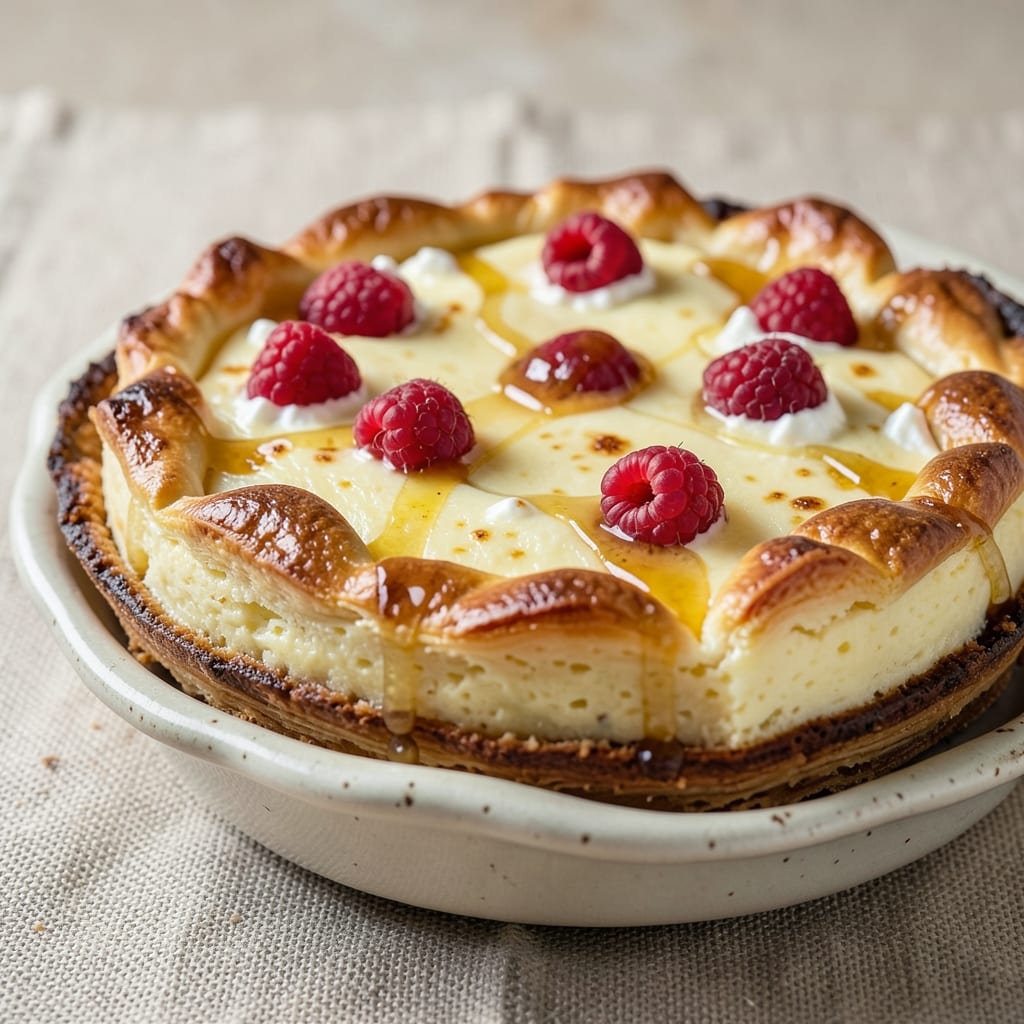
This baked Basque cheesecake recipe delivers the perfect harmony of textures—crispy caramelized top, silky smooth custard, and no dreaded cracks. 🌟 The secret lies in a traditional Basque technique using a water bath, which ensures a creamy center while the crust develops that signature crunch. I've perfected this method over years of testing, and it never fails to impress even the most skeptical cheesecake lovers.
The key to success begins with a buttery, crumbly crust that acts as the foundation for the rich filling. The filling itself combines heavy cream, eggs, and a blend of cheeses for that signature Basque creaminess, while cornstarch prevents any unwanted cracks. Baking in a water bath creates steam that gently cooks the cheesecake, resulting in that signature tender texture.
What makes this recipe truly special is how it balances tradition with foolproof execution. The crust gets golden and crispy while the center remains velvety smooth, with no need for complicated techniques or expensive equipment. This is the kind of dessert that transforms any gathering into something memorable—elegant enough for special occasions but simple enough for weeknight treats.
The best part? This cheesecake develops even better flavors as it sits, making it perfect for making ahead. Whether you're serving it at a holiday dinner or simply indulging in a slice of pure comfort, this recipe delivers restaurant-quality results with minimal effort. Let's get baking!
Ingredients for baked basque cheesecake
Eighteen ingredients crafting restaurant-quality Basque cheesecake with foolproof texture and flavor.
| Ingredient | Amount | Notes |
|---|---|---|
| All-Purpose Flour 🌾 | 1 ½ cups | Sifted for light crust texture |
| Unsalted Butter 🧈 | 1 cup | Cold, cubed for crust |
| Granulated Sugar 🍚 | ¼ cup | For crust sweetness |
| Large Egg Yolks 🥚 | 4 whole | Room temperature preferred |
| Heavy Cream 🥛 | 1 ½ cups | Full-fat for richness |
| Whole Milk 🥛 | ½ cup | Warmed for smooth filling |
| Cream Cheese 🧀 | 16 oz | Full-fat, room temperature |
| Gouda Cheese 🧀 | 8 oz | Aged, grated for depth |
| Cornstarch 🌾 | 2 tbsp | Prevents cracking magic |
| Vanilla Extract 🌿 | 1 tbsp | Pure Madagascar preferred |
| Salt 🧂 | ½ tsp | Diamond Crystal preferred |
| Dark Brown Sugar 🍚 | ¼ cup | For caramelized crust |
| Ground Almonds 🌰 | ½ cup | For extra crunch |
| Large Eggs 🥚 | 2 whole | Room temperature for blending |
The crust starts with cold butter—don't skip chilling it! I always grab European-style butter from Whole Foods for that extra flavor punch, but any good brand works. For the almonds, Trader Joe's has the best price on whole almonds—just pulse them in a food processor until finely ground. The Gouda is non-negotiable; aged 24 months gives that nutty depth. If you can't find it, Parmigiano-Reggiano works in a pinch, but it won't be exactly the same. Preheat your oven to 350°F before you start—this crust needs that hot start for perfect caramelization.
No cornstarch? Arrowroot powder at the same amount works perfectly. The heavy cream should be cold when you mix it—room temperature makes the filling too thin. For the crust, if you don't have ground almonds, toasted walnuts add a nice texture twist. The vanilla extract matters here—Madagascar bourbon is my go-to, but imitation will work if that's all you've got. Want to make this ahead? Assemble the crust and filling, then refrigerate overnight before baking—it develops even better flavors that way. The eggs must be room temperature for smooth blending, so take them out 30 minutes before you start.
This cheesecake is a make-ahead dream—it actually tastes better the next day as the flavors meld. Store leftovers in the fridge for up to 5 days, covered tightly. For serving, I like to dust with powdered sugar right before slicing—it adds that final touch of elegance. The crust keeps well in the freezer for 3 months if you want to prep ahead. Just thaw at room temperature before adding the filling. And trust me, the first slice is always the hardest to resist!
Why You'll Love This Recipe
- No Mixer Needed: I swear by this recipe because it’s all about the buttercream magic—just cream butter and sugar until it’s light, then fold in yolks. No standing at a mixer for 20 minutes, just elbow grease and patience. Honestly, the result is worth the effort, but the process? Refreshingly simple.
- Creamy Without the Jiggle: That heavy cream and egg yolk combo makes this cheesecake silky—not that wobbly, sad slice you sometimes get. The crust stays crisp while the filling holds its shape, so every bite is clean, rich, and satisfying. (Yes, even on a Tuesday night.)
- Leftovers That Last: This recipe actually improves the second day. The crust softens just enough to soak up the creamy filling, and it’s the perfect make-ahead dessert for gatherings. I’ve sent slices to potlucks in Tupperware—no one ever guesses it’s homemade.
- Budget-Friendly Luxury: You’re using pantry staples here—flour, butter, sugar—that still deliver restaurant-worthy texture. The heavy cream elevates it, but you could even swap in half-and-half if needed. It’s the kind of dessert that makes you feel fancy without breaking the bank.
Step-by-step instructions for baked Basque cheesecake
Here's how to craft the perfect Basque cheesecake—crisp almond crust meets velvety filling, every time.
👨🍳 Step 1: Craft the Crunchy Almond Crust
Preheat your oven to 350°F and grease a 9-inch springform pan generously with butter. In a food processor, combine the 1.5 cups all-purpose flour, 0.5 cup ground almonds, 0.25 cup dark brown sugar, and 0.5 tsp salt. Pulse until just mixed—you want a coarse texture, not a fine powder.
Cut in the 1 cup cold cubed butter using the pulse function until the mixture resembles coarse crumbs with pea-sized butter pieces remaining. Press this firmly into the bottom of your prepared pan, creating an even layer. Bake for 15 minutes until the edges are just beginning to turn golden. This pre-bake ensures your crust won't get soggy when the filling goes in.
🍳 Step 2: Prepare the Silky Filling
While the crust bakes, prepare the filling by combining the 16 oz room-temperature cream cheese, 8 oz grated Gouda cheese, 0.25 cup granulated sugar, and 2 tbsp cornstarch in a large mixing bowl. Beat with an electric mixer on medium speed until completely smooth and creamy—this prevents any graininess in your final cheesecake.
In a separate bowl, whisk together the 2 whole large eggs, 4 large egg yolks, 1.5 cups heavy cream, 0.5 cup warmed whole milk, and 1 tbsp vanilla extract. Gradually pour this mixture into the cheese mixture while mixing on low speed. This slow incorporation prevents the delicate egg proteins from curdling. The batter should be thick but pourable—if it's too stiff, add 1-2 tablespoons of milk to loosen it.
🥘 Step 3: Assemble and Bake to Perfection
Carefully pour the filling over the pre-baked crust, spreading it evenly with a spatula. Tap the pan gently on the counter a few times to release any air bubbles that may have formed. Place the springform pan in a large roasting pan and pour hot water into the roasting pan until it reaches about halfway up the sides of the springform pan. This water bath ensures gentle, even baking.
Return to the oven and bake for 50-55 minutes until the center is just set—it should still have a slight wobble when gently shaken. The edges should be golden brown, and the top should be smooth with no cracks. Real talk: don't overbake! The cheesecake will continue cooking slightly as it cools. Remove from the water bath and let it cool in the oven with the door slightly ajar for 15 minutes to prevent cracking.
⏰ Step 4: Rest and Chill for Maximum Flavor
Once cooled, transfer the cheesecake to the refrigerator and chill for at least 6 hours, preferably overnight. This resting period allows the flavors to meld and the texture to become truly silky. When ready to serve, run a thin knife around the edge of the pan to loosen it, then release the springform ring.
Here's the thing—this cheesecake is best served at room temperature for about 30 minutes before slicing. The contrast between the warm, gooey center and the cool, crunchy crust is what makes Basque cheesecake legendary. Slice with a warm knife for clean, perfect portions every time. The result? A creamy, slightly tangy filling with that perfect almond crunch in every bite.
Pro Tips For Making Baked Basque Cheesecake
- Preheat Like a Pro: Fire up that oven to 375°F (190°C) and let it scream hot for at least 20 minutes before baking. I learned this the hard way—skipping it means your crust ends up greasy and undercooked, no matter how long you bake it. That butter in the crust needs a proper head start.
- Whisk Yolks Until Pale: Beat those large egg yolks and sugar until they’re thick, ribbony, and almost pale yellow—about 3-4 minutes with a hand mixer. I used to stop at "lightened," but the extra time makes the texture silky, not grainy. (Yes, even if you’re impatient like me.)
- Don’t Overmix the Cream: Fold the heavy cream into the yolk mixture just until combined—lumpy is fine, but don’t whip it into butter. Overmixing makes the cheesecake dense and sad. Think "marble," not "smoothie."
- Bake Until Springy: Pull the cake when the edges are golden and the center jiggles like Jell-O—not liquid, not firm, but somewhere in between. My first few times, I overbaked it, and the texture turned into rubber. A toothpick test? Useless here—trust your fingers.
Regional styles of this recipe
Basque Country Roots
The Basque region of northern Spain and southwestern France has a rich tradition of cheesecakes, often made with local Idiazábal sheep's milk cheese instead of cream cheese. These traditional versions use a simple crust of flour, butter, and sugar, baked until golden, then filled with a mixture of eggs, milk, and cheese. The Basque technique of baking in a water bath ensures the filling stays moist and creamy—a method I've adapted here for foolproof results. 🌍
French Basque Fusion
In the French Basque country, the cheesecake often incorporates walnuts instead of almonds in the crust, adding a deeper, earthier flavor. The filling might include a touch of rum or brandy (about 1 tablespoon) for warmth, which pairs beautifully with the caramelized crust. I love this variation for its complexity—try substituting 1 tablespoon dark rum into the filling for a sophisticated twist.
Modern American Adaptations
American versions often swap the traditional Gouda for sharp cheddar or even blue cheese for a bolder flavor. Some chefs add a layer of caramelized onions between the crust and filling for a sweet-savory depth. I've tested this with 1 cup caramelized onions (cooked until deep amber) and found it adds a wonderful contrast to the creamy filling. For a fun twist, top with toasted meringue before baking for a showstopping presentation.
Italian-Inspired Twist
Inspired by Italian semifreddo techniques, some modern Basque cheesecakes incorporate mascarpone (about 8 oz) into the filling for extra richness. The Italians also love adding zest of 1 lemon and 1 teaspoon lemon extract to brighten the flavors. This version works beautifully with a hazelnut crust (replace almonds with 1 cup ground hazelnuts) for a nutty depth that complements the mascarpone perfectly.
Vegetarian-Friendly Version
For a vegetarian adaptation, keep all the original ingredients but replace the Gouda with vegan-friendly cheese alternatives like Miyoko's Creamery brand (ensure it's suitable for baking). The crust remains the same, but the filling should include 1 tablespoon nutritional yeast for a cheesy flavor. This version still delivers that signature Basque creaminess while being completely plant-based. 🌱
Seasonal Variations
Summer versions often include fresh berries (like raspberries or blackberries) folded into the filling or arranged on top after baking. For a winter twist, add cinnamon (1 teaspoon) and diced apples to the crust for warmth. I love a pumpkin spice variation in fall—add 1 teaspoon pumpkin pie spice to the filling and top with candied pecans for a festive touch. Each season brings new opportunities to customize this classic dessert!
Nutrition facts
Frequently asked questions
Why does this Basque cheesecake need a water bath?
The water bath creates gentle steam that prevents cracks while ensuring even baking. This traditional Basque technique keeps the center perfectly creamy without overcooking the edges. Without it, you risk a dry crust or cracked filling.
Can I use a different cheese besides Gouda?
For a sharper flavor, try aged cheddar or Parmigiano-Reggiano. If you want something milder, Monterey Jack works well. Just keep the total cheese amount at 16 oz for proper texture.
How do I prevent cracks in the cheesecake?
Keep all ingredients room temperature and avoid overmixing the filling. The cornstarch helps stabilize the texture, and baking at 350°F with the water bath prevents sudden temperature shifts that cause cracks.
Can I make this cheesecake ahead of time?
Yes! Assemble the crust and filling, then refrigerate for 24 hours before baking. This actually improves flavor development. Once baked, it keeps well in the fridge for 5 days or can be frozen for 3 months.
What's the best way to serve this Basque cheesecake?
Let it sit at room temperature for 30 minutes before serving to enhance the crust's crunch. Pair with fresh berries or a drizzle of caramel sauce for extra indulgence. A dusting of powdered sugar adds that final elegant touch!