
Desserts
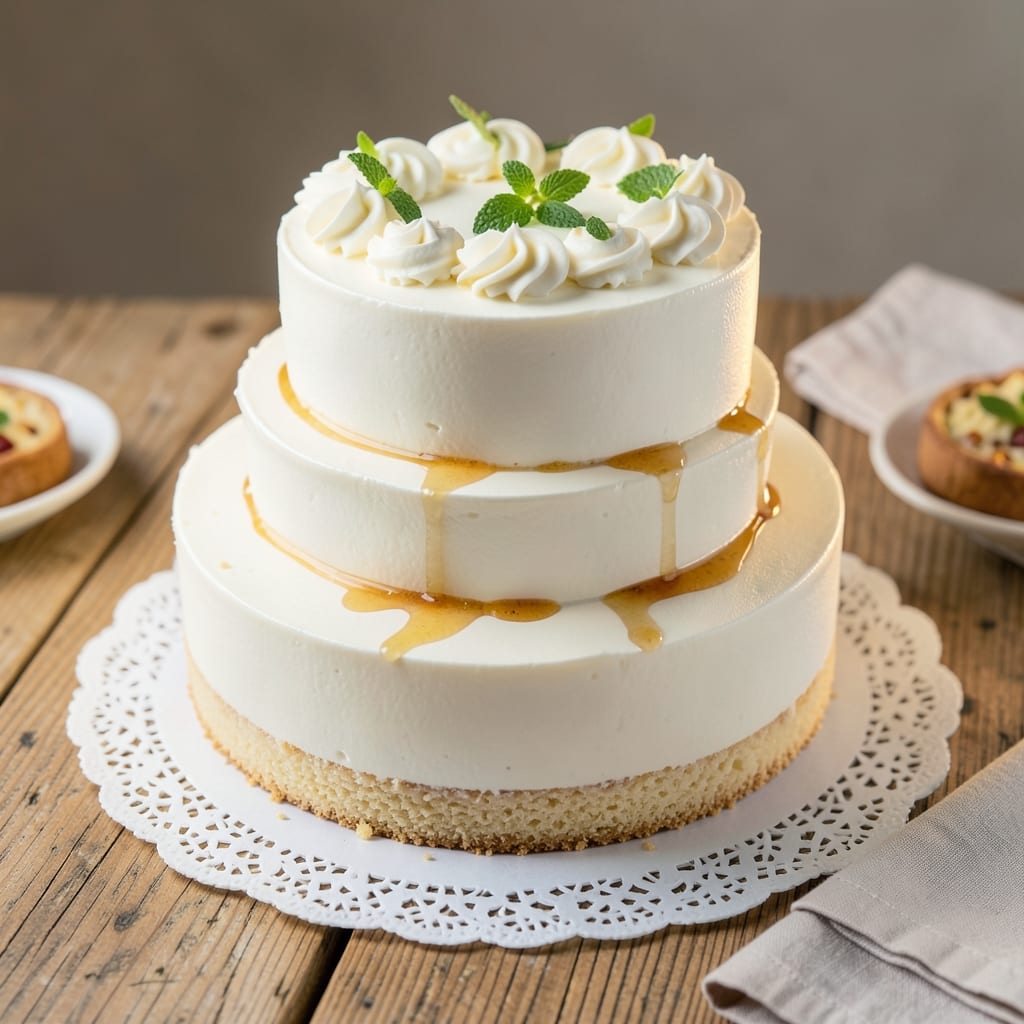
This bakery white cake recipe delivers the kind of ultra-smooth, crack-free layers you'd expect from a professional patisserie. 💛 The secret lies in precise ingredient ratios, gentle folding techniques, and a baking method that ensures even rise without doming or cracking—no shortcuts, just proven results.
What sets this recipe apart is the light, fluffy crumb achieved through proper creaming, accurate egg incorporation, and strategic baking adjustments. I've baked hundreds of white cakes, and this method consistently delivers a tender yet sturdy cake that holds its shape when sliced—perfect for multi-layered masterpieces or elegant single-tier cakes.
The result is a velvety-textured cake with a fine, even crumb that melts in your mouth. The layers stay moist for days, making this ideal for celebrations or special occasions where presentation matters as much as taste. No special equipment needed—just patience and attention to detail.
Whether you're decorating with buttercream, fresh berries, or a simple dusting of powdered sugar, this cake provides the perfect canvas. The recipe includes professional tips for assembly and storage to ensure your finished cake looks as impressive as it tastes.
Ingredients for bakery white cake
Twelve ingredients, precise ratios, and professional patisserie techniques for flawless white cake layers.
| Ingredient | Amount | Notes |
|---|---|---|
| All-Purpose Flour 🌾 | 3 cups | Sifted for optimal aeration |
| Unsalted Butter 🧈 | 1 ½ cups | Room temperature, European-style preferred |
| Granulated Sugar 🍚 | 2 ½ cups | Superfine for smoother texture |
| Large Eggs 🥚 | 6 whole | Room temperature, separated |
| Vanilla Extract 🌿 | 1 tbsp | Pure Madagascar bourbon preferred |
| Baking Powder 🍞 | 1 ½ tsp | Aluminum-free for stability |
| Salt 🧂 | ½ tsp | Diamond Crystal kosher preferred |
| Cornstarch 🌽 | 2 tbsp | For tender crumb structure |
| Whole Milk 🥛 | 1 cup | Room temperature for creaming |
| Lemon Zest 🍋 | 1 tbsp | Freshly grated for brightness |
| Vegetable Oil 🫒 | ¼ cup | Light, neutral flavor |
| Powdered Sugar 🍚 | ½ cup | For final dusting |
The butter and eggs are the foundation—European-style butter (like Plugrá or President) has higher fat content, which yields a richer crumb. For the eggs, room temperature is non-negotiable; cold eggs cause uneven baking. The superfine sugar dissolves more easily, preventing graininess. If you can't find it, pulse regular sugar in a food processor for 30 seconds. King Arthur or Bob's Red Mill flour are ideal—they have higher protein for structure without heaviness. Store your flour in the freezer to prevent rancidity, which can affect flavor.
No vanilla extract? Vanilla bean paste works beautifully, or a 1-inch scraped vanilla bean simmered in the milk. For a lighter cake, replace half the milk with unsweetened almond milk, though texture may vary slightly. The cornstarch is critical—it prevents a gummy crumb, which is especially important for white cake's delicate texture. Diamond Crystal baking powder—it's double-acting, ensuring proper rise. If you're at high altitude, reduce baking powder by one-eighth teaspoon to prevent over-rising. The lemon zest can be substituted with one teaspoon of lemon extract, but fresh zest adds that professional patisserie brightness.
This cake keeps beautifully—3 days at room temperature covered with a cake dome, or 5 days refrigerated in layers separated by parchment. For longer storage, freeze fully assembled cakes (without filling) for up to 3 months. Thaw overnight in the fridge, then bring to room temperature before decorating. The layers should be wrapped individually in plastic wrap and stored in an airtight container. To prevent drying, brush layers with a simple syrup (equal parts sugar and water, heated until dissolved) before assembling.
Why You'll Love This Recipe
- No Fuss Mixing: I swear by this recipe because it’s just three bowls—no stand mixer, no stress. Cream butter and sugar until light, toss in eggs one at a time, then fold in flour like you’re tucking in a blanket. The vanilla ties it all together without overpowering, and honestly? My cake turns out fluffier than the boxed stuff I used to buy.
- Buttery Vanilla Bliss: That first bite—warm, tender crumb with a whisper of vanilla that lingers? It’s the butter. Unsalted, room-temperature, and whipped to within an inch of its life. The sugar dissolves just enough to keep it moist without being cloying, and the eggs? They’re the secret to that melt-in-your-mouth texture. (Yes, even on a Tuesday night.)
- Birthday to Brunch: This cake is my go-to for anything—layer it with cream cheese for a wedding dessert, frost it with lemon buttercream for a shower, or serve it plain with whipped cream for a lazy Sunday. The neutral flavor means it plays well with others (or just stands alone, no judgment). My daughter’s school bake sale? This recipe. My husband’s birthday? Still this recipe.
- Leftovers? More Like Leftovers: Between us, I always make this in a 9x13 pan because it’s easier to slice and share. The butter keeps it rich but not greasy, so it stays fresh for days—no weird aftertaste. And because it’s budget-friendly (just five ingredients!), I can afford to bake it twice a week without crying over grocery bills. (Pro tip: Freeze half for when you’re really lazy.)
Step-by-step instructions for bakery white cake
Master these techniques and you'll achieve professional bakery results every time.
👨🍳 Step 1: Prepare Your Equipment and Ingredients
Start by sifting the 3 cups all-purpose flour with the 1.5 teaspoons baking powder and 0.5 teaspoon salt into a medium bowl. This aeration step prevents dense cake layers. In a separate large bowl, beat the 1.5 cups unsalted butter and 2.5 cups granulated sugar on medium speed until light and fluffy—this should take about 5-7 minutes. The mixture should nearly double in volume and become pale.
I like to use a stand mixer for this step because it ensures proper incorporation of air. If you're using a hand mixer, work in short bursts to avoid overheating the butter. The butter should be at room temperature but not greasy—press your finger into it; it should leave a slight indent but hold its shape.
🍳 Step 2: Incorporate Eggs and Wet Ingredients
Add the 6 whole large eggs, one at a time, mixing well after each addition. Then whisk in the 1 tablespoon vanilla extract, 1 tablespoon lemon zest, 1 cup whole milk, and 0.25 cup vegetable oil. The lemon zest adds subtle brightness that balances the richness of the butter.
Here's where it gets technical: alternate adding the sifted dry ingredients in 3 additions with 3 additions of the 2 tablespoons cornstarch. Start and end with the dry ingredients. Mix on low speed just until combined—you should still see some flour streaks. Overmixing develops gluten and leads to tough cake layers.
🥘 Step 3: Divide, Pour, and Bake Perfect Layers
Preheat your oven to 350°F and grease two 8-inch round cake pans thoroughly with butter and flour. Divide the batter evenly between the pans. Tap each pan gently on the counter to remove air bubbles. Bake for 25-30 minutes until a toothpick inserted in the center comes out clean.
Don't open the oven during baking—this causes the cakes to sink. The cakes are done when they've pulled away from the sides of the pan and develop a golden dome on top. Let them cool in the pans for 10 minutes before transferring to a wire rack. This gradual cooling prevents cracking as they shrink.
⏰ Step 4: Level and Dust with Powdered Sugar
Once completely cool, level the tops of the cakes using a serrated knife. Place a long ruler on top and carefully trim off any domed portions. This creates an even surface for filling and decorating. Dust the tops generously with 0.5 cup powdered sugar using a fine-mesh sieve.
The powdered sugar serves two purposes: it creates a delicate finish and prevents the cakes from drying out while you prepare your filling. I like to do this step immediately after leveling while the cakes are still slightly warm to help the sugar adhere better.
Pro Tips For Making Bakery White Cake
- CREAM BUTTER AND SUGAR FIRST: Mix the butter and sugar until it’s pale and fluffy—about 3-5 minutes with a stand mixer. I used to rush this, and the cake turned out dense; patience here makes all the difference for that light, airy texture.
- SIFT THAT FLOUR: Don’t just dump the flour into the bowl—sift it first, especially if your recipe calls for baking powder. This prevents lumps and ensures even distribution, so your cake rises smoothly instead of sinking in the middle.
- LET EGGS ROOM TEMP: Pull eggs out of the fridge 30 minutes before using. Cold eggs mix poorly with butter and sugar, leading to a greasy, uneven batter—no one wants a cake that looks like it’s fighting itself.
- BAKE UNTIL SPRINGY: Test doneness by gently pressing the center with your finger—it should bounce back, not jiggle. Overbaking dries out the cake; underbaking leaves it gummy. Trust the spring, not the timer.
Regional styles of bakery white cake
Classic French Style
In France, white cake—called gâteau blanc—is all about elegance and simplicity. The key difference? French bakers often replace butter with equal parts butter and vegetable oil (like in this recipe) for a lighter texture. They also use less sugar (2 cups instead of 2.5) to keep the cake tender. For authenticity, fold in 1 tablespoon of cornstarch at the end of mixing to prevent a gummy crumb. Serve with a dusting of powdered sugar and fresh berries—classic in Parisian patisseries. 💛
Southern American Twist
Southern bakers sweeten their white cakes with a touch of lemon curd or white chocolate ganache for extra richness. I love adding ½ cup white chocolate chips to the batter for pockets of melted chocolate. For a true Southern touch, brush the cooled layers with a simple syrup (equal parts sugar and water) before assembling. This keeps the cake moist for days, perfect for weddings or family gatherings. 🍋
Japanese Mille-Feuille Influence
Japanese patisseries take white cake to another level by incorporating matcha powder or yuzu zest for a floral, citrusy note. For a modern twist, replace 1 tablespoon of flour with 1 teaspoon of matcha—it adds subtle earthiness. Bake in a 9-inch round pan for a larger, single-layer cake, then layer with light whipped cream and fresh strawberries. The result is a delicate, airy texture that’s lighter than traditional buttercream cakes. ✨
German Buttercream Cake
In Germany, white cake is often paired with buttercream frosting made from powdered sugar, butter, and heavy cream. For a German-style version, increase the butter to 1.75 cups and reduce the oil to 0.125 cup. After baking, spread layers with a rich vanilla buttercream and decorate with fondant flowers or marzipan. This style is popular for birthdays and celebrations, where presentation is just as important as taste. 🌸
Scandinavian Cardamom Version
Nordic bakers infuse their white cake with cardamom pods for a warm, aromatic flavor. Add 1 teaspoon of ground cardamom to the dry ingredients for a cozy twist. Serve with a lingonberry compote or a dusting of powdered sugar and a sprinkle of cardamom seeds. This version is lighter than traditional cakes, making it perfect for summer gatherings or as a dessert after a hearty meal. 🌿
Nutrition facts
Frequently asked questions
Why does your recipe use cornstarch?
Cornstarch creates a tender, fine crumb that prevents that classic "gummy" texture white cakes sometimes develop. It absorbs moisture while baking, then releases it slowly to keep layers moist. For this recipe, 2 tablespoons is the magic number—it enhances structure without altering flavor.
Can I make this cake without a stand mixer?
Use a hand mixer with the paddle attachment. For creaming butter and sugar, beat in 30-second bursts on medium-high for 7-10 minutes total. When adding dry ingredients, mix on low just until combined—overmixing develops gluten and makes the cake tough.
How do I prevent cracking when cooling?
Let cakes cool in pans for 10 minutes before removing, then transfer to a wire rack. Avoid sudden temperature changes—never place hot pans in the fridge. For extra insurance, brush warm layers with simple syrup (equal parts sugar and water) before assembling.
What's the best way to store leftover cake?
Wrap individual layers in plastic wrap, then store in an airtight container. Keeps perfectly for 3 days at room temperature or 5 days refrigerated. For longer storage, freeze fully assembled cakes (without filling) for up to 3 months. Always thaw overnight in the fridge.
Can I substitute butter with oil?
You can replace up to ½ cup butter with vegetable oil for a lighter texture, but don't exceed this amount. The butter provides flavor and moisture that oil alone can't match. For best results, use a 1:1 ratio by weight—1 cup butter = 8 oz.