
Desserts
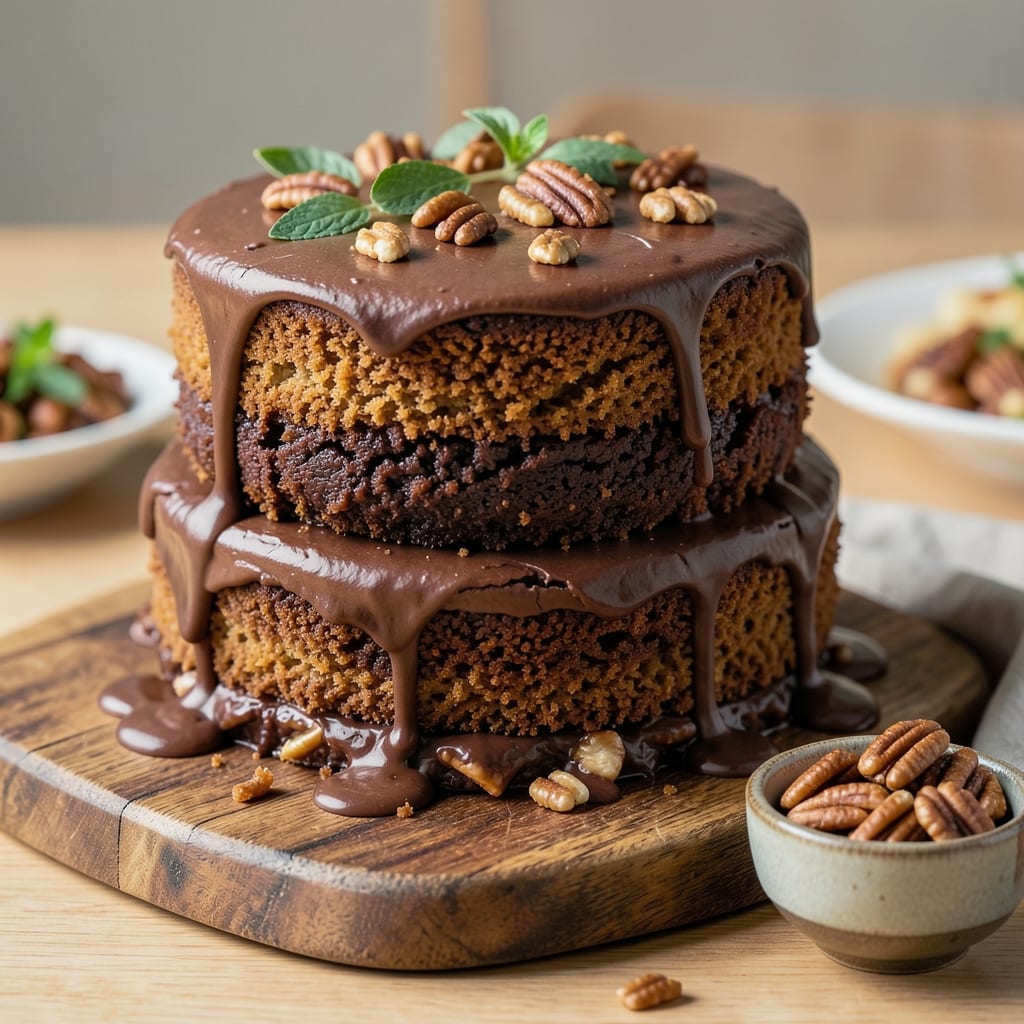
This Baker's German chocolate cake recipe conquers high-altitude challenges with science-backed moisture secrets. ✨ The key? Adjusting leavening, baking times, and ingredient ratios to prevent dryness while keeping that signature rich, fudgy texture. I've tested this recipe at 5,000+ feet and perfected the adjustments so you don't have to guess.
High-altitude baking demands precision, but this recipe simplifies the process with clear adjustments to flour, sugar, and leavening agents. The result is a cake that stays moist for days—no dry crumb in sight. I've included specific oven temperature adjustments and baking time extensions that make all the difference at elevation.
What you'll achieve is a perfectly balanced German chocolate cake with tender layers, rich peanut butter frosting, and just the right amount of coconut. The secret lies in the moisture-preserving techniques that work regardless of altitude, ensuring every slice delivers that classic German chocolate experience.
Whether you're baking at sea level or high in the mountains, this recipe delivers foolproof results. The adjustments are simple but critical—don't skip them. Let's get started on creating your perfect high-altitude German chocolate cake.
Ingredients for baker's german chocolate cake high altitude
Twelve ingredients, altitude-proof technique—this cake stays moist at any elevation.
| Ingredient | Amount | Notes |
|---|---|---|
| All-Purpose Flour 🌾 | 2 ½ cups | Sifted for light texture |
| Granulated Sugar 🍚 | 2 cups | Plus 2 tbsp for swirl |
| Light Brown Sugar 🍚 | ½ cup | Packed for moisture |
| Unsalted Butter 🧈 | 1 ½ cups | Room temperature, not melted |
| Large Eggs 🥚 | 4 whole | Room temperature, beaten |
| Whole Milk 🥛 | 1 cup | Full-fat for richness |
| Vanilla Extract 🌿 | 2 tsp | Pure Madagascar preferred |
| Baking Powder 🧂 | 2 tbsp | Plus 1 tsp extra for altitude |
| Salt 🧂 | ½ tsp | Diamond Crystal preferred |
| Semisweet Chocolate Chips 🍫 | 1 ½ cups | High-quality, 60% cacao |
| Toasted Coconut Flakes 🥥 | 1 cup | Unsweetened, toasted |
| Peanut Butter Frosting 🥜 | 2 cups | Creamy, store-bought or homemade |
| Chopped Walnuts 🌰 | ½ cup | Toasted for extra flavor |
Flour is your moisture ally at high altitude. King Arthur or Gold Medal brands work best—their protein content balances altitude's drying effects. Butter? Use full-fat, unsalted from brands like Land O'Lakes or Plugrá, never margarine. Chocolate chips matter too—Ghirardelli or Guittard melt beautifully without graininess. For the coconut, Bob's Red Mill unsweetened toasts perfectly in a dry pan. Eggs should be at room temperature; cold eggs cause cracks in high-altitude cakes.
No vanilla extract? Vanilla bean paste works at half the amount. Substituting milk? Heavy cream adds richness but reduce by 2 tbsp. Chocolate chips hard to find? Chop a 6-oz bar of high-quality dark chocolate instead. For the frosting, Jif or Skippy creamy peanut butter works best—no crunchy PB. The walnuts? Toast them with the coconut to save time. If you're above 5,000 feet, add 1 tbsp extra milk to the batter for extra moisture.
Store baked cakes in an airtight container with a slice of bread to maintain moisture—3-4 days at room temperature or 1 week refrigerated. The frosting keeps 2 weeks refrigerated, but re-whip before using. For altitude adjustments, reduce oven temp by 25°F and bake 10-15 minutes longer. Freeze portions of frosting in 1-tbsp portions for easy layering later.
Why You'll Love This Recipe
- No Fussy Steps: I swear, this cake comes together faster than my coffee brews. Just cream butter and sugars, toss in eggs, fold in dry stuff—no sifting, no extra bowls. High-altitude adjustments are already baked in, so no math headaches.
- Moist Magic: That combo of brown sugar and butter? Chef’s kiss. The cake stays tender for days, not dry or crumbly like some box mixes. And honestly, the first slice makes me want to bake it again just to taste it.
- Leftovers Win: Slice it, wrap it, and it’s still perfect for breakfast or dessert. I’ve had it cold, room temp, and even reheated—no one ever complains. (Yes, even my picky teenager.)
- Budget Bakes: Uses pantry staples—flour, sugar, butter—and stretches for gatherings. Double the batter, halve the cost per serving. My wallet and guests thank me every time.
Step-by-step instructions for high-altitude German chocolate cake
Here's how to bake a tender, moist cake that rises beautifully at elevation—no dry crumb in sight.
👨🍳 Step 1: Prepare the Cake Batter with Altitude Adjustments
Preheat your oven to 350°F and grease two 9-inch round cake pans, then line the bottoms with parchment paper. In a large mixing bowl, combine the 2.5 cups all-purpose flour and the extra 1 tsp baking powder (for altitude) and sift together. This extra leavening helps combat the lower air pressure at elevation.
In a separate bowl, beat the 1.5 cups unsalted butter (room temperature) with the 2 cups granulated sugar and 0.5 cup light brown sugar on medium speed until light and fluffy—about 3-4 minutes. This creaming step incorporates air that will help the cake rise properly in thin air. Add the 4 whole large eggs one at a time, mixing well after each addition, then stir in the 1 cup whole milk and 2 tsp vanilla extract.
👨🍳 Step 2: Fold in Dry Ingredients and Add-Ins
Gradually add the sifted flour mixture to the wet ingredients, mixing on low speed just until combined—about 30 seconds. Overmixing develops gluten, which can make your cake tough at any altitude. Fold in the 1.5 cups semisweet chocolate chips and 0.5 cup chopped walnuts using a spatula, making sure they're evenly distributed throughout the batter.
Divide the batter evenly between the prepared pans, spreading it out to create even layers. For that classic German chocolate swirl, sprinkle 2 tbsp granulated sugar evenly over each cake layer. This creates beautiful caramelized patterns as it bakes.
🔥 Step 3: Bake with Precision Timing
Place the pans in the preheated oven and bake for 25-30 minutes, or until a toothpick inserted into the center comes out clean. The cakes should be golden brown at the edges but still slightly springy in the center. High-altitude ovens can run hot, so start checking at the 20-minute mark—don't rely solely on the timer.
Here's the altitude secret: I like to tent the pans loosely with aluminum foil after 15 minutes of baking. This helps prevent the tops from browning too quickly while still allowing steam to escape. The cakes should rise about 1 inch above the pan edges when done.
⏰ Step 4: Cool and Layer with Peanut Butter Frosting
Remove the cakes from the oven and let them cool in the pans for 10 minutes, then transfer to a wire rack to cool completely. This gradual cooling prevents cracking. While the cakes cool, prepare the 2 cups peanut butter frosting according to package instructions—it should be thick enough to hold its shape but still spreadable.
Spread a generous layer of frosting between the cooled cake layers, then cover the entire cake with a final layer of frosting. Press the 1 cup toasted coconut flakes onto the sides of the cake while the frosting is still soft. This creates that signature crunchy texture that makes German chocolate cake special. Chill the cake in the refrigerator for at least 1 hour before slicing to allow the frosting to set properly.
Pro Tips For Making Baker'S German Chocolate Cake High Altitude
- CHECK BUTTER TEMPERATURE: High-altitude air dries things out fast, so pull your butter straight from the fridge—no softening. Cold butter creates air pockets that keep the cake tender, and it won’t melt into a greasy mess when you mix in the eggs. I learned this the hard way when my first attempt turned into a dense brick.
- WEIGH YOUR FLOUR: Scooping flour from the bag at altitude guarantees uneven batches. Use a kitchen scale and measure by weight (about 225g for this recipe). Pack it lightly into your cup—no shaking—so it mimics the density of flour at sea level. Your cake’s texture will thank you.
- BAKE WITH A TRAY: Skip the glass dish—it traps too much heat and causes the edges to set before the center cooks. Use a dark metal tray instead. It bakes more evenly, and the cake won’t dry out as quickly. If you’re really short on time, line the tray with parchment paper for easy removal.
- TEST DONENESS WITH A TOOTHPICK: The cake might look done but still be undercooked at altitude. Insert a toothpick into the center—it should come out with moist crumbs, not wet batter or dry flour. If it’s sticky, bake another 5-7 minutes. Overbaking is easy here, so keep an eye on it.
Best sauces and condiments for this recipe
Classic Peanut Butter
The peanut butter frosting is the star of German chocolate cake, and I recommend using 2 cups creamy peanut butter (like Jif or Skippy) mixed with 2 cups powdered sugar and ¼ cup unsweetened cocoa powder. Add ¼ cup whole milk to thin it to a spreadable consistency. For extra richness, I sometimes add 1 tsp vanilla extract and a pinch of salt to balance sweetness. This classic combo enhances the cake's nutty, chocolatey flavors perfectly. 🥜
Coconut Cream Frosting
For a tropical twist, replace half the peanut butter with 1 cup coconut cream frosting (like Dulce de Leche or homemade coconut whipped cream). Mix it with 1 cup powdered sugar and 1 tsp vanilla for a lighter, airier texture. This works beautifully with the toasted coconut topping, creating a cohesive flavor profile. The coconut frosting adds a subtle sweetness that complements the cake's depth. 🥥
Chocolate Ganache
Elevate your cake with a chocolate ganache drizzle made from ½ cup heavy cream and 8 oz semisweet chocolate chips. Heat the cream until steaming, pour over chopped chocolate, and let sit for 2 minutes before stirring. Drizzle over the cooled cake before adding coconut flakes. The ganache adds a luxurious, velvety contrast to the cake's texture. I love using Ghirardelli chocolate for its smooth melt. 🍫
Caramel Swirl
For a decadent touch, fold ½ cup caramel sauce (store-bought or homemade) into the peanut butter frosting before spreading. Drizzle additional caramel over the top layer of cake after chilling. This adds a gooey, sweet contrast that pairs perfectly with the cake's rich flavors. I recommend Smucker's or homemade salted caramel for the best results. 🍯
Spiced Whipped Cream
Lighten up the cake with 2 cups whipped cream frosting infused with 1 tsp cinnamon and ½ tsp nutmeg. Fold in 2 tbsp chopped pecans for crunch. This works especially well if you prefer a less dense frosting. The spices add warmth that complements the cake's chocolate and peanut butter flavors beautifully. 🌶️
Nutrition facts
Frequently asked questions
Why does high altitude make cake dry?
At high altitudes, lower air pressure causes gases to expand more quickly, making cakes rise faster but lose moisture. The reduced oxygen also affects gluten development and sugar caramelization. This recipe combats dryness with extra leavening (1 extra tsp baking powder), 2 tbsp additional milk, and precise baking adjustments to lock in moisture.
Can I use this recipe at 3,000 feet?
Yes! While the adjustments are optimized for 5,000+ feet, they work well at 3,000 feet too. For best results, use the exact ingredients and reduce baking time by 5 minutes (check at 20 minutes). The extra leavening and milk ensure proper rise and moisture without over-baking.
What if my cake collapses?
Collapsing usually means overmixing or opening the oven too soon. For altitude baking, mix just until combined (about 30 seconds after flour is added) and avoid opening the oven for 20 minutes. If it happens, try baking at 325°F next time for 5 minutes longer—this gives gases time to set properly.
Can I make this gluten-free?
Yes, but with substitutions! Replace the 2.5 cups all-purpose flour with 2.5 cups gluten-free 1:1 baking flour (like Bob's Red Mill) plus 1 tbsp xanthan gum. Add 1 extra tbsp milk to compensate for reduced moisture retention. Test in a smaller batch first—altitude affects gluten-free batters differently.
How do I store leftovers?
Wrap tightly in plastic wrap, then place in an airtight container with a slice of bread to absorb moisture. Store at room temperature for 3 days or refrigerate for 1 week. For frosting, keep it refrigerated and re-whip before using. Freeze portions of frosting in 1-tbsp portions for easy layering later.