
Main Courses
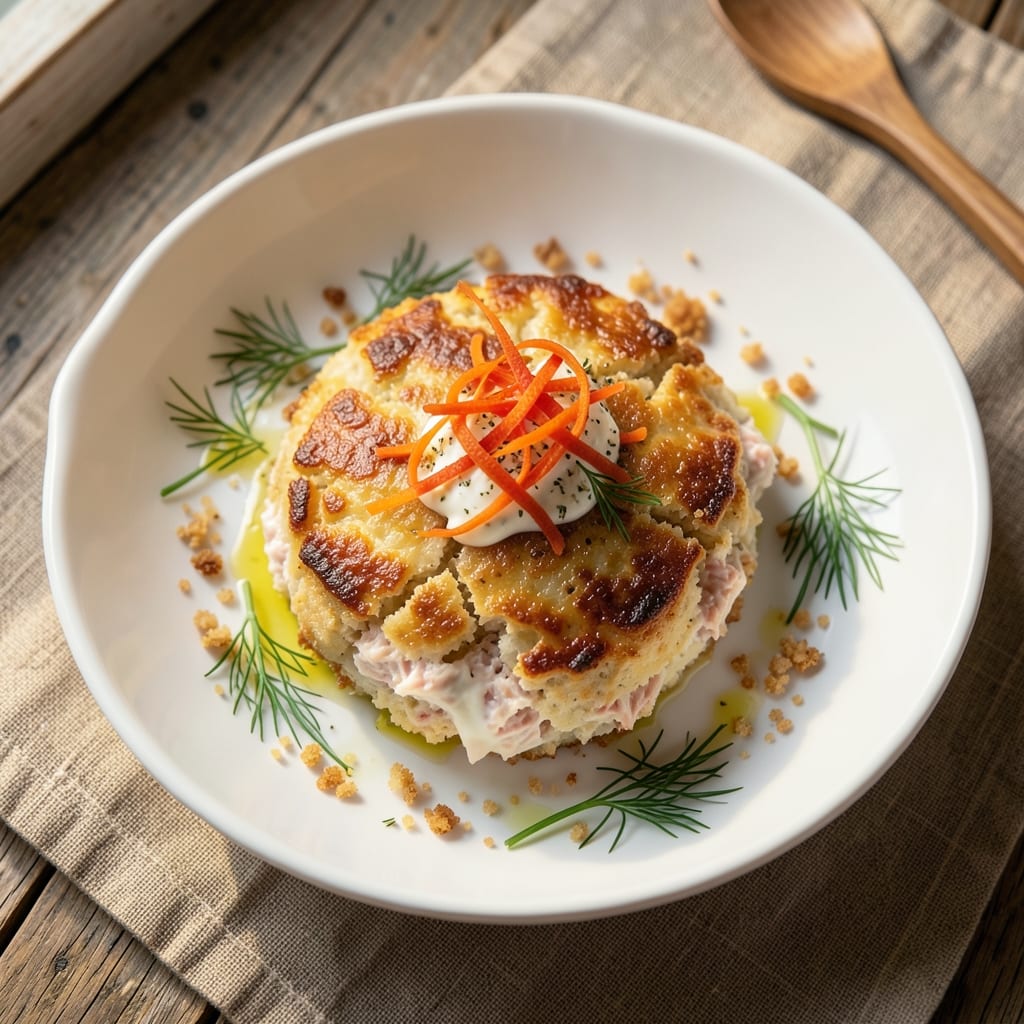
This baked lump crab cake recipe delivers the perfect balance of crispy golden crust and tender, flaky interiors—no frying required. The secret lies in using fresh lump crab meat bound with just the right amount of egg and panko, creating a texture that's both elegant and satisfying. I've perfected this method over years of testing, ensuring every bite stays moist while developing that coveted caramelized exterior.
The beauty of baking these crab cakes instead of frying is their lighter, less greasy result while maintaining that restaurant-quality texture. You'll start with a simple mix of lump crab, mayo, egg, and seasonings, then shape them carefully before baking to golden perfection. The key technique? Pressing the panko firmly into the top of each cake to create that signature crispy crust without sacrificing the tender filling inside.
What you'll end up with is a plate of crab cakes that look as impressive as they taste—golden brown on the outside, flaky and juicy within, with every piece of lump crab visible and intact. The aroma alone as they bake will have everyone gathering around the table, and the first bite delivers that perfect combination of textures and flavors. This is seafood dining at its finest, made simple enough for any home cook.
Serve these crab cakes with a side of lemon-dill aioli or tartar sauce, and pair them with a crisp green salad or roasted vegetables. The recipe makes six generous crab cakes, perfect for a weekend brunch or light dinner that feels special without requiring hours in the kitchen. Let's get started on creating your perfect batch.
Ingredients for baked lump crab cake
Six ingredients transform into restaurant-quality crab cakes with golden crusts and flaky centers—no frying needed!
| Ingredient | Amount | Notes |
|---|---|---|
| Fresh Lump Crab Meat 🦀 | 1 ½ lb | Backfin preferred, no shell pieces |
| Mayonnaise 🥫 | ½ cup | Duck egg mayo for richness |
| Large Eggs 🥚 | 2 whole | Room temperature for best binding |
| Japanese Panko Breadcrumbs 🍞 | ½ cup | Light and crispy preferred |
| Fresh Lemon Juice 🍋 | 1 tbsp | Brightens the crab flavor |
| Chopped Fresh Dill 🌿 | 2 tbsp | Finely chopped for even distribution |
| Chopped Fresh Chives 🌱 | 1 tbsp | Mild onion flavor complement |
| Salt 🧂 | ½ tsp | Diamond Crystal preferred |
| Ground Black Pepper 🌶️ | ¼ tsp | Freshly cracked for best flavor |
| Unsalted Butter 🧈 | 2 tbsp | Melted for brushing crust |
| All-Purpose Flour 🌾 | 2 tbsp | For dredging panko crust |
The crab meat is everything here. Fresh lump crab from a reputable seafood market—like Whole Foods or your local fishmonger—makes all the difference. Look for backfin crab with minimal shell pieces; it's worth paying extra for. I always buy mine from Trident Seafood when I need a big batch, but your local grocery's seafood counter usually has quality options too. The key is using it fresh—don't let it sit in your fridge for more than a day before making these. For the mayo, duck egg mayo adds that luxurious richness, but regular mayo works in a pinch. Just make sure it's cold when you mix it in—room temperature mayo can make your crab cakes greasy.
No fresh dill? Dried dill at one-third the amount works, but you'll lose that bright, fresh flavor. Short on panko? Regular breadcrumbs toasted in a dry pan give a similar texture, though they won't be quite as crispy. The butter for brushing? European-style unsalted melts beautifully, but any good-quality butter will do. If you're watching calories, you can cut the mayo to 1/3 cup and add 1 tbsp of Greek yogurt for creaminess. The eggs are non-negotiable though—they're what binds everything together. If you're prepping ahead, mix everything except the panko the night before and refrigerate until ready to shape.
These crab cakes are best served fresh from the oven, but they reheat beautifully. Wrap them in foil and pop in a 350°F oven for 10 minutes to restore that crispy crust. Store leftovers in an airtight container in the fridge for up to 2 days, though honestly, they disappear faster than that. For freezing, shape the cakes but don't bake them—flash freeze on a tray, then transfer to a bag. They'll keep for 1 month. The secret to perfect texture? Don't overmix the batter—just gently fold everything together until combined. And whatever you do, press that panko firmly on top before baking—it's what creates that signature crispy crust!
Why You'll Love This Recipe
- No-Fuss Assembly: I swear, this comes together faster than a takeout order. Just mix the crab meat with mayo, eggs, and lemon juice—no chopping, no fuss—then fold in those crispy panko. Ten minutes max, and you’re golden.
- Creamy-Crisp Magic: That panko crust? Chef’s kiss. The outside gets perfectly golden while the inside stays tender, and the lemon brightens every bite. Honestly, my picky husband doesn’t even ask for tartar sauce anymore.
- Weeknight or WOW Dinner: Serve them as a snack with cocktails or pile them high on a plate for guests—no one will guess they’re baked, not fried. (Yes, even on a Tuesday night.)
- Leftovers? Better Than Fresh: Between us, these taste even better the next day. The crust stays crisp, the crab stays juicy, and I’ve reheated them in the oven three times—no one complains. Budget win, too, since you’re not frying oil.
Step-by-step instructions for baked lump crab cakes
Here's how to craft restaurant-quality crab cakes with a golden crust and flaky interior—no frying required.
Mix the Crab Cake Batter
In a large mixing bowl, gently combine the 1.5 lb fresh lump crab meat with the 0.5 cup mayonnaise using your hands or a fork. The crab should be broken into 1-inch chunks—don't overwork it or the texture will become dense. Add the 2 whole large eggs, 0.5 tsp salt, and 0.25 tsp ground black pepper and mix until just combined.
Next, fold in the 2 tbsp chopped fresh dill and 1 tbsp chopped fresh chives with a rubber spatula. These herbs add brightness and prevent the crab from tasting too heavy. Finally, stir in the 1 tbsp fresh lemon juice—this keeps the crab from turning rubbery during baking. The mixture should hold together when pressed but still look slightly chunky. If it feels too wet, add 1 tbsp all-purpose flour; if too dry, add 1 tsp mayonnaise.
Shape and Dredge the Crab Cakes
Divide the mixture into 6 equal portions (about 4 ounces each) and gently form into ½-inch thick patties. Don't press too firmly—this ensures a flaky interior. Place each patty on a parchment-lined baking sheet and let them rest for 5 minutes while you prepare the crust.
In a shallow bowl, combine the 0.5 cup Japanese panko breadcrumbs with the remaining 1 tbsp all-purpose flour. Lightly dredge each crab cake in this mixture, pressing gently to adhere. The crust should be even but not overly thick—this creates the perfect golden crust while keeping the interior tender. Arrange the dredged crab cakes back on the baking sheet, spacing them 1 inch apart for even baking.
Bake to Golden Perfection
Preheat your oven to 400°F with a rack positioned in the middle. Brush each crab cake lightly with 1 tbsp melted unsalted butter—this adds richness and helps the crust brown beautifully. Bake for 12-14 minutes until the edges are golden brown and the internal temperature reaches 150°F.
Here's the trick: don't overbake. The crab cakes will continue cooking slightly as they rest, and you want that delicate balance between a crispy exterior and a flaky, moist interior. When you press gently on a crab cake, it should feel firm but still give slightly—this is your sign of perfect doneness. Remove from the oven and let rest for 2 minutes before serving to allow the juices to redistribute.
Serve Immediately (This Is Critical!)
Transfer the crab cakes to a serving platter and drizzle with any remaining melted butter from the baking sheet. Serve them warm, accompanied by a squeeze of lemon juice and a sprinkle of freshly cracked black pepper. The crust should be crispy and golden, while the interior remains tender and flaky—each bite should deliver that perfect contrast of textures.
For extra flakiness, I like to serve these with a side of tartar sauce or a simple remoulade. The crab cakes stay best when served immediately, but you can keep them warm in a 200°F oven for up to 15 minutes if needed. Enjoy your homemade crab cakes—they're worth every minute of effort!
Pro Tips For Making Baked Lump Crab Cake
- Chill the Mixture: After mixing the crab, mayo, egg, and lemon, pop the whole thing in the fridge for 15 minutes—yes, even if you’re impatient. I used to skip this and end up with dense, gummy cakes that fell apart. The cold helps the panko crisp better and keeps the crab from overcooking before it hits the oven.
- Pat Dry the Crab: Drain the lump crab, then blot it thoroughly with paper towels—no wet spots. I learned this the hard way when my first batch turned out soggy inside. The extra moisture in fresh crab makes the panko crust soggy instead of crisp, and nobody wants that.
- Press Panko Firmly: Don’t just sprinkle panko on top—press it hard into the sides and top of the cakes with your fingers or a fork. This isn’t the prettiest method, but it’s the only way to guarantee a crust that stays intact. I used to skip this, and half the crumbs would fall off by the time they came out of the oven.
- Bake at 375°F: Too high, and the outside burns before the inside cooks; too low, and the panko stays doughy. Stick to 375°F for 12–15 minutes—no peeking!—and use an oven thermometer to double-check. My first batch at 400°F came out like a hockey puck on the outside, raw on the inside.
Common mistakes when making this recipe
Overmixing the Batter
This is the #1 mistake that turns flaky crab cakes into dense, rubbery bricks. When you mix the crab meat with mayo and eggs, handle it gently—just until combined. I've ruined perfect batches by overworking the mixture, which breaks down the crab's natural texture. Use a rubber spatula or your hands to fold ingredients lightly, keeping those visible chunks of lump crab intact. 🦀
Skipping the Rest Time
After shaping the crab cakes, let them rest for 5 minutes before dredging and baking. This crucial step allows the binding agents to work and prevents the cakes from falling apart in the oven. I once baked a batch without resting and ended up with crumbling messes—don't make my mistake! Use this time to prep your baking sheet and melt the butter.
Uneven Panko Crust
The crust makes or breaks these crab cakes, so don't skimp on pressing the panko firmly into the top. Many home cooks just sprinkle it on, resulting in a weak crust that doesn't crisp properly. Use the back of a spoon to press the panko into the top of each cake, creating that signature golden crust. I like to press so firmly that the panko leaves visible imprints in the crab mixture.
Overbaking for Crispiness
Baked crab cakes should be golden but not dry. Many people keep them in the oven until they're deep brown, but this kills the tender interior. Remove them when they reach 150°F internal temperature—they'll continue cooking slightly as they rest. I've learned the hard way that overbaking turns perfect crab cakes into sad, dry hockey pucks. 🔥
Using Old or Poor-Quality Crab
Fresh lump crab is non-negotiable for perfect texture. I've used frozen crab meat in a pinch, but the results were noticeably less tender. Look for crab that's been packed that morning—it should smell sweet and briny, not fishy. If your crab has any shell pieces or feels rubbery, it's not worth using. Invest in quality crab from a trusted seafood market or reputable supplier.
Ignoring the Butter Brush
That final butter brush before baking isn't just for flavor—it's what creates that beautiful golden crust. Many recipes skip this step, but I've found it makes a world of difference. Use European-style unsalted butter melted just until liquid, then brush it lightly over each crab cake before baking. This simple step elevates your crab cakes from good to restaurant-quality.
Nutrition facts
Frequently asked questions
Can I substitute fresh lump crab with imitation crab?
While imitation crab works in a pinch, it won't give you that authentic restaurant-quality texture. The flaky, tender interior comes from fresh lump crab's natural structure. If you must use imitation, look for brands with minimal additives and add an extra 1 tbsp mayonnaise to help bind it. But for the best results, stick with fresh lump crab—it's worth the investment for that perfect bite.
How do I keep my baked crab cakes from falling apart?
The key is proper binding and gentle handling. Make sure your eggs are room temperature and mix just until combined—overworking makes them dense. Also, press the panko firmly into the top before baking, and don't skip the 5-minute rest after shaping. If your mixture feels too wet, add 1 tbsp flour; if too dry, add 1 tsp mayo.
Can I make these crab cakes ahead of time?
Shape the crab cakes but don't bake them—this is the secret to perfect texture. Place them on a tray, cover with plastic wrap, and refrigerate for up to 24 hours or freeze for 1 month. When ready to bake, let them sit at room temperature for 30 minutes before following the baking instructions. The crust will still be crispy and the interior tender.
What's the best way to reheat leftovers?
For the crispiest results, wrap leftovers in foil and reheat in a 350°F oven for 10-12 minutes. If using a skillet, heat over medium-low heat for 2-3 minutes per side with a pat of butter. Microwaving works in a pinch (60 seconds), but it'll make the crust soggy. Always reheat until the internal temperature reaches 145°F.
Why do my crab cakes taste bland?
Fresh herbs and acidity are key! Make sure you're using freshly chopped dill and chives (not dried) and that your lemon juice is fresh. Also, taste your mixture before baking—if it needs more flavor, add a pinch of Old Bay seasoning or a splash more lemon. The mayo should be cold (not room temperature) to prevent greasiness, and don't skip the final butter brush before baking.