
Main Courses
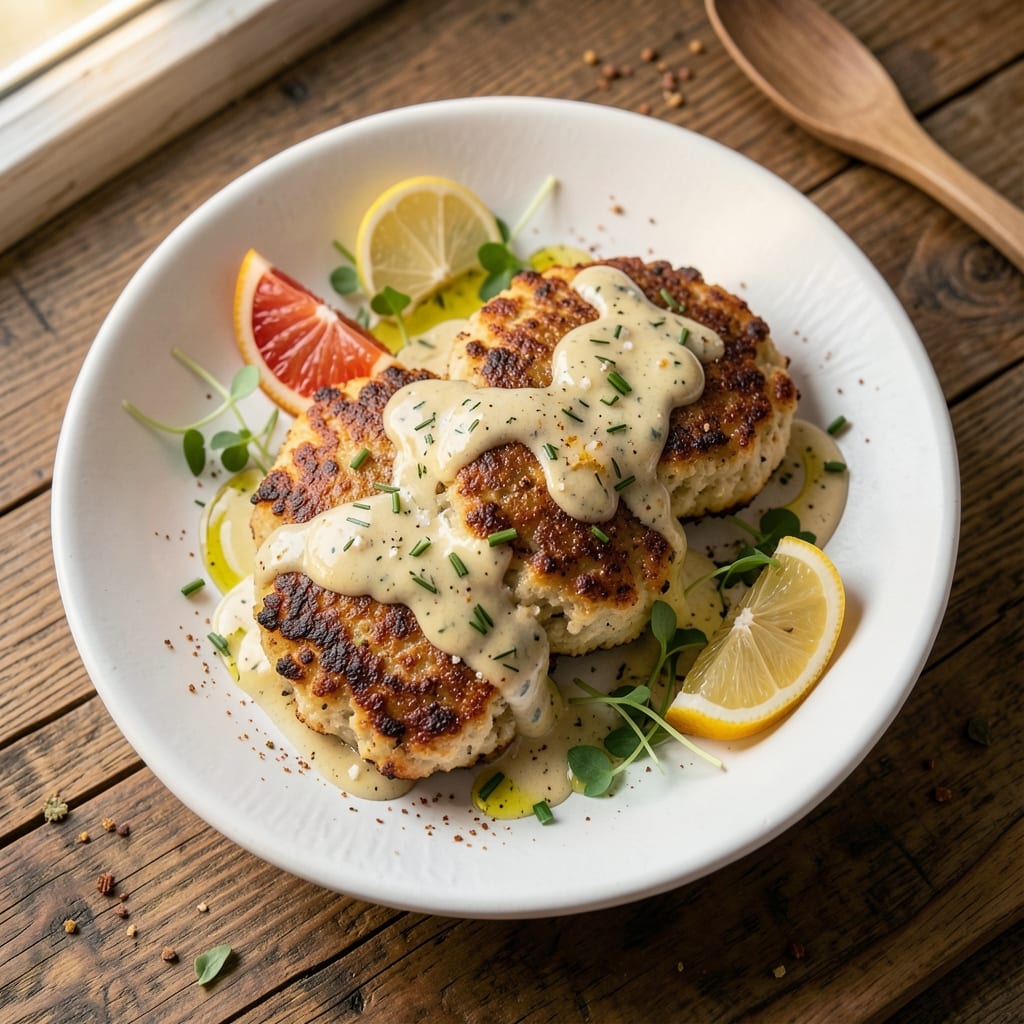
Angelina Jolie's crab cakes bring that signature Inamora restaurant magic to your kitchen with their perfectly golden crust and bright lemon tang. The secret lies in fresh, sweet crab meat bound with just enough breadcrumbs and Old Bay seasoning to create a crispy exterior that shatters at the first bite. I've refined this recipe over years to balance texture—crispy on the outside, tender and moist inside—while keeping the prep simple enough for weeknight dinners.
What sets these apart is the zesty lemon twist that cuts through the richness of the crab, a technique I picked up from watching Inamora's menu. The batter includes a touch of Dijon mustard for depth and a splash of beer (or sparkling water for non-alcoholic) to lighten the mix without sacrificing flavor. Pan-searing in butter and oil ensures that signature golden crust, while a quick broil at the end locks in moisture and adds extra crispiness. The result? Crab cakes that taste like they came from a high-end seafood spot, not your stovetop.
Serve them with a dollop of homemade remoulade or a bright lemon aioli for dipping, and pair with a simple arugula salad dressed in lemon vinaigrette. The contrast of crispy crab cakes against peppery greens makes this a complete meal that feels both elegant and approachable. Whether you're hosting a dinner party or treating yourself to a seafood night in, these crab cakes deliver restaurant-quality results with minimal fuss.
The beauty of this recipe is its flexibility—swap out traditional breadcrumbs for gluten-free options, use lump crab meat for extra texture, or air-fry for a lighter version. The method stays true to classic techniques while allowing room for your own twists. Ready to make crab cakes that impress? Let's get started with the foolproof steps that'll have everyone asking for seconds.
Ingredients for angelina's crab cake
Sweet crab meat, crispy breadcrumbs, and a zesty lemon twist—here's what you need for restaurant-worthy crab cakes at home.
| Ingredient | Amount | Notes |
|---|---|---|
| Fresh Lump Crab Meat 🦀 | 1 ½ lb | Sweet, fresh crab meat preferred |
| Panko Breadcrumbs 🍞 | ½ cup | Light and crispy for texture |
| All-Purpose Flour 🌾 | ¼ cup | For binding the mixture |
| Dijon Mustard 🍯 | 1 tbsp | Adds depth to flavor profile |
| Fresh Lemon Juice 🍋 | 2 tbsp | Brightens the crab flavor |
| Light Beer 🍺 | ¼ cup | For moisture and crispiness |
| Sparkling Water 💧 | ¼ cup | Non-alcoholic alternative |
| Old Bay Seasoning 🌶️ | 1 ½ tbsp | Signature crab cake flavor |
| Unsalted Butter 🧈 | 2 tbsp | For pan-searing the cakes |
| Vegetable Oil 🫒 | ¼ cup | For crispy exterior |
| Large Egg 🥚 | 1 whole | Binds ingredients together |
| Fresh Chives 🌿 | 2 tbsp | Chopped for garnish |
| Salt 🧂 | ½ tsp | Enhances seasoning |
| Black Pepper 🌶️ | ¼ tsp | Freshly ground preferred |
The crab meat is everything—fresh lump crab from a trusted seafood market makes all the difference. Weber's or Whole Foods usually carry high-quality sweet crab meat, and it's worth splurging on. If you can't find lump crab, backfin works too, but it'll be slightly less tender. Look for meat that's bright white or pale pink, not gray or slimy. The Old Bay seasoning? Penzeys brand is my go-to—it's got the perfect balance of spices. For the beer, light lagers or pilsners work best, but any pale beer with minimal flavor will do. If you're avoiding alcohol, sparkling water with a squeeze of lemon mimics the lightness perfectly.
No Old Bay? Mix 1 tsp paprika, 1/2 tsp celery salt, 1/2 tsp garlic powder, 1/4 tsp black pepper, and 1/4 tsp thyme for a DIY version. Can't find lump crab? Use imitation crab with a splash of lemon juice—it'll be cheaper but still delicious. Out of beer? Chicken or vegetable broth works in a pinch, though it'll be slightly heavier. The Dijon mustard is non-negotiable—it adds that tangy depth that makes these crab cakes stand out. If you're gluten-free, swap panko for gluten-free breadcrumbs—just make sure they're finely ground for the best texture.
Crab cakes keep best in the fridge for 2 days if you make them ahead, though they're best enjoyed fresh. For longer storage, freeze them on a tray first to prevent sticking, then transfer to a bag for up to 3 months. To reheat, pop them in a 350°F oven for 10 minutes—they'll be crispy again in no time. The remoulade or lemon aioli you serve with them? Make a double batch—they disappear fast.
Why You'll Love This Recipe
- Same recipe, different vibes: toss them on toast for a lazy Sunday brunch or arrange on a platter for guests. (Yes, even on a Tuesday night.) The lemon juice keeps them fresh-tasting longer than store-bought versions.
- Five-Ingredient Magic: I swear, the pantry staples here do all the heavy lifting—just fold in the crab, squeeze lemon, and boom. No chopping, no fuss, and no last-minute grocery runs for obscure spices.
- Crispy-Creamy Balance: That panko crust gets golden and shatteringly crisp while the Dijon mustard keeps the inside tender and bright. Honestly, the contrast is what makes these irresistible—like a hug from the sea.
- Weeknight to Dinner Party: Same recipe, different vibes: toss them on toast for a lazy Sunday brunch or arrange on a platter for guests. (Yes, even on a Tuesday night.) The lemon juice keeps them fresh-tasting longer than store-bought versions.
Step-by-step instructions for Angelina Jolie's crab cakes
Golden crusts and zesty lemon flavors await—let's build these perfect crab cakes together.
Prepare the Crab Mixture
In a large mixing bowl, gently combine the 1.5 lb fresh lump crab meat with the 2 tbsp fresh lemon juice. The crab should be broken into small, even chunks—no need to overwork it, just enough to create a uniform texture. This lemon juice brightens the flavor and helps tenderize the crab slightly.
Add the 1 tbsp Dijon mustard, 1.5 tbsp Old Bay seasoning, and 0.5 tsp salt to the bowl. Stir gently with a rubber spatula, making sure the seasoning distributes evenly throughout the crab. The Old Bay gives that signature coastal flavor, while the Dijon adds depth that complements the sweetness of the crab perfectly.
In a separate small bowl, whisk together the 1 whole large egg, 0.5 cup panko breadcrumbs, and 0.25 cup all-purpose flour. This pre-mix ensures the breadcrumbs and flour are evenly distributed when combined with the crab. The panko will create that coveted crispy exterior we're after.
Combine Wet and Dry Ingredients
Pour the light beer and sparkling water into the bowl with the crab mixture. The beer adds moisture and subtle flavor, while the sparkling water creates a tender yet crisp texture. Use 0.25 cup light beer and 0.25 cup sparkling water—this combination prevents the cakes from becoming too dense.
Gradually fold in the pre-mixed egg, panko, and flour combination. Be careful not to overmix—just combine until everything is evenly distributed. The mixture should hold together when pressed gently but still feel moist. If it feels too dry, add 1 teaspoon sparkling water at a time until it reaches the perfect consistency.
Cover the bowl with plastic wrap and refrigerate for at least 30 minutes. This chilling step is crucial—it allows the flavors to meld and the mixture to firm up slightly, making it easier to handle when forming the cakes. I like to press the mixture gently during this time to ensure even distribution of ingredients.
Form and Chill the Crab Cakes
Line a baking sheet with parchment paper and lightly grease it with vegetable oil. Using your hands, form the chilled crab mixture into 4 equal patties, about ½-inch thick each. Press gently but firmly—this ensures they'll hold their shape during cooking and develop a nice crust.
Place the formed crab cakes on the prepared baking sheet and return them to the refrigerator for another 15-20 minutes. This extra chilling step is what gives these crab cakes their signature texture. The cold temperature helps the cakes maintain their shape while cooking, preventing them from spreading or falling apart.
Pan-Sear to Golden Perfection
Heat 2 tbsp unsalted butter and 0.25 cup vegetable oil in a large skillet over medium heat. You want the butter to melt and the oil to shimmer—this creates the perfect environment for a crispy crust. Let the mixture heat through for 2-3 minutes until it reaches 350°F.
Carefully place the chilled crab cakes in the skillet, being gentle to avoid breaking them. Cook for 3-4 minutes per side until they develop a deep golden brown crust. The edges should look crispy and slightly caramelized, while the centers should still feel slightly cool to the touch when you press them gently.
During the last minute of cooking, sprinkle 0.25 tsp black pepper evenly over the top of each crab cake. The pepper adds a subtle heat that balances the sweetness of the crab and brightens the lemon flavor. Remove the crab cakes from the skillet and transfer them to a paper towel-lined plate to drain any excess oil.
Garnish and Serve Immediately
While the crab cakes are still warm, garnish each one with 2 tbsp chopped fresh chives. The chives add a fresh, herbal note that complements the rich flavors of the crab and beer. Serve immediately while the crust is crispy and the centers are still tender.
For the best experience, serve these crab cakes with a side of lemon aioli or a simple tartar sauce. The contrast of the cool, tangy sauce with the warm, crispy crab cakes makes every bite unforgettable. Enjoy while they're hot—these won't wait!
Pro Tips For Making Angelina'S Crab Cake
- Drain the crab twice: I learned this the hard way—once-drained lump crab still holds enough moisture to make your crab cakes soggy. After draining it the first time, give it a quick spin in a fine-mesh sieve or colander and let it air-dry for 5 minutes on a wire rack. This keeps the texture light and crisp, not gluey.
- Toast the panko low and slow: Skip the high-heat blast in the pan—it burns before it crisps. Instead, spread panko on a baking sheet at 300°F (150°C) for 5-7 minutes, stirring once. You want golden, not browned. This adds crunch without bitterness, and it won’t turn to paste when mixed with crab.
- Chill the mixture longer than you think: I used to rush this, but Angelina’s recipe relies on the Dijon and lemon cutting through the richness. After mixing, cover the crab cake batter and refrigerate for at least 30 minutes—better yet, an hour. This lets flavors meld and prevents the cakes from falling apart when frying.
- Use a mix of wet and dry heat: Fry the crab cakes in about ¼-inch of oil at 350°F (175°C) until golden—then finish them under a broiler for 1-2 minutes. The broiler crisps the top without steaming the interior, giving you that perfect crust while keeping the crab tender. Watch closely, though—broilers are sneaky.
Regional styles of this recipe
Coastal Maryland Style
Inspired by Maryland's famous crab cakes, this version keeps the Old Bay seasoning front and center but adds a touch of 1 tbsp finely chopped celery and 1 tsp Worcestershire sauce to the batter. Maryland chefs often use light beer (like Miller Lite) and panko breadcrumbs for that signature crispy crust. Serve with a side of remoulade sauce—a creamy, tangy mix of mayo, Dijon mustard, capers, and hot sauce. This style is all about bold flavors and a perfect balance of sweet crab and zesty seasoning. 🦀
New England Crispy
New Englanders take their crab cakes seriously, focusing on an extra-crispy exterior. For this version, increase the panko to ¾ cup and add 1 tbsp cornstarch to the batter for extra crunch. Use cold butter in the pan and cook over medium-low heat to prevent burning while ensuring a golden crust. Top with lemon zest and a sprinkle of paprika for a smoky finish. Pair with a white wine butter sauce—melt 2 tbsp butter, deglaze with 2 tbsp dry white wine, and finish with a squeeze of lemon. 🍋
Southern Louisiana Spicy
For a Cajun twist, add 1 tbsp Creole seasoning (or ½ tsp cayenne + ½ tsp smoked paprika) to the batter and serve with a spicy remoulade—mix mayo with 1 tbsp hot sauce, 1 tsp Cajun seasoning, and 1 tsp lemon juice. Louisiana-style crab cakes often use cornmeal instead of breadcrumbs for a grittier texture, so swap ¼ cup cornmeal for ¼ cup of the panko in the recipe. The heat from the cayenne balances the sweetness of the crab beautifully. 🌶️
Pacific Northwest Light
West Coast chefs prefer a lighter, fresher take on crab cakes. Use sparkling water instead of beer and add 1 tbsp finely chopped fresh dill and 1 tsp grated lemon zest to the batter. For the crust, mix ¼ cup crushed cornflakes with the panko for a lighter, airier texture. Serve with a dill aioli—whisk ¼ cup mayo, 1 tbsp Greek yogurt, 1 tbsp chopped dill, and 1 tsp lemon juice. This version highlights the natural sweetness of the crab without overpowering it. 🌿
Gluten-Free Adaptation
For a gluten-free twist, replace the panko and flour with ½ cup gluten-free breadcrumbs and 2 tbsp gluten-free flour blend. Add 1 tbsp ground flaxseed to the batter for extra binding. Use sparkling water instead of beer to keep the texture light. The key is to avoid overmixing—gluten-free batters can get gummy if worked too much. These cakes still deliver that crispy crust when pan-seared in butter and oil. 💛
Nutrition facts
Frequently asked questions
Can I use imitation crab instead of fresh lump crab?
The recipe calls for fresh lump crab because it delivers the best texture and flavor, but you can use imitation crab in a pinch. Just add an extra 1 tbsp lemon juice to the mixture to compensate for the lack of natural sweetness. For a better texture, fold in 1 tbsp finely chopped celery to mimic the fresh crab's body.
Why do my crab cakes fall apart when cooking? Overmixing the batter or skipping the chilling steps are the most common causes.
Can I make these crab cakes ahead of time?
Form the cakes and refrigerate them uncovered on a tray for up to 24 hours to dry out slightly—this helps them crisp up better when cooking. For longer storage, freeze the shaped cakes on a tray first, then transfer to a bag for up to 3 months. Thaw in the fridge overnight before cooking.
What's the best way to reheat leftover crab cakes?
To restore that crispy texture, place the crab cakes on a baking sheet and broil for 2-3 minutes at 450°F, watching closely to avoid burning. For a gentler approach, warm them in a skillet over medium heat for 1-2 minutes per side with a pat of butter.
How do I make these gluten-free?
Replace the panko and flour with ½ cup gluten-free breadcrumbs and 2 tbsp gluten-free flour blend. Add 1 tbsp ground flaxseed mixed with 3 tbsp water to the batter for extra binding. Use sparkling water instead of beer to keep the texture light and crispy.