
Desserts
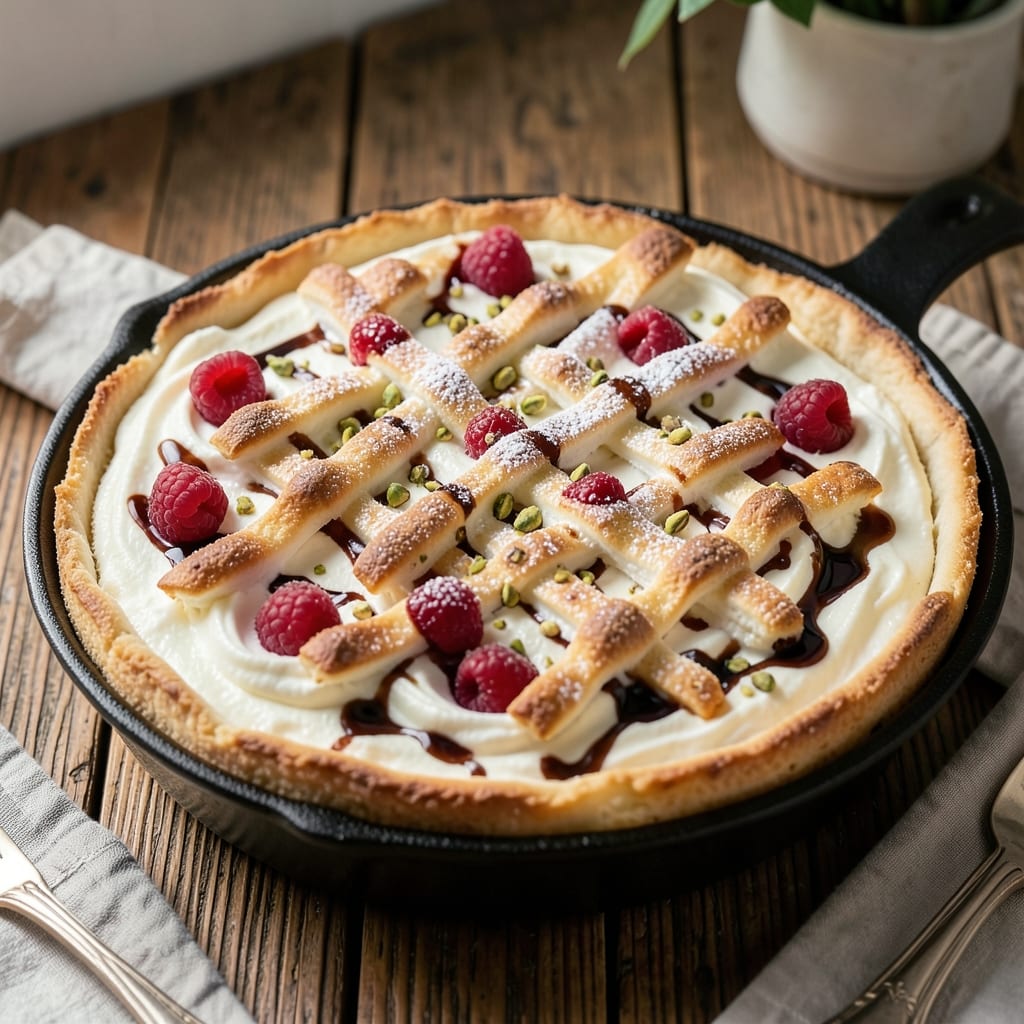
This baked cottage cheese cheesecake delivers a light, airy texture without that familiar sourness, using a clever technique that transforms humble cottage cheese into velvety perfection. 💛 The secret lies in blending it with cream cheese and eggs, then baking in a water bath to prevent cracking while creating that signature tender crumb. I developed this recipe after years of experimenting with different cheese ratios—this version finally nailed the balance between richness and lightness that makes it irresistible.
What sets this recipe apart is how the cottage cheese contributes moisture and structure without overpowering the flavor. When combined with the right amount of cream cheese, the result is a cheesecake with a smooth, jiggly center and a subtle tang that's far more delicate than traditional versions. The water bath baking method ensures even cooking, while a simple graham cracker crust adds just enough crunch to complement the silky filling.
By the time it emerges from the oven, you'll have a cheesecake that's rich yet light, with a golden crust and a center that's just set enough to hold its shape when sliced. The texture is what makes this recipe special—no dense heaviness, just a tender, almost mousse-like consistency that melts in your mouth. It's the kind of dessert that feels indulgent yet still satisfies even when you're watching portions.
Serve it chilled with a drizzle of berry compote, a sprinkle of toasted nuts, or a dusting of powdered sugar for a touch of elegance. This recipe scales perfectly for gatherings or keeps beautifully for leftovers, making it ideal for any occasion where you want to impress without spending hours in the kitchen. Let's get started!
Ingredients for baked cheesecake recipe with cottage cheese
Eight essential ingredients transform cottage cheese into velvety, crack-free perfection.
| Ingredient | Amount | Notes |
|---|---|---|
| Full-Fat Cottage Cheese 🧀 | 24 oz | 2% fat or higher for creaminess |
| Cream Cheese 🧀 | 16 oz | Room temperature for blending |
| Large Eggs 🥚 | 4 whole | Room temperature, separated |
| Granulated Sugar 🍚 | 1 ½ cups | White or raw cane sugar |
| All-Purpose Flour 🌾 | ½ cup | Sifted for smooth batter |
| Vanilla Extract 🌿 | 2 tsp | Pure, high-quality extract |
| Lemon Juice 🍋 | 1 tbsp | Freshly squeezed |
| Graham Cracker Crumbs 🍪 | 1 ½ cups | Finely ground, no large pieces |
| Unsalted Butter 🧈 | ½ cup | Melted for crust binding |
| Powdered Sugar 🍚 | ¼ cup | For dusting finished cake |
| Salt 🧂 | ½ tsp | Fine sea salt |
| Heavy Whipping Cream 🥛 | ½ cup | Optional for topping |
The cheese ratio is everything here. Full-fat cottage cheese (2% or higher) provides the signature moisture without sourness, while cream cheese adds richness. I always use Philadelphia brand for consistency—it blends smoother than store brands. For the eggs, room temperature is critical; cold eggs create air pockets that can cause cracks. The vanilla extract should be pure, not imitation—McCormick or Nielsen-Massey are my go-tos. If you're concerned about sourness, lemon juice helps balance the flavor while keeping the texture tender. The graham cracker crumbs? Honey Maid or Keebler work best—they're finely ground and don't turn to paste when mixed with butter.
No full-fat cottage cheese? Low-fat works but may yield slightly denser texture. Swap cream cheese for ricotta (use 1:1 ratio) if needed, though the flavor will differ slightly. Gluten-free flour can replace all-purpose at a 1:1 ratio if required. For the crust, melted butter is non-negotiable—it creates a cohesive base. Short on graham crackers? Crush digestive biscuits or butter cookies instead. The powdered sugar topping is optional but adds that bakery-fresh finish. Pro tip: Separate the eggs—folding in whites at the end keeps the center light and jiggly.
This cheesecake keeps beautifully. Store covered at room temperature for up to 3 days, or refrigerate for 5-6 days. For longer storage, wrap tightly in plastic wrap and freeze for up to 3 months. The texture improves after chilling, so make it a day ahead if possible. Serve at room temperature for the best experience—it's worth the wait. Portion into individual slices for easy serving, or keep whole for gatherings. The whipping cream topping, if used, should be whipped just before serving to maintain stability.
Why You'll Love This Recipe
- No Mixer Needed: I swear by this recipe—just blend the cottage cheese and cream cheese until smooth, no standing over a mixer. The eggs and sugar blend right in with a few stirs, and the flour keeps it sturdy without cracking. Honestly, it’s the kind of dessert that makes me feel like I did something impressive, even though it’s basically hands-off.
- Tangy-Creamy Magic: That cottage cheese isn’t just filler—it adds this bright, almost buttery tang that cuts through the sweetness. Pair it with the rich cream cheese, and you get a texture that’s silky but still holds shape. I’ll be real: my first bite always makes me think, “Wait, this is the same recipe?” because it’s that good.
- Weeknight Dessert Hero: Slice it warm for a quick after-dinner treat, or let it cool for a make-ahead slice-and-go breakfast. (Yes, really.) It’s my go-to for potlucks because it travels well, and no one ever guesses it’s cottage cheese—until I tell them. Between us, it’s my secret weapon for looking like a baking pro.
- Budget-Friendly Luxury: Cottage cheese and cream cheese stretch further than you’d think, and this recipe uses just enough flour to keep it rich, not dense. I make two at a time—one for guests, one for leftovers—and they disappear faster than my willpower on a sugar crash. Not the prettiest, but the taste makes up for it every time.
Step-by-step instructions for baked cheesecake with cottage cheese
Here's the method to achieve a silky, light cheesecake without that cottage cheese tang.
👨🍳 Step 1: Prepare the Crust and Blend the Filling
Preheat your oven to 325°F and grease a 9-inch springform pan thoroughly. In a bowl, mix the 1.5 cups graham cracker crumbs with the 0.5 cup melted unsalted butter until evenly combined. Press this mixture firmly into the bottom of your prepared pan to create an even crust. Bake the crust for 10 minutes—this ensures it's set before adding the filling.
While the crust bakes, blend the 24 oz full-fat cottage cheese and 16 oz cream cheese together in a food processor until completely smooth. This step eliminates any lumps and creates that signature silky texture. In a separate bowl, whisk together the 4 whole large eggs, 1.5 cups granulated sugar, 0.5 cup all-purpose flour, 2 tsp vanilla extract, 1 tbsp lemon juice, and 0.5 tsp salt until fully combined. Slowly pour the wet mixture into the cheese blend, mixing on low speed just until incorporated.
🍳 Step 2: Assemble and Bake the Cheesecake
Remove the crust from the oven and carefully pour the cheesecake batter over it. Tap the pan gently on the counter to release any air bubbles that may have formed. Place the pan in a larger roasting pan and add 1 inch of hot water to create a water bath. This method ensures even baking and prevents cracking.
Bake at 325°F for 50-60 minutes until the edges are set but the center still jiggles slightly when shaken. The cheesecake should pull away from the sides of the pan but remain slightly soft in the center—this is normal and ensures a creamy texture. Avoid opening the oven door during baking to prevent temperature fluctuations that could cause cracks.
⏰ Step 3: Cool and Finish the Cheesecake
Turn off the oven, crack the door open, and let the cheesecake cool inside for 1 hour. This gradual cooling process helps prevent cracking. Once cooled, remove the cheesecake from the water bath and let it cool completely at room temperature for 2 more hours. Refrigerate for at least 4 hours or overnight to set fully.
Before serving, dust the top with 0.25 cup powdered sugar and whip the 0.5 cup heavy whipping cream to soft peaks. Spread the cream over the cheesecake for a light, elegant finish. The texture should be smooth and airy, with no trace of that cottage cheese tang—just rich, creamy perfection.
Pro Tips For Making Baked Cheesecake Recipe With Cottage Cheese
- Drain Cottage Cheese First: I learned this the hard way—skipping the 10-minute drain in a fine-mesh strainer leaves excess whey, and your cheesecake will turn out watery no matter how much flour you add. Trust me, the extra 10 minutes now saves you from a gummy disaster later.
- Mix Cream Cheese Slowly: Start with room-temperature cream cheese, but don’t dump all the sugar at once. Beat in thirds while scraping the bowl—this keeps air incorporated and prevents lumps. I used to rush this, and my cheesecakes always came out dense.
- Bake Low and Slow: Forget the 350°F recipe if your oven runs hot. Drop to 325°F and bake for 50–60 minutes instead of 45. The center should jiggle slightly when done—overbaking turns cottage cheese cheesecake dry and crumbly.
- Use a Water Bath: Line your springform pan with parchment, then place it in a larger pan filled with 1 inch of hot water. The steam keeps the crust from overcooking and the center from cracking. Yes, it’s an extra step, but your cheesecake will thank you.
Regional styles of this recipe
Southern Comfort Style
In the Deep South, cottage cheese cheesecakes often incorporate peach or blackberry preserves into the crust for a fruity twist. Press ½ cup preserves mixed with the graham cracker crumbs before baking—this adds a subtle jammy flavor that pairs beautifully with the creamy filling. Top with fresh peaches or a berry compote for a true Southern dessert experience. 🍑
Midwest Homestyle Twist
The Midwest version often includes a lemon curd swirl in the batter for brightness. After blending the cheeses, fold in ½ cup lemon curd (homemade or store-bought) for a zesty contrast. A crumbled gingersnap crust replaces graham crackers, giving it a cozy, nostalgic feel. This version is perfect for potlucks and family gatherings.
Northeast Classic
Up north, the focus is on spiced crusts and maple-glazed toppings. Mix 1 tsp cinnamon and ½ tsp nutmeg into the graham cracker crumbs for warmth. After baking, drizzle with warm maple syrup and sprinkle with pecans for a New England-inspired dessert. The spices balance the richness beautifully.
West Coast Modern
California chefs often experiment with savory-sweet crusts like crushed melba toast or almond flour. For a modern twist, blend ½ cup almond flour into the crust and top with dark chocolate ganache or caramelized figs. This version leans into lighter, more contemporary flavors while keeping the cottage cheese's creaminess intact. 🍫
European Adaptation
In Europe, cottage cheese cheesecakes might use digestive biscuits for the crust and incorporate vanilla bean paste instead of extract. A raspberry coulis or white chocolate shavings adds an elegant finish. The texture remains light, but the flavor profile leans toward sophistication—ideal for dinner parties or special occasions.
Nutrition facts
Frequently asked questions
Why does cottage cheese make this cheesecake lighter than traditional recipes?
The cottage cheese adds moisture and structure while reducing density. When blended with cream cheese, it creates a lighter texture because the curds break down into a smoother, airier consistency. The water bath baking method also helps maintain this lightness without cracking.
Can I make this cheesecake without a water bath?
While possible, a water bath is highly recommended to prevent cracking. If skipping it, bake at 300°F for 60-70 minutes and avoid opening the oven door. The center should still jiggle slightly when done. For best results, use the water bath method for foolproof success.
How do I prevent the cheesecake from cracking?
Cracking happens when the outside sets too quickly. To avoid it:
- Don't overbake (edges should be set but center jiggly),
- Cool gradually by turning off the oven and letting it sit inside for 1 hour with the door cracked, and
- Refrigerate fully before slicing. A hot water bath also helps distribute heat evenly.
Can I substitute cottage cheese with ricotta?
Yes, but expect slight texture differences. Use a 1:1 ratio of ricotta for cottage cheese, but add an extra 2 tbsp sour cream to improve moisture. Ricotta is less acidic, so the tang will be milder. For best results, stick with cottage cheese for that signature lightness.
How long does this cheesecake keep?
Store covered at room temperature for up to 3 days or refrigerate for 5-6 days. For longer storage, wrap tightly and freeze for 3 months. The texture improves after chilling, so making it a day ahead is ideal. Thaw overnight in the fridge before serving.