
Desserts
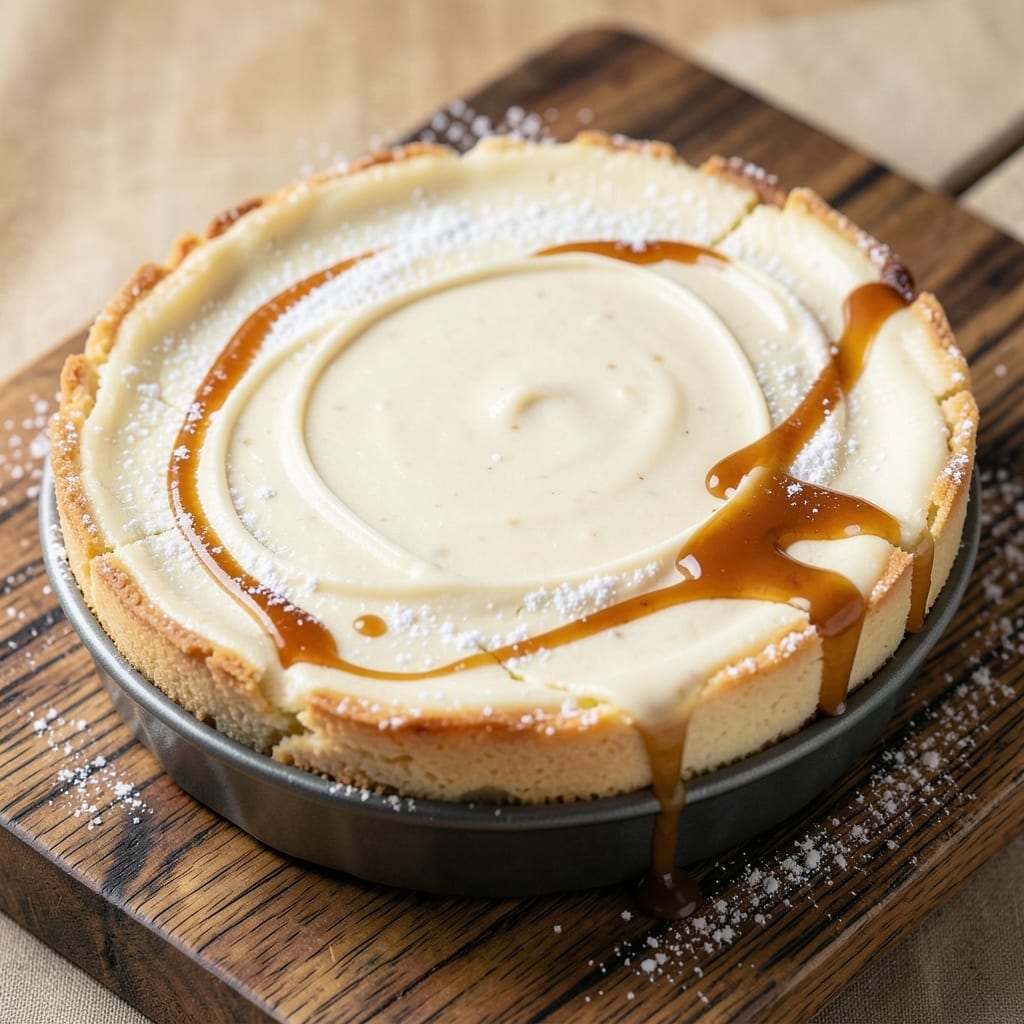
The baked cheesecake recipe with cream cheese delivers the perfect balance of creamy texture and a crack-free top—no jiggly center or dry crumbs in sight. This classic technique relies on a water bath for even baking and a precise batter temperature to prevent cracks, while the right cream cheese selection ensures that silky-smooth fill you crave. I’ve perfected this recipe over years of testing, and the secret lies in patience: letting the oven do the work while you wait for that golden, set exterior.
What sets this recipe apart is the foolproof method that combines room-temperature cream cheese with sugar and eggs for a velvety batter, then bakes it in a springform pan surrounded by hot water. This ensures gentle heat distribution, preventing sudden temperature shifts that cause cracks. The result? A dense, richly creamy cheesecake with a clean slice every time—no waiting for it to firm up at room temperature. Whether you’re a beginner or a seasoned baker, this recipe builds confidence with reliable results.
Once baked, the cheesecake cools gradually to set properly, giving you that silky, jiggle-free texture in every bite. Top it with a tangy berry compote, a dusting of powdered sugar, or a swirl of caramel for a restaurant-quality finish. The possibilities are endless, but the foundation—smooth, crack-free perfection—is guaranteed. Let’s get started on creating your dream cheesecake.
This recipe also includes tips for flavor variations, like adding vanilla bean or citrus zest to the batter, or experimenting with no-bake layers for a modern twist. The key is maintaining the right balance of creaminess and structure, and I’ll walk you through every step to ensure success. Ready to master the art of baked cheesecake?
Ingredients for baked cheesecake recipe cream cheese
Room-temperature cream cheese, precise measurements, and a water bath create silky perfection.
| Ingredient | Amount | Notes |
|---|---|---|
| Full-Fat Cream Cheese 🧀 | 32 oz | Room temperature, high-fat (40% or higher) |
| Granulated White Sugar 🍚 | 2 cups | Superfine preferred for silky texture |
| Large Eggs 🥚 | 4 whole | Room temperature, separated yolks/whites |
| All-Purpose Flour 🌾 | ¼ cup | Sifted, for structure |
| Vanilla Extract 🌿 | 2 tsp | Pure Madagascar bourbon preferred |
| Lemon Juice 🍋 | 2 tbsp | Freshly squeezed, for brightness |
| Unsalted Butter 🧈 | ½ cup | Melted, for water bath |
| Hot Water 💧 | 1 cup | For water bath |
| Diamond Crystal Kosher Salt 🧂 | ½ tsp | Fine grain for delicate seasoning |
| Ground Cinnamon 🌶️ | ¼ tsp | Optional, for subtle warmth |
| Powdered Sugar 🍚 | ½ cup | For dusting finished cake |
| Heavy Whipping Cream 🥛 | ½ cup | Optional, for whipped topping |
The cream cheese selection is non-negotiable—Philadelphia Original or Neufchâtel with 40%+ fat content delivers that signature velvety texture. Room temperature is critical: spread the blocks on a plate and let them sit for 2 hours before mixing. For the sugar, superfine dissolves more smoothly, but pulse regular granulated in a food processor if needed. Eggs should be at room temperature too—cold yolks can cause curdling. The springform pan is essential; grease it thoroughly with melted butter and line the bottom with parchment for easy release. Pro tip: use a 9-inch pan for a taller slice, or an 8-inch for a wider base.
No vanilla extract? Vanilla bean paste works beautifully, or scrape seeds from a split pod. For the butter, European-style has higher fat content and better flavor. Substituting cream cheese? Mascarpone at half the amount adds richness, but texture will differ. The water bath prevents cracks, so don't skip it—fill a deep baking dish with hot water and place your springform pan inside. For a tangy twist, add 1 tablespoon of lemon zest to the batter. And if you're worried about cracks, brush the top with a thin layer of apricot jam before baking—it creates a protective barrier.
This cheesecake tastes even better the next day as flavors meld. Store it in the fridge for up to 5 days, covered tightly with plastic wrap. For longer storage, wrap individual slices in parchment and freeze for 3 months. When reheating, cover with foil and warm at 300°F for 10 minutes to maintain moisture. The powdered sugar topping should be added just before serving—it prevents sogginess. For a restaurant-quality finish, whip the heavy cream with a touch of powdered sugar and pipe rosettes on top. And remember: patience is key—let it cool gradually in the oven with the door ajar for 1 hour after baking.
Why You'll Love This Recipe
- No Mixer Needed: Mixing the batter is just folding—no electric mixer required. I beat the cream cheese and sugar with a wooden spoon until smooth, then gently fold in eggs and flour. It’s the kind of recipe that lets you multitask: stir, chat, or even watch TV while it comes together.
- That Creamy Crunch: The secret’s in the crustless texture—full-fat cream cheese gives it that velvety richness, while the eggs and sugar create that perfect, slightly caramelized top. Honestly, the first time I cut into it, I nearly burned my tongue from how good it was. (Yes, even on a Tuesday night.)
- Leftovers That Last: This cheesecake keeps beautifully for days, if it lasts that long. I’ve had slices for breakfast with fruit, as a snack with coffee, or even reheated for dessert. The flour stabilizes it just enough to slice neatly, so you’re not stuck with crumbly leftovers.
- Budget-Friendly Luxury: You’d never guess how affordable this is—just five simple ingredients, no specialty items. Between us, I’ve made this for potlucks, birthdays, and just because I wanted something sweet without breaking the bank. It’s the kind of dessert that feels fancy but won’t drain your wallet.
Step-by-step instructions for baked cheesecake with cream cheese
Here's the method for a flawless cheesecake with a silky center and crack-free top.
Prepare the Water Bath and Preheat the Oven
Place a large baking dish on a rimmed baking sheet. Pour the 1 cup hot water into the baking dish, then set a 9-inch springform pan inside. Preheat your oven to 325°F—this low temperature ensures gentle baking that prevents cracks while allowing the center to set properly.
I always use a water bath for cheesecakes because it creates a steam environment that cooks the cake evenly. The water should be hot but not boiling when you pour it in—just enough to create steam without shocking the pan. Place the springform pan inside the baking dish so it sits securely without touching the sides.
Cream the Full-Fat Cream Cheese and Sugar
In a stand mixer fitted with the paddle attachment, beat the 32 oz full-fat cream cheese on medium speed until completely smooth—about 3-4 minutes. Add the 2 cups granulated white sugar and beat for another 3-4 minutes until the mixture is light, fluffy, and pale in color. This step is critical for incorporating air, which creates that signature silky texture.
I press down on the paddle occasionally to ensure the cream cheese doesn't clump. If you see any lumps, stop and scrape down the sides before continuing. The mixture should nearly triple in volume and have a ribbon-like consistency when you lift the paddle.
Add Eggs, Flour, and Flavorings
Add the 4 whole large eggs, 1 at a time, mixing on low speed after each addition until fully incorporated. Scrape down the sides of the bowl to ensure even mixing. Add the 0.25 cup all-purpose flour, 0.5 tsp diamond crystal kosher salt, 0.25 tsp ground cinnamon, 2 tsp vanilla extract, and 2 tbsp lemon juice. Mix on low speed for 1-2 minutes until just combined—overmixing develops gluten and can make the cheesecake dense.
The lemon juice brightens the flavor while the cinnamon adds subtle warmth. I always taste the batter at this stage to ensure the balance of sweetness and acidity. If it tastes too sweet, you can add a pinch more salt, but don't adjust the sugar—it's essential for structure.
Bake the Cheesecake in the Water Bath
Pour the batter into the prepared springform pan and smooth the top with a spatula. Place the pan into the baking dish with the hot water. Bake for 60-75 minutes until the edges are set and the center still jiggles slightly when shaken—it should have a gentle wobble, not a firm shake.
Here's the thing—don't open the oven during baking. The temperature drop causes the cheesecake to sink or develop cracks. If the top browns too quickly, loosely tent it with aluminum foil after 45 minutes. The internal temperature should reach 150-155°F when done.
Cool and Finish the Cheesecake
Remove the cheesecake from the water bath and let it cool in the pan for 1 hour at room temperature. Then, refrigerate it uncovered for 4-6 hours or overnight. This slow cooling prevents condensation from forming on the surface, which can cause cracks.
Once fully cooled, run a knife around the edge of the pan to loosen it. Dust the top with 0.5 cup powdered sugar and whip the 0.5 cup heavy whipping cream to soft peaks. Spread the cream over the cheesecake and dust with additional powdered sugar if desired. Serve chilled for the perfect texture—creamy, smooth, and crack-free.
Pro Tips For Making Baked Cheesecake Recipe Cream Cheese
- Scrape the Bowl: Cream cheese is stubborn—after mixing, use a rubber spatula to scrape every last bit off the sides and bottom of the bowl. I learned this the hard way when my first cheesecake had weird lumps; those bits hide in plain sight but ruin texture. Take the extra 30 seconds now to save yourself from a crumbly mess later.
- Room-Temp Everything: Pull the cream cheese and eggs out of the fridge at least 2 hours before baking—cold ingredients shock the batter and cause cracks. I used to skip this and end up with a cheesecake that looked like a geological fault line. Trust me, your future self will notice the difference in a smooth, creamy finish.
- Sift the Flour Twice: Flour clumps are the silent saboteurs of baked cheesecake. Sift it directly into the bowl before mixing, then sift again after adding sugar—this prevents dense pockets and ensures even distribution. Yes, it’s extra work, but it’s the thing that matters most for that light, tender crumb.
- Water Bath Non-Negotiable: No shortcuts here—wrap your springform pan in foil before placing it in the water bath, and fill the pan with hot water (not boiling). I once skipped the foil and ended up with a soggy bottom; the hot water keeps the center cooking steadily while the outer edges crisp. Don’t skip this step—your crust will thank you.
Perfect pairings for this baked cheesecake recipe cream cheese
Fruit Compote Toppings
Fresh berries shine brightest on this cheesecake. I love a strawberry-rhubarb compote made by simmering 1 cup chopped strawberries, ½ cup chopped rhubarb, 2 tbsp sugar, and 1 tsp lemon juice for 10 minutes until thickened. For a tropical twist, try mango-passionfruit—blend 1 cup diced mango with 2 tbsp passionfruit pulp and a pinch of salt. Let it cool before spooning over the chilled cheesecake. 🍓
Chocolate Drizzles
Dark chocolate adds sophisticated richness. Melt 6 oz 70% dark chocolate with 2 tbsp heavy cream over a double boiler, then drizzle in zigzags over the cheesecake. For a salted caramel variation, warm ½ cup caramel sauce with ¼ tsp flaky sea salt and spoon dollops around the edges. Let it set for 15 minutes before slicing. 🍫
Whipped Cream Variations
Skip store-bought and make vanilla bean whipped cream by whipping 1 cup heavy cream with 1 tbsp powdered sugar and ½ tsp vanilla bean paste to soft peaks. For a coffee twist, add 1 tsp instant espresso powder to the sugar before whipping. Pipe rosettes or spread generously—just avoid overmixing or it'll turn grainy. ✨
Crunchy Textures
Toasted nuts or cookies add delightful contrast. Pulse ½ cup walnuts in a food processor until coarsely chopped, then toast in a dry pan for 3 minutes until golden. For a cookie crumble, blend 1 cup graham cracker crumbs with 2 tbsp melted butter and press into the bottom of the pan before adding batter. Sprinkle over the finished cheesecake for texture. 🌰
Boozy Elevations
Infuse the batter with 1 tbsp Grand Marnier or 2 tbsp bourbon for depth. For a grown-up topping, reduce ½ cup cranberry juice with 1 tbsp honey until syrupy, then drizzle over slices. A splash of orange liqueur in the whipped cream adds citrus brightness. Always use quality spirits—cheap liquor can overpower the delicate flavors. 🥃
Seasonal Garnishes
Spring calls for edible flowers like violets or nasturtiums, while summer begs for grilled pineapple slices. In fall, a sprinkle of cinnamon-sugar or candied pecans complements the spice notes. Winter? Try white chocolate shavings and a dusting of cardamom. These garnishes elevate presentation without overwhelming the cheesecake's creamy base. 🌸
Nutrition facts
Frequently asked questions
Why does my cheesecake crack even with a water bath?
Cracks often happen from sudden temperature changes or overmixing. Always let your oven preheat fully before baking, and avoid opening the oven door during the first 50 minutes. If cracks appear, brush the top with apricot jam before baking—it creates a protective barrier. Also, make sure your cream cheese is at room temperature and mix just until combined.
Can I substitute cream cheese with something else for this recipe?
For the best texture, stick with full-fat cream cheese (like Philadelphia Original), but you can blend half cream cheese with half mascarpone for extra richness. Avoid low-fat versions—they lack the fat needed for that signature creamy texture. If you're out of cream cheese, ricotta mixed with butter works in a pinch, though the flavor will differ slightly.
How do I know when my cheesecake is fully cooled before slicing?
Your cheesecake is ready when the center is completely set but still slightly jiggly (like Jell-O) and the edges pull away from the pan. Let it cool in the pan for 1 hour at room temperature, then refrigerate uncovered for 4-6 hours. If you slice too soon, the filling may be too soft. For a foolproof test, run a knife around the edge—if it comes out clean, it's ready!
What’s the best way to store leftover cheesecake?
Wrap individual slices tightly in plastic wrap, then store in an airtight container in the fridge for up to 5 days. For longer storage, freeze slices (wrapped in parchment + plastic) for 3 months. To reheat, cover with foil and warm at 300°F for 10 minutes. Avoid storing at room temperature—it encourages mold growth.
Can I make this cheesecake in a different-sized pan?
Yes! For a 9-inch pan, bake for 60-75 minutes; for an 8-inch pan, reduce to 50-60 minutes. Adjust baking time based on your oven—always check for a gentle wobble in the center. If using a non-springform pan, grease it thoroughly and line the bottom with parchment to prevent sticking. The water bath method works for any size, but monitor closely.