
Desserts
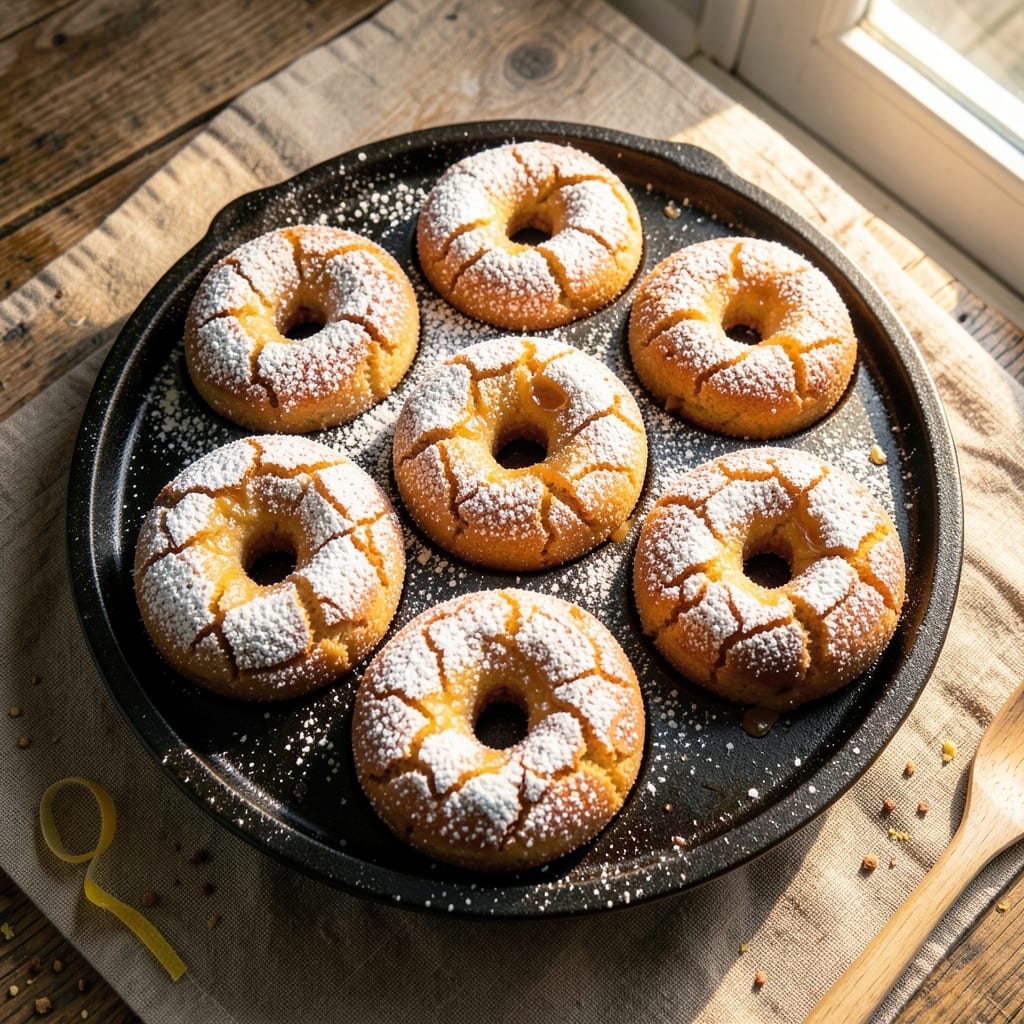
This baked cake donut recipe transforms your kitchen into a bakery with just one donut pan—no deep-frying required. The secret lies in a tender, cake-like batter that rises into perfectly golden grids with crisp edges and a soft center, all while keeping the classic donut shape. I've perfected this method after years of testing, ensuring every batch delivers that fresh-from-the-oven appeal without the mess.
The beauty of this recipe is its simplicity: five key ingredients (flour, sugar, eggs, milk, and yeast) create a batter so forgiving that even beginners achieve bakery-quality results. The donut pan ensures even baking, with each donut forming those iconic ridges that hold glaze beautifully. Bake at 350°F for 12-15 minutes, and you'll have donuts that stay fresh for days—ideal for breakfast, dessert, or gifting.
What makes these donuts truly special is their versatility. Enjoy them plain with a dusting of powdered sugar, or go all out with a glossy glaze, drizzled chocolate, or sprinkled nuts. The cake-like texture holds up perfectly, making them sturdy enough for stacking yet tender enough to melt in your mouth. This recipe is your ticket to donuts that taste homemade without the fuss.
Whether you're hosting a brunch or craving a sweet treat, these golden grids deliver every time. The process is streamlined, the results are foolproof, and the aroma filling your home will have everyone asking for seconds. Let's get started on your first batch—your donut pan is about to become your favorite baking tool.
Ingredients for baked cake donut recipe with donut pan
Five staples transform into golden donut grids—no fryer needed. Just flour, sugar, butter, eggs, and yeast.
| Ingredient | Amount | Notes |
|---|---|---|
| All-Purpose Flour 🌾 | 2 ½ cups | Sifted for lightness (spoon into cup) |
| Granulated Sugar 🍚 | ¾ cup | White or light brown preferred |
| Unsalted Butter 🧈 | ½ cup | Cold, cubed for even mixing |
| Large Eggs 🥚 | 2 whole | Room temperature for best blend |
| Whole Milk 🥛 | ¾ cup | Room temperature preferred |
| Active Dry Yeast 🍞 | ¼ tsp | Fresh, not expired (test in warm water) |
| Granulated White Sugar 🍚 | 1 tbsp | For yeast activation (separate) |
| Warm Water 💧 | ¼ cup | 110°F for yeast activation |
| Salt 🧂 | ½ tsp | Diamond Crystal preferred |
| Vanilla Extract 🍯 | 1 tsp | Pure, high-quality preferred |
| Powdered Sugar 🍚 | 1 cup | For glaze (optional, plus extra) |
| Milk 🥛 | 1 tbsp | For glaze (optional, plus extra) |
The yeast is non-negotiable here—freshness matters. Grab it from the bakery section at Whole Foods or check the expiration date on the package. If your yeast isn't bubbling within 10 minutes after mixing with warm water and sugar, it's dead—toss it. For the flour, King Arthur or Bob's Red Mill brands are my go-to for consistent results. And that butter? Plugrá or Land O'Lakes unsalted melts beautifully without adding saltiness. The vanilla extract should be pure—no imitation stuff here.
No vanilla? Almond extract at half the amount works in a pinch. Running low on milk? Oat milk or heavy cream both work, but whole milk gives that classic texture. The powdered sugar glaze can be swapped for a chocolate ganache—melt 4 oz dark chocolate with 2 tbsp milk. If you're feeling fancy, add a splash of alcohol like rum or bourbon to the batter for depth. And for those iconic ridges? Don't overfill the donut pan—the batter should come up to the top of the wells but not overflow.
Store your donut pan in a cool, dry place—non-stick pans last longer. These donuts reheat beautifully—wrap in a damp paper towel and microwave for 15 seconds. The glaze? It sets best at room temperature, so avoid refrigerating if you can. These keep for 3 days covered at room temp or 2 weeks frozen. Pro tip: Freeze them plain, then glaze after thawing for that bakery-fresh finish.
Why You'll Love This Recipe
- No Mixer Needed: I swear by this recipe because it’s actually just a bowl and a fork—no stand mixer, no food processor, just you and your arm muscles. The butter and sugar get creamed with a fork until it’s light enough to make me believe I’m a professional.
- Buttery Crispy Magic: That moment when you pull them out of the pan? The outside is golden and crackly, while the inside stays soft—like biting into a cloud dusted with sugar. Honestly, the eggs and milk make them rich without being heavy.
- Breakfast or Dessert: Serve them warm with a drizzle of honey for a lazy Sunday morning, or dust them with powdered sugar for a quick dessert after dinner. My kids ask for these after school snacks and when I bring them to potlucks—no one turns them down.
- Pantry Staples Only: Between us, this recipe uses stuff you already have: flour, sugar, butter, eggs, milk. No weird ingredients, no last-minute grocery runs. And because they freeze like a dream, I bake a batch on Sundays and grab one whenever the craving hits.
Step-by-step instructions for baked cake donuts
Here's how to create bakery-style donuts that rise perfectly in your donut pan.
Activate the Yeast for Maximum Rise
In a small bowl, combine the 0.25 cup warm water and 1 tbsp granulated white sugar. Sprinkle the 0.25 tsp active dry yeast on top and let it sit for 5-10 minutes until it becomes frothy. This foam confirms the yeast is alive and ready to work—if it doesn't bubble, your donuts won't rise properly. I always test yeast this way to avoid flat, dense results.
While the yeast activates, measure out the 0.75 cup whole milk and let it sit at room temperature. Cold milk can slow down the yeast's activity, so this small step makes a big difference in texture. The milk should feel comfortably warm to the touch, like a warm bath—not hot enough to cook the eggs later.
Cream Butter and Sugar for Light Texture
In a large mixing bowl, combine the 0.5 cup cold, cubed unsalted butter and 0.75 cup granulated sugar. Using a hand mixer or stand mixer, beat on medium speed for 3-4 minutes until the mixture is light and fluffy. You'll see the butter turn from pale yellow to a creamy, almost pale beige color—this means air has been incorporated, which creates that tender, cake-like crumb we want.
I press down gently on the butter mixture with my finger during the first minute—this prevents it from curdling and ensures even contact with the sugar. If you skip this step, you might end up with a dense, cakey donut instead of a light, airy one. The butter should be completely smooth with no visible lumps by the end.
Mix in Wet Ingredients for Perfect Consistency
Add the 2 whole large eggs one at a time, mixing well after each addition. Then stir in the 0.75 cup room-temperature whole milk and 1 tsp vanilla extract. The batter should be smooth but slightly thick—like a thick pancake batter. If it's too thin, add 1-2 tablespoons of the 2.5 cups all-purpose flour to reach the right consistency.
In a separate bowl, whisk together the 2.5 cups sifted all-purpose flour, 0.5 tsp salt, and the frothy yeast mixture. Gently fold the dry ingredients into the wet mixture using a spatula, mixing just until combined. Overmixing develops gluten, which can make your donuts tough instead of tender. Stop mixing as soon as the flour disappears—you'll still see a few streaks, and that's perfect.
Fill the Donut Pan and Bake to Golden Perfection
Preheat your oven to 375°F and generously grease your donut pan with butter or nonstick spray. Using a piping bag or a spoon, carefully fill each donut cavity ¾ full—don't overfill, or the donuts will spill over and stick together. Tap the pan gently on the counter to release any air bubbles and ensure even filling.
Bake for 12-15 minutes until the donuts are golden brown and a toothpick inserted into the center comes out clean. The edges should look crisp, and the tops should have a slightly domed shape with a crack in the center—that's your sign of a perfectly baked donut. If your oven runs hot, start checking at the 10-minute mark to avoid overbaking.
Glaze and Serve Fresh from the Oven
While the donuts are still warm, whisk together 1 cup powdered sugar and 1 tbsp milk in a bowl to make the glaze. Dip the tops of the donuts into the glaze, letting any excess drip off. The glaze will set as the donuts cool, creating that glossy finish we all love. For extra flavor, you can add a pinch of vanilla extract or a few drops of food coloring to the glaze.
Serve the donuts immediately while they're still warm and soft. The glaze should be smooth and slightly sticky, clinging to the donut's surface. If you notice the glaze setting too quickly, brush the tops with a little extra milk to keep them moist. These donuts are best enjoyed fresh—they'll stay soft for about 2 hours before becoming slightly firm again.
Pro Tips For Making Baked Cake Donut Recipe With Donut Pan
- Grease the Pan Right: Use a pastry brush and melted butter—not just oil—to coat every nook of the donut pan before adding batter. I learned this the hard way when my first batch stuck like glue; the brush gets into those tiny ridges where oil misses.
- Mix Just Until Combined: Overmixing turns your cake donuts dense and tough. Stop stirring once the flour is barely incorporated—lumps are fine. I used to beat it like I was making pancakes, and the texture suffered.
- Check for Doneness Early: Pull the pan out when the edges are golden but the centers still look slightly underdone. They’ll firm up as they cool—overbaking dries them out. My grandmother swore by the "gentle squeeze" test (press lightly; they should spring back).
- Use Room-Temp Ingredients: Cold butter and eggs make the batter behave unpredictably. Let them sit out for 30 minutes before mixing—yes, even if you’re impatient. The batter will be smoother, and the donuts will rise better. (I know, I know, but trust the process.)
Wine and beer pairings for these flavors
Sweet Wine Pairings
For these cake donuts, I love pairing them with a Moscato d'Asti—its light, fruity bubbles and subtle sweetness complement the donut's texture without overpowering it. A Riesling from Alsace, with its honeyed notes, also works beautifully, especially if your glaze has a hint of vanilla or citrus. The acidity in these wines cuts through the richness of the donuts while enhancing their sweetness. 🍷
Creamy Beer Options
A Belgian witbier like Hoegaarden is my go-to beer pairing—its coriander and orange peel notes add a refreshing contrast to the donuts' sweetness. For a richer option, try a Belgian dubbel like Westmalle Dubbel, which has a caramel and raisin profile that pairs wonderfully with the cake-like donuts. The slight maltiness in these beers balances the sugar in the glaze perfectly. 🍺
Coffee Lovers' Choice
If you're serving these donuts for breakfast or brunch, a light roast coffee with notes of caramel and nuts is ideal. The bitterness in the coffee helps cleanse your palate between bites, while the sweetness of the donuts enhances the coffee's flavor. I recommend a pour-over or a flat white for the best experience. ☕
Spiced Options for Contrast
For a more adventurous pairing, try a mulled wine during colder months. The spices—cinnamon, cloves, and orange—add warmth and depth that contrast beautifully with the donuts' sweetness. If you prefer something non-alcoholic, a spiced chai tea with a splash of milk works just as well. The warmth of the spices complements the donuts' golden, cake-like texture. 🌶️
Nutrition facts
Frequently asked questions
Can I use a standard muffin pan instead of a donut pan?
Yes, but you'll lose those iconic ridges! A muffin pan works for the same cake donut batter, but the results will be round tops instead of the classic grid pattern. For best results, use a well-greased muffin pan and reduce baking time by 1-2 minutes since muffin tins conduct heat differently. The texture will still be tender and cake-like, just without the signature donut shape.
Why did my cake donuts turn out dense instead of light?
This usually happens from overmixing the batter or dead yeast. Stop mixing as soon as the flour disappears—overmixing develops gluten, making them tough. Also verify your yeast is fresh: it should bubble within 5-10 minutes when mixed with warm water and sugar. If you're at high altitude, reduce baking powder slightly or increase baking time by 2-3 minutes.
How do I make these donuts without yeast?
Swap the yeast for 1 tsp baking powder + 1 tsp baking soda to create a cake-donut hybrid. The batter will be thicker, so add 1-2 tbsp milk if needed. Bake at 350°F for 10-12 minutes—these will be more cake-like than traditional donuts but still hold glaze beautifully. For extra fluffiness, fold 1/4 cup whipped egg whites into the batter before baking.
Can I make these donuts ahead of time?
Bake the donuts 1 day ahead and store them in an airtight container at room temperature. Reheat in a 350°F oven for 5 minutes before glazing. For longer storage, freeze unglazed donuts for up to 3 months. Thaw overnight in the fridge, then glaze before serving for that fresh-from-the-oven appeal.
What's the secret to perfect glaze every time?
Use powdered sugar and just enough milk to create a thick, pourable consistency—like heavy cream. For extra shine, add 1/2 tsp lemon juice or 1 tsp vanilla extract. Dip donuts while still warm, then let them cool on a wire rack. If your glaze sets too quickly, brush the tops with a little extra milk while they're still hot to keep them moist.