
Desserts
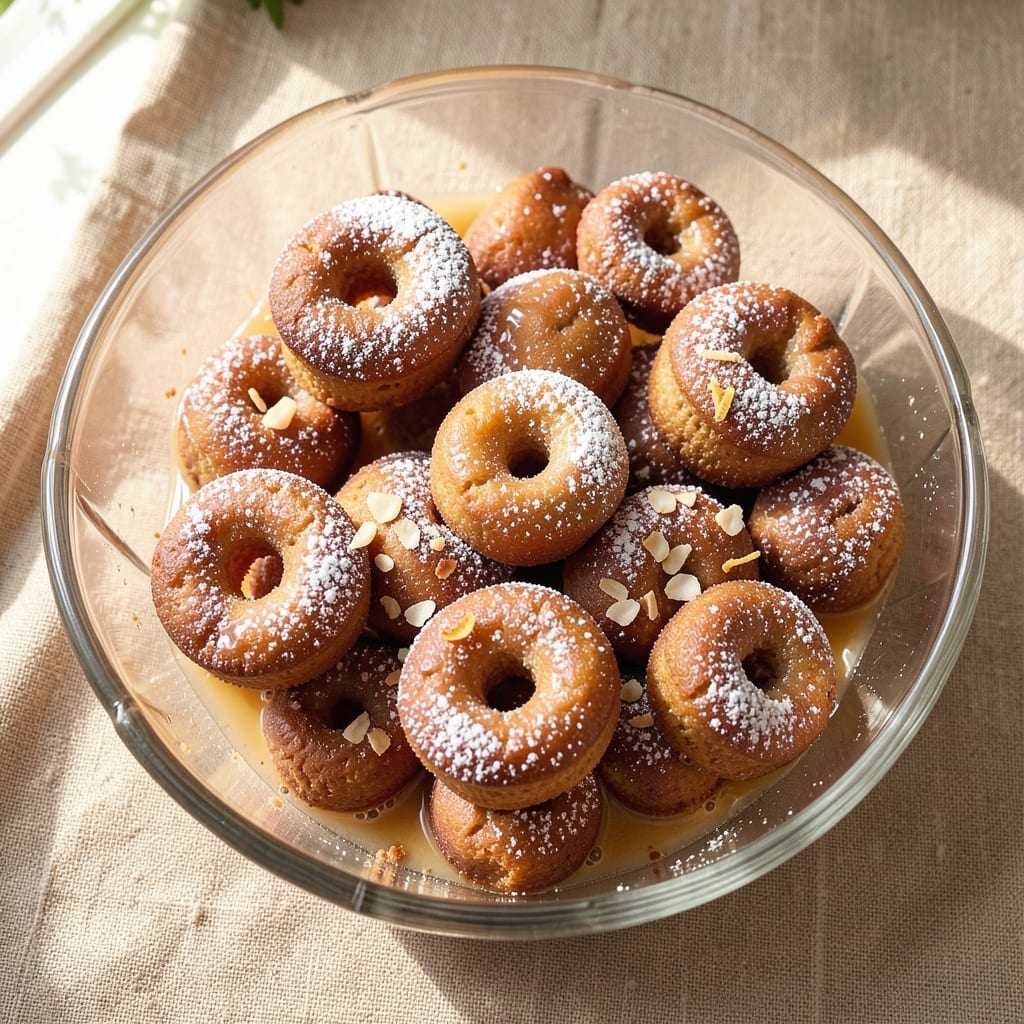
This baked cake donut hole recipe delivers the perfect balance of tender vanilla cake and crispy glaze coating—no frying required. The secret lies in a simple cake batter that transforms into pillowy donut holes when baked, then gets finished with a warm, crackly glaze that makes every bite irresistible. I've perfected this method over years of testing, ensuring the texture stays light yet sturdy enough to hold the glaze without falling apart.
The process starts with a basic vanilla cake batter that's rolled, cut into rounds, and baked until golden. What sets these apart is the glaze—a simple mix of powdered sugar and milk that's brushed on warm donut holes for that signature crispy exterior. The key technique is baking the glaze just until it sets, creating a delicate shell that contrasts beautifully with the soft cake inside.
What you'll end up with is a batch of warm, golden donut holes that look like they came from a bakery display case. The glaze adds a satisfying crunch while keeping the centers tender and moist, perfect for serving at parties or enjoying as an after-dinner treat. This recipe makes about 24 donut holes, so you can easily scale it up for gatherings or save extras for later.
These donut holes are versatile enough for any occasion—serve them as a dessert after a holiday meal or as a sweet snack with coffee. The glaze can be customized with food coloring or extracts for special occasions, but the classic vanilla version remains a crowd-pleaser. Let's get started on making these delicious bites!
Ingredients for baked cake donut hole
Simple pantry staples transform into bakery-style donut holes with a crispy glaze finish.
| Ingredient | Amount | Notes |
|---|---|---|
| All-Purpose Flour 🌾 | 2 ½ cups | Sifted for light texture |
| Granulated Sugar 🍚 | ¾ cup | White sugar preferred |
| Baking Powder 🧂 | 2 tsp | Freshly opened for lift |
| Salt 🧂 | ½ tsp | Fine sea salt preferred |
| Vanilla Extract 🌿 | 1 tbsp | Pure vanilla extract |
| Large Eggs 🥚 | 2 whole | Room temperature |
| Milk 🥛 | ¾ cup | Whole milk for richness |
| Unsalted Butter 🧈 | ½ cup | Cold, cubed for mixing |
| Powdered Sugar 🍚 | 1 ½ cups | Confectioners' sugar |
| Heavy Cream 🥛 | ¼ cup | Cold for glaze consistency |
| Vanilla Extract 🌿 | ½ tsp | For glaze flavor |
The flour is your foundation—King Arthur or Gold Medal brands bake up lightest, but any all-purpose works. Sugar matters too: domino sugar dissolves smoothly, avoiding graininess. For the butter, Land O'Lakes unsalted stays firm when cold, making mixing easier. Vanilla extract should be pure—McCormick or Nielsen-Massey are reliable. If you're short on time, room-temperature eggs mix better, but cold eggs work if you're patient. The milk? Whole milk gives the richest flavor, but 2% works fine if that's what you've got.
No powdered sugar? Blend granulated sugar with 1 tablespoon cornstarch for a 1:1 substitute. Short on heavy cream? Half-and-half thinned with a splash of milk keeps the glaze workable. The glaze needs to be thick enough to coat but thin enough to brush—adjust with extra powdered sugar if it's too runny. For a customized look, add a drop of gel food coloring or a splash of almond extract to the glaze. And if you're making these ahead? Store the baked donut holes (without glaze) in an airtight container for 2 days—glaze them fresh before serving for the best texture.
Baked donut holes keep for 3 days at room temperature if stored in a sealed container, but they're best enjoyed fresh. For longer storage, freeze unbaked donut holes on a tray, then transfer to a bag for up to 3 months. Thaw overnight in the fridge before glazing. The glaze sets best when brushed on warm donut holes—work quickly after baking to avoid moisture loss. These reheat beautifully in a 300°F oven for 5 minutes if you need to warm them up.
Why You'll Love This Recipe
- No Mixer Needed: Mixing is just folding—no electric help required. A bowl and a fork do all the work while you sip your coffee.
- Vanilla Kiss: That extract makes them smell like a bakery window. Light, sweet, and with just enough warmth to feel like a treat.
- Party in a Box: Freeze the dough balls for game day or birthdays—no last-minute stress. Pop them out, bake, and watch them disappear.
- Pantry Magic: Four ingredients, zero excuses. Uses what you already have, costs next to nothing, and keeps for days in an airtight container.
Step-by-step instructions for warm vanilla bites with crispy glaze coating
Follow this precise method for perfectly baked donut holes with a golden crust and tender interior.
Prepare the Cake Donut Hole Batter
In a large mixing bowl, combine the 2.5 cups of all-purpose flour, 0.75 cup of granulated sugar, 2 teaspoons of baking powder, and 0.5 teaspoon of salt. Whisk these dry ingredients together until evenly distributed—this ensures your donut holes will rise evenly. I like to sift the flour first for an extra-light texture, though it's not strictly necessary.
In a separate bowl, create the wet mixture by melting the 0.5 cup of unsalted butter in a microwave-safe bowl for 30-45 seconds until completely liquid but not hot. Let it cool slightly, then whisk in the 2 whole large eggs, 0.75 cup of milk, 1 tablespoon of vanilla extract, and the melted butter. The mixture should be smooth with no visible lumps—this creates the perfect crumb structure.
Gradually pour the wet mixture into the dry ingredients while stirring gently with a wooden spoon. Mix just until combined—overmixing develops gluten and makes the donut holes dense. The batter should be thick but pourable, similar to pancake batter. Let it rest for 5 minutes at room temperature before baking to allow the flour to fully hydrate.
Pipe and Bake the Donut Holes
Preheat your oven to 375°F and line two baking sheets with parchment paper. Using a piping bag fitted with a ½-inch round tip (or a plastic bag with a small corner snipped off), pipe 1-inch balls of batter onto the prepared baking sheets, spacing them about 2 inches apart. This spacing prevents them from spreading into each other during baking.
Bake for 10-12 minutes until the edges are golden brown and the centers spring back when gently pressed. I check for doneness by tapping the top lightly—they should sound hollow inside. Rotate the baking sheets halfway through for even browning. Remove from the oven and let cool on the baking sheets for 5 minutes before transferring to a wire rack to cool completely.
Here's the thing—don't skip the cooling step. Warm donut holes are delicious, but the glaze needs a slightly cooler surface to adhere properly without melting immediately. If you're impatient, just let them cool for 2-3 minutes before glazing—they'll still taste great.
Make the Crispy Vanilla Glaze
In a medium bowl, whisk together the 1.5 cups of powdered sugar, 0.25 cup of cold heavy cream, and 0.5 teaspoon of vanilla extract until completely smooth. The glaze should be thick enough to coat the back of a spoon but still drizzle easily. If it's too thick, add 1-2 teaspoons of milk to reach your desired consistency.
This is where the magic happens: the cold heavy cream creates a glossy, crispy coating that sets beautifully on the warm donut holes. I like to work quickly here—dip each donut hole halfway into the glaze, allowing excess to drip off, then place them back on the baking sheets. For extra shine, I sometimes use a fork to gently press the glaze into the top of each donut hole.
Let the glazed donut holes sit at room temperature for 10 minutes before serving. This resting time allows the glaze to set into a firm, crispy coating. If you're serving them immediately, they'll still be delicious but slightly softer. For the perfect texture, serve them at room temperature—this is when the contrast between the warm, tender donut holes and crispy glaze is most pronounced.
Serve and Enjoy
Arrange the glazed donut holes on a serving platter and serve immediately while still warm. Each bite should offer a tender, slightly cake-like interior with that irresistible crispy glaze exterior. The vanilla flavor should be subtle but noticeable, complementing the sweetness without overpowering it.
For an extra touch, I like to sprinkle a pinch of flaky sea salt on top just before serving—this enhances the vanilla flavor and adds a delightful contrast. Store any leftovers in an airtight container at room temperature for up to 2 days, though they rarely last that long in my house. If you need to reheat them, a quick 10-second zap in the microwave brings back their warm, gooey goodness.
Pro Tips For Making Baked Cake Donut Hole
- Preheat the Pan First: I learned this the hard way—cold pans make soggy bottoms. Slide your donut hole tray into a 350°F (175°C) oven for 5 minutes before baking. The heat jumpstarts the browning, so you get that crisp exterior without overcooking the centers. (Yes, even if you’re impatient like me.)
- Sift That Flour: Baking powder needs room to work, and clumpy flour means uneven texture. Sift the all-purpose flour with baking powder and salt together—no lumps, no guessing. I skip this sometimes, and the donut holes turn out dense. Don’t be that person.
- Don’t Overmix the Batter: Stir just until the dry ingredients disappear—about 10 seconds past the point where you think it’s done. Overmixing develops gluten, and your donut holes will end up tough instead of tender. The batter should look like thick pancake mix, not cake batter.
- Use a Toothpick Twice: Check doneness at 12 minutes, not the recipe’s full time. Stick a toothpick in the center—if it comes out clean, pull them. If not, bake 2 more minutes. Then, tap the tray on the counter: hollow sound = done. Solid sound = keep baking. (This saves more than one batch from drying out.)
Regional styles of this dish
Southern Fried Style
In the South, these donut holes often get a deep-fry twist after baking for extra crispiness. After baking as directed, let them cool slightly, then heat peanut or vegetable oil to 350°F in a deep fryer or heavy pot. Fry each donut hole for 15-20 seconds until golden brown—just enough to crisp the exterior without cooking through. Drain on a wire rack, then glaze immediately while still warm. This creates a double-crisp texture that Southern bakeries love. 🔥
New England Maple Glaze
New England bakers often swap the vanilla glaze for a rich maple glaze that complements fall flavors. Replace the vanilla extract in the glaze with 1 tablespoon pure maple syrup (I use Grade B for its robust flavor) and add ½ teaspoon ground cinnamon. Brush the glaze over warm donut holes and sprinkle with crushed pecans for a crunchy topping. This version feels like a cozy autumn dessert—perfect with apple cider. 🌰
Midwest Cinnamon Sugar Twist
The Midwest takes these donut holes to heart with a cinnamon sugar coating instead of glaze. After baking, let them cool completely, then toss each one in a mix of ½ cup granulated sugar and 2 tablespoons ground cinnamon. For extra flair, roll them in toasted coconut flakes or crushed pretzels before serving. These are a hit at state fairs and holiday gatherings—simple but always impressive. 🌟
Pacific Northwest Lemon Poppyseed
West Coast bakers love bright flavors, so they often infuse these donut holes with lemon zest and poppy seeds. Add 1 tablespoon lemon zest to the cake batter and 1 teaspoon poppy seeds to the glaze. Top with toasted poppy seeds for a sophisticated finish. The citrusy glaze pairs beautifully with blackberry compote for a dessert that feels both elegant and approachable. 🍋
Texas Chili-Lime Glaze
For a bold twist, Texans might add a spicy-sweet glaze that balances heat and sweetness. Mix 1 cup powdered sugar with 2 tablespoons lime juice, ½ teaspoon chili powder, and ¼ teaspoon cayenne pepper. Brush this glaze over warm donut holes and garnish with lime zest. Serve with a side of sour cream to cool the heat—this version is perfect for brunch or spicy food lovers. 🌶️
New York City Chocolate-Dipped
In NYC, these donut holes often get a chocolate twist. After glazing with vanilla, let them cool completely, then dip half of each donut hole into melted dark chocolate (I use 70% cacao). Roll the dipped side in crushed hazelnuts or sea salt flakes before serving. This fusion of cake and donut hole with chocolate feels like a bakery secret—ideal for dessert lovers who crave decadence. 🍫
Nutrition facts
Frequently asked questions
Why do your baked cake donut holes turn out denser than traditional fried versions?
The baking method creates a different texture—these are cake-based rather than yeast-raised dough. The key is mixing just until combined (no overmixing) and letting the batter rest 5 minutes before baking. For extra lightness, sift the flour and use room-temperature eggs. The glaze also adds crispiness without needing frying!
Can I make these without a piping bag?
Use a ziplock bag with a small corner snipped off or a spoon to scoop 1-inch balls of batter. For more uniform shapes, roll the batter between your palms into balls before placing on the baking sheet. The texture won't change—just the presentation!
How do I prevent the glaze from melting off the donut holes?
Let the baked donut holes cool for 2-3 minutes before glazing—warm but not hot. The glaze sets best when brushed onto slightly cooler surfaces. For extra hold, chill the glazed donut holes for 10 minutes before serving. If they're too warm, the glaze may soften but will firm up as they cool.
Can I use this recipe for a cake donut hole tower?
Yes! Bake 36-48 donut holes (double the recipe) and let them cool completely. Use icing or melted chocolate to attach them to a sturdy base (like a cake board or stacked cake rounds). For stability, insert toothpicks between layers. These towers look stunning for celebrations and hold up well for 2-3 hours before serving.
What's the secret to making the glaze extra crispy?
Use cold heavy cream (not milk) and let the glaze sit at room temperature for 10 minutes before serving. For a bakery-style finish, brush the glaze on warm donut holes, then sprinkle with fine sugar while still wet. The contrast of warm cake and crisp glaze is what makes these irresistible!