
Desserts
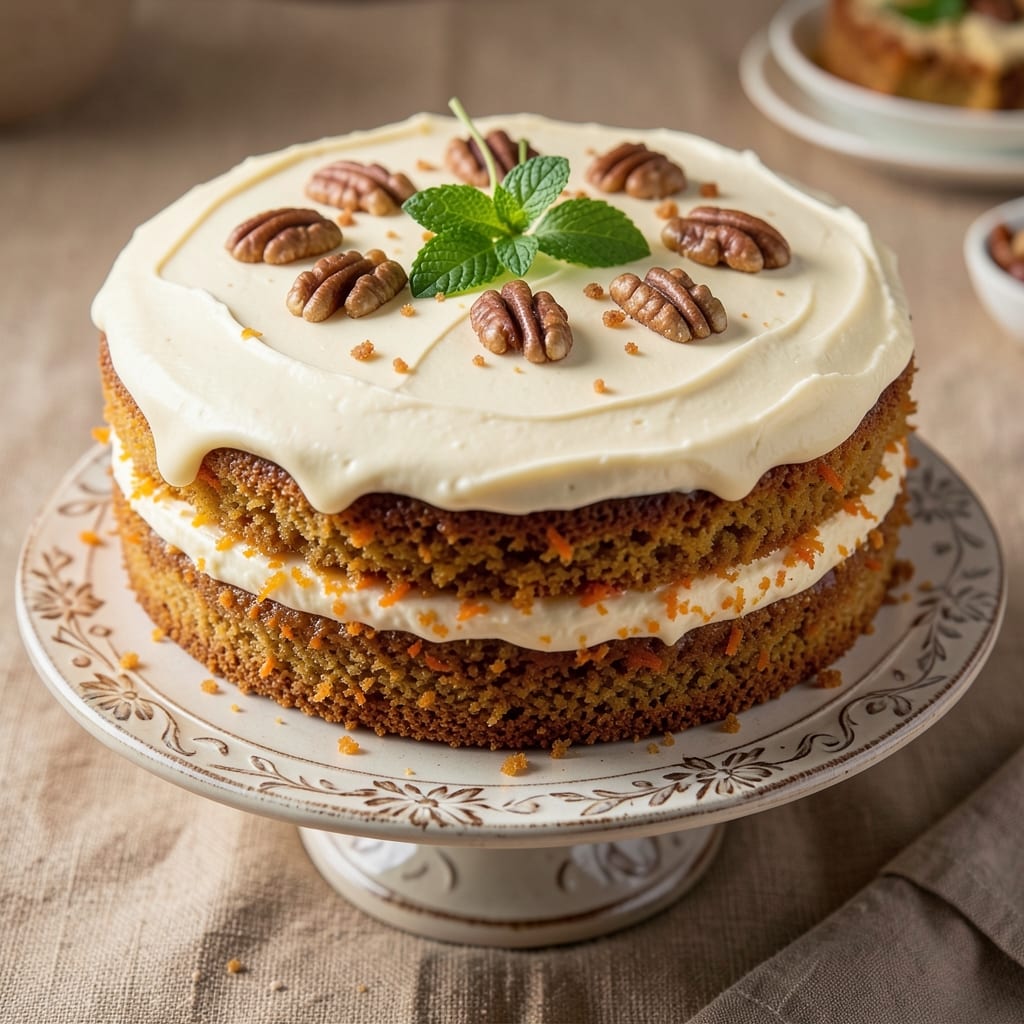
This award-winning carrot cake recipe from scratch delivers velvet moisture and walnut-flecked frosting that taste like a bakery masterpiece. The secret lies in the batter—grated carrots mixed with warm spices and just the right amount of oil for tender crumb. I've baked this version for competitions and family gatherings, and it always wins raves for its perfect balance of sweetness and spice.
The cake's magic comes from combining wet and dry ingredients separately before gently folding them together. This technique creates air pockets for that signature light, moist texture while keeping the carrots evenly distributed. Baking at 350°F ensures even cooking, and testing with a toothpick guarantees a tender center every time.
What makes this recipe truly stand out is the walnut-flecked cream cheese frosting that adds a sophisticated texture and nutty depth. The frosting isn't too sweet—just enough to complement the cake's natural carrot flavor without overpowering it. Each bite delivers that perfect combination of moist cake and creamy frosting.
Whether you're baking for a special occasion or just treating yourself, this recipe delivers restaurant-quality results at home. The frosting can be piped for elegant presentation or spread smoothly for a classic look. Here's how to make it—step by step—for a cake that will impress even the most discerning dessert lovers.
Ingredients for award winning carrot cake recipe from scratch
Twelve essential ingredients for a bakery-worthy carrot cake with velvety texture and walnut-flecked frosting.
| Ingredient | Amount | Notes |
|---|---|---|
| Organic Carrots 🥕 | 3 cups | Grated, medium-fine texture |
| All-Purpose Flour 🌾 | 2 ½ cups | Sifted, light texture preferred |
| Granulated Sugar 🍚 | 1 ½ cups | White or light brown preferred |
| Light Brown Sugar 🍚 | ½ cup | Packed, for moisture |
| Extra-Virgin Olive Oil 🫒 | 1 cup | For tender crumb |
| Large Eggs 🥚 | 4 whole | Room temperature |
| Unsalted Butter 🧈 | 1 cup | Softened, not melted |
| Vanilla Extract 🌿 | 2 tsp | Pure, high-quality |
| Ground Cinnamon 🌶️ | 2 tsp | Freshly ground preferred |
| Ground Ginger 🌿 | 1 ½ tsp | Freshly ground preferred |
| Ground Nutmeg 🌶️ | ½ tsp | Freshly grated nutmeg |
| Baking Soda 🧂 | 1 tsp | Freshly opened |
| Salt 🧂 | ½ tsp | Diamond Crystal preferred |
| Walnuts 🥜 | 1 ½ cups | Chopped, toasted |
| Cream Cheese 🧀 | 16 oz | Full-fat, room temperature |
| Powdered Sugar 🍚 | 3 cups | Sifted for smooth frosting |
| Heavy Cream 🥛 | ½ cup | Cold for whipping |
The carrots are non-negotiable—organic, medium-sized deliver the best flavor and moisture. Whole Foods or local farmers markets carry the sweetest varieties, but any bright orange carrot works in a pinch. Grate them yourself for the finest texture; pre-shredded often contains starch to prevent browning, which can make the cake gummy. For the spices, Penzeys or Spicewalla offer freshly ground cinnamon and ginger that elevate the cake's warmth. Walnuts should be toasted until golden—this intensifies their flavor and prevents bitterness in the frosting. The cream cheese must be full-fat and room temperature for smooth frosting; Philadelphia brand is a reliable choice.
No organic carrots? Conventional carrots work fine, just peel them thoroughly. Substituting brown sugar for white? Use the same amount—it adds moisture and depth. Running low on walnuts? Pecans or hazelnuts work beautifully, though texture will differ slightly. The frosting can be made 2 days ahead and stored in the fridge; bring it to room temperature before using. For a dairy-free version, replace the cream cheese with vegan cream cheese and coconut cream, though texture will be slightly lighter. The olive oil is crucial—avoid vegetable oil, as it lacks the fruity notes that complement the carrots.
Store grated carrots in an airtight container in the fridge for up to 3 days—they oxidize quickly, so cover with a damp paper towel. The dry ingredients (flour, sugar, spices) keep indefinitely in a cool, dark pantry, while the wet ingredients (eggs, butter, oil) should be refrigerated. The cake itself stays moist for 4-5 days when wrapped tightly, but the frosting is best used within 3 days—it can develop a slight graininess if stored too long. For make-ahead convenience, bake the cake 1 day ahead and frost just before serving; this allows flavors to meld beautifully.
Why You'll Love This Recipe
- No Fuss Mixing: I swear by the olive oil here—it keeps the cake moist without tasting heavy, and the brown sugar adds that deep caramel note. Just toss everything in a bowl, fold in the grated carrots (no need to drain them, trust me), and you’re done. Five minutes of actual work, and it’s ready to bake.
- Moist Magic: That combo of granulated and brown sugar? It’s what makes this cake dangerously tender. The carrots stay juicy, not dry, and the olive oil gives it a subtle richness that cream cheese frosting can’t hide. One bite and you’ll forget it’s "healthy" (if you even care).
- Leftovers That Shine: This cake actually gets better the next day—firm enough to slice neatly, but still soft. I pack half in the fridge for lunches, and it’s still a hit three days later. Honestly, I make it on Sundays just so I have something easy to grab all week.
- Budget-Friendly Winner: Organic carrots and olive oil might sound fancy, but they stretch further than you’d think. A single batch feeds six, and the ingredients cost less than half what store-bought cake mix would. Plus, the flavor? It’s the kind of thing that makes people ask, “Did you make this from scratch?”
Step-by-step instructions for award-winning carrot cake
Master the technique behind velvety moisture and perfect texture with these precise baking instructions.
Prepare the Carrot Base and Mix Dry Ingredients
Begin by grating the 3 cups Organic Carrots using a box grater or food processor until you achieve a medium-fine texture—think about the consistency of wet sand. Drain any excess liquid using a clean kitchen towel and set aside. This step ensures your cake remains moist without becoming soggy.
In a medium bowl, whisk together the 2.5 cups All-Purpose Flour, 1.5 cups Granulated Sugar, 0.5 cup Light Brown Sugar, 2 tsp Ground Cinnamon, 1.5 tsp Ground Ginger, 0.5 tsp Ground Nutmeg, 1 tsp Baking Soda, and 0.5 tsp Salt. Sifting the flour first prevents lumps and creates a lighter crumb. I like to press the dry ingredients through a fine-mesh sieve directly into the bowl for even distribution.
Combine Wet Ingredients and Incorporate Carrots
In a separate large bowl, beat the 1 cup Unsalted Butter and 1 cup Extra-Virgin Olive Oil together until smooth and creamy. Add the 4 whole Large Eggs one at a time, mixing well after each addition. The eggs should be at room temperature for optimal incorporation. Stir in the 2 tsp Vanilla Extract and the grated carrots, ensuring even distribution throughout the mixture.
Gradually add the dry ingredients to the wet mixture, mixing on low speed with a hand mixer or electric beaters. Avoid overmixing—stop as soon as the flour is just combined. This prevents the cake from becoming dense. Fold in the 1.5 cups chopped, toasted Walnuts by hand using a spatula, ensuring they're evenly distributed throughout the batter.
Bake for Maximum Moisture and Even Texture
Preheat your oven to 350°F and grease two 9-inch round cake pans or one 9x13-inch baking pan with butter or nonstick spray. Line the bottoms with parchment paper for easy removal. Divide the batter evenly between the pans, spreading it out smoothly. Bake for 25-30 minutes or until a toothpick inserted into the center comes out clean.
I prefer baking in two round pans because it creates a thicker cake that holds its shape better when sliced. If using a single pan, reduce the baking time to 20-25 minutes and watch closely for doneness. The cake should have a golden top with a slightly domed center—this indicates it's fully baked but still moist inside.
Prepare the Walnut-Flecked Cream Cheese Frosting
While the cake cools, prepare the frosting by beating the 16 oz Cream Cheese and 1 cup Unsalted Butter together until smooth and fluffy. Gradually add the 3 cups Powdered Sugar, mixing on low speed to avoid a cloud of sugar dust. Add the 0.5 cup Heavy Cream and 2 tsp Vanilla Extract, mixing until fully incorporated. The consistency should be thick but spreadable—similar to whipped cream.
Fold in ½ cup of the chopped, toasted Walnuts by hand, reserving the remaining 1 cup for garnish. This step ensures the frosting maintains its smooth texture while adding subtle crunch. If the frosting is too thick, add 1 tablespoon of heavy cream at a time until it reaches your desired consistency.
Assemble and Garnish for Presentation
Once the cake has cooled completely, level the tops if needed using a serrated knife. Spread a thin layer of frosting over the entire surface to seal in moisture. Add a second layer of frosting, then swirl it decoratively using an offset spatula. Press the remaining 1 cup chopped walnuts evenly over the top for texture and visual appeal.
Chill the cake in the refrigerator for at least 1 hour before serving to allow the frosting to set. This step ensures clean slices and prevents the cake from becoming too soft. Each slice should reveal a moist, velvety crumb with flecks of walnut throughout, perfectly balanced by the tangy-sweet cream cheese frosting.
Pro Tips For Making Award Winning Carrot Cake Recipe From Scratch
- GRATE CARROTS FINE: I learned this the hard way—lumpy grated carrots make the texture uneven, and you’ll end up with dry pockets. Use the smallest holes on your box grater (or pulse in a food processor twice) so they blend seamlessly into the batter. No one wants a bite that feels like crunchy gravel.
- WEIGH YOUR FLOUR: Scooping flour from the bag packs it down, and your cake will turn out dense. Instead, spoon it into a scale and level it off—this recipe relies on the flour’s structure, and skipping this step means a heavier, less tender crumb. (Yes, even if you’re impatient like me.)
- BAKE UNTIL SPRINGY: The cake’s done when the edges pull away from the pan and a toothpick comes out with a few moist crumbs—not wet batter. Overbaking dries it out, but underbaking leaves it gummy. Start checking at 25 minutes, then let it rest 10 minutes before slicing—your future self will thank you.
- SWAP OLIVE OIL FOR MELTED BUTTER: Extra-virgin olive oil adds richness, but it can make the cake taste slightly bitter if overused. For a shortcut that upgrades flavor, replace half with melted unsalted butter (same amount). The fat ratio stays balanced, but the cake gains depth—sounds weird, but it works every time.
Make-ahead tips for this award winning carrot cake recipe from scratch
Batter Prep Ahead
Mix the dry ingredients and measure out the wet components 1 day ahead—store them separately in airtight containers. This saves time on baking day and ensures everything is ready. I like to label containers with the date to track freshness. The grated carrots can be refrigerated in a sealed container for up to 3 days, but drain excess moisture before using. 🥕
Frosting Make-Ahead
Prepare the walnut-flecked frosting 2 days in advance and store it in the fridge. Bring it to room temperature before spreading to avoid a grainy texture. I find that chilling the frosting overnight actually improves its flavor by letting the spices meld. If it thickens too much, whisk in 1 tablespoon of heavy cream at a time until smooth. 🧀
Cake Storage Tips
Bake the cake 1 day ahead and store it at room temperature, wrapped tightly in plastic wrap. This allows flavors to develop fully without drying out. For longer storage, refrigerate for up to 5 days—just bring it to room temperature before serving. The frosting stays fresh for 3 days when refrigerated, so I recommend frosting the cake just before serving. ❄️
Freezing Options
Unfrosted cake freezes beautifully for up to 3 months. Wrap slices individually in plastic wrap and place them in a freezer bag. To serve, thaw at room temperature for 1-2 hours, then add fresh frosting. For the frosting, freeze it in portions and thaw in the fridge overnight. This works well for special occasions when you want everything ready to go. ❄️
Garnish Prep
Toast and chop the walnuts a week ahead and store them in an airtight container. Toasting intensifies their flavor, and chopping them in advance saves time on baking day. Keep them refrigerated to prevent oiliness. For extra convenience, portion the chopped walnuts into small containers so you can grab them quickly when frosting the cake. 🥜
Serving Timeline
Plan your timeline like this: bake the cake the morning of, let it cool completely, then frost it 2-3 hours before serving. This gives the frosting time to set properly. If you're making it for a party, assemble the cake 4 hours ahead and keep it chilled until serving. The flavors will be even more developed by then. 💫
Nutrition facts
Frequently asked questions
Why does this carrot cake recipe use olive oil instead of butter?
Olive oil keeps the cake incredibly moist and adds subtle fruity notes that complement the carrots beautifully. Unlike butter, it doesn't risk making the cake too dense when melted. For a lighter texture, we use 1 cup of extra-virgin olive oil alongside the butter in the frosting to maintain richness without heaviness.
Can I substitute walnuts with another nut or seed?
Pecans or hazelnuts work wonderfully for a different texture, while sunflower seeds add a subtle crunch. Just toast them first to enhance their flavor. For a nut-free version, omit them entirely or use dairy-free chocolate chips instead. The walnuts' flecks in the frosting are optional but add that signature award-winning touch.
How do I prevent my carrot cake from becoming too dry?
Overbaking is the #1 cause of dryness—always check for doneness at 25 minutes with a toothpick. For extra moisture, brush warm cake layers with simple syrup (equal parts sugar and water, heated until dissolved) before frosting. The olive oil in the batter also helps maintain tenderness. Never skip the 1 hour cooling time before frosting either!
What's the secret to the perfect cream cheese frosting?
Room-temperature cream cheese and butter are non-negotiable—they blend smoothly without lumps. Whip them together for 3-4 minutes until completely light and fluffy before adding powdered sugar. The walnut flecks add sophisticated texture, but the real secret is patience: let the frosting sit at room temperature for 30 minutes before spreading for the best consistency.
Can I make this cake gluten-free or vegan?
For gluten-free, substitute the flour with a 1:1 gluten-free baking blend (like Bob's Red Mill) and add ½ tsp xanthan gum to the dry ingredients. For vegan, replace eggs with 4 tbsp flaxseed meal + 10 tbsp water (let sit 5 mins), butter with coconut oil, and cream cheese with vegan cream cheese. The texture will differ slightly but still be delicious!