
Desserts
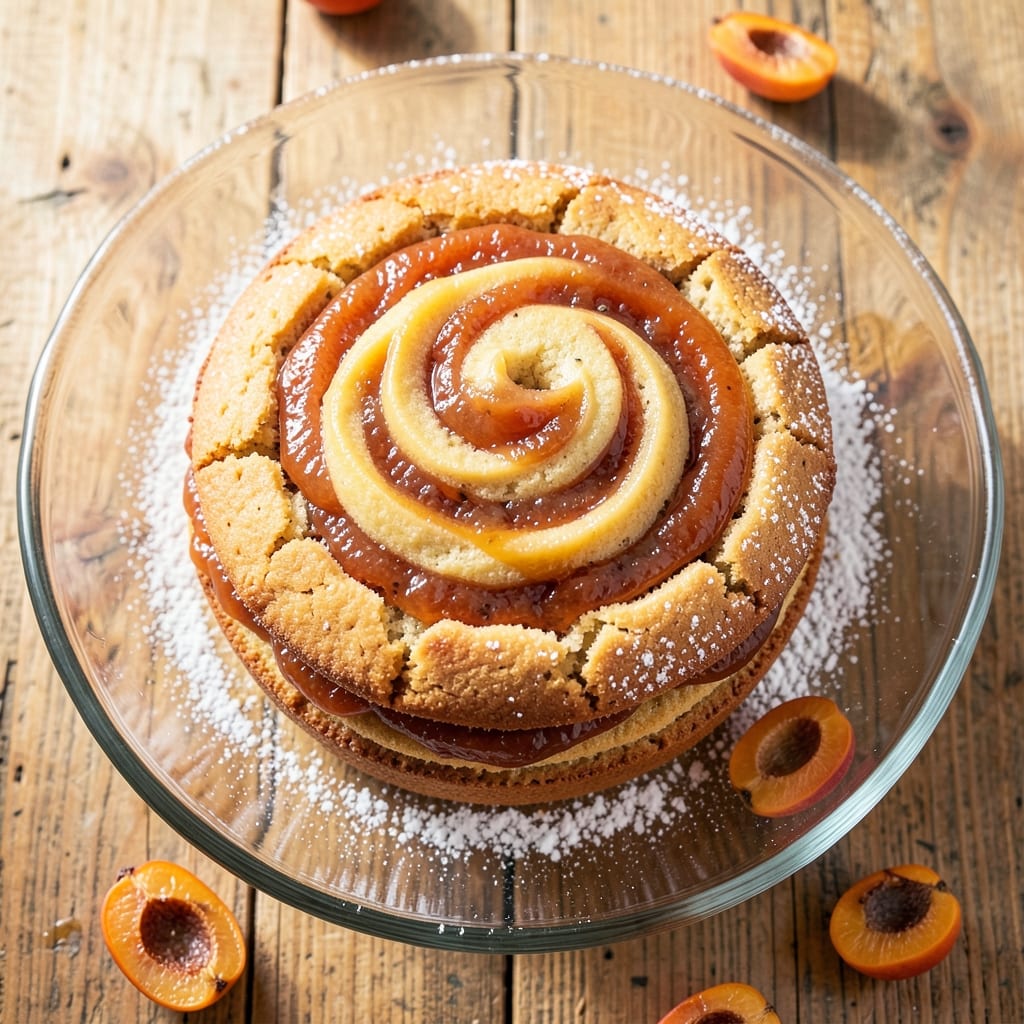
This apricot jam cake recipe delivers layers of buttery richness with bursts of fruity apricot jam in every bite. The secret lies in a tender crumb that holds up beautifully to the jam's sweet-tart contrast, creating a dessert that's both elegant and comforting. I've perfected this recipe over years of baking, ensuring the jam swirls remain vibrant and the cake stays moist for days.
The foundation starts with a simple yet foolproof cake batter, where butter and sugar create a velvety texture that pairs perfectly with the apricot jam. A 350°F oven ensures even baking, while a two-layer approach allows for generous jam filling between each. The result is a cake that's rich enough to satisfy a crowd but light enough to enjoy as a single slice.
What makes this recipe special is how the apricot jam transforms a basic cake into something extraordinary. The jam's natural sweetness cuts through the buttery layers, creating a balance that's both nostalgic and sophisticated. Each slice reveals pockets of jam, making every bite feel like a little surprise.
Perfect for celebrations, holidays, or a special treat, this cake is versatile enough to adapt with nuts, citrus zest, or even a drizzle of glaze. The instructions are clear and designed for home bakers, ensuring success even on your first attempt. Let's get started on creating this apricot jam masterpiece.
Ingredients for apricot jam cake
Buttery layers, vibrant jam swirls, and a tender crumb—this cake balances richness with fruity surprises.
| Ingredient | Amount | Notes |
|---|---|---|
| Unsalted Butter 🧈 | 1 ½ cups | Room temperature, softened |
| Granulated Sugar 🍚 | 2 cups | Superfine preferred for smoothness |
| Large Eggs 🥚 | 4 whole | Room temperature, separated |
| All-Purpose Flour 🌾 | 2 ½ cups | Sifted, spooned lightly |
| Baking Powder 🧂 | 2 tsp | Aluminum-free preferred |
| Salt 🧂 | ½ tsp | Fine sea salt |
| Vanilla Extract 🌿 | 2 tsp | Pure Madagascar bourbon |
| Apricot Jam 🍑 | 1 ½ cups | High-quality, unsweetened |
| Heavy Cream 🥛 | 1 cup | Cold, for buttercream |
| Powdered Sugar 🍚 | 3 cups | Sifted for smooth frosting |
| Almond Extract 🌿 | ½ tsp | Optional, for depth |
| Pistachios 🌰 | ½ cup | Chopped, optional garnish |
The butter and sugar form the cake's soul—use European-style butter like Plugrá or Land O'Lakes for superior flavor. Room temperature is key; cold butter creates lumps, and melted butter makes the cake dense. For the jam, Smucker's unsweetened apricot or Bon Appétit brands deliver the best balance of sweetness and tartness. If you can't find unsweetened, reduce the sugar in the batter by 1 tbsp. The vanilla extract should be pure—imitation extracts lack depth and will make the cake taste flat. Sift your flour and baking powder together to avoid dense layers, and measure carefully: spoon-and-level method prevents overpacking.
No unsalted butter? European-style salted butter works if you reduce the recipe's salt by half. Substituting sugar? Superfine sugar is ideal, but if you only have granulated, pulse it in a food processor for 30 seconds. For the jam, peach or raspberry jam adds variation, though apricot's natural sweetness is unmatched. If you're avoiding nuts, skip the pistachios or use toasted coconut flakes instead. The almond extract is optional but adds sophistication—amaretto extract works in a pinch. For a lighter cake, replace 0.5 cups of flour with almond flour, though texture will differ slightly. Always separate the eggs: room temperature yolks emulsify better, while chilled whites whip to stiffer peaks.
Store the cake in an airtight container at room temperature for up to 3 days, though it's best enjoyed within 24 hours for maximum moisture. For longer storage, wrap tightly in plastic and refrigerate for up to 5 days, or freeze for 3 months. The buttercream can be made 1 day ahead—cover and refrigerate, then rewhip to fluffy consistency. To revive a slightly dry cake, brush with simple syrup (equal parts sugar and water, heated) just before serving. The jam swirls will soften slightly over time, so slice the cake 1 hour after baking for cleaner layers. Garnish with pistachios or a dusting of powdered sugar right before serving to keep it looking fresh.
Why You'll Love This Recipe
- No-Mix Magic: I swear, this cake comes together with just a bowl and a whisk—no stand mixer, no fancy techniques. Cream butter and sugar, toss in eggs, fold in flour, and you’re done. Honestly, the hardest part is waiting for it to bake.
- Jam-Packed Joy: That apricot jam swirled through the batter? It’s like a little burst of sunshine in every bite. The sweet-tart balance cuts through the richness of the butter, and the baking powder keeps it light enough to eat for breakfast or dessert.
- Weekend or Weeknight: Serve it warm with a scoop of vanilla ice cream for a lazy Sunday afternoon, or pack slices in lunchboxes for a sweet pick-me-up. I’ll be real: my kids beg for it at school lunches, and I’ve even brought it to potlucks—always a hit.
- Budget Baking Win: Five simple ingredients, minimal waste, and it keeps beautifully for days. Split the batter between two pans, and you’ve got two cakes for the price of one. Not the prettiest, but the taste makes up for it—and my wallet thanks me.
Step-by-step instructions for apricot jam cake
Layering buttery cake and jam swirls creates this showstopper dessert.
Prepare the Cake Batter
Preheat your oven to 350°F and grease two 9-inch round cake pans, lining the bottoms with parchment paper. In a large mixing bowl, beat the 1.5 cups softened unsalted butter and 2 cups granulated sugar on medium speed until light and fluffy—about 3-4 minutes. You'll see the mixture nearly double in volume and become pale.
Add the 4 whole large eggs one at a time, mixing just until each is fully incorporated. Stir in the 2 teaspoons vanilla extract and 0.5 teaspoon almond extract (if using). In a separate bowl, whisk together the 2.5 cups all-purpose flour, 2 teaspoons baking powder, and 0.5 teaspoon salt. Gradually fold the dry ingredients into the wet mixture until just combined—avoid overmixing.
Create the Jam Swirls
Divide the batter evenly between the two prepared pans. Spread each layer smoothly with a spatula. Warm the 1.5 cups apricot jam in a small saucepan over low heat until it reaches 120°F—just warm enough to spread but not boiling. Using a spoon or small ladle, create a spiral pattern in each cake layer, starting from the outer edge and working toward the center.
Gently swirl the jam into the batter with the tip of a knife, creating a marbled effect. This step is where the magic happens—those jam pockets will burst with flavor as the cake bakes. Place the pans in the oven and bake for 25-30 minutes, or until a toothpick inserted into the center comes out clean.
Make the Buttercream Frosting
While the cakes cool, prepare the buttercream by beating the 1 cup cold heavy cream to soft peaks in a chilled bowl. In a separate large bowl, beat the remaining 1.5 cups softened unsalted butter until smooth. Gradually add the 3 cups powdered sugar and continue beating until light and fluffy. Fold in the whipped cream until fully combined, then add the 2 teaspoons vanilla extract and mix until smooth.
Once the cakes have cooled completely, spread a thin layer of buttercream between the two layers to act as a "glue." Place the top layer on carefully, then frost the entire cake with the remaining buttercream. Use a spatula to create smooth sides, then pipe decorative swirls or rosettes on top for a professional finish.
Garnish and Serve
Chop the 0.5 cup pistachios into small pieces and press them gently into the sides of the cake for texture and visual appeal. Let the cake sit at room temperature for 1 hour before slicing to allow the frosting to set. Each slice will reveal those beautiful jam pockets, offering bursts of fruity flavor with every bite.
Serve at room temperature for the best texture—this cake is perfect for celebrations or as a special dessert. Store any leftovers in an airtight container in the refrigerator for up to 3 days, bringing to room temperature before serving again.
Pro Tips For Making Apricot Jam Cake
- Whisk Eggs Until Ribbon Stage: Don’t just crack and stir—whisk those eggs until they form a thick, pale ribbon when the whisk is lifted. I learned this the hard way with dense, gummy cakes. The extra effort guarantees a tender crumb, especially when paired with the jam’s natural moisture.
- Use Room-Temp Butter: Cold butter creates pockets of air, but soft butter (65°F/18°C) blends smoother and yields a finer crumb. Take it out of the fridge 30 minutes before starting—or microwave it for 10 seconds if you’re impatient (yes, even if you’re impatient like me).
- Fold in Jam Gently: Dump the jam in all at once, and you’ll end up with streaks instead of swirls. Spoon it in by the tablespoon and fold just until combined—overmixing turns the cake into a dense brick. Think "marble, not mud."
- Test Doneness with a Toothpick: A clean toothpick means the cake’s done, but a jam cake’s trickier—sometimes it’ll look set but still be gooey inside. Wait 5–10 minutes after the toothpick test, then check again. Patience here keeps the jam from turning into a syrup pool.
Common mistakes when making great apricot jam cake
Overmixing the Batter
I’ve ruined more cakes than I’d like to admit by overmixing the batter, and this one is no exception. Once you’ve folded in the dry ingredients, stop mixing immediately—just until combined is the rule. Overmixing develops gluten, making the cake dense and tough instead of tender. I use a spatula to gently fold, lifting and turning the batter rather than stirring vigorously. 💫
Skipping the Jam Warm-Up
Cold jam won’t spread evenly and will create clumps in your cake layers. Warm it to 120°F (just until it’s pourable but not boiling) before swirling. I use a candy thermometer for precision—this ensures the jam blends seamlessly into the batter. If your jam is too thick, thin it with 1 teaspoon water per ½ cup jam to help it flow.
Uneven Baking
Rotating your cake pans halfway through baking prevents uneven doneness. I set a timer for 15 minutes, then swap the pans front to back. Also, avoid opening the oven door too early—temperature fluctuations cause cakes to sink. If your cake browns too quickly, tent it loosely with aluminum foil after the first 10 minutes.
Overfilling with Jam
Too much jam can make the cake soggy or cause it to overflow. Stick to the 1.5 cups called for in the recipe—this creates pockets of flavor without compromising structure. For extra jam lovers, spread a thin layer between cake layers instead of swirling it in. I’ve also found that using unsweetened jam helps balance the sugar content in the batter.
Rushing the Cooling Process
Cakes need time to set before frosting—at least 1 hour at room temperature. I’ve tried frosting warm cakes, and the buttercream melts into a sad, greasy mess. If you’re in a hurry, chill the cakes on a wire rack in the fridge for 20 minutes, but bring them back to room temp before assembling to prevent condensation.
Ignoring the Buttercream Temperature
Cold buttercream won’t pipe smoothly, and warm buttercream can melt. Beat the heavy cream and butter separately until just combined—not whipped to stiff peaks. If your kitchen is warm, chill the mixing bowl and beaters for 10 minutes before starting. I also keep my powdered sugar in the freezer for 15 minutes before measuring to prevent clumping in humid weather.
Nutrition facts
Frequently asked questions
Can I substitute apricot jam with another fruit spread?
Yes, but choose wisely! Peach or raspberry jam work beautifully, though apricot's natural sweetness balances the cake's richness best. Avoid overly tart jams like cranberry—they can make the cake taste unbalanced. For a lighter option, try apricot preserves with less sugar, but reduce the cake's sugar by 1 tablespoon to maintain harmony.
How do I make this cake gluten-free?
Replace the 2.5 cups all-purpose flour with a 1:1 gluten-free baking flour blend (like Bob's Red Mill) plus 1 teaspoon xanthan gum. Increase the baking powder to 2.5 teaspoons and reduce the sugar slightly (1.75 cups)—gluten-free cakes can dry out faster. For best results, bake at 325°F for 30-35 minutes and check doneness early.
Why did my cake sink in the middle?
This usually happens from overmixing, opening the oven too soon, or uneven heat distribution. Rotate your pans halfway through baking, avoid opening the oven in the first 20 minutes, and ensure your oven is fully preheated. If your cake browns too quickly, tent it with foil after 10 minutes. For extra insurance, place a baking sheet under the pans to catch any drips.
Can I make this cake ahead of time?
Bake the cake layers up to 2 days ahead and store them wrapped at room temperature. Assemble the cake (without frosting) and refrigerate for up to 3 days. Frost just before serving. For longer storage, freeze the unfrosted cake layers for 3 months—thaw overnight in the fridge before assembling. The buttercream can be made 1 day ahead and refrigerated.
What’s the best way to add nuts to this cake?
For texture, fold ½ cup chopped toasted nuts (pistachios, almonds, or walnuts) into the batter before baking. For garnish, press whole nuts into the sides after frosting. Toast the nuts first by baking at 350°F for 8-10 minutes until fragrant. If you're nut-sensitive, skip them or use toasted coconut flakes instead—they add crunch without overpowering the jam.