
Desserts
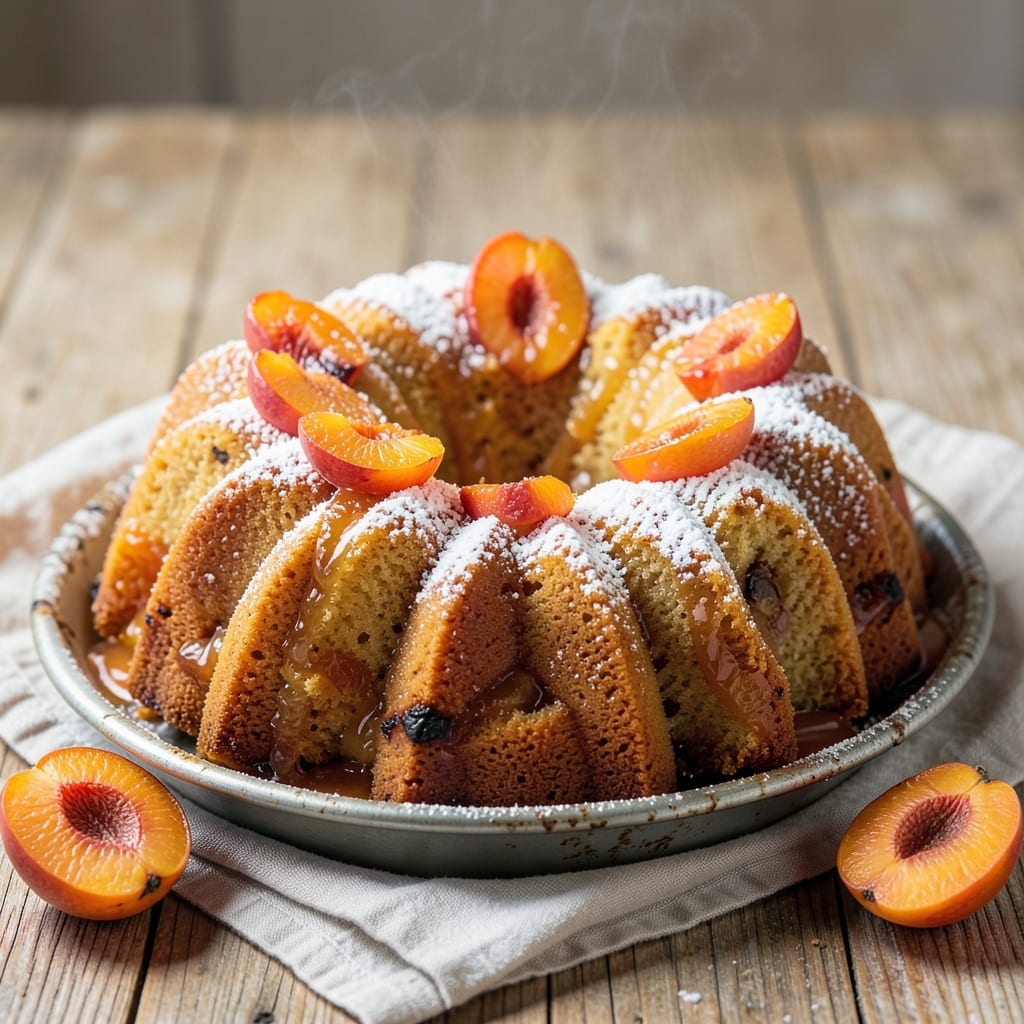
This apricot bundt cake recipe transforms summer's brightest fruit into layers of golden cake and caramelized apricot swirls that taste like sunshine in every bite. The secret lies in a tender vanilla cake base that holds its shape while baking, creating dramatic ridges perfect for showcasing the fruit filling. I developed this recipe after years of experimenting with fruit cakes—balancing moisture, texture, and that perfect caramelized fruit flavor that makes it irresistible.
The cake's beauty comes from its simplicity: just a handful of pantry staples plus fresh apricots, but the technique ensures restaurant-quality results. You'll start with a warm cake batter that creates those signature Bundt ridges, then fold in a luscious apricot compote that caramelizes as it bakes. The result? A cake that's moist yet sturdy, with fruit that's perfectly tender and sweet—not too wet, not too dry.
What makes this recipe special is how the flavors develop during baking—the apricots release their natural sugars, creating pockets of caramelized fruit throughout each slice. The vanilla extract infuses the cake with warmth, while a dusting of powdered sugar adds just enough sweetness to tie everything together. It's the kind of dessert that feels indulgent yet light, perfect for brunch, afternoon tea, or a special celebration.
Serve warm with a scoop of vanilla ice cream or a dollop of whipped cream to enhance the fruit flavors. The cake keeps beautifully at room temperature for 2-3 days, making it ideal for gifting or entertaining. Let's get baking—this recipe delivers sunshine in every bite.
Ingredients for apricot bundt cake
Sunshine in a Bundt pan—just 12 ingredients for a showstopper cake with caramelized apricot swirls.
| Ingredient | Amount | Notes |
|---|---|---|
| All-Purpose Flour 🌾 | 2 ½ cups | Sifted for light texture |
| Granulated Sugar 🍚 | 2 cups | White or light brown |
| Unsalted Butter 🧈 | 1 cup | Room temperature, full-fat |
| Large Eggs 🥚 | 3 whole | Room temperature, separated |
| Pure Vanilla Extract 🌿 | 2 tbsp | High-quality, not imitation |
| Fresh Apricots 🍑 | 2 cups | Pitted, halved, ripe but firm |
| Granulated Sugar 🍚 | ½ cup | For apricot compote |
| Lemon Juice 🍋 | 1 tbsp | Freshly squeezed |
| Baking Powder 🧂 | 2 tsp | Aluminum-free preferred |
| Salt 🧂 | ½ tsp | Fine sea salt |
| Powdered Sugar 🍚 | ¼ cup | For dusting |
| Heavy Cream 🥛 | ½ cup | Cold, for optional whipped topping |
The apricots are the star, so pick ripe but firm ones—they should yield slightly to gentle pressure but not be mushy. Local farmers markets often have the best selection in summer, or grab the pre-pitted ones at Whole Foods if you're short on time. For the butter, Plugrá or Land O'Lakes are my go-tos—they cream up beautifully. If you're using brown sugar for the cake, make sure it's light, not dark, for a more delicate flavor. The vanilla extract? Nothing but pure bourbon-aged—the imitation stuff just won't cut it here. Pro tip: Toast your flour in a dry pan for 2 minutes before sifting to deepen the flavor—trust me, it makes a difference.
No fresh apricots? Dried apricots soaked in warm water for 30 minutes work in a pinch, but they'll be less juicy. Running low on vanilla? Vanilla bean paste at half the amount gives you those little specks of magic. The baking powder is non-negotiable—if your recipe calls for baking soda, you'll need to add an acid like lemon juice or buttermilk to balance it. For the apricot compote, if you want extra caramelization, add 1 tbsp of apricot jam to the sugar before cooking. And if you're feeling fancy, swap the heavy cream topping for whipped coconut cream for a lighter option.
This cake is a crowd-pleaser that keeps beautifully. Wrap it in plastic wrap and store at room temperature for up to 3 days, or refrigerate for 5 days if you're prepping ahead. The flavors actually improve overnight as the fruit continues to caramelize. For serving, dust with powdered sugar right before slicing—it adds that final touch of elegance. Leftovers freeze well for 3 months if you wrap them tightly in foil and plastic. Just let it sit at room temp for 10 minutes before serving to bring back that perfect crumb.
Why You'll Love This Recipe
- No-Fuss Mixing: I swear by this recipe because it’s just five ingredients—no weird substitutions or last-minute grocery runs. Cream butter and sugar, crack eggs, fold in flour and vanilla, and you’re done. The bundt pan does all the heavy lifting while you sip your coffee.
- Sunshine in a Cake: That apricot jam swirled into the batter? It’s like summer in every bite—tangy, fruity, and just sweet enough to make you forget it’s cake. The vanilla ties it all together, so it’s never cloying, just ridiculously good.
- Brunch Star: Serve it warm with a dusting of powdered sugar for a weekend brunch hit, or slice it cold for a picnic dessert. Honestly, it’s my go-to when I need something that feels special but takes zero effort. The bundt shape even makes it look fancy without the fuss.
- Leftovers That Win: This cake keeps beautifully for days—moist, not dry—so I always bake two. Toast a slice with butter for a quick breakfast, or pack it for lunch. Between us, it’s my secret weapon for lazy afternoons when I’ve got nothing else planned.
Step-by-step instructions for apricot Bundt cake
Here's how to create a moist, fruity cake with a perfect caramelized apricot swirl.
Prepare the Apricot Compote
In a small saucepan, combine the 2 cups fresh apricots, ½ cup granulated sugar, and 1 tablespoon lemon juice. Cook over medium heat for 8-10 minutes, stirring occasionally, until the apricots soften and the mixture thickens slightly. You'll know it's ready when the fruit releases its juices and the sugar dissolves completely.
Use a fork to mash about half of the apricots against the pan's side, creating a slightly chunky texture. This helps create that beautiful swirl later. Remove from heat and let cool completely before using—warm compote can cause the cake batter to curdle. Here's the thing: this step makes all the difference in flavor and presentation, so don't skip it.
Cream Butter and Sugars
In a large mixing bowl, beat the 1 cup unsalted butter and 2 cups granulated sugar together using an electric mixer on medium-high speed for 3-4 minutes. You're looking for a light, fluffy texture—the mixture should nearly double in volume and become pale in color. This creaming process incorporates air, which gives your cake that tender, airy crumb.
Add the 3 whole eggs, one at a time, mixing well after each addition. Then stir in the 2 tablespoons pure vanilla extract until fully combined. The batter should be smooth and thick, almost like a ribbon when the beaters are lifted. If it looks too thin, let it sit for 5 minutes—it'll thicken as it cools slightly. This is where the magic happens for that perfect texture.
Combine Dry Ingredients and Fold in Compote
In a separate bowl, whisk together the 2½ cups all-purpose flour, 2 teaspoons baking powder, and ½ teaspoon salt. Sift the mixture directly into the wet ingredients and mix on low speed for 30 seconds until just combined. Overmixing develops gluten, which makes the cake tough.
Gently fold in the cooled apricot compote using a spatula, being careful not to deflate the batter. You want to maintain that airy texture while incorporating the fruit. The batter will be thick and slightly streaky—this is normal. Here's the trick: don't worry if it looks under-mixed. The swirl will happen when you pour it into the Bundt pan.
Bake to Golden Perfection
Preheat your oven to 350°F and generously grease a 10-cup Bundt pan with butter or baking spray. Pour the batter into the pan, then use a knife to create a well in the center. Slowly pour about ½ cup of the remaining compote into the well, then gently swirl it through the batter using the knife. This creates those beautiful fruit layers.
Bake for 50-60 minutes or until a toothpick inserted into the center comes out clean. The cake should be golden brown and spring back when gently pressed. If the top browns too quickly, tent with foil after 30 minutes. The key is patience—don't open the oven door early or you'll lose heat and cause the cake to sink.
Finish and Serve
Remove the cake from the oven and let it cool in the pan for 10 minutes. Then invert it onto a wire rack to cool completely. Once cooled, dust the top generously with ¼ cup powdered sugar for a sweet, snowy finish. For extra indulgence, whip the ½ cup heavy cream with a little powdered sugar and pipe it over the cake.
Slice and serve warm for the best experience—the caramelized apricot swirl will be gooey and delicious. This cake tastes even better the next day, so it makes a fantastic dessert for any occasion. The combination of tender cake and sweet-tart apricots is simply irresistible.
Pro Tips For Making Apricot Bundt Cake
- Grease the Pan Right: Use a mix of melted butter and apricot jam (about 1 tablespoon each) to coat your Bundt pan—this isn’t just about release, it’s about flavor. I used to just butter it, but the sticky jam layer guarantees a golden crust and keeps the cake from sticking like glue.
- Whip the Butter First: Beat your unsalted butter and sugar until it’s pale and fluffy—about 3-4 minutes with a mixer. I learned this the hard way: rushing it leaves the cake dense. Yes, it feels like overkill, but trust me, the texture changes.
- Don’t Overmix the Batter: Once you add the flour, mix just until combined—lumps and all. Overmixing makes Bundt cake tough, and nobody wants a dry apricot cake. Fold in the dry ingredients like you’re tucking in a blanket, not punching them into submission.
- Test for Doneness Early: Start checking for doneness at 45 minutes, not the recipe’s full time—ovens vary. Insert a toothpick near the center; if it comes out with moist crumbs (not wet batter), you’re golden. Overbaking turns apricot cake into a sad, dry brick.
Common mistakes when making this dish
Overmixing the Batter
I’ve seen this happen more times than I can count—especially with first-time Bundt cake bakers. When you mix the dry ingredients into the wet batter, stop immediately after 30 seconds on low speed. Overmixing develops gluten, which makes the cake dense and tough instead of tender. The goal is to distribute the flour evenly without activating too much gluten. If your batter looks streaky, that’s actually good—it means you’ve preserved the airiness. 💡
Skipping the Cooling Step
After preparing the apricot compote, it’s tempting to rush and fold it into warm batter, but this is a big mistake. Warm compote can cause the butter in your batter to melt unevenly, leading to a dense cake. Always let the compote cool completely to room temperature before mixing. I’ve had cakes turn out gummy or even sink in the middle when this step was skipped. Patience here pays off in texture and flavor.
Under-Greasing the Pan
A Bundt pan’s intricate ridges are its beauty, but they can also be its downfall if not properly greased. Use a high-quality baking spray like Baker’s Joy or brush the pan with melted butter, then dust generously with flour. I like to do this twice—once before pouring the batter and again after creating the swirl. A poorly greased pan can cause the cake to stick, making it nearly impossible to invert without breaking. Trust me, this is one of those "better safe than sorry" moments.
Incorrect Oven Temperature
Your oven might read 350°F, but it could actually be running hotter or cooler. Invest in an oven thermometer to ensure accuracy—mine consistently runs about 15°F hotter than the dial suggests. If your cake bakes too quickly, the top will brown while the center stays raw. If it’s too slow, the cake may sink. The ideal bake time is 50-60 minutes, but always check with a toothpick. A few minutes extra is better than underbaking.
Opening the Oven Too Soon
Resist the urge to peek! Every time you open the oven door, you lose heat, which can cause the cake to sink or develop a dome shape. If you’re worried about browning, tent the cake with foil after 30 minutes instead of checking frequently. I’ve seen cakes that looked perfect at 45 minutes turn into a sad, collapsed mess by 50 minutes because someone couldn’t wait. The cake will spring back when gently pressed—wait for that sign before pulling it out.
Using Mushy Apricots
The apricots are the star of this cake, so their texture matters. If they’re too soft or mushy, they’ll turn the cake filling into a watery mess. Look for apricots that are ripe but still firm—just slightly yielding to gentle pressure. If you’re using frozen apricots, thaw and drain them well before cooking. I’ve had cakes where the apricot filling was so runny it leaked out the sides of the Bundt pan. The result? A soggy bottom and a cake that didn’t hold its shape. Choose your fruit wisely!
Nutrition facts
Frequently asked questions
Can I substitute dried apricots for fresh in this recipe?
Yes, but you'll need to adjust the texture. Soak ½ cup dried apricots in warm water for 30 minutes, then drain well before using. Replace the ½ cup sugar in the compote with ¼ cup apricot jam to compensate for the lack of natural juices. The cake will be slightly denser, but the flavor will still be delicious.
How do I know when the cake is fully baked?
The cake is done when a toothpick inserted in the center comes out clean or with just a few moist crumbs. The edges should pull away slightly from the pan, and the cake should spring back when gently pressed. Baking times vary—some ovens may need 50 minutes, others 60 minutes. Never rely on the clock alone!
Can I make this cake ahead of time?
This cake actually tastes better the next day as the flavors meld. Bake it 1 day ahead, then store it wrapped at room temperature. For longer storage, refrigerate for up to 5 days or freeze for 3 months. Bring to room temperature before serving to restore moisture. Perfect for special occasions!
Why did my cake sink in the middle?
This usually happens from opening the oven door too soon, underbaking, or overmixing the batter. Check your oven temperature with a thermometer—many run hotter than calibrated. Also ensure you're not opening the door before 30 minutes of baking. For next time, tent with foil if browning too quickly. Patience is key!
What's the best way to serve this cake?
Warm slices pair perfectly with vanilla ice cream or whipped cream, but it's also wonderful on its own. For extra flair, dust with powdered sugar right before serving. The caramelized apricot swirl shines best when slightly warm—slice just before serving for the best texture. Great for brunch, dessert parties, or as a showstopper centerpiece!