
Desserts
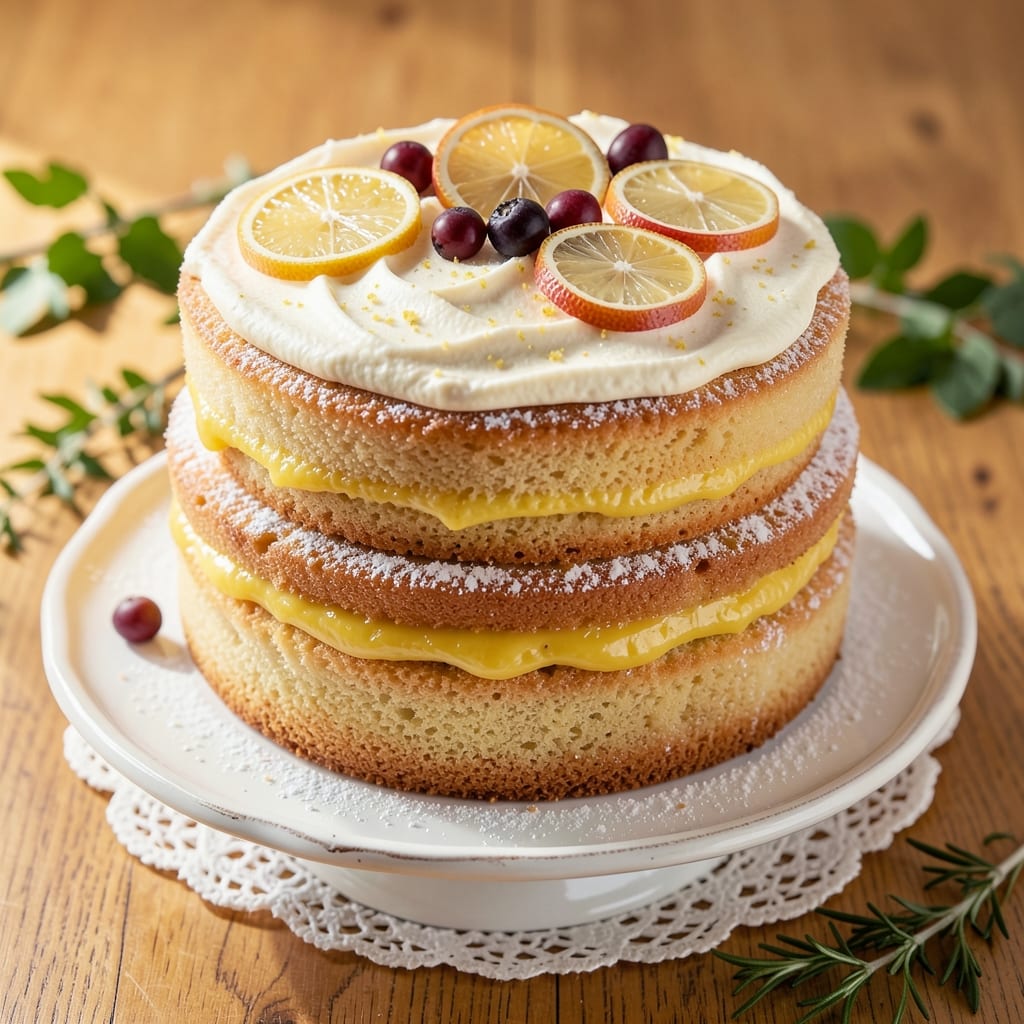
This Amish lemon cake recipe delivers the perfect balance of tender buttery layers and bright citrus glaze that’ll have everyone asking for seconds. 🌟 The secret lies in its simple, foolproof method—just mix, bake, and finish with a zesty lemon glaze that transforms ordinary cake into something extraordinary. I’ve perfected this recipe over years of baking, ensuring each slice is moist, flavorful, and just sweet enough to let the lemon shine.
The beauty of this cake is its versatility—whether you’re baking for a family gathering or treating yourself to a weekend dessert, it’s always a crowd-pleaser. The traditional Amish approach uses basic pantry staples (flour, sugar, butter, and lemons) with minimal mixing, making it beginner-friendly yet impressive. The glaze isn’t just for decoration; it adds that signature tangy kick that makes this cake unforgettable.
What you’ll end up with is a cake that’s rich and tender with a golden crust, topped with a glossy lemon glaze that caramelizes slightly at the edges. The layers stay moist for days, and the glaze adds a professional touch without requiring fancy techniques. This is the kind of dessert that feels like a hug—comforting, familiar, and utterly delicious.
Ready to bake? The recipe includes step-by-step instructions for mixing, baking, and glazing, plus tips for adapting it to dietary preferences. Let’s get started—your kitchen will smell like heaven in no time!
Ingredients for amish lemon cake
Eight simple pantry staples and three juicy lemons—this is all you need for a showstopper cake.
| Ingredient | Amount | Notes |
|---|---|---|
| All-Purpose Flour 🌾 | 2 ½ cups | Sifted for light texture |
| Granulated Sugar 🍚 | 2 cups | White or light brown |
| Unsalted Butter 🧈 | 1 cup | Room temperature, full-fat |
| Fresh Lemons 🍋 | 3 whole | Juiced and zested |
| Large Eggs 🥚 | 3 whole | Room temperature |
| Baking Powder 🧂 | 2 tsp | Diamond Crystal preferred |
| Salt 🧂 | ½ tsp | Fine sea salt |
| Vanilla Extract 🌿 | 1 tsp | Pure vanilla preferred |
| Powdered Sugar 🍚 | 2 cups | For glaze, sifted |
| Heavy Cream 🥛 | ¼ cup | Cold, for glaze |
| Lemon Zest 🍋 | 1 tbsp | Extra for glaze |
The butter and flour are your cake’s foundation. Crisco or shortening works if you’re avoiding dairy, but butter gives that classic Amish richness. Grab the best quality flour you can find—King Arthur or Bob’s Red Mill make a noticeable difference. The lemons? Fresh is non-negotiable—frozen concentrate won’t cut it here. I always grab a few extra lemons for garnish and drinks. Store-bought lemon juice lacks the bright, complex flavor you need for that signature tang. Look for plump, heavy lemons—they yield more juice and zest.
No vanilla? Almond extract at half the amount works in a pinch, though it’ll taste different. Short on powdered sugar for the glaze? Granulated sugar blended into a powder in a food processor does the trick. The glaze needs to be thick enough to drip slightly—that’s the magic. If your cake’s a little dry, brush the layers with lemon juice mixed with a splash of cream before adding the glaze. And if you’re baking ahead? Wrap the cake tightly in plastic—it stays moist for days, but the glaze is best added fresh.
This cake keeps beautifully—3 days at room temperature if wrapped tightly, or 1 week refrigerated. The glaze sets as it cools, so don’t rush it. For extra shine, add a drizzle of melted butter to the glaze before applying. Freezing? Wrap each layer individually—up to 3 months. The lemon flavor actually deepens over time, so leftovers taste even better the next day. And if you’re feeling fancy, dust the top with powdered sugar right before serving—it looks like a bakery bought it.
Why You'll Love This Recipe
- No Fuss Mixing: I’ll be real—this cake comes together with just a bowl and a whisk. No stand mixer, no fancy techniques, just creaming butter and sugar until it’s light, then folding in lemon zest that smells like sunshine. My kids can handle the prep while I sip coffee.
- Zesty Magic: That bright lemon flavor? It’s not overpowering—just enough to make every bite feel fresh, with a tender crumb that’s just sweet enough. The butter keeps it rich, but the lemons cut through like a cool breeze on a summer day. (Yes, even on a Tuesday night.)
- Double Duty Cake: Slice it warm for breakfast with a pat of butter, or let it cool for a picnic dessert. Honestly, I’ve even used leftover pieces in lemon bars—just press them into a crust with a little extra sugar. Versatile enough for brunch or a church potluck.
- Budget Bright Spot: Flour, sugar, butter, eggs, and lemons? Check. All pantry staples or cheap to grab. I’ve made this for under $5 and still had enough to share. Plus, the leftovers stay moist for days—no sad, dry cake here. My secret weapon for frugal baking.
Step-by-step instructions for Amish lemon cake
Here's how to bake layers of tender lemon cake with that signature buttery crumb and tangy glaze.
🍳 Step 1: Cream Butter and Sugar Until Light
In a stand mixer fitted with the paddle attachment, beat the room temperature unsalted butter and granulated sugar on medium speed for 3-4 minutes. You're looking for a pale, fluffy texture that nearly doubles in volume. This creaming process incorporates air, which creates that signature Amish cake lightness.
Here's the thing—I always scrape down the sides of the bowl with a rubber spatula every 30 seconds to ensure even mixing. The butter should look smooth and ribbon-like when you lift the paddle. If it still has grainy bits, beat for another 30 seconds. This step makes or breaks your cake texture, so don't rush it.
👨🍳 Step 2: Add Eggs and Lemon One at a Time
Add the large eggs, one at a time, mixing on low speed for 30 seconds after each addition until fully incorporated. Then add the 1 teaspoon vanilla extract and mix for another 10 seconds. The mixture might look slightly curdled, but that's normal—it'll come together.
Now for the lemon magic: juice all 3 fresh lemons (about ½ cup juice) and add it to the batter. Mix on low speed for 20 seconds just to combine. I know it seems like too much lemon, but trust me—the flavor balances perfectly with the sweetness. Add the 1 tablespoon lemon zest and mix for another 10 seconds. This is where the real zing comes from!
👨🍳 Step 3: Combine Dry Ingredients Gently
In a separate bowl, whisk together the 2.5 cups all-purpose flour, 2 teaspoons baking powder, and ½ teaspoon salt. Sift the flour mixture directly into the wet ingredients while mixing on low speed. This prevents gluten development and keeps your cake tender. Mix just until combined—you should still see some flour streaks.
Here's a pro tip: Don't overmix. Once the flour disappears, stop immediately. Overmixing develops gluten, which makes your cake tough instead of light and fluffy. The batter should be smooth but slightly thick—like pancake batter consistency.
🔥 Step 4: Bake Until Golden and Springy
Preheat your oven to 350°F and grease two 9-inch round cake pans. Divide the batter evenly between the pans. Bake for 25-30 minutes or until a toothpick inserted in the center comes out clean and the tops spring back when touched lightly. The edges should be golden brown, but the centers might still look slightly underdone—that's okay!
I press down gently on the center of each cake with my finger when they come out of the oven. If it springs back immediately, they're done. If not, return them to the oven for another 2-3 minutes. Let the cakes cool in the pans for 10 minutes, then transfer to a wire rack to cool completely.
🥘 Step 5: Make the Lemon Glaze and Assemble
While the cakes cool, make the glaze by whisking together the 2 cups powdered sugar, ¼ cup cold heavy cream, and an additional 1 tablespoon lemon zest. Add 1-2 tablespoons lemon juice (from your lemons) until you reach a smooth, spreadable consistency. You want it thick enough to hold its shape when drizzled, but thin enough to spread easily.
Once the cakes are completely cool, place one layer on a serving plate. Spread about ½ cup glaze over the top, then add the second layer. Drizzle the remaining glaze over the top and sides of the cake. For extra lemon flavor, I like to sprinkle additional zest on top before serving. This glaze keeps the cake moist and adds that signature tangy sweetness.
Pro Tips For Making Amish Lemon Cake
- Whisk Butter and Sugar Longer: I learned this the hard way—beat the butter and sugar until it’s pale yellow and fluffy, not just lightened. That extra 2-3 minutes incorporates more air, giving your cake that signature Amish tenderness. (Yes, even if you’re impatient like me.)
- Zest Before Juicing: Use the entire lemon—zest first, then juice. The zest packs the bright, citrusy punch that sets this cake apart, while the juice keeps it moist. Just avoid the bitter white pith; scrape it off with a knife. (Your cake’s flavor will thank you.)
- Room-Temp Eggs Matter: Cold eggs? Skip it. Let them sit out for 30 minutes before cracking them into the batter. They’ll blend smoother and whip up lighter, preventing dense patches in your cake. (I know, I know—but trust the process.)
- Check Doneness with a Toothpick: The cake might look set, but pull it when a toothpick comes out with just a few moist crumbs—not wet batter. Overbaking dries out the lemon flavor, and underbaking leaves it gummy. (Your future self will thank you for not guessing.)
Make-ahead tips for this dish
Prep Ahead Strategy
Bake the cake layers up to 2 days in advance—this is where the flavors really develop. Once fully cooled, wrap each layer tightly in plastic wrap and store at room temperature. The glaze should be made fresh before serving, though, as it sets beautifully when applied to cooled cake. This gives you a head start on weekends or holidays when you're busy. 📅
Freezer-Friendly Layers
For longer storage, freeze the baked layers individually in airtight freezer bags for up to 3 months. Thaw overnight in the fridge before assembling. The texture stays perfect this way, though the glaze must still be made fresh. I like to label the bags with the date so I don't forget when they went in. The lemon flavor actually intensifies when stored properly! ❄️
Glaze Prep Shortcut
Make the glaze ingredients ahead of time and store them separately in small containers. Mix the powdered sugar and lemon zest in one jar, and keep the heavy cream and lemon juice in another. When ready to assemble, simply whisk everything together. This saves 10 minutes of prep time when you're ready to serve. The glaze keeps well for 3 days in the fridge if stored in an airtight container. 💡
Transporting for Events
For potlucks or gatherings, transport the cake layers and glaze separately in stackable containers. Assemble just before serving to keep everything fresh. If you need to transport the finished cake, place it in a sturdy cake carrier and keep it at room temperature. The glaze will stay intact if the cake isn't exposed to extreme heat or cold. This method keeps the cake looking bakery-fresh all day long. 🚗
Reheating Leftover Cake
If you have leftovers, store them in an airtight container at room temperature for up to 3 days. To refresh the texture, warm slices in a 300°F oven for 3-5 minutes or microwave for 10 seconds. The glaze might soften slightly, but a quick broil for 10 seconds can restore its shine. I often reheat slices for breakfast—they're like warm lemony pastries! 🍋
Make-Ahead Assembly
For a truly stress-free dessert, assemble the cake 12 hours ahead and refrigerate. The flavors meld beautifully overnight, and the glaze sets perfectly. Just bring it to room temperature for 30 minutes before serving. This is perfect for overnight guests or when you want to enjoy the cake without last-minute prep. The cake stays moist and delicious for 4-5 days when stored this way. ✨
Nutrition facts
Frequently asked questions
Can I substitute fresh lemons with bottled lemon juice?
Fresh lemons are essential for that bright, authentic flavor! While you can use bottled lemon juice in a pinch, it lacks the complex citrus notes and zest that make this cake special. If you must substitute, use 1 tablespoon lemon zest plus ½ cup bottled juice—but fresh is always better.
Why does my Amish lemon cake turn out dense instead of light?
Overmixing the batter or using cold butter are the most common culprits. Make sure your butter is room temperature and mix the dry ingredients just until combined. Also, avoid overbaking—remove the cake when a toothpick comes out clean but the edges are still slightly soft.
Can I make this cake in a single layer instead of two?
For a single 9-inch layer, bake at 350°F for 35-40 minutes in a greased pan. The glaze will still work perfectly—just adjust the amount to cover the top and sides. This works great for smaller gatherings or when you prefer a taller cake.
How do I make this cake vegan?
Swap the butter for vegan butter or coconut oil, use flax eggs (1 tbsp ground flaxseed + 3 tbsp water per egg), and replace heavy cream with coconut cream. The glaze can stay the same, but use vegan powdered sugar if needed. The texture will be slightly different but still delicious!
What’s the best way to store leftover cake?
Wrap tightly in plastic wrap and store at room temperature for up to 3 days, or refrigerate for 1 week. For longer storage, freeze individual layers (up to 3 months)—just thaw and glaze fresh before serving. The lemon flavor actually improves over time!