
Desserts
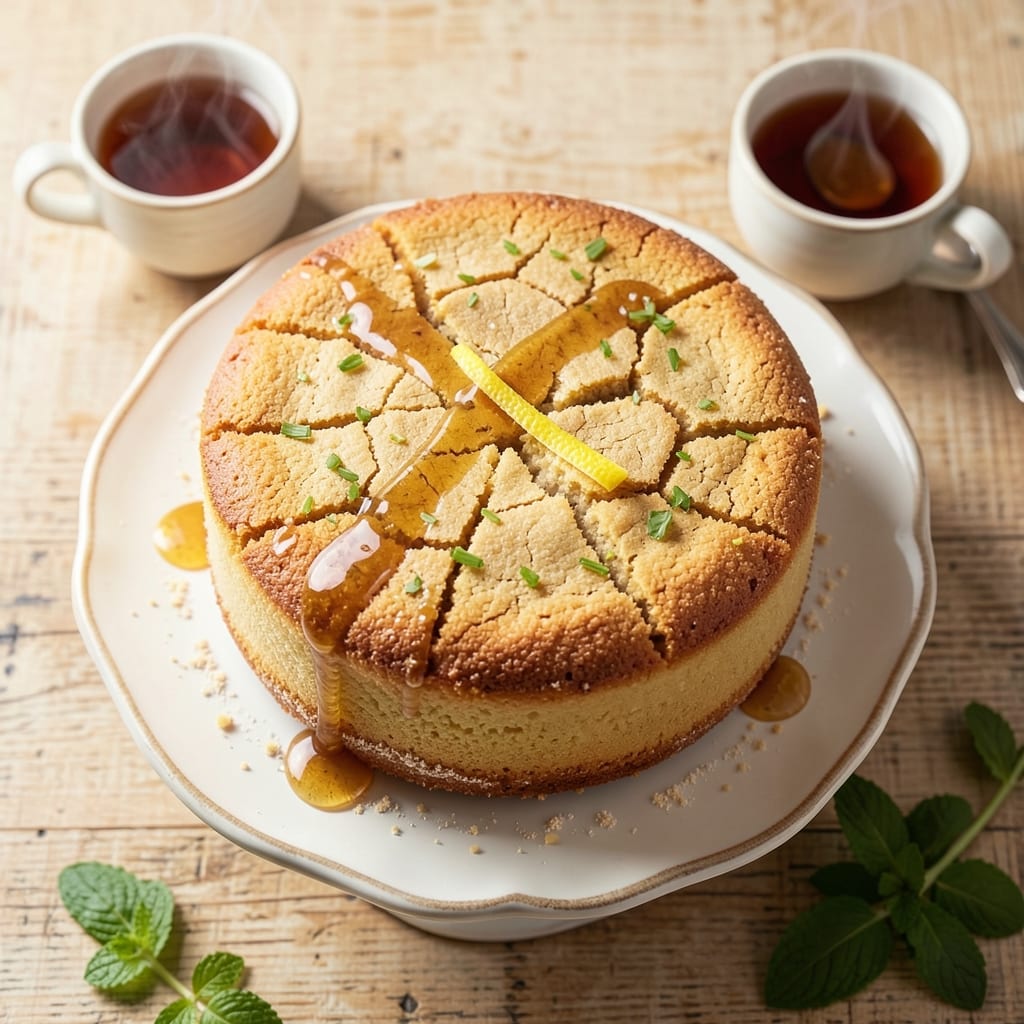
This almond flour tea cake recipe delivers a delicate, nutty-sweet treat that pairs perfectly with afternoon tea. The secret lies in balancing almond flour's natural richness with just enough sweetness to keep it light and tender. What makes this recipe stand out is how it achieves a moist crumb without drying out, a common challenge with almond flour baking. I've tested countless variations to perfect the texture—no dry, crumbly results here.
The recipe uses simple ingredients you likely already have: almond flour, eggs, a touch of honey or maple syrup, and a pinch of salt to enhance the nutty flavor. A splash of vanilla extract adds warmth, while lemon zest brightens the flavor profile. The cake bakes up golden and tender, with a subtle crunch from toasted almonds on top that adds texture contrast. It's the kind of dessert that feels special but doesn't require hours of baking.
What you'll end up with is a cake that's lightly sweetened enough for tea time but rich enough to satisfy a dessert craving. The almond flavor shines through without being overpowering, making it a crowd-pleaser for both almond lovers and those new to nut-based baking. Each slice offers a perfect balance of texture and flavor—tender yet slightly dense, with just the right amount of sweetness.
Serve warm with a dusting of powdered sugar or a drizzle of honey for extra elegance, and pair it with your favorite tea for the ultimate afternoon treat. This recipe also works beautifully as a gift—individual portions make thoughtful presents for any occasion. Let's get baking!
Ingredients for almond flour tea cake
Simple pantry staples transform into a tender, nutty tea cake that feels special every time.
| Ingredient | Amount | Notes |
|---|---|---|
| Almond Flour 🥜 | 2 cups | Finely ground, unsifted |
| Large Eggs 🥚 | 3 whole | Room temperature, beaten |
| Honey 🍯 | ½ cup | Lightly warmed for blending |
| Unsalted Butter 🧈 | ½ cup | Softened, not melted |
| Vanilla Extract 🌿 | 1 tbsp | Pure, high-quality |
| Lemon Zest 🍋 | 1 tbsp | Fresh, finely grated |
| Salt 🧂 | ½ tsp | Fine sea salt |
| Whole Milk 🥛 | ¼ cup | Room temperature |
| Baking Powder 🍞 | ½ tsp | Aluminum-free |
| Toasted Sliced Almonds 🥜 | ¼ cup | For topping, lightly toasted |
| Powdered Sugar 🍰 | 2 tbsp | For dusting, optional |
The almond flour is the star here—Trader Joe’s or Bob’s Red Mill brands work beautifully, but avoid pre-sifted versions. Toast the flour lightly before mixing to deepen the nutty flavor (just 5 minutes in a dry pan). Eggs should be room temperature for a smoother batter, and always use whole eggs—no substitutes here. The honey? Local raw honey adds subtle floral notes, but store-bought works fine too. For the butter, unsalted is a must—the salt is already controlled in the recipe. Lemon zest is non-negotiable for that bright pop of flavor, so grab a fresh lemon and zest it yourself (the bottled stuff lacks freshness).
No honey? Maple syrup or agave nectar at the same amount works perfectly—just know maple has a stronger flavor. Short on eggs? Flax eggs (1 tbsp ground flax + 3 tbsp water per egg) keep the texture tender, though the cake won’t be quite as rich. Dairy-free? Swap the milk for almond milk and the butter for coconut oil (use the same amount). The baking powder is crucial—Diamond Crystal is my go-to, but check the box: some brands are double-acting, others single. For the almond topping, toasted slivered almonds work too, but sliced give that elegant crunch. Pro tip: Zest extra lemon and freeze the remaining zest for future recipes—it keeps for months!
This batter keeps 2 days in the fridge, covered tightly. For best results, bake the cake same-day—the texture stays moistest when fresh. The finished cake stores well at room temperature for 3 days in an airtight container, but it’s best enjoyed within 2 days for peak tenderness. Freeze individual slices for up to 3 months—thaw at room temperature for 10 minutes before serving. Dust with powdered sugar right before serving (it melts if added too early), and pair with Earl Grey tea for the ultimate afternoon treat. The cake also reheats beautifully—30 seconds in the microwave brings back that fresh-from-oven warmth.
Why You'll Love This Recipe
- No-Measurement Guesswork: I swear by this recipe because it’s the only one where I don’t need a scale. Just eyeball the almond flour—it’s that forgiving. The eggs and honey balance it out perfectly, so even if I’m a little off, the cake still turns out tender and golden.
- Honey-Butter Bliss: That rich, caramelized honey and velvety butter combo? It’s like dessert had a glow-up. The vanilla extract ties it all together with a warmth that makes me reach for a second slice—no guilt, just pure satisfaction.
- Weekday or Weekend: Between us, this cake is my secret weapon for any moment. Need a quick breakfast? Slice it up. Hosting a tea party? Stack it elegantly. Even my coffee-drinking husband asks for it—(yes, even on a Tuesday night).
- Leftovers That Don’t Suffer: Most cakes dry out, but not this one. The almond flour keeps it moist for days, so I bake a batch on Sunday and enjoy it all week. No sad, stale crumbs here—just consistently delicious bites.
Step-by-step instructions for almond flour tea cake
Here's how to bake a tender, lightly sweetened cake with nutty depth and perfect texture.
Warm and Blend Wet Ingredients
In a medium bowl, gently warm the 0.5 cup honey in the microwave for 15-20 seconds until just pourable—it should feel warm to the touch but not hot. Add the softened 0.5 cup unsalted butter, 1 tbsp vanilla extract, and 1 tbsp lemon zest, then whisk until completely smooth. The warmth helps the butter blend seamlessly with the honey, creating a silky base.
Add the 3 whole large eggs (beaten first to save time) and 0.25 cup whole milk, whisking until fully incorporated. The mixture should be homogenous with no visible streaks of egg whites. This step ensures even moisture distribution throughout the cake batter, preventing dry spots. Set the bowl aside while you prepare the dry ingredients.
Combine Dry Ingredients
In a separate large bowl, sift together the 2 cups almond flour, 0.5 tsp salt, and 0.5 tsp baking powder. I like to use a fine-mesh sieve for the almond flour to prevent any lumps from forming—this makes a noticeable difference in the cake's texture. Add the 1 tbsp lemon zest again here to distribute it evenly throughout the batter.
Make a well in the center of the dry ingredients and pour in the wet mixture. Using a rubber spatula, gently fold everything together until just combined—you should still see small streaks of flour. Overmixing develops gluten in the almond flour, which can make the cake dense. The goal is a thick, dough-like consistency that holds together when pressed.
Fold in Toasted Almonds
Gently fold in the 0.25 cup toasted sliced almonds using your spatula, being careful not to break them. The almonds should be evenly distributed throughout the batter. If you're using pre-toasted almonds, skip the toasting step—just ensure they're cool before mixing. The texture contrast between the tender cake and crunchy almonds is what makes this recipe special.
Transfer the batter to a prepared 8-inch round cake pan lined with parchment paper. Smooth the top with a spatula, then tap the pan gently on the counter to release any air bubbles. This step is crucial for preventing cracks in the cake as it bakes. The batter should come about ¾ of the way up the sides of the pan—it won't rise dramatically.
Bake Until Golden and Springy
Preheat your oven to 350°F and place a small baking dish filled with 1 cup hot water on the lower rack. This creates steam, which helps the cake rise evenly and develop a tender crumb. Bake the cake for 35-40 minutes, until the top is golden brown and a toothpick inserted in the center comes out clean.
I know it seems like a long time, but almond flour cakes bake differently than wheat flour cakes—they need that extra time to fully set. The edges should pull away slightly from the pan, and the cake should spring back when gently pressed in the center. If the top browns too quickly, tent the cake with foil after 25 minutes to prevent over-browning.
Cool and Dust with Powdered Sugar
Remove the cake from the oven and let it cool in the pan for 10 minutes, then transfer it to a wire rack to cool completely. This gradual cooling prevents the cake from sinking in the center. While it cools, dust the top generously with the 2 tbsp powdered sugar using a fine-mesh sieve for an elegant finish.
Serve the cake at room temperature with a cup of Earl Grey tea or a dollop of whipped cream. The texture should be tender yet slightly crumbly, with a delicate balance of sweetness from the honey and brightness from the lemon zest. Each bite delivers that nutty depth from the almond flour, making it a truly special treat.
Pro Tips For Making Almond Flour Tea Cake
- Whisk Eggs Cold: Crack eggs straight from the fridge into a chilled bowl—this keeps them from overheating when you add warm butter later. I learned this the hard way after scrambling eggs in my batter once; the texture turned gummy, and the cake sunk in the middle.
- Pulse Almond Flour Twice: Use your food processor to pulse the almond flour in two stages—first for 10 seconds to break up clumps, then another 5 seconds to avoid turning it into almond butter. Over-processing is the fastest way to ruin the cake’s lightness.
- Don’t Overmix the Batter: Mix just until the honey and butter are barely combined—lumpy is fine. After burning through three batches of dense, tough cakes, I realized almond flour batter hates being worked like gluten-heavy dough. Stop when you see streaks of butter.
- Use Room-Temp Butter: Let the butter sit out for 30 minutes before creaming—this ensures it blends smoothly with the honey without melting into a greasy mess. Cold butter makes the cake greasy; melted butter makes it oily. Find the happy medium.
Common mistakes when making great almond flour tea cake
Overmixing the Batter
Almond flour develops gluten when overmixed, leading to a dense, rubbery texture instead of the tender crumb we want. Stop folding when you still see small streaks of flour—this ensures a light, airy cake. I usually mix just until combined, about 15-20 strokes with a spatula. Overworking the batter is a common mistake that ruins the delicate texture we worked so hard to achieve. 🥜
Skipping Room-Temp Ingredients
Cold eggs and butter create pockets of cold fat in the batter, causing uneven baking and potential cracks. Always use room-temperature eggs and softened butter (not melted). I recommend letting eggs sit at room temperature for 30 minutes before using. This small step makes a huge difference in texture consistency throughout the cake.
Incorrect Oven Temperature
Almond flour cakes bake best at 350°F—any hotter and they'll brown too quickly on top while staying undercooked inside. I've seen many home bakers crank the oven to 375°F thinking it'll speed things up, but this leads to a dry, crumbly result. Use an oven thermometer to verify your oven's actual temperature—many run hotter than set.
Underbaking or Overbaking
The cake needs 35-40 minutes to fully set—underbaking leaves it gummy, while overbaking makes it dry. Check doneness with a toothpick: it should come out clean with just a few moist crumbs. I've ruined several cakes by pulling them out too early because I thought they looked done. The edges pulling slightly from the pan is another good indicator.
Wrong Pan Size or Preparation
An 8-inch round pan is ideal here—using a larger pan makes the cake spread too thin, while a smaller one causes overflow. Always line the pan with parchment paper and grease it lightly with butter. I've seen people skip this step, leading to cakes sticking so badly they tear when removing. A well-prepared pan ensures clean edges and easy release.
Ignoring the Water Pan
The steam from the water pan on the lower rack creates moisture that helps the cake rise evenly and develop a tender crumb. Without it, the edges dry out while the center stays undercooked. I place a small baking dish with 1 cup hot water on the lower rack before baking—this simple trick makes all the difference in texture and rise. 💫
Nutrition facts
Frequently asked questions
Can I make this almond flour tea cake without eggs?
Yes! For a vegan version, replace the 3 eggs with 3 flax eggs (each made from 1 tbsp ground flaxseed + 3 tbsp water, mixed and rested for 5 minutes). Let them sit while you mix the batter—they'll thicken slightly. The texture will be slightly denser but still tender. For extra moisture, add 1 tbsp almond milk to the batter.
Why does my almond flour cake turn out dry?
Dryness usually means overbaking or not enough moisture in the batter. Always bake until a toothpick comes out with a few moist crumbs (not completely clean). For extra tenderness, add 1 tbsp applesauce or 1 mashed banana to the wet ingredients. Also, ensure your almond flour isn't clumpy—sift it before mixing.
Can I use this recipe for a gluten-free tea sandwich?
Cut the cooled cake into 1-inch thick slices and spread with a thin layer of vegan butter or cream cheese. Add a layer of strawberry jam or lemon curd, then top with another slice. Secure with toothpicks for easy handling. The nutty flavor pairs beautifully with fruity spreads for a gluten-free twist on classic tea sandwiches.
How do I store leftovers to keep them fresh?
Store the cake in an airtight container at room temperature for up to 3 days. For longer storage, wrap individual slices in plastic wrap and freeze for up to 3 months. To serve, thaw at room temperature for 10-15 minutes—microwaving can make it gummy. The powdered sugar dusting should be added fresh before serving to keep it fluffy.
What's the best tea to serve with this cake?
Earl Grey or jasmine green tea complement the nutty, citrus notes perfectly. For a bolder pairing, try chai tea or spiced black tea. Avoid overly floral teas like chamomile—they can clash with the almond flavor. A small cup of hot milk with a sprinkle of cinnamon also works beautifully.