
Desserts
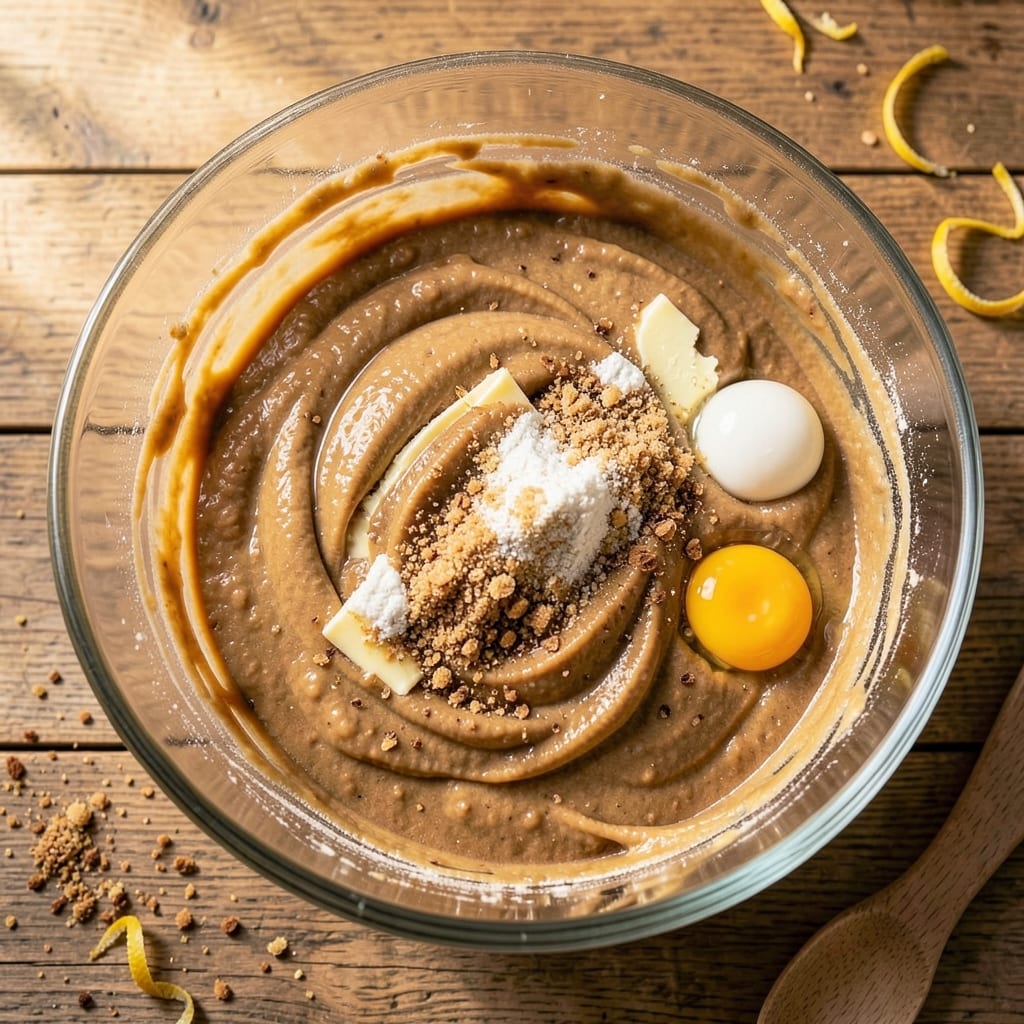
This banana cake recipe video delivers restaurant-quality results with moist layers and a perfectly caramelized top—no baking experience required. I developed this version after years of perfecting the balance between tender crumb and that signature sticky crust. The secret lies in ripe bananas and a simple technique that ensures every slice stays fresh-tasting for days.
What makes this recipe stand out is the foolproof method that works for both beginners and experienced bakers. You'll mix everything in one bowl, then bake until the edges are golden and the center springs back when gently pressed. The video guide shows exactly when to check for doneness, so you'll never overbake or undercook again.
By the time you pull this cake from the oven, you'll have a velvety texture throughout with a caramelized top that's impossible to resist. The aroma alone will have everyone gathering in the kitchen, and the first bite delivers that perfect balance of sweetness and moisture. This is the kind of dessert that feels like a hug in cake form.
Whether you're filming a tutorial or baking for a crowd, this recipe scales perfectly while maintaining its signature qualities. The step-by-step approach ensures you'll achieve professional results every time, with minimal effort and maximum flavor. Let's get started!
Ingredients for banana cake recipe video
Ripe bananas, tender flour, and just the right balance of sugars create this velvety cake with a caramelized top.
| Ingredient | Amount | Notes |
|---|---|---|
| Ripe Bananas 🍌 | 2 cups | Mashed, about 3-4 medium bananas |
| All-Purpose Flour 🌾 | 1 ½ cups | Sifted, spooned lightly |
| Granulated Sugar 🍚 | 1 cup | White or light brown |
| Light Brown Sugar 🍚 | ½ cup | Packed lightly |
| Unsalted Butter 🧈 | ¾ cup | Room temperature, softened |
| Large Eggs 🥚 | 2 whole | Room temperature |
| Baking Soda 🧂 | ½ tsp | Pure, not baking powder |
| Ground Cinnamon 🌿 | 1 ½ tsp | Freshly ground preferred |
| Salt 🧂 | ½ tsp | Fine sea salt |
| Vanilla Extract 🍯 | 1 tsp | Pure vanilla, not imitation |
| Walnuts 🌰 | ½ cup | Chopped, toasted optional |
| Buttermilk 🥛 | ½ cup | Fresh or homemade |
The bananas are non-negotiable here—look for those with brown spots, which means they're packed with natural sweetness. Trader Joe's and Whole Foods usually have the ripest selection. If you can't find ripe ones, speed up the process by placing them in a paper bag with an apple overnight. The walnuts add texture, but if you're nut-free, toasted pecans or even chocolate chips work beautifully. For the butter, Land O'Lakes unsalted or Plugrá are my go-tos—they melt beautifully and add richness without overpowering the banana flavor.
No buttermilk? Mix 1 tablespoon lemon juice or vinegar with 1 cup milk and let it sit for 5 minutes. The vanilla extract should be pure—Nielsen-Massey is a solid brand, but any good-quality extract works. Running short on brown sugar? White sugar plus 1/4 teaspoon molasses mimics the flavor. For the cinnamon, Penzeys or the bulk section at Sprouts are great sources—just make sure it's fresh. If your cake batter seems too thick, add 1-2 tablespoons of milk to loosen it up. The goal is a smooth, pourable batter that still holds its shape when baked.
This cake keeps beautifully—3-4 days at room temperature covered loosely with plastic, or 1 week in the fridge. For longer storage, wrap tightly and freeze for up to 3 months. The caramelized top is best enjoyed fresh, but the moist layers stay tender for days. I like to slice it while still warm, then store the pieces in an airtight container. The aroma alone will have everyone thinking you're a professional baker—trust me on this.
Why You'll Love This Recipe
- No-Mess Mixing: I swear by this recipe because there’s no muffin-tin fuss—just mash those bananas right in the bowl with the butter, then fold in the dry stuff. The batter’s thick but not gloopy, so no overmixing or sad cake domes here.
- Sweet-Spiced Magic: That combo of brown sugar and ripe bananas? It’s like dessert hugs you. The brown sugar caramelizes just enough to give it depth, while the bananas keep it moist without tasting like a smoothie.
- Breakfast or Snack: Honestly, I make this for breakfast when I’m lazy, but it’s also my go-to for after-school snacks. Slice it thin, toast it, and suddenly you’ve got a treat that feels fancy but costs pennies.
- Pantry Rescue: Between us, this recipe saves me when my fruit bowl gets sad. Overripe bananas? Perfect. Leftover butter? No problem. It’s the ultimate way to use up what’s already staring at you in the fridge.
Step-by-step instructions for banana cake with caramelized top
Here's how to create a cake that's wonderfully moist inside with a perfectly caramelized crust.
Prepare the Banana Puree and Mix Dry Ingredients
In a medium bowl, mash the 2 cups ripe bananas until completely smooth—no lumps should remain. I like to press them through a fine-mesh sieve for extra silky texture, but a fork works too. Set aside while you prepare the dry ingredients.
In a separate bowl, whisk together the 1.5 cups all-purpose flour, 1 cup granulated sugar, 0.5 cup light brown sugar, 0.5 tsp baking soda, 1.5 tsp ground cinnamon, and 0.5 tsp salt. Sift the flour first to prevent clumping, then mix in the sugars and spices. This ensures even distribution and prevents dense spots in your cake.
Cream Butter and Eggs for Light Texture
In a stand mixer fitted with the paddle attachment, beat the 0.75 cup softened unsalted butter on medium speed until completely smooth and creamy—about 2 minutes. Add the 2 whole large eggs, one at a time, mixing well after each addition. The mixture should lighten in color and become slightly fluffy.
This creaming process incorporates air, which creates a tender crumb. If your butter isn't softened enough, the cake will turn out dense. I always test by pressing my finger into the butter—if it leaves a slight indentation, it's ready.
Combine Wet and Dry Ingredients
Gradually add the dry ingredient mixture to the butter-egg mixture, alternating with the 0.5 cup buttermilk, beginning and ending with the flour. Mix on low speed just until combined—you should still see small streaks of flour. Overmixing develops gluten, which makes the cake tough.
Once combined, fold in the 1 tsp vanilla extract and the 0.5 cup chopped walnuts. I like to toast the walnuts first for extra flavor, but raw works too. The walnuts add texture contrast to the soft cake layers.
Bake for Moist Layers and Caramelized Top
Preheat your oven to 350°F and grease a 9-inch round cake pan, then line the bottom with parchment paper. Pour the batter into the prepared pan and smooth the top. Bake for 45-50 minutes, or until a toothpick inserted in the center comes out clean.
For that beautiful caramelized top, increase the oven temperature to broil for the last 2-3 minutes of baking. Watch carefully—the top should turn golden brown but not burn. This high heat creates the perfect contrast between the moist interior and crisp exterior.
Rest and Serve for Perfect Texture
Remove the cake from the oven and let it cool in the pan for 10 minutes. Then transfer it to a wire rack to cool completely. This resting period allows the cake to set properly, ensuring clean slices and maximum moisture.
Slice when completely cool for the cleanest cuts. The interior should be tender and moist, with a subtle banana flavor, while the top remains beautifully caramelized. Serve with a dusting of powdered sugar or a dollop of whipped cream for extra indulgence.
Pro Tips For Making Banana Cake Recipe Video
- Mash Bananas First: I learned this the hard way—skipping the mash and just tossing in whole bananas leads to dense, uneven cake. Use a fork to break them down into a thick purée (no blender needed), then strain out excess liquid if your bananas are extra ripe. This keeps the texture light and prevents a gummy center.
- Weigh Your Butter: Brown sugar and butter are the real stars here, so don’t eyeball it. Pack the brown sugar into the measuring cup (it’s fluffy, not dense) and weigh the butter—1 stick is exactly 8 tablespoons, not "a little more." Creaming cold, cubed butter with the sugars creates air pockets that make this cake rise better than if you melt it first.
- Stop When the Center Jiggles: Banana cakes are forgiving, but overbaking turns them dry. Test with a toothpick—pull it out when it comes out with a few moist crumbs but no wet batter. If you’re unsure, cover the cake with foil after 20 minutes and let it finish steaming inside. The edges will look set before the middle is ready.
- Use Warm Eggs: Sounds weird, but it works: take eggs straight from the fridge and let them sit in warm water for 5 minutes before beating. The warmth helps them emulsify better with the butter and sugar, giving your cake a lighter crumb. (Yes, even if you’re impatient like me—just don’t scald them.)
Troubleshooting perfect results
Overmixed Batter
If your batter looks like pancake batter or has thick streaks of flour, you've overmixed it. This develops gluten, making your cake dense and tough. I've learned the hard way—stop mixing as soon as you see small streaks of flour remaining. Use a hand mixer on low speed or a wooden spoon for folding dry ingredients to avoid overworking. 🥄
Dense or Dry Cake
Dense cake often means your butter wasn't softened enough or you packed the brown sugar too tightly. For the 0.75 cup butter, let it sit at room temperature for 1-2 hours until it leaves a slight indentation when pressed. For the 0.5 cup brown sugar, pack it lightly—don't press down hard. Also, make sure your bananas are ripe but not mushy. Overripe bananas add too much moisture, leading to a gummy texture.
Cake Sticks Together
If your cake slices are gummy or sticky, it's likely underbaked. The toothpick test is key—insert it in the center, and if it comes out with moist crumbs but no wet batter, it's done. For a 9-inch round cake, 45-50 minutes at 350°F is usually perfect. If your oven runs hot, reduce the temperature by 25°F or check for doneness 5 minutes early. The cake should spring back slightly when pressed gently in the center.
Cracked Top
Cracks often appear when the cake bakes too quickly or the oven temperature fluctuates. To prevent this, avoid opening the oven door during the first 30 minutes of baking. Also, make sure your pan is properly greased and lined with parchment paper. If you notice cracks forming, tent the cake with aluminum foil to slow the baking process. The broiling step for caramelization should only happen in the final 2-3 minutes—don't rush it!
Pale or Uneven Color
A pale cake usually means the oven wasn't hot enough or the baking time was insufficient. Double-check your oven temperature with an oven thermometer—many home ovens run 25-50°F cooler than set. For even browning, rotate the pan halfway through baking. If your cake has dark spots in some areas, it's likely due to uneven heat distribution. A 9-inch round pan placed on the middle rack ensures the most consistent results.
No Caramelization
If your cake's top isn't caramelized, the broiling step wasn't hot enough or long enough. Preheat your broiler for 3-5 minutes before placing the cake under it. Watch closely during the last 2-3 minutes—the top should turn golden brown but not burn. If your oven's broiler isn't strong enough, finish with a quick blast under the broiler in 1-minute intervals until you achieve the desired color. A hand torch can also help achieve a caramelized finish if your broiler isn't powerful enough.
Nutrition facts
Frequently asked questions
Can I substitute regular sugar for brown sugar in this banana cake?
You can use 1 cup white sugar instead of the 1 cup granulated + 0.5 cup brown sugar, but your cake may be slightly less moist and lack that rich caramelized flavor. For best results, add 1/4 teaspoon molasses to the white sugar to mimic brown sugar's depth. The texture will still be tender, but the top won't caramelize as beautifully.
How do I know when my bananas are ripe enough for this recipe?
Look for bananas with mostly brown spots on the peel and slightly soft flesh when pressed. If they're still mostly yellow with just a few brown spots, they're not ripe enough—they won't be sweet enough. Overripe bananas (black peel, very soft) work too, but they'll make your cake denser. For perfect ripeness, place unripe bananas in a paper bag with an apple overnight—they'll ripen faster from the ethylene gas.
Can I make this banana cake in a different pan size?
Yes, but you'll need to adjust the baking time. For a 8-inch round pan, bake 35-40 minutes (check at 35), and for a 9x13-inch baking dish, bake 30-35 minutes. The key is to use the toothpick test—when it comes out clean, your cake is done. If using a different shape, like a bundt pan, reduce the temperature to 325°F and bake 40-45 minutes to prevent over-browning.
Why does my banana cake always turn out dry?
Dry banana cake usually means the butter wasn't softened enough or the bananas weren't ripe. Make sure your 0.75 cup butter is at room temperature (press your finger in—it should leave a slight indentation). Also, check your oven temperature with an oven thermometer—many ovens run 25-50°F cooler than set. If your cake still seems dry, try adding 1 tablespoon sour cream or Greek yogurt to the batter for extra moisture.
Can I make this recipe without buttermilk?
Mix 1 tablespoon lemon juice or white vinegar with 0.5 cup milk and let it sit for 5 minutes to curdle. This homemade buttermilk works just as well. If you're dairy-free, use 0.5 cup coconut milk or unsweetened almond milk with 1 tablespoon vinegar. The cake will still be tender, though the flavor may be slightly less rich without the buttermilk's tang.