
Desserts
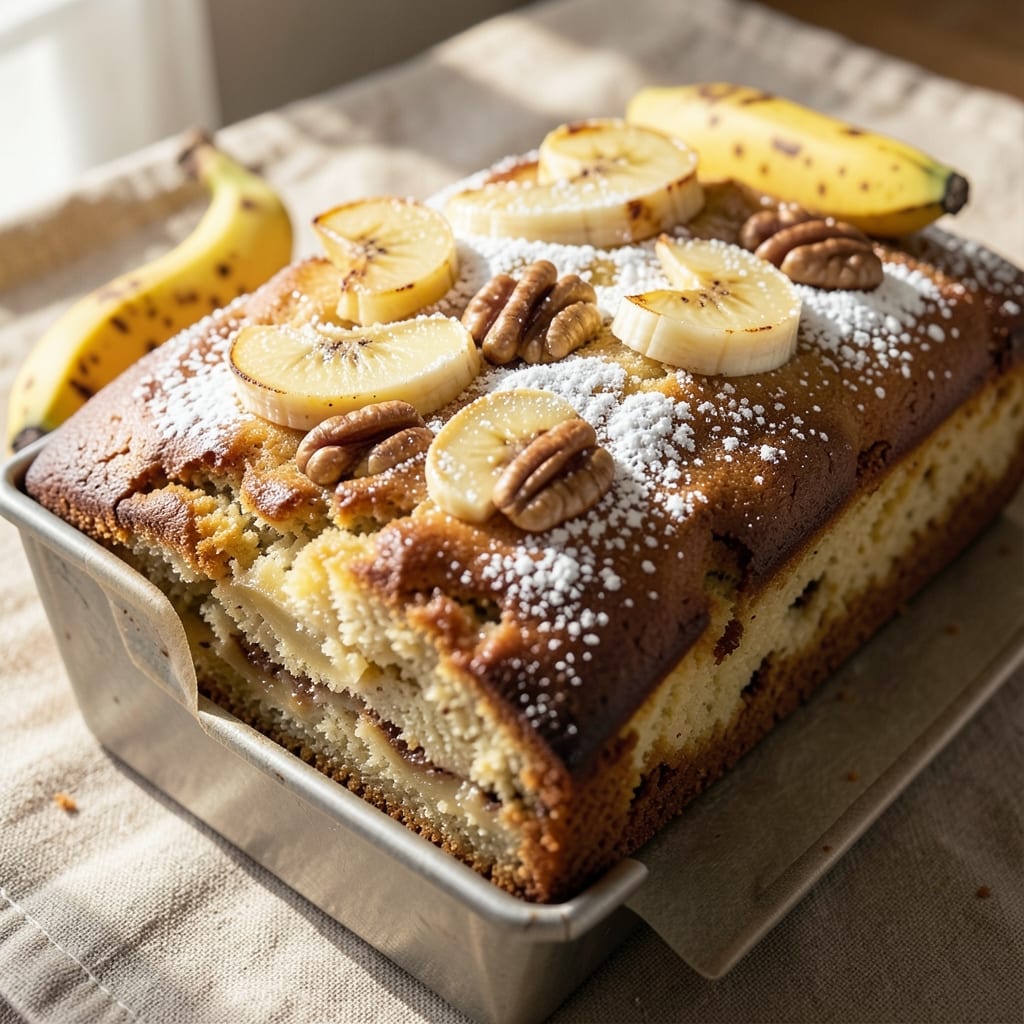
This banana cake loaf tin recipe delivers single-serving indulgence with a caramelized top that rivals bakery quality. 💛 The secret lies in using ripe bananas and a simple technique that creates a moist, tender crumb with a perfectly crispy, golden crust—ideal for satisfying sweet cravings without leftovers.
What makes this recipe stand out is its foolproof method for achieving that coveted caramelized top, even in a home oven. With just five basic ingredients and 45 minutes in the oven, you’ll have a perfectly portioned cake that’s rich, flavorful, and ready to enjoy. The loaf tin ensures even baking, while the caramelized sugar topping adds a touch of sophistication.
The result is a moist, flavorful cake with a tender crumb and a caramelized crust that’s irresistible. Whether you’re craving a quick treat or a thoughtful gift, this recipe delivers restaurant-quality results with minimal effort. The simplicity of the ingredients and the straightforward process make it perfect for both beginners and experienced bakers.
Serve it warm with a dollop of whipped cream or a scoop of vanilla ice cream for the ultimate indulgence. This banana cake is versatile enough to enjoy as-is or with a light dusting of powdered sugar—no frosting required. Let’s get baking!
Ingredients for banana cake loaf tin
Five simple ingredients transform into a restaurant-quality banana cake with golden caramelized perfection.
| Ingredient | Amount | Notes |
|---|---|---|
| Ripe Bananas 🍌 | 1 whole | Slightly squishy when pressed |
| All-Purpose Flour 🌾 | ½ cup | Sifted for even texture |
| Granulated Sugar 🍚 | ¼ cup | Light brown preferred |
| Unsalted Butter 🧈 | ¼ cup | Melted at room temperature |
| Eggs 🥚 | 1 whole | Large, room temperature |
| Baking Powder 🍳 | ½ tsp | Diamond Crystal preferred |
| Vanilla Extract 🌸 | ½ tsp | Pure, high-quality |
| Turbinado Sugar 🍚 | 2 tbsp | For caramelized topping |
| Salt 🧂 | ¼ tsp | Fine sea salt |
The bananas are everything here—ripe is non-negotiable (think slightly squishy when pressed). Trader Joe's or Whole Foods often have the perfect ones, but any grocery store's produce section works if you pick the right ones. For the sugar, light brown sugar adds subtle molasses notes that complement the bananas beautifully. The butter should be unsalted (salt is added separately) and melted just until it's liquid but not hot—room temperature is ideal. If your butter is cold, microwave it 20 seconds to soften without melting completely. The baking powder matters too—Diamond Crystal is my go-to because it's lighter than other brands.
No ripe bananas? Use 1/4 cup mashed banana puree (from slightly underripe bananas) plus 1/4 cup applesauce to mimic moisture. Substituting butter? Coconut oil works 1:1, but it adds a slight coconut flavor. For the vanilla, imitation extract won't cut it—pure Madagascar bourbon vanilla is worth the splurge if you bake often. The turbinado sugar for the caramelized topping is crucial—regular granulated won't crisp up the same way. If you can't find turbinado, demerara sugar is the next best thing. And if you're out of baking powder, baking soda + cream of tartar (1/4 tsp each) works in a pinch.
This cake keeps beautifully for 3 days at room temperature wrapped in plastic, but it's best enjoyed fresh. For longer storage, slice and freeze portions—they reheat perfectly in the microwave for 10-15 seconds. The caramelized topping hardens as it cools, so serve warm for that bakery-fresh experience. I always make an extra batch just to freeze—single portions for lazy mornings or impromptu guests. And if you're feeling fancy, dust with powdered sugar right before serving, but honestly, the caramelized top is showstopping enough on its own.
Why You'll Love This Recipe
- No Mash Required: I swear, this recipe lets you skip the banana-mashing mess. Just toss in those overripe bananas—no food processor, no sticky fingers—while the butter and sugar mix themselves into something smooth.
- Moist Magic: That buttery crumb with the soft, custardy center? It’s the ripe bananas and eggs working their charm. Honestly, it’s the kind of cake that tastes even better the next day—if you can wait that long.
- Lunchbox Hero: Slice it up, wrap it tight, and boom—you’ve got a foolproof packed lunch. Kids (and adults) love the sweetness without the fuss, and it travels better than store-bought muffins. (Yes, even on a Tuesday.)
- Pantry Stash: You’re already using what’s in your cupboard: flour, sugar, butter. That overripe banana? Free dessert. Budget-friendly, zero waste, and it keeps for days—perfect for when you’re low on time or ingredients.
Step-by-step instructions for banana cake loaf tin recipe
Here's the method for a perfectly moist single-serve banana cake with a caramelized sugar crust.
👨🍳 Step 1: Prep Ingredients and Melt Butter
Preheat your oven to 350°F and grease a small loaf tin thoroughly with nonstick spray or softened butter. Peel the 1 whole ripe banana and mash it in a mixing bowl until completely smooth—no lumps should remain. This ensures even texture throughout your cake.
In a separate small saucepan, melt the 0.25 cup unsalted butter over low heat until completely liquid but not browned. Remove from heat and let cool for 2 minutes—this prevents scrambling when mixed with eggs later. Sift the 0.5 cup all-purpose flour and 0.5 tsp baking powder together into a medium bowl to remove any lumps.
🍳 Step 2: Combine Wet Ingredients
In a large mixing bowl, whisk together the mashed banana, melted butter, 0.25 cup granulated sugar, 1 whole egg, 0.5 tsp vanilla extract, and 0.25 tsp salt until completely smooth. The batter should be thick but pourable—about the consistency of heavy cream. If it looks too thick, add 1 tablespoon water to help with mixing.
Gradually add the sifted flour mixture to the wet ingredients while whisking continuously. Stop mixing as soon as the flour disappears—overmixing develops gluten and makes the cake dense. The batter should have a smooth, velvety texture with no visible streaks of flour.
🥘 Step 3: Prepare the Caramelized Topping
In a small bowl, combine the 2 tablespoons turbinado sugar with 1 teaspoon water and mix until fully dissolved. The mixture should be syrupy but pourable. This creates the signature caramelized crust that gives your cake its irresistible texture and flavor.
Pour the batter into the prepared loaf tin, filling it about ¾ full. Immediately sprinkle the turbinado sugar mixture evenly over the top, letting it drip slightly into the batter. This ensures maximum caramelization during baking.
🔥 Step 4: Bake to Golden Perfection
Bake in the preheated 350°F oven for 25-30 minutes until a toothpick inserted in the center comes out clean and the top is deep golden brown with caramelized sugar crystals. The cake should feel springy when pressed gently in the center.
Here's the thing—don't open the oven during baking. The steam is crucial for that moist texture, and peeking causes temperature fluctuations that can lead to a dense cake. If your oven runs hot, check for doneness at the 22-minute mark.
⏰ Step 5: Rest and Serve
Remove the cake from the oven and let it cool in the tin for 10 minutes before transferring to a wire rack to cool completely. This resting period allows the cake to set properly and prevents it from falling apart when you slice it.
The caramelized top will be sticky and slightly crisp when warm—this is exactly what you want. For the best experience, serve the cake at room temperature so the flavors fully develop. The contrast between the moist cake and the crunchy caramelized crust makes each bite irresistible.
Pro Tips For Making Banana Cake Loaf Tin
- Mash Bananas Properly: Skip the blender—use a fork to mash them until smooth but still slightly textured. Over-blending turns the batter into mush, and you’ll end up with a dense, gummy cake instead of that tender crumb you’re after.
- Grease That Tin: Butter the loaf tin and dust it with flour—yes, even if it’s nonstick. I learned this the hard way when my cake stuck like glue; a little extra effort here means easy release later.
- Don’t Overmix the Batter: Mix just until the flour disappears—no need to stir like you’re making pancakes. Overmixing develops gluten, and your cake will turn out tough instead of light and fluffy.
- Bake Until Golden: Check for doneness at 160°F (70°C) and when the top springs back when pressed—no need to wait for a skewer to come out completely clean. Overbaking dries out the cake faster than you can say "banana bread."
Pro cooking tips for great banana cake loaf tin
Banana Ripeness Matters
I can't stress enough how crucial ripe bananas are for this recipe. Look for bananas that are slightly squishy when pressed—they should have brown spots on the peel. The riper, the sweeter and more flavorful your cake will be. If you accidentally grab underripe bananas, mash them with ¼ cup applesauce to compensate for the lack of natural sweetness. 🍌
Butter Temperature Control
Using room-temperature butter is key for a smooth batter. If your butter is straight from the fridge, microwave it for 20 seconds to soften it—this prevents the eggs from scrambling when mixed. Never use hot butter, as it can cook the eggs before they even hit the oven. I always test by pressing a finger into the butter: it should leave a slight indentation but not be completely liquid.
Sifting for Lightness
Sift your all-purpose flour and baking powder together before mixing to eliminate lumps and aerate the batter. This creates a lighter, more tender crumb. I use a fine-mesh sieve for the best results. Pro tip: If you don’t have a sifter, whisk the flour vigorously in a bowl to break up any clumps before adding it to the wet ingredients.
Caramelized Topping Secret
The turbinado sugar topping is what transforms this cake from good to showstopping. Use raw, coarse sugar—it caramelizes beautifully and gives that signature crunch. If you can’t find turbinado, demerara sugar works in a pinch. Spread it evenly and let it drip slightly into the batter for maximum flavor infusion. The key is patience: don’t rush the baking process, or the sugar won’t caramelize properly.
Baking Without Peeking
Resist the urge to open the oven door during baking—steam is your friend! Peeking causes temperature drops that can lead to a dense cake. If you’re worried about doneness, check at the 22-minute mark for ovens that run hot. A toothpick inserted in the center should come out with moist crumbs (not wet batter) and the top should be deep golden brown with caramelized sugar crystals. 🔥
Resting for Stability
Let the cake cool in the tin for 10 minutes before transferring to a wire rack. This resting period allows the structure to set and prevents it from crumbling when sliced. The caramelized top will be sticky when warm—this is normal and part of its charm! Serve it at room temperature for the best texture contrast between the moist cake and crispy crust.
Nutrition facts
Frequently asked questions
Can I make this banana cake in a regular 9x5-inch loaf pan instead?
Yes, but you'll need to adjust the recipe. Double all ingredients and bake for 35-40 minutes at 350°F. The key is to fill the pan only ½ full to prevent overflow. For a single-serving loaf tin, the small size creates that perfect caramelized crust—regular pans may not achieve the same texture contrast.
Why does my banana cake turn out dense instead of moist?
Overmixing the batter or underripe bananas are the most common culprits. Stop mixing as soon as the flour disappears to prevent gluten development. For bananas, look for slightly squishy ones with brown spots. If yours are firm, add ¼ cup applesauce to compensate. Also, never open the oven door during baking—steam is crucial for that tender crumb.
Can I substitute coconut oil for butter in this recipe?
Use a 1:1 ratio of coconut oil (melted) for butter, but expect a slight coconut flavor. For a neutral taste, opt for vegetable oil instead. The texture will be equally moist, but the caramelized topping may brown slightly faster. If using coconut oil, reduce oven temp to 340°F to prevent over-browning.
How do I store leftovers to keep them fresh?
Wrap the cooled cake tightly in plastic wrap and store at room temperature for up to 3 days. For longer storage, slice and freeze portions in airtight containers for up to 2 months. To serve, microwave frozen slices for 10-15 seconds—they reheat beautifully! The caramelized top hardens when cold, so always serve warm for that bakery-fresh experience.
What's the best way to serve this banana cake?
Enjoy it warm with a dollop of whipped cream or a scoop of vanilla ice cream for ultimate indulgence. For a fancy touch, dust with powdered sugar right before serving. The caramelized top pairs perfectly with a cup of coffee or tea. Pro tip: Cut into thick slices to showcase that crispy crust—it's the star of this single-serving treat!