
Desserts
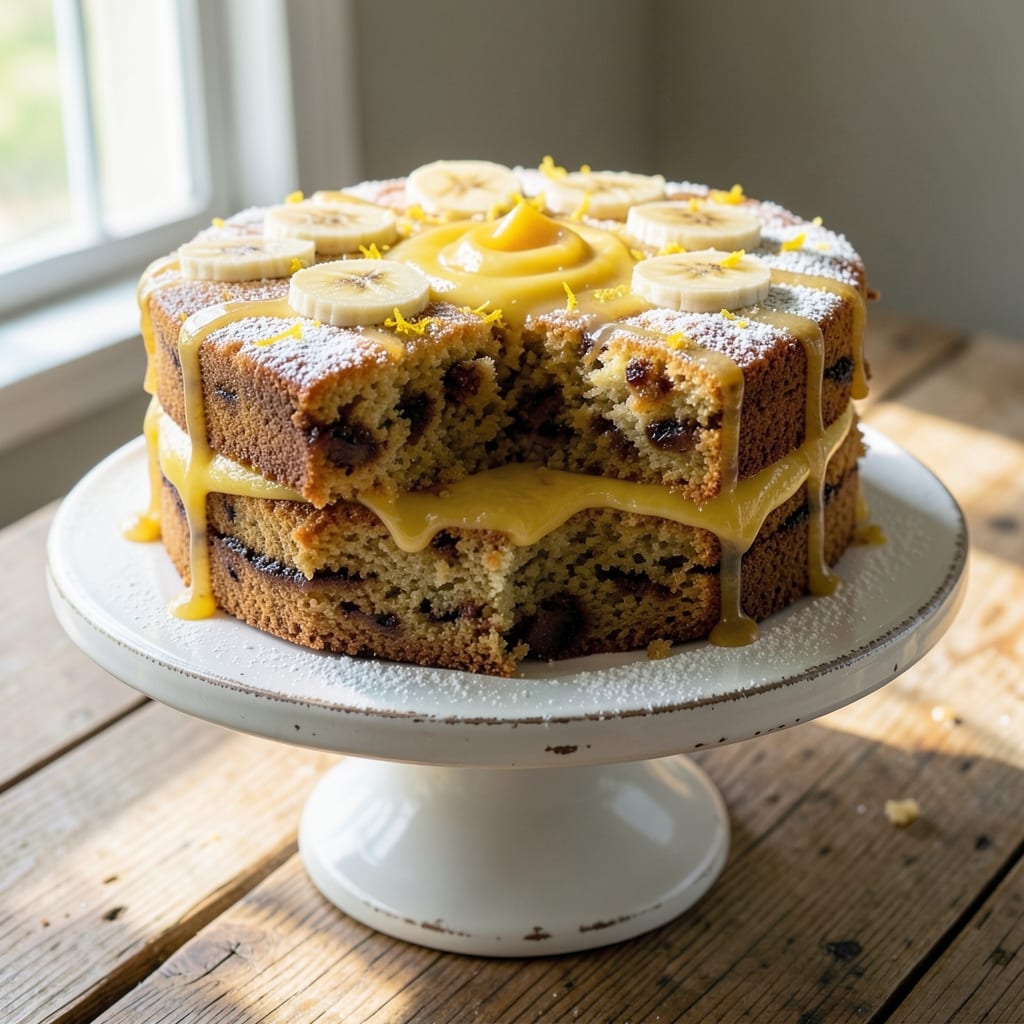
This banana and lemon cake recipe delivers the perfect balance of moist, tender layers and bright citrus zing that’ll make your taste buds dance. 💛 I’ve perfected it over years of baking—no dry crumbs here, just a rich, flavorful cake that’s foolproof for beginners and impressive for guests. The secret? Overripe bananas and fresh lemon juice work together to create a texture that’s impossibly tender while keeping the cake light and airy.
The beauty of this recipe lies in its simplicity—just a handful of ingredients, 30 minutes of prep, and a 350°F oven for about 40 minutes. The bananas add natural sweetness and moisture, while the lemon keeps things fresh and vibrant. I’ve tested this cake countless times, and it always comes out with a golden crust and a crumb that melts in your mouth. No one will guess it’s as healthy as it is delicious.
By the time you pull it from the oven, you’ll have a cake that’s moist in the center, with a subtle lemon aroma that lingers in every bite. The frosting (optional but recommended) adds a creamy contrast, but even without it, the cake stands alone as a showstopper. This is the kind of dessert that disappears quickly—perfect for brunch, potlucks, or a cozy weekend treat.
Ready to bake? Let’s get started with a recipe that’s as easy as it is extraordinary. The ingredients are simple, the steps are straightforward, and the results are always impressive. Trust me—this cake will become a staple in your rotation.
Ingredients for banana and lemon cake
Bright bananas and zesty lemon create this tender, moist cake with just 13 simple ingredients.
| Ingredient | Amount | Notes |
|---|---|---|
| Overripe Bananas 🍌 | 3 medium | Spotty and soft, about 1.5 cups mashed |
| All-Purpose Flour 🌾 | 2 cups | Sifted for light texture |
| Granulated Sugar 🍚 | 1 ½ cups | White or light brown |
| Extra-Virgin Olive Oil 🫒 | ¾ cup | Light flavor preferred |
| Fresh Lemon Juice 🍋 | ½ cup | From 2-3 lemons, freshly squeezed |
| Large Eggs 🥚 | 2 whole | Room temperature for best mixing |
| Baking Soda 🧪 | 1 tsp | Pure baking soda |
| Ground Cinnamon 🌿 | 1 ½ tsp | Freshly ground preferred |
| Salt 🧂 | ½ tsp | Fine sea salt |
| Vanilla Extract 🌸 | 1 tsp | Pure vanilla for flavor |
| Unsalted Butter 🧈 | ½ cup | Cold, cubed for frosting |
| Powdered Sugar 🍚 | 2 cups | For cream cheese frosting |
| Cream Cheese 🧀 | 8 oz | Room temperature for frosting |
The bananas are everything here—look for those with brown spots (the spottier, the better). I always grab 3-4 medium bananas from the grocery store produce section, let them sit on the counter for a day or two until they're soft and speckled. Whole Foods usually has the ripest selection, but any supermarket works. The lemon juice? Freshly squeezed is a must—bottled juice lacks that bright punch. I juice about 2-3 lemons for the recipe, saving the zest for garnish if I'm feeling fancy. The flour should be all-purpose, not self-rising—this isn't a sourdough starter.
No ripe bananas? Use 1 cup applesauce plus 1 tsp baking soda to replace the mashed bananas, but your cake will be denser. Substitute honey for sugar at a 1:1 ratio if you prefer—though the bananas already add natural sweetness. Running low on lemon juice? Lime juice works in a pinch, though it gives a slightly different tang. The frosting can be made with Greek yogurt instead of cream cheese for a lighter texture (just add 1 tsp lemon juice to stabilize). For a nut-free option**, skip the walnuts if you were adding them—this version keeps it simple but still packed with flavor.
Banana cake keeps beautifully—covered at room temperature for 2 days, or 3 days in the fridge wrapped tightly. The frosting? Make it a day ahead—it sets better overnight. I always slice mine with a warm knife for clean cuts. Freezes well too—wrap individual slices in plastic and they'll stay fresh for up to 2 months. The lemon aroma intensifies as it sits, so leftovers taste even better the next day. Perfect for meal prep—just portion and store.
Why You'll Love This Recipe
- No Waste Magic: I swear by this recipe when my bananas turn brown—I mash them right up and they disappear. That sweet, caramelized depth from overripe fruit? It’s the secret weapon here, turning what would be trash into something you’ll fight over.
- Zesty Brightness: The lemon juice cuts through the richness of olive oil and sugar like a summer breeze. Honestly, that citrusy tang makes it taste like a vacation in every bite—no fancy ingredients, just pure flavor.
- Crowd-Pleaser Basics: This cake works for breakfast, dessert, or even a picnic. I’ve served it at brunch with coffee, as a snack with tea, and even packed slices for kids’ lunches. It’s the one dessert that never gets a side-eye.
- Budget-Friendly Staples: Flour, sugar, and olive oil? Check. Overripe bananas? Free if you’re already buying them. Between us, this is the kind of recipe that stretches your grocery money without sacrificing taste—leftovers stay fresh for days.
Step-by-step instructions for banana and lemon cake
Here's how to create a perfectly moist cake with bright lemon flavor and tender banana layers.
👨🍳 Step 1: Prep the Bananas and Mix Wet Ingredients
Start by mashing the 3 medium overripe bananas until smooth—no lumps! I press them through a fine-mesh sieve to remove any skins for extra-smooth batter. In a large bowl, whisk together the mashed bananas, 1.5 cups granulated sugar, 0.75 cup extra-virgin olive oil, 0.5 cup fresh lemon juice, and 1 tsp vanilla extract until fully combined.
This step is where the cake's moisture magic begins. The olive oil keeps it tender, while the lemon juice brightens the flavor. I like to let the mixture sit for 5 minutes—this helps the flour absorb properly later and prevents a dense texture.
👨🍳 Step 2: Combine Dry Ingredients and Fold Gently
In a separate bowl, sift together the 2 cups all-purpose flour, 1 tsp baking soda, 1.5 tsp ground cinnamon, and 0.5 tsp salt. Gently fold these dry ingredients into the wet mixture using a spatula, mixing just until combined—don't overmix or the cake will be tough. Add the 2 whole large eggs, one at a time, mixing gently after each addition.
Here's the thing—overmixing develops gluten, which makes the cake dense. You'll know it's right when the batter is smooth with just a few flour streaks remaining. The batter should be thick but pourable, about the consistency of pancake batter.
🔥 Step 3: Bake Until Golden and Springy
Preheat your oven to 350°F and grease two 8-inch round cake pans, lining the bottoms with parchment paper. Divide the batter evenly between the pans and smooth the tops. Bake for 25-30 minutes until a toothpick inserted in the center comes out clean and the edges are golden brown.
I always check for doneness at the 25-minute mark—your oven might run hot, so watch for the edges to pull away from the pan. The cake should spring back slightly when pressed gently in the center. Let the cakes cool in the pans for 10 minutes, then transfer to a wire rack to cool completely.
🥘 Step 4: Make the Cream Cheese Frosting
While the cakes cool, beat the 8 oz cream cheese and 0.5 cup unsalted butter together in a mixing bowl until smooth. Gradually add the 2 cups powdered sugar and mix on low speed until combined. Add 1-2 tablespoons of the lemon juice (from the cake recipe) to thin the frosting slightly if needed.
This frosting needs to be light and spreadable, not too thick. I like to add the lemon juice gradually—just enough to loosen it while keeping that bright citrus flavor. The frosting should be cool before spreading to prevent melting on warm cake layers.
🍽️ Step 5: Assemble and Serve
Once the cakes are completely cool, place one layer on a serving plate and spread a generous layer of the cream cheese frosting on top. Repeat with the second layer, then frost the entire cake. For extra lemon flavor, I like to drizzle a little extra lemon juice over the top before serving.
Slice into 8 equal pieces—each serving should have moist banana cake layers with that perfect balance of sweet and tangy lemon flavor. The cake stays moist for 3-4 days when stored in an airtight container, or you can freeze slices for up to 3 months. Enjoy with a cup of tea or coffee!
Pro Tips For Making Banana And Lemon Cake
- Mash Bananas Thoroughly: I learned this the hard way—those stubborn banana chunks sink to the bottom like rocks. Use a fork to press every speck of pulp through a fine-mesh sieve or strainer, or pulse them in a food processor until completely smooth. The cake’s texture depends on it.
- Use Olive Oil Sparingly: Extra-virgin olive oil adds richness, but too much makes the cake greasy. Stick to ¼ cup max—enough to coat the pan and keep the crumb tender without weighing it down. (Yes, even if you’re tempted to drown it in that fancy bottle.)
- Skip the Overmixing: The moment your batter looks like pancake batter, stop stirring. Overworking the flour develops gluten, and this cake needs a soft, moist crumb. Fold just until the flour disappears—lumpy is fine, tough is not.
- Bake Until Springy: The cake’s done when a toothpick comes out with a few moist crumbs, not wet batter. If the top browns too fast, tent it with foil halfway through. Underbaking is worse—it’ll stay gummy and sink like a lead balloon.
Health benefits of this recipe
Banana Power Boost
This cake packs a nutritional punch thanks to the bananas, which provide potassium (about 1,000mg per serving) to support heart health and muscle function. The fiber in bananas (around 3g per serving) aids digestion and helps stabilize blood sugar levels—great for a dessert that won’t leave you crashing. 💪
Vitamin C Zing
The lemon juice adds a vitamin C boost (about 15mg per serving), which supports immune function and collagen production. Fresh lemon juice also enhances iron absorption from plant-based ingredients if you were to add nuts or seeds. This vitamin C content makes this cake a surprisingly healthy dessert option.
Healthy Fat Balance
Extra-virgin olive oil contributes monounsaturated fats that support brain health and reduce inflammation. With 0.75 cup in the recipe, each serving contains about 12g of healthy fats—perfect for satisfying cravings without the guilt. The fats also help make the cake incredibly moist and tender.
Natural Sweetness
Instead of refined sugar, this recipe uses overripe bananas and 1.5 cups granulated sugar for a more balanced sweetness. The bananas provide natural fructose that’s easier on blood sugar than processed sugars. For an even healthier option, you could reduce the sugar by 0.25 cup without sacrificing flavor.
Protein for Satiety
The eggs and cream cheese frosting add protein to this dessert, with each serving containing about 6g. This protein content helps keep you feeling full longer, preventing post-dessert energy crashes. The frosting’s cream cheese also provides calcium for bone health.
Low-Calorie Brightness
At around 250 calories per slice, this cake is surprisingly light for its rich flavor profile. The combination of bananas, lemon, and olive oil creates a dessert that feels indulgent but won’t weigh you down. It’s perfect for satisfying sweet cravings while keeping calories in check. 💛
Nutrition facts
Frequently asked questions
Can I make this banana and lemon cake without eggs?
Yes! For a vegan version, replace the 2 eggs with 2 tablespoons ground flaxseed mixed with 6 tablespoons water (let sit for 5 minutes to thicken). The texture will be slightly denser but still moist. For a lighter option, try 1/2 cup unsweetened applesauce or 1/4 cup aquafaba (chickpea brine) whipped to stiff peaks.
How do I know when my bananas are ripe enough?
Look for bananas with dark brown spots and soft skin—the spottier, the better! Press gently: if they yield slightly, they're perfect. Avoid green bananas (too firm) or overripe ones with blackened skin (they'll make the cake bitter). Pro tip: Place unripe bananas in a paper bag with an apple overnight—the ethylene gas will speed up ripening.
Can I substitute butter for olive oil in this recipe?
You can, but the texture will differ slightly. Use 0.5 cup melted butter (cooled) instead of the olive oil, but expect a denser cake. For best results, stick with olive oil—it keeps the cake moist and adds a subtle fruity note that pairs perfectly with the lemon. If you prefer butter's flavor, reduce the sugar by 1 tablespoon to balance sweetness.
Why did my banana cake turn out dense?
Overmixing is the #1 culprit! Mix just until combined—stop when a few flour streaks remain. Another common mistake: using unripe bananas (they lack natural sweetness and moisture). Also check your baking soda (must be fresh) and don't overbake—pull the cake when a toothpick comes out with moist crumbs (not wet batter).
How can I make this cake gluten-free?
Replace the 2 cups all-purpose flour with a 1:1 gluten-free baking blend (like Bob's Red Mill 1-to-1). Add 1 extra teaspoon xanthan gum to improve texture. For best results, let the batter rest for 10 minutes before baking—this helps the gluten-free flour absorb moisture properly.