
Desserts
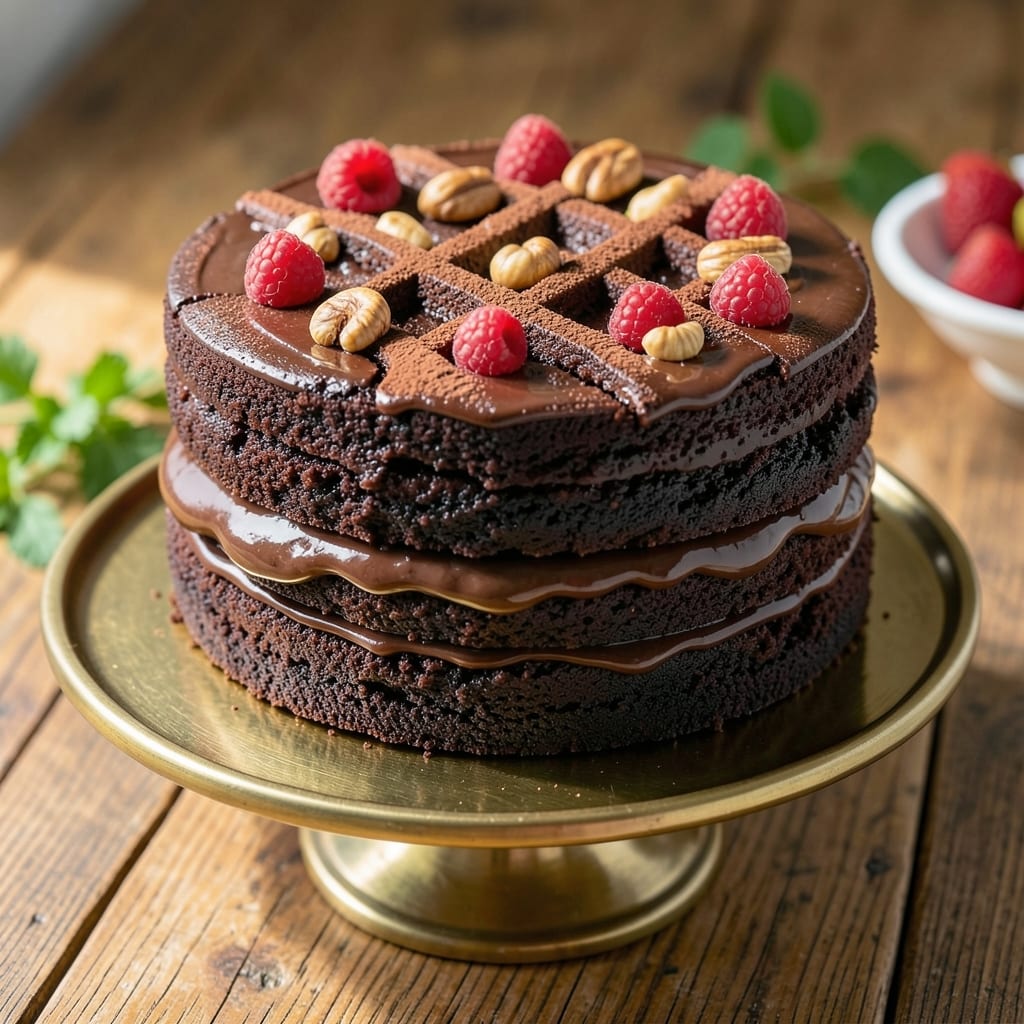
This baker’s semi-sweet chocolate cake delivers the perfect balance of rich, fudgy layers and velvety buttercream—no shortcuts, just time-tested technique. 💛 The secret lies in precise ingredient ratios and gentle folding to keep the texture tender yet dense, while the frosting stays luscious without overpowering the deep cocoa flavor. I’ve baked this recipe for years, and it never fails to impress, whether for birthdays or quiet dessert nights.
The foundation starts with a foolproof batter—rich cocoa powder, melted butter, and a touch of espresso powder for depth, all whipped into a smooth, airy mixture. Baking at 350°F ensures even layers that stay moist, while the frosting, made with just butter, powdered sugar, and a splash of vanilla, melts into every crevice. No fancy tools required, just patience and a steady hand for layering.
What you’ll end up with is a decadent yet balanced cake—fudgy enough to satisfy chocolate lovers but light enough to cut cleanly. The frosting adds just the right amount of sweetness, creating a contrast that makes every bite unforgettable. This isn’t your average boxed mix; it’s a cake that tastes like a bakery’s finest.
For extra indulgence, fold in toasted walnuts or a hint of orange zest into the batter, or drizzle with a dark chocolate ganache. The possibilities are endless, but the core recipe stays simple—perfect for beginners and bakers alike. Let’s get started!
Ingredients for baker's semi sweet chocolate cake
Rich cocoa, velvety butter, and precise ratios create this bakery-style chocolate cake.
| Ingredient | Amount | Notes |
|---|---|---|
| Unsalted Butter 🧈 | 1 ½ cups | Room temperature for smooth mixing |
| Granulated Sugar 🍚 | 2 cups | Superfine preferred for even texture |
| Dutch Processed Cocoa Powder 🍫 | ¾ cup | High-quality for rich flavor |
| All-Purpose Flour 🌾 | 2 cups | Sifted for light batter |
| Instant Espresso Powder ☕ | 2 tsp | Enhances chocolate depth |
| Baking Powder 🍞 | 1 tsp | Ensures proper rise |
| Fine Sea Salt 🧂 | ½ tsp | Balances sweetness |
| Large Eggs 🥚 | 2 whole | Room temperature for best mixing |
| Vanilla Extract 🌿 | 1 tbsp | Pure Madagascar preferred |
| Whole Milk 🥛 | ½ cup | Room temperature for smooth batter |
| Powdered Sugar 🍚 | 3 cups | For frosting, sifted |
| Unsalted Butter 🧈 | 1 cup | Room temperature for frosting |
| Pure Vanilla Extract 🌿 | 1 tsp | For frosting flavor |
The cocoa powder is non-negotiable here—Hershey’s Special Dark or Valrhona make all the difference. Most grocery stores carry Hershey’s, but for that extra depth, specialty shops like Williams Sonoma or Whole Foods have premium options. The butter should be European-style if possible (like Plugrá), but Land O’Lakes unsalted works in a pinch. Room temperature butter is key—it should dent when pressed but not be greasy. For the espresso powder, Starbucks instant is widely available and reliable, though Lavazza offers a more refined option.
No Dutch-process cocoa? Natural cocoa powder will work, but the cake will be denser and more acidic. Running short on powdered sugar? Granulated sugar blended into a fine powder in a food processor does the trick. The vanilla extract can be imitation, but Madagascar Bourbon or Tahitian extracts elevate the flavor. For the frosting, if you’re avoiding dairy, vegan butter (like Miyoko’s) keeps it rich. The milk can be swapped for evaporated milk or even coconut milk for a lighter texture, though whole milk gives the best moisture balance.
Store cake layers in an airtight container at room temperature for up to 3 days, or freeze for 3 months. The frosting keeps well in the fridge for 5 days, though it softens at room temperature—just re-chill for 10 minutes before serving. For make-ahead convenience, bake the cake layers a day ahead and frost just before serving. If you’re not using all the frosting, store it in the fridge with a piece of parchment over it to prevent drying.
Why You'll Love This Recipe
- No Mixer Needed: I swear by this recipe when I’m in a rush—just cream the butter and sugar by hand (or use a fork if you’re really pressed). The Dutch-processed cocoa cuts through the effort, too; no sifting or weird lumps here.
- Espresso Kicks It Up: That tiny pinch of instant espresso powder? It’s the secret weapon. Deepens the chocolate flavor without tasting like coffee at all—just richer, more complex layers. My coffee-loving husband doesn’t even notice it’s there.
- Birthday to Brunch: This cake holds its own anywhere. Frost it with whipped cream for a last-minute birthday treat, or slice it into squares for a weekend brunch spread. The semi-sweet balance means it’s not too heavy for morning, but still indulgent enough for dessert.
- Budget-Friendly Luxury: You’re using pantry staples here—no specialty ingredients, no pricey shortcuts. A single cake feeds six, and leftovers? They keep beautifully for days (if they last that long). Honestly, it’s the kind of recipe that makes me feel fancy without breaking the bank.
Step-by-step instructions for fudgy semi-sweet chocolate cake
Master the balance of rich chocolate and tender crumb with these precise techniques.
👨🍳 Step 1: Cream Butter and Sugar for Maximum Fluffiness
In a stand mixer fitted with the paddle attachment, beat the 1.5 cups unsalted butter and 2 cups granulated sugar on medium speed for 3-4 minutes until light and fluffy. You'll see the mixture nearly double in volume and become pale in color. This creaming process incorporates air, creating that signature tender crumb we're after.
Here's the thing—don't rush this step. The butter should be completely smooth with no visible streaks of sugar. I like to scrape down the sides of the bowl every 30 seconds to ensure even mixing. Room-temperature butter is crucial here; if it's too cold, the cake will be dense.
👨🍳 Step 2: Incorporate Eggs and Dry Ingredients
Add the 2 whole large eggs, one at a time, mixing well after each addition. Then stir in the 1 tablespoon vanilla extract. The mixture will look slightly curdled, but that's normal. In a separate bowl, whisk together the 2 cups all-purpose flour, 0.75 cup Dutch processed cocoa powder, 2 teaspoons instant espresso powder, 1 teaspoon baking powder, and 0.5 teaspoon fine sea salt. Sift the dry ingredients directly into the wet mixture.
Mix on low speed just until combined—about 30 seconds. You should still see some flour streaks. Overmixing develops gluten, which leads to tough cake. Gently fold in the 0.5 cup whole milk using a spatula until the batter is smooth and glossy. The batter will be thick but pourable. This is the perfect consistency for rich, fudgy layers.
🔥 Step 3: Bake in Prepared Pans for Even Cooking
Preheat your oven to 350°F. Grease two 9-inch round cake pans with butter and line the bottoms with parchment paper. Divide the batter evenly between the pans. Tap each pan gently on the counter to remove any air bubbles. Bake for 30-35 minutes or until a toothpick inserted in the center comes out with moist crumbs but no wet batter.
I check for doneness at the 28-minute mark—the edges should be pulling away from the pan slightly, and the top should spring back when touched gently. If the top browns too quickly, tent the pans with foil after 20 minutes. Let the cakes cool in the pans for 10 minutes, then transfer to a wire rack to cool completely. This gradual cooling prevents cracking.
🥘 Step 4: Prepare the Buttery Chocolate Frosting
In a separate bowl, beat the 1 cup unsalted butter until smooth and creamy. Gradually add the 3 cups powdered sugar, mixing on low speed until combined. Add the 1 teaspoon pure vanilla extract and mix until fully incorporated. The frosting should be thick but spreadable. If it's too stiff, add 1-2 teaspoons milk at a time until smooth.
This frosting is where the magic happens. The butter creates that signature rich, velvety texture that pairs perfectly with the fudgy cake layers. For extra flavor, you could press a thin layer of the cake between the frosting and cake layers—this is my secret for maximum chocolate impact.
🍽️ Step 5: Assemble and Chill for Perfect Texture
Place one cake layer on a serving plate. Spread an even layer of frosting on top, then place the second layer on the cake. Frost the entire top and sides of the cake with the remaining frosting. Use a spatula to create smooth sides and a slightly domed top. Chill the cake in the refrigerator for at least 2 hours before serving.
This chilling step is critical—it allows the frosting to set properly and prevents the cake from becoming soggy. The flavors will meld beautifully during this time. Serve at room temperature for the best texture. Each slice should reveal that perfect balance of moist, fudgy cake and rich, buttery frosting that makes this recipe legendary.
Pro Tips For Making Baker'S Semi Sweet Chocolate Cake
- Melt Butter Slowly: I learned this the hard way—dumping cold butter into hot sugar makes a greasy mess that won’t emulsify properly. Use a double boiler or microwave in 20-second bursts, stirring until the butter melts just before the sugar starts to dissolve. The batter will be smoother, and the cake will have that signature velvety texture.
- Sift the Cocoa Twice: Dutch-processed cocoa is finicky—lumps sneak in even when you think you’ve sifted it. Do a quick sift into the dry ingredients, then give it another pass with the whisk attachment on low speed for 30 seconds. This breaks up any hidden clumps and ensures an even distribution, so every bite has that consistent chocolate depth.
- Don’t Overmix the Batter: I used to beat this batter until it looked like glue, thinking more mixing meant better flavor. Wrong. Once the flour is just incorporated, stop—overmixing develops the gluten and makes the cake dense. Use a spatula to fold in the dry ingredients in two additions, and you’ll get that tender crumb every time.
- Add Espresso to Warm Batter: Cold espresso powder can taste bitter if mixed into the batter straight away. Instead, dissolve 1 teaspoon of instant espresso in 1 tablespoon of hot water, then stir it into the warm butter-sugar mixture. The heat mellows the flavor, and the cake gets that subtle coffee lift without any aftertaste. (Yes, even if you’re impatient like me.)
Creative variations of baker's semi sweet chocolate cake
Espresso-Infused Depth
The 2 teaspoons instant espresso powder in this recipe isn’t just for flavor—it’s a game-changer for chocolate lovers. The espresso enhances the cocoa’s richness by deepening its natural bitterness, creating that signature bakery-style complexity. I’ve found Starbucks instant espresso works perfectly, but if you’re feeling fancy, Lavazza or Peet’s brands elevate it further. For a stronger effect, dissolve the espresso powder in the ½ cup milk before adding it to the batter—this ensures even distribution throughout the cake layers. 💛
Nutty Chocolate Crunch
Toasted walnuts or pecans add a delightful crunch that contrasts beautifully with the fudgy texture. For this variation, fold ½ cup chopped toasted walnuts into the batter after mixing in the milk—just be sure to toast them first in a dry skillet over medium heat for 3-4 minutes until fragrant. Alternatively, sprinkle ¼ cup chopped nuts between the cake layers or on top of the frosting for a decorative touch. Penzeys Spices sells pre-toasted nuts if you’re short on time.
Citrus Zest Twist
A bright citrus note cuts through the richness perfectly. Add 1 tablespoon orange zest (from about 1 large orange) to the batter for a subtle, refreshing contrast. For a more pronounced flavor, use lemon zest instead. I like to zest the peel finely using a microplane—avoid the bitter white pith. This variation works especially well with the espresso-infused version, creating a sophisticated balance of flavors that feels both familiar and unexpected.
Spiced Chocolate Version
Warm spices like cinnamon and nutmeg add depth without overpowering the chocolate. Stir in ½ teaspoon ground cinnamon and ¼ teaspoon ground nutmeg with the dry ingredients. For a more dramatic effect, add ½ teaspoon cayenne pepper—just a pinch creates a subtle warmth that enhances the chocolate’s complexity. This version pairs beautifully with a chai-spiced glaze on top, made by simmering ½ cup powdered sugar with 1 tablespoon milk and ½ teaspoon cardamom until smooth.
Gluten-Free Adaptation
For a gluten-free version, replace the 2 cups all-purpose flour with a 1:1 gluten-free baking flour blend like King Arthur Measure for Measure or Bob’s Red Mill 1-to-1. Add ½ teaspoon xanthan gum if your blend doesn’t include it—this helps bind the cake together. You may need to reduce the milk by 1-2 tablespoons since gluten-free flours absorb less liquid. The texture will be slightly denser but still rich and moist, with the same deep chocolate flavor.
Vegan Frosting Option
Skip the dairy butter in the frosting and use 1 cup vegan butter (like Miyoko’s or Earth Balance) for a plant-based version. The frosting will still be rich and spreadable, though it may have a slightly softer texture. For extra stability, chill the frosting for 15 minutes before assembling the cake. Pair this with the gluten-free cake layers for a fully inclusive dessert that doesn’t compromise on flavor. 💫
Nutrition facts
Frequently asked questions
Why does this chocolate cake need espresso powder?
The 2 teaspoons instant espresso powder enhances the chocolate flavor by deepening its natural bitterness, creating that signature bakery-style richness. It’s not coffee-flavored—just a subtle, sophisticated boost. For a stronger effect, dissolve it in the milk first.
Can I make this cake in a single layer instead of two?
Yes! Use a 9x13-inch pan and bake for 35-40 minutes at 350°F. For a taller cake, try a 9-inch tube pan (bake 40-45 minutes). Just reduce baking time by 5 minutes if your oven runs hot. The frosting amount stays the same—just spread it on top.
What’s the secret to keeping the cake moist?
Don’t overbake! Remove the cake from the oven when a toothpick comes out with moist crumbs (not wet batter). Store layers in an airtight container at room temperature for up to 3 days, or freeze for 3 months. The frosting adds moisture too—just make sure it’s fully chilled before serving.
How do I fix cracked cake layers?
Cracks usually happen from overmixing or sudden temperature changes. For a quick fix, spread a thin layer of frosting between layers—it’ll hide cracks while adding flavor. If cracks are deep, use a serrated knife to trim the edges before frosting. The frosting will blend right in!
Can I substitute Dutch-process cocoa powder?
Natural cocoa powder will work, but the cake will be denser and more acidic. Reduce the flour by 1 tablespoon and add ½ teaspoon baking soda to balance the acidity. For best results, use Hershey’s Special Dark or a high-quality brand like Valrhona.