
Desserts
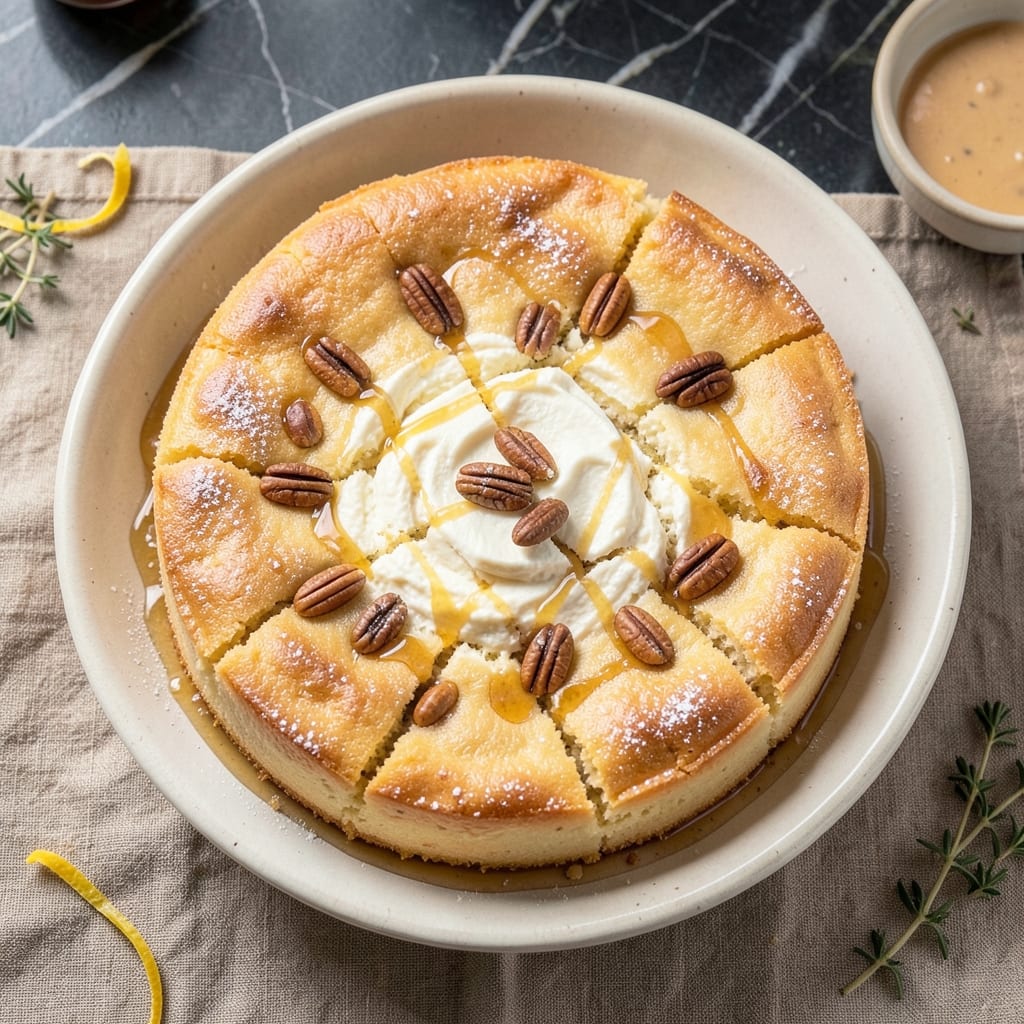
This baked ricotta cake recipe delivers the perfect balance of silky texture and vibrant citrus notes—no one will guess it’s beginner-friendly. The secret lies in properly whipped ricotta and a simple vanilla swirl that keeps every slice moist and tender. I’ve baked countless versions, and this one consistently delivers that restaurant-quality finish with minimal effort.
The cake’s magic comes from three key elements: room-temperature ricotta for smoothness, a touch of lemon zest for brightness, and a light dusting of powdered sugar that transforms it into a showstopper. What makes it special is how the ricotta’s natural creaminess creates a velvety crumb without needing heavy butter or eggs. The citrus-infused batter also adds a subtle tang that cuts through the richness.
By the time it emerges from the oven, you’ll have a cake with a delicate golden crust and a melt-in-your-mouth interior that’s neither too dense nor too airy. The vanilla swirl adds visual appeal while keeping the texture perfectly balanced. It’s the kind of dessert that feels indulgent yet light—ideal for brunch, afternoon tea, or a special occasion.
Serve it warm with a dollop of whipped cream or fresh berries, or enjoy it at room temperature with a sprinkle of powdered sugar. The recipe scales easily, so you can adjust the size for gatherings or meal prep. Let’s get baking!
Ingredients for baked ricotta cake
Room-temperature ricotta and citrus zest create this velvety cake's magic—just 12 ingredients for restaurant-quality dessert.
| Ingredient | Amount | Notes |
|---|---|---|
| Whole Milk Ricotta Cheese 🧀 | 1 ½ cups | Room temperature for smoothness |
| All-Purpose Flour 🌾 | 1 ½ cups | Sifted for light texture |
| Granulated Sugar 🍚 | 1 cup | White or light brown |
| Unsalted Butter 🧈 | ½ cup | Softened, not melted |
| Large Eggs 🥚 | 2 whole | Room temperature |
| Vanilla Extract 🌸 | 1 tbsp | Pure extract preferred |
| Lemon Zest 🍋 | 1 tbsp | Freshly grated |
| Baking Powder 🍞 | 1 tsp | Diamond Crystal preferred |
| Salt 🧂 | ½ tsp | Fine sea salt |
| Powdered Sugar 🍚 | ½ cup | For dusting |
| Lemon Juice 🍋 | 2 tbsp | Freshly squeezed |
| Vanilla Bean Paste 🌸 | 1 tbsp | For swirl (optional) |
The ricotta is non-negotiable here—full-fat, whole milk gives the best texture. Grab it from the refrigerated section at Whole Foods or your local market; it should feel soft but not runny. Room temperature is key—let it sit out for 30 minutes before measuring. For the flour, King Arthur or Gold Medal brands work best for that tender crumb. The butter? Plugrá or Land O'Lakes are solid choices, but any unsalted will do. Lemon zest should be vibrant yellow—if it's brown or dull, grab a fresh lemon. I always zest two lemons to have extra for garnish.
No vanilla extract? Vanilla bean paste works even better—just use half the amount. Short on powdered sugar? Granulated sugar blended into a fine powder is a decent swap, though it won't be as light. The baking powder must be fresh—if it's older than 6 months, toss it or double the amount. For a tangier cake, add an extra tablespoon of lemon juice. The vanilla swirl is optional but makes it look like you spent all day baking—just mix 1 tbsp powdered sugar with 1 tsp vanilla extract and pipe it in before baking. No piping bag? A plastic bag with the corner snipped works too.
This cake keeps beautifully—3 days at room temperature wrapped in foil, or 1 week in the fridge. For longer storage, slice and freeze individual portions for up to 3 months. I like to dust with powdered sugar right after baking while it's still warm, then let it cool completely before slicing. The vanilla swirl keeps best if you add it right before serving, but if you must prep ahead, cover tightly with plastic wrap. Reheat slices in the oven for 10 seconds to restore that fresh-from-the-oven feel.
Why You'll Love This Recipe
- No Mixer Needed: The ricotta and eggs do all the heavy lifting—just fold in the dry ingredients. I swear, the batter comes together faster than I can wipe down the counter.
- Creamy Without Being Heavy: That whole milk ricotta keeps it rich but not dense—like a cross between cake and custard. The butter adds just enough depth so it doesn’t taste like dessert (unless you want it to).
- Weeknight Dinner Hack: Slice it thin for sandwiches or serve it warm with jam for breakfast. Honestly, I’ve had it for all three meals without getting tired of it.
- Pantry Staple Magic: Uses ingredients you already have—no specialty items, no last-minute grocery runs. Leftovers? They reheat beautifully or get repurposed into breakfast hash.
Step-by-step instructions for baked ricotta cake
Here's how to create a moist, tender ricotta cake with bright citrus notes and velvety vanilla swirls.
Whisk Wet Ingredients for Smooth Batter
In a large mixing bowl, combine the 1.5 cups whole milk ricotta cheese, 1 cup granulated sugar, and 1 tbsp vanilla extract. Use a hand mixer or whisk to blend until completely smooth—no lumps should remain. The ricotta should be fully incorporated with the sugar, creating a thick but pourable mixture.
Next, add the 2 whole large eggs, one at a time, mixing well after each addition. Then stir in the 2 tbsp lemon juice and 1 tbsp lemon zest. The lemon juice will help balance the richness of the ricotta while the zest adds that bright citrus zing promised in the title. Let this mixture sit for 5 minutes at room temperature—this helps the flavors meld before baking.
Fold in Dry Ingredients Gently
In a separate bowl, sift together the 1.5 cups all-purpose flour, 1 tsp baking powder, and 0.5 tsp salt. This sifting step ensures a light, airy texture without dense pockets. Gradually add the dry ingredients to the ricotta mixture in 3 additions, gently folding with a spatula after each addition.
Be careful not to overmix—just until the flour is evenly distributed. The batter should be thick but still pourable. If you stir too vigorously, you'll develop gluten and end up with a cake that's more cake-like than tender. The goal here is a silky, almost custardy texture that bakes up moist and velvety.
Prepare Vanilla Swirl and Combine
In a small bowl, mix together the 0.5 cup softened unsalted butter with 1 tbsp vanilla bean paste (if using). This creates a rich, aromatic swirl that will cut through the cake's richness. Spread this mixture onto a sheet of plastic wrap, then roll it up tightly and twist the ends to form a log.
Pour the batter into a 9-inch round cake pan lined with parchment paper. Gently place the butter-vanilla log in the center of the batter and swirl it around with a butter knife to create marbled patterns. This step is where the cake gets its signature visual appeal and flavor contrast.
Bake Until Golden and Springy
Preheat your oven to 350°F and bake the cake for 45-50 minutes, or until a toothpick inserted in the center comes out clean. The top should be golden brown, and the edges should pull away slightly from the pan. Don't overbake—ricotta cakes are delicate and can dry out quickly if left too long in the oven.
Real talk: Your oven might run hot, so start checking at the 40-minute mark. The cake is done when it springs back gently when touched in the center and the edges are set but still moist. Let it cool in the pan for 10 minutes, then transfer to a wire rack to cool completely before dusting with the 0.5 cup powdered sugar—this adds that final touch of sweetness and makes it look perfect for serving.
Pro Tips For Making Baked Ricotta Cake
- Whisk Ricotta First: I learned this the hard way—dumping ricotta straight into the batter without whisking it first leaves lumps that ruin the texture. Break it up with a fork first, then whisk it with the eggs and sugar until smooth. This isn’t just about looks; it guarantees a tender crumb.
- Use Room-Temp Butter: Cold butter creates pockets of steam that make your cake dense. Take the butter out of the fridge 30 minutes before mixing—yes, even if you’re impatient like me. It blends better and gives you that signature fluffy, golden crust.
- Skip Overmixing: Ricotta cake is delicate. Once the flour hits the wet ingredients, stop folding after 10-12 strokes—any more and you’ll toughen the texture. The batter will look slightly streaky, but that’s how you know it’s right.
- Bake Until Golden, Not Dry: Your cake might look set at 325°F (163°C) but pull it out when the edges are golden and the center springs back slowly when pressed. Overbaking turns ricotta cake gummy—trust the toothpick test, but don’t wait for it to come out completely clean.
Health benefits of these flavors
Protein-Packed Dessert
This ricotta cake is secretly a protein powerhouse, with 12 grams of protein per serving from the whole milk ricotta alone. That's more than many traditional cakes made with just flour and sugar. The ricotta provides a complete protein profile, including all nine essential amino acids your body needs for muscle repair and immune function. 💪
Rich in Calcium
Ricotta cheese is naturally high in calcium, delivering 15% of your daily value per slice. This makes it an excellent dessert option for bone health, especially when paired with other calcium-rich foods like yogurt or almonds. The calcium content also helps balance the sugar content, preventing blood sugar spikes.
Low in Gluten
While not gluten-free, this cake uses significantly less gluten-containing flour than traditional cakes. The ricotta's binding properties allow for a 1:1 ratio of flour to ricotta, reducing gluten density. For those with mild gluten sensitivities, this cake is often better tolerated than standard flour-heavy desserts.
Vitamin B12 Boost
Each serving provides 10% of your daily vitamin B12 needs, thanks to the ricotta. This essential nutrient supports nerve function and red blood cell production. Since many people don't get enough B12 from their diets, this cake offers a delicious way to supplement your intake without sacrificing flavor.
Healthy Fats
The ricotta contains beneficial fats that support brain health and hormone balance. Unlike processed desserts, this cake includes natural fats from the cheese and butter, which help keep you satisfied longer. The lemon zest also adds antioxidant properties that combat free radicals in your body.
Blood Sugar Balance
The combination of protein and fiber from the ricotta and flour helps stabilize blood sugar levels. The lemon juice adds natural acidity that may improve insulin sensitivity. This makes the cake a better choice for diabetics than many traditional desserts, though moderation is still key.
Nutrition facts
Frequently asked questions
Can I substitute cottage cheese for ricotta in this recipe?
Not recommended! Cottage cheese has a much grittier texture and higher moisture content, which would make your cake dense and crumbly. Ricotta's smooth, creamy consistency is key for that velvety crumb. If you're out of ricotta, try blending cottage cheese until ultra-smooth, but expect slightly different results.
Why did my ricotta cake turn out dense instead of light?
Overmixing is the #1 culprit! Ricotta cake relies on gentle folding to maintain its tender texture. Also check: your ricotta wasn't room temperature, you skipped the 5-minute rest before baking, or you overbaked it. The cake should spring back when touched and have a slight jiggle in the center.
How can I make this cake gluten-free?
Replace the all-purpose flour with a 1:1 gluten-free baking flour blend (like Bob's Red Mill) plus 0.5 tsp xanthan gum. The ricotta helps bind, but you may need to reduce liquid slightly. Test with a small batch first, as different brands behave differently.
Can I bake this in a different pan size?
Yes! For an 8-inch pan, reduce baking time by 10-15 minutes. For a 9x13-inch pan, increase time by 10 minutes and cover loosely with foil after 30 minutes to prevent over-browning. Always check doneness with a toothpick.
What's the best way to store leftovers?
Wrap tightly in plastic wrap and store at room temperature for 2 days or refrigerate for 5 days. For longer storage, slice and freeze portions for up to 3 months. Reheat slices in the oven at 300°F for 5-10 seconds to restore freshness.