
Beverages
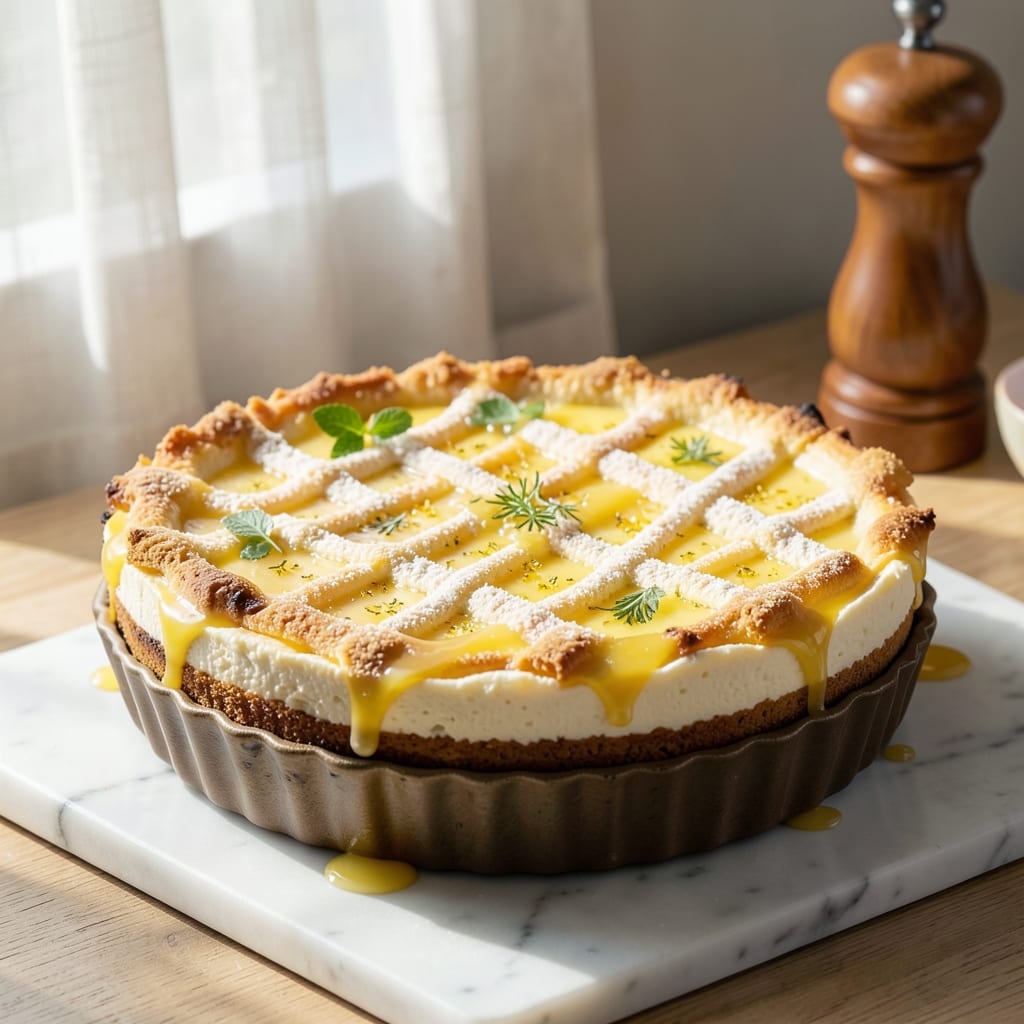
This baked cheesecake recipe with lemon juice delivers the perfect balance of creamy richness and bright citrus tang that prevents dreaded cracks. 💛 The secret lies in a simple technique: incorporating lemon juice into the batter creates subtle acidity that stabilizes the texture while adding a refreshing twist to classic cheesecake flavor.
The foundation starts with a buttery graham cracker crust that provides sturdy support for the filling. What sets this recipe apart is the precise baking method—using a water bath at 325°F ensures gentle, even cooking that results in a silky-smooth texture without any risk of doming or cracking. The lemon juice also enhances the cheesecake's natural sweetness, creating a harmonious flavor profile that's both comforting and vibrant.
By the time it emerges from the oven, you'll have a cheesecake with a golden crust, perfectly set filling, and just the right amount of lemon brightness in every bite. The tangy notes cut through the richness, making each slice feel lighter and more refreshing than traditional versions. This is the kind of dessert that feels indulgent yet balanced—ideal for special occasions or when you want to impress without complicated techniques.
Serve chilled with a dusting of powdered sugar or fresh berries to complement the lemon flavor. The recipe scales beautifully for gatherings, and leftovers keep well in the refrigerator for up to 5 days. Let's get started on creating your perfect cheesecake.
Ingredients for baked cheesecake recipe with lemon juice
The key ingredients for this flawless baked cheesecake focus on acidity and texture balance.
| Ingredient | Amount | Notes |
|---|---|---|
| Full-Fat Cream Cheese 🧀 | 32 oz | Room temperature for blending |
| Granulated Sugar 🍚 | 1 ½ cups | Superfine preferred for smoothness |
| Large Eggs 🥚 | 3 whole | Room temperature, separated |
| Fresh Lemon Juice 🍋 | ½ cup | From 2-3 lemons, freshly squeezed |
| All-Purpose Flour 🌾 | ½ cup | Sifted to prevent lumps |
| Unsalted Butter 🧈 | ½ cup | Melted for crust |
| Graham Cracker Crumbs 🍪 | 2 cups | Finely crushed, no soft bits |
| Light Brown Sugar 🍚 | ¼ cup | Packed for crust sweetness |
| Vanilla Extract 🌿 | 2 tsp | Pure Madagascar preferred |
| Salt 🧂 | ½ tsp | Diamond Crystal kosher |
| Powdered Sugar 🍚 | ¼ cup | For final dusting |
| Fresh Blueberries 🫐 | 1 ½ cups | Optional topping |
The cream cheese is non-negotiable—full-fat Philadelphia brand yields the best texture. Purchase a 32-ounce block (two 16-ounce packages) for optimal blending consistency. Room temperature is critical; let it sit 1 hour before mixing. For the lemon juice, use freshly squeezed—bottled lacks the bright acidity needed to prevent cracking. Whole lemons (about 2-3) provide the right balance without overpowering. The graham cracker crumbs should be finely crushed—pulse in a food processor for even texture. Trader Joe's and Whole Foods carry high-quality crumbs that won't turn to mush during baking.
No superfine sugar? Pulse regular granulated sugar in a food processor for 30 seconds to achieve the same texture. Substituting Greek yogurt (½ cup) for 2 ounces of cream cheese adds moisture but reduces richness—adjust to taste. For the egg whites, if you prefer not to separate, use 3 whole eggs and reduce the sugar slightly (1.25 cups) to compensate. Vanilla bean paste intensifies flavor if you're feeling fancy, but pure extract works perfectly fine. The blueberries can be swapped for raspberries or strawberries—just toss them in lemon juice first to prevent bleeding. Pre-made crust mixes exist, but homemade delivers superior texture and flavor.
Store the baked cheesecake in an airtight container in the refrigerator for up to 5 days, though it's best enjoyed within 3 days for optimal texture. For freezing, slice before freezing and thaw overnight in the fridge—never microwave as it destroys the delicate texture. The lemon juice can be prepped 2 days ahead, but whisk it into the batter just before baking to preserve its bright flavor. Room temperature ingredients are crucial—plan ahead to let cream cheese, eggs, and butter sit out for at least 1 hour before mixing. Powdered sugar should be dusted just before serving to prevent clumping.
Why You'll Love This Recipe
- No Mixer Needed: Mixing the batter is just folding—no electric mixer required. I beat the cream cheese and sugar by hand until smooth (about 5 minutes), then gently fold in the eggs and lemon juice. The flour keeps it stable, so no soggy bottoms or cracks.
- Zesty Twist: That splash of fresh lemon juice? It cuts through the richness like a bright summer breeze. Honestly, the first bite makes me realize how much I’ve missed that tangy contrast—it’s the secret weapon in this creamy, golden-topped cheesecake.
- Weeknight Hero: Slice it warm or chilled—it’s perfect for breakfast with coffee or dessert after dinner. I’ll admit, I’ve even packed leftovers for lunch (yes, really), and it holds up beautifully. The crust? Just crushed graham crackers and butter—no fuss.
- Budget-Friendly Luxury: Full-fat cream cheese delivers that velvety texture without breaking the bank. A single batch feeds 8-10, so I make it once and enjoy it for days. The flour keeps costs low, and the lemon juice? Just a few tablespoons from my garden. Tastes like a splurge, costs like a steal.
Step-by-step instructions for baked cheesecake with lemon juice
Master this technique for a silky, crack-resistant cheesecake with vibrant citrus brightness.
👨🍳 Step 1: Prepare the Crust with Precision
Preheat your oven to 325°F and grease a 9-inch springform pan thoroughly with unsalted butter, coating the bottom and sides. This prevents sticking and ensures clean release later. In a medium bowl, combine the 2 cups graham cracker crumbs, 0.25 cup light brown sugar, and 0.5 tsp salt. Mix until evenly distributed—no dry spots should remain.
Add the 0.5 cup melted unsalted butter and stir with a fork until the mixture resembles wet sand. Press firmly into the prepared pan, creating an even layer. Use the back of a measuring cup to compact the crust evenly against the sides. Bake for 10 minutes—this pre-baking step creates a sturdy foundation that won't absorb moisture from the filling.
🍳 Step 2: Blend the Filling to Perfection
While the crust bakes, beat the 32 oz full-fat cream cheese at medium speed in a stand mixer until completely smooth, about 3-4 minutes. This eliminates all lumps and ensures a velvety texture. Gradually add the 1.5 cups granulated sugar while mixing continuously until fully incorporated. The mixture should be pale and fluffy.
In a separate bowl, whisk together the 3 whole large eggs (room temperature), 0.5 cup fresh lemon juice, and 2 tsp vanilla extract. With the mixer running on low speed, slowly pour in the egg mixture while scraping down the sides of the bowl. The lemon juice acts as a natural stabilizer, preventing cracks while adding bright acidity. Add the 0.5 cup sifted all-purpose flour and mix just until combined—overmixing can introduce air bubbles.
🥘 Step 3: Assemble and Bake the Cheesecake
Carefully pour the filling over the pre-baked crust, spreading evenly to the edges. Tap the pan gently on the counter to release any trapped air bubbles. Place the springform pan in a water bath: wrap the bottom in heavy-duty aluminum foil, then place it in a large roasting pan. Add hot water to come halfway up the sides of the springform pan. This water bath creates gentle, even heat that prevents cracking.
Bake at 325°F for 50-55 minutes until the edges are set and the center still jiggles slightly (about 1 inch movement). The cheesecake should be just firm enough to hold its shape when gently shaken. Remove from the water bath and let cool in the oven with the door slightly ajar for 15 minutes—this gradual cooling prevents sudden temperature shifts that cause cracks.
⏰ Step 4: Finish and Chill Properly
Transfer the cheesecake to a wire rack and cool completely at room temperature for 1 hour. Then refrigerate uncovered for 4-6 hours or overnight. This slow cooling allows the texture to fully set without developing a skin. Before serving, dust the top with 0.25 cup powdered sugar sifted through a fine-mesh sieve for a professional finish.
For the optional topping, toss the 1.5 cups fresh blueberries with 1 tablespoon granulated sugar and arrange them decoratively on top. The acidity of the lemon juice in the filling complements the sweet-tart berries beautifully. Serve chilled for the perfect balance of creamy richness and bright citrus.
Pro Tips For Making Baked Cheesecake Recipe With Lemon Juice
- SOFTEN CREAM CHEESE FIRST: I learned this the hard way—room-temperature cream cheese blends way smoother than cold lumps. Microwave it in 10-second bursts (cover it!) until just pliable, then mix with sugar until it’s like butter. Cold cheesecake batter fights you every step.
- MEASURE EGGS BY WEIGHT: Cracking eggs into a bowl guarantees duds. Weigh them instead—4 large eggs should hit 200g (give or take 5g). Overbeating adds air (good for texture), but underbeating leaves raw streaks. Stop when the batter clings lightly to the spatula.
- BAKE LOW AND SLOW: 350°F (175°C) is the magic number—any hotter and the top browns before the center sets. I used to rush it, but a water bath + 50-60 minutes at this temp guarantees a silky middle. If the edges look done too soon, tent with foil.
- STRAIN THE LEMON JUICE: Bitter pith sneaks into fresh lemon juice and turns your cheesecake weirdly sharp. Strain it through a fine-mesh sieve or cheesecloth before adding—yes, even if it looks clear. Trust me, the flavor stays bright without the aftertaste.
Essential equipment for this dish
Springform Pan
The 9-inch springform pan is your most essential tool for this recipe. Look for one with a sturdy clamp mechanism—I recommend the OXO Good Grips model for its reliable release. The removable sides make it easy to serve slices without crumbling the crust. Always grease it thoroughly with unsalted butter before adding the crust to prevent sticking. 🧈
Stand Mixer
A stand mixer with a whisk attachment is non-negotiable for achieving that silky-smooth texture. I use my KitchenAid Artisan Series for its powerful motor that handles the 32 oz cream cheese without overheating. If you don’t have one, a hand mixer works in a pinch, but be prepared for more elbow grease—beat the cream cheese for an extra 2-3 minutes to ensure smoothness.
Water Bath Setup
For the water bath, you’ll need a large roasting pan that can accommodate your springform pan with room to spare. I use a Vitamix 5-quart roasting pan because it’s deep enough to hold hot water halfway up the sides. Wrap the bottom of your springform pan in heavy-duty aluminum foil (like Reynolds Wrap) to protect it from water damage. This setup is crucial for preventing cracks by creating even, gentle heat.
Fine-Mesh Sieve
A fine-mesh sieve is essential for dusting the powdered sugar topping. I love the Microplane Powdered Sugar Sifter because it creates a cloud-like finish without clumping. For the all-purpose flour, sift it directly into your mixing bowl to prevent lumps in the batter. This small tool makes a big difference in the final presentation and texture.
Digital Thermometer
While not strictly necessary, a digital thermometer helps ensure your oven maintains the precise 325°F temperature. I use the Thermoworks Oven Thermometer—it’s affordable and accurate. Fluctuations in oven temperature are a common cause of cracks, so this small investment can save your cheesecake from disaster. Place it near the cheesecake during baking for real-time monitoring. 🌡️
Food Processor
For crushing the graham cracker crumbs to a perfect consistency, a food processor is ideal. I pulse 2 cups of graham crackers in my Ninja BN601 until they resemble fine sand—no floury bits should remain. If you don’t have one, a ziplock bag and rolling pin work in a pinch, but you’ll need to be extra vigilant about avoiding lumps in the crust mixture.
Nutrition facts
Frequently asked questions
Why does lemon juice prevent cracks in baked cheesecake?
The acidity in fresh lemon juice acts as a natural stabilizer that strengthens the protein structure in the cream cheese. This creates a more cohesive filling that resists the temperature shock that causes cracks. The 0.5 cup lemon juice in this recipe also balances the richness, making each bite feel lighter and more refreshing.
Can I substitute bottled lemon juice for fresh?
While bottled lemon juice will work, fresh is ideal because it contains natural pectin and oils that enhance flavor and texture. If you must use bottled, choose a brand with no added preservatives and increase to 0.6 cup to compensate for reduced acidity. The difference in taste will be noticeable—fresh lemon juice adds a bright, vibrant quality that bottled can't match.
How do I know when my cheesecake is fully set?
The cheesecake is done when the edges are firm and the center still jiggles slightly (1 inch) when gently shaken. It should hold its shape when tilted but still have a slight wobble. Overbaking leads to dryness, while underbaking causes a runny center. The 50-55 minute baking time at 325°F with the water bath creates the perfect set.
What's the best way to store leftovers?
Store in an airtight container in the refrigerator for up to 5 days, though it's best enjoyed within 3 days for optimal texture. For longer storage, slice before freezing and thaw overnight in the fridge. Never microwave—it destroys the delicate texture. The lemon juice helps preserve freshness longer by preventing bacterial growth.
Can I make this cheesecake without a water bath?
While possible, a water bath is highly recommended for crack prevention. Without it, the cheesecake may develop a skin or crack due to uneven heat distribution. If you skip the water bath, bake at 300°F for 60-65 minutes and monitor closely. The lemon juice helps, but the water bath provides the most reliable protection against cracks.