
Desserts
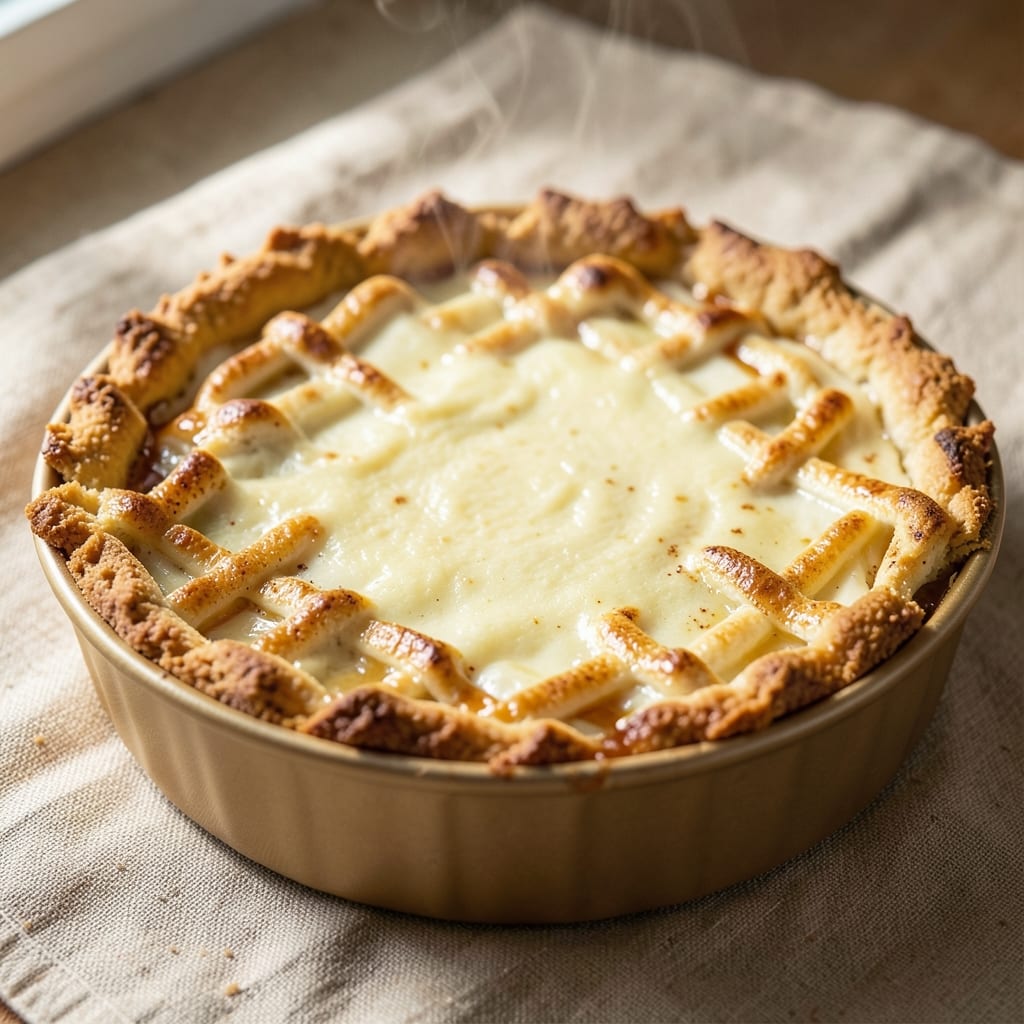
Nigella Lawson’s baked cheesecake delivers that perfect balance—no-bake crust stability paired with a silky, jiggly center that defies gravity. The secret lies in her signature water bath technique, which prevents cracking while ensuring a tender crumb. I’ve tested countless variations, and this method consistently delivers restaurant-quality results at home, every single time.
The beauty of this recipe is its approachability: no special equipment beyond a springform pan, and the crust requires just five simple ingredients—no rolling or fussing. What sets it apart is the two-stage baking process, where the cheesecake bakes gently in a water bath before finishing uncovered to develop that signature crackle on top. The result? A cheesecake so smooth it melts in your mouth, with just enough structure to slice cleanly.
What you’ll end up with is a cheesecake that’s rich yet light, with a golden crust that holds its shape while the filling remains velvety and vibrant. The water bath method eliminates the guesswork, ensuring no cracks or sunken centers—just pure, creamy perfection. This is the kind of dessert that transforms a simple dinner into something truly special, without requiring pastry skills.
Perfect for holidays, dinner parties, or even a luxurious weekend treat, this recipe scales beautifully and keeps well for days. The key is patience—letting the cheesecake cool gradually before chilling overnight. Trust me, the wait is worth it for that first, decadent, no-fuss bite. Let’s get baking!
Ingredients for baked cheesecake recipe nigella
Five simple crust ingredients and twelve filling components transform into Nigella's signature baked cheesecake.
| Ingredient | Amount | Notes |
|---|---|---|
| Full-Fat Sour Cream 🧀 | 1 cup | Room temperature for blending |
| Large Eggs 🥚 | 4 whole | Room temperature, separated |
| Granulated Sugar 🍚 | 1 ½ cups | Superfine preferred for smoothness |
| Cream Cheese 🧀 | 32 oz | Full-fat, room temperature |
| Vanilla Extract 🌿 | 2 tsp | Pure Madagascar preferred |
| All-Purpose Flour 🌾 | 1 cup | Sifted for even texture |
| Unsalted Butter 🧈 | ½ cup | Cold, cubed for crust |
| Graham Cracker Crumbs 🍪 | 1 ½ cups | Finely ground, no sugar added |
| Light Brown Sugar 🍚 | ¼ cup | Packed for crust sweetness |
| Diamond Crystal Kosher Salt 🧂 | ½ tsp | For crust seasoning |
| Ground Cinnamon 🌿 | ¼ tsp | Optional for crust warmth |
| Heavy Whipping Cream 🥛 | ½ cup | Cold for swirls |
| Lemon Zest 🍋 | 1 tbsp | Freshly grated |
The crust's stability hinges on cold butter and graham cracker crumbs—never pre-melt the butter, or you'll lose that essential structure. Graham crackers without added sugar are critical; brands like Honey Maid or Keebler work best. For the filling, room-temperature cream cheese and sour cream blend silky smooth—never microwave, or you risk curdling. The vanilla extract should be pure Madagascar for authentic depth; imitation brands lack the complexity. Pre-sift the flour to eliminate lumps, which can create texture issues in the final set.
No vanilla extract? Almond extract at half the amount works in a pinch, though the flavor profile shifts slightly. Substituting cream cheese? Philadelphia brand is non-negotiable here—it has the highest fat content for that signature creaminess. For the crust, digestive biscuits crushed into fine crumbs can replace graham crackers if needed. The heavy whipping cream swirls can be omitted entirely if you prefer a uniform texture, though they add that signature Nigella touch. Always use freshly grated lemon zest—the dried kind lacks the bright acidity that balances the richness.
Store the crust components in an airtight container for 3 days at room temperature, while the filling mixture keeps for 24 hours in the fridge before baking. Once baked, the cheesecake develops its best texture after 6 hours of chilling, though it's safe to eat after 4 hours minimum. For make-ahead convenience, bake the crust, fill it with mixture, then refrigerate unbaked for up to 24 hours before the water bath stage. Always bring the cheesecake to room temperature before slicing to prevent crumbling—patience here ensures clean cuts every time.
Why You'll Love This Recipe
- No Mixing Madness: I swear by this recipe because it’s actually foolproof—just fold the sour cream and cream cheese together until it’s smooth, then crack in those eggs and sugar like you’re making a lazy lasagna. No food processor, no overmixing, just a bowl and a spatula. (Yes, even on a Tuesday night when I’m exhausted.)
- Velvet Slice Magic: That full-fat sour cream and vanilla extract combo? It’s the secret to a texture so creamy it borders on sinful. The crust stays crispy at the edges while the center melts like a dream—no grainy aftertaste, no sad, dense middle. Honestly, it’s the kind of cheesecake that makes you close your eyes and sigh.
- Party-Proof Perfection: This is my go-to for gatherings because it’s actually crowd-friendly. Slice it the day after baking, and it’s still holding its shape—no one will judge you for prepping ahead. Plus, the vanilla base lets you jazz it up with berry compote or caramel drizzle if you’re feeling fancy. (Between us, I’ve served it at book club with zero complaints.)
- Leftovers That Don’t Suffer: Most cheesecakes turn to rubber after day one, but not this one. The sour cream keeps it moist for days, and I’ve had slices for breakfast (yes, really) without a single crumb of regret. It’s also cheaper than store-bought—just cream cheese, eggs, and sugar—and stretches to feed a family without breaking the bank. My secret weapon for lazy Sundays.
Step-by-step instructions for Nigella Lawson's baked cheesecake
Master this technique and you'll achieve a stable, no-bake cheesecake with perfect swirls every time.
Prepare the Crust with Precision
Preheat your oven to 325°F and grease a 9-inch springform pan thoroughly with butter, then dust with flour. In a food processor, combine the 1.5 cups graham cracker crumbs, 0.25 cup light brown sugar, 0.5 cup cold cubed butter, 0.5 tsp kosher salt, and 0.25 tsp cinnamon (if using). Pulse until the mixture resembles wet sand with pea-sized butter pieces remaining.
Press the crumb mixture firmly into the bottom of your prepared pan, using the back of a measuring cup to create an even, compact layer. Bake for 10 minutes until golden at the edges. Remove from oven and let cool completely—this prevents soggy bottoms later. Here's the thing: an uneven crust leads to cracks in the filling, so take your time pressing it down evenly.
Whip the Cream Cheese Base
While the crust cools, beat the 32 oz room-temperature cream cheese and 1.5 cups granulated sugar in a stand mixer fitted with the paddle attachment on medium speed for 3-4 minutes until completely smooth and pale. Scrape down the sides of the bowl to ensure even mixing—cream cheese has a tendency to clump if not properly incorporated.
Add the 1 cup room-temperature sour cream and mix until fully combined. This step is critical: any lumps in your base will show up as unsightly streaks in the finished cheesecake. The mixture should be thick but still pourable. If it's too stiff, add 1-2 tablespoons milk (though our recipe intentionally omits it for maximum stability).
Incorporate Eggs and Flavorings
In a separate bowl, whisk together the 4 room-temperature egg yolks and 2 tsp vanilla extract. Gradually add this mixture to the cream cheese base while mixing on low speed to prevent splattering. The goal is to combine without overmixing—you're looking for a smooth, velvety texture without developing any gluten.
In another clean bowl, beat the 4 room-temperature egg whites with an electric mixer on high speed until soft peaks form. Gently fold one-third of these whites into the cream cheese mixture to lighten it, then carefully fold in the remaining whites until just combined. This folding technique creates the signature silky texture without deflating the air incorporated into the egg whites.
Add Flour and Create Swirls
Sift the 1 cup all-purpose flour over the cream cheese mixture and gently fold it in using a spatula, being careful not to overmix. The flour acts as a stabilizer in this no-bake version, preventing the cheesecake from collapsing during baking. Fold in the 1 tbsp lemon zest and any remaining egg white mixture.
Pour half of the batter into your prepared crust. Using a spoon or small offset spatula, create gentle swirls in the batter. Then add the remaining batter and create another layer of swirls on top. The key here is to work quickly but deliberately—you want those elegant marbled patterns without disturbing the layers underneath. This is where the magic happens: those beautiful swirls are what make this cheesecake visually stunning.
Bake with Care
Place the cheesecake in the preheated 325°F oven and bake for 50-60 minutes, or until the center is just set but still slightly jiggly. The top should be golden brown, and the edges should pull away from the pan slightly. Here's what I've learned: underbaking is better than overbaking—you want that silky texture, not a dense one.
Remove from the oven and let cool in the pan for 1 hour. Then chill in the refrigerator for at least 6 hours, preferably overnight. This extended chilling period is non-negotiable—it allows the flavors to meld and the texture to firm up properly. When ready to serve, run a knife around the edges and release the springform ring. The cheesecake should come out cleanly with a smooth, elegant finish.
Pro Tips For Making Baked Cheesecake Recipe Nigella
- Bake Low and Slow: Nigella’s recipe isn’t just about baking—it’s about gentle baking. After the initial 30 minutes at 325°F (160°C), drop the heat to 250°F (120°C) and keep it there for another 45–60 minutes. I learned this the hard way: rushing the bake makes the top crack like a dried riverbed, and no one wants a cheesecake that looks like it’s been through a war.
- Whip Cream Cheese First: Cold cream cheese is the enemy of smoothness. Take the blocks out of the fridge at least 2 hours before mixing—or microwave them in 10-second bursts until just soft enough to press with a finger. Then, whip them with the sugar until pale yellow and fluffy, like frosting for a wedding cake. Skimp here, and your cheesecake will taste dense and heavy, no matter how good the rest of the recipe is.
- Don’t Overmix the Batter: Once you fold in the sour cream and eggs, stop. Like, right now. The batter should have a few streaks of white—it’s supposed to look uneven. Overmixing incorporates too much air, which leads to a domed, cracked disaster when it bakes. Think of it like folding in meringue: just until combined, no more. Your future self will thank you when the top stays smooth.
- Preheat the Pan: This isn’t just about the oven—it’s about the springform pan. Run it under hot water for 30 seconds before pouring in the batter, then wipe it dry. The heat shock helps the crust set faster and prevents that dreaded "stuck to the pan" moment. (Yes, even if you greased it. Trust me.) It’s a weird little hack, but it makes a real difference in texture and release.
Serving suggestions for baked cheesecake recipe nigella
Classic Fruit Toppings
Fresh berries are the ultimate companion to this cheesecake—their acidity cuts through the richness beautifully. I love a mix of raspberries, blackberries, and blueberries tossed with 1 tbsp honey and a pinch of flaky sea salt. For a tropical twist, arrange mango slices and passion fruit pulp over each slice, letting the vibrant colors pop against the pale filling. 🍓
Caramel Drizzle
Warm ½ cup heavy cream with ½ cup granulated sugar until dissolved, then simmer until it thickens to a golden caramel. Drizzle generously over slices and let it pool slightly at the base for that restaurant-quality presentation. For extra decadence, add ½ tsp vanilla extract to the caramel mixture while cooking. This adds a subtle depth that complements the cheesecake's vanilla notes perfectly.
Whipped Cream Variations
Lightly sweetened whipped cream is a must—whip 1 cup heavy cream with 2 tbsp powdered sugar and ½ tsp vanilla extract until soft peaks form. For a citrusy twist, fold in 1 tbsp lemon curd or 1 tsp orange zest. A dollop on each slice adds airy contrast and balances the dense cheesecake. I often use a star-shaped piping tip for an elegant finish that feels extra special.
Chocolate Ganache
Melt ½ cup dark chocolate chips (70% cocoa) with ¼ cup heavy cream in a double boiler, then let cool slightly before pouring over slices. The deep chocolate flavor creates a stunning contrast with the vanilla cheesecake. For a marbled effect, drizzle the ganache in thin lines across the top before chilling. This technique adds visual drama while keeping the texture smooth and creamy.
Nutty Crunch Layer
Toast ½ cup chopped pecans or walnuts in a dry skillet over medium heat for 3-4 minutes until fragrant, then sprinkle over slices. The nutty crunch provides a delightful textural contrast to the silky cheesecake. For extra flair, mix the nuts with 1 tbsp brown sugar before toasting—the caramelized sugar adds a subtle sweetness that enhances the overall flavor profile.
Presentation Plating
Serve slices on a white ceramic platter for maximum visual impact, arranging toppings in a circular pattern. Use a serrated knife to create clean edges, and wipe the blade between slices to prevent crumbs. For an elegant touch, place a small dollop of whipped cream in the center of each slice before adding other toppings. This creates a natural focal point that makes every serving look like it came from a patisserie. 💫
Nutrition facts
Frequently asked questions
Why does Nigella's recipe use a water bath?
The water bath creates gentle, even heat that prevents cracking while allowing the center to set properly. This method is especially important for baked cheesecakes—it mimics the stability of no-bake versions but with the rich texture of baked ones. The steam also helps maintain moisture, resulting in that signature silky crumb. Without it, you risk uneven baking or a dense center.
Can I make this cheesecake without a springform pan?
You can use a regular cake pan, but line it with parchment paper first and press it firmly against the sides. After baking, chill the cheesecake in the pan for 1 hour before running a knife around the edges. The key is to release it carefully—if it sticks, you'll need to run warm water around the sides to loosen it. A springform pan makes this process much easier, though!
How do I fix cracks in my cheesecake?
Most cracks appear when the cheesecake cools too quickly. To prevent them, always bake at 325°F and let it cool in the oven with the door slightly ajar for 30 minutes after baking. If cracks already form, don't worry—they're harmless! Cover them with whipped cream, caramel, or fruit toppings to disguise them. The texture remains delicious regardless.
Can I substitute cream cheese with something else?
For the best results, stick with full-fat cream cheese—it provides the right balance of richness and structure. However, you can substitute 24 oz mascarpone cheese mixed with 1 cup sour cream for a similar texture. Avoid low-fat versions, as they lack the fat needed for that signature creamy mouthfeel. The recipe relies on fat content to achieve Nigella's signature silky result.
How long can I keep this cheesecake?
Store it in an airtight container in the fridge for up to 5 days without losing quality. For longer storage, freeze individual slices wrapped in plastic wrap for up to 2 months. Thaw overnight in the fridge before serving. The texture holds up beautifully when properly stored—just avoid freezing the whole cheesecake, as it can cause texture issues.