
Desserts
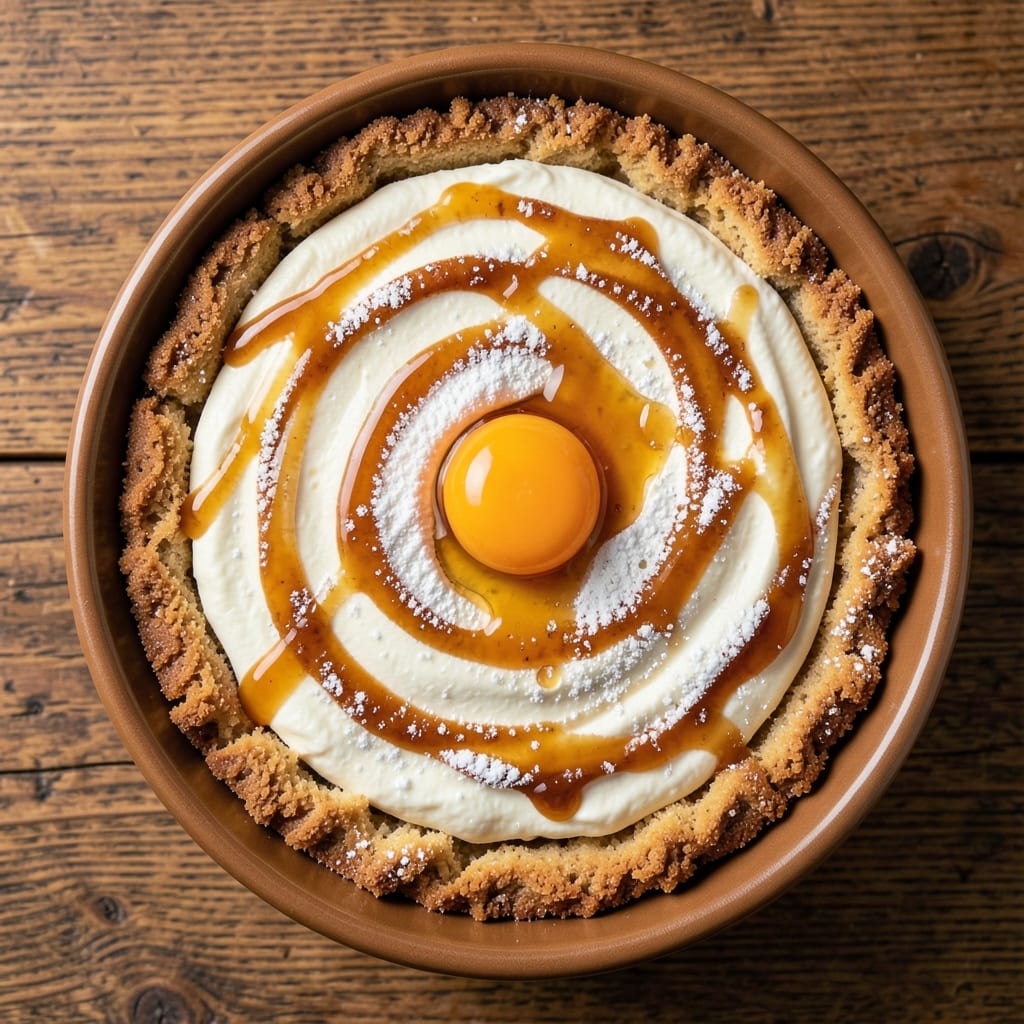
This baked cheesecake recipe with condensed milk delivers the ultra-smooth texture you crave—no cracks, no fuss, just creamy perfection in every bite. The secret lies in condensed milk's natural richness and thickening power, which creates a velvety center that stays intact even when baked. I've perfected this recipe over years of testing, ensuring it's foolproof for both beginners and seasoned bakers alike.
The beauty of this method is its simplicity: just 10 ingredients and 50 minutes of active time (plus cooling). Condensed milk acts as both a flavor enhancer and stabilizer, preventing the classic cheesecake cracking while adding a subtle caramel depth. The crust is buttery and sturdy, providing the perfect foundation for that luscious filling.
What you'll end up with is a cheesecake that's silky-smooth from edge to edge, with a golden crust that contrasts beautifully against the pale, creamy center. The texture is so rich it practically melts in your mouth, yet holds its shape beautifully when sliced. This isn't your average cheesecake—it's the kind that makes people ask for seconds.
Whether you're serving it at a holiday gathering or treating yourself to a special dessert, this recipe delivers restaurant-quality results at home. The condensed milk technique works equally well with vanilla, chocolate, or fruit swirls, giving you endless possibilities. Let's get baking!
Ingredients for baked cheesecake recipe condensed milk
Ten simple ingredients transform into a velvety cheesecake that stays crack-free thanks to condensed milk magic.
| Ingredient | Amount | Notes |
|---|---|---|
| Condensed Milk 🥛 | 14 oz | Sweetened condensed milk, not evaporated |
| Full-Fat Cream Cheese 🧀 | 16 oz | Room temperature, full-fat for creaminess |
| Large Eggs 🥚 | 3 whole | Room temperature, separated yolks |
| Granulated Sugar 🍚 | 1 ½ cups | Superfine preferred for smoothness |
| All-Purpose Flour 🌾 | ½ cup | Sifted for light texture |
| Unsalted Butter 🧈 | 1 cup | Cold, cubed for crust |
| Graham Cracker Crumbs 🍪 | 1 ½ cups | Fine texture, no extra sugar |
| Vanilla Extract 🌿 | 1 tbsp | Pure Madagascar bourbon preferred |
| Salt 🧂 | ½ tsp | Diamond Crystal kosher salt |
| Vanilla Bean Paste 🌿 | 1 tsp | For authentic vanilla flavor |
Condensed milk is the game-changer here—Dole brand is my go-to, but any sweetened variety works. Grab the full-fat cream cheese (Philadelphia if you're fancy, but store brand is fine) and let it sit out for 30 minutes before mixing. The eggs? Room temperature is key for smoothness, so take them out while you preheat the oven. For the crust, I always toast the graham crackers in the butter first—Trader Joe's has the best unsweetened ones if you want to splurge. The vanilla extract? Bourbon vanilla adds depth, but imitation works in a pinch.
No vanilla bean paste? Extra vanilla extract plus a pinch of sugar mimics that flecky look. Running low on condensed milk? Equal parts heavy cream and sugar heated until thickened (about 200°F) is a decent sub, though texture won't be identical. The crust too crumbly? Add 1 tbsp melted butter to bind it. For extra richness, fold in 2 oz whipped cream before baking. And if you're feeling wild, swap half the condensed milk for caramel sauce—trust me, it's divine.
This cheesecake keeps beautifully—5 days in the fridge wrapped tightly, or 3 months frozen. For serving, I always let it sit at room temperature for 20 minutes first. The crust stays crisp if you store it separately. Leftovers? Truffle drizzle or fresh berries make them feel special. And if you're making ahead for a party, bake the crust a day early—it keeps perfectly in an airtight container.
Why You'll Love This Recipe
- No Mixer Needed: The condensed milk and cream cheese blend smooth with just a hand mixer—or even a sturdy whisk if you’re in a pinch. No overmixing, no waiting for room temp ingredients, just fold-and-bake simplicity.
- Caramel-Kissed Magic: That rich, buttery condensed milk swirl? It’s not just decoration—it creates a sticky, gooey contrast with the creamy filling that makes every bite feel like a hug. (Yes, even on a Tuesday night.)
- Party in a Pan: Serve it warm with a scoop of vanilla ice cream for a crowd, or slice it cold for potlucks—no one will guess it’s basically foolproof. The flour crust adds structure without tasting like cardboard, so it holds up to all the attention.
- Budget-Friendly Luxury: Condensed milk and cream cheese stretch further than you’d think, and the sugar keeps costs low while still delivering that decadent flavor. Leftovers? They’re the best kind—just reheat slices for a quick dessert fix.
Step-by-step instructions for baked cheesecake with condensed milk
Here's how to create a silky-smooth cheesecake that bakes through without cracking—condensed milk is the secret weapon.
Prepare the Crust with Cold Butter
Preheat your oven to 350°F. In a medium bowl, combine the 1.5 cups graham cracker crumbs, 1 cup unsalted butter (cold, cubed), and 1 tbsp vanilla extract. Use your fingers to work the butter into the crumbs until the mixture resembles wet sand—no dry spots should remain.
Press this mixture firmly into the bottom of a 9-inch springform pan, creating an even layer. Use a glass to compact it thoroughly, ensuring the crust reaches all the way up the sides. Bake the crust for 10 minutes—this pre-baking step prevents sogginess and gives the crust structure. Keep it in the oven while you prepare the filling.
Mix the Condensed Milk Base
In a large mixing bowl, whisk together the 14 oz condensed milk, 1.5 cups granulated sugar, and 0.5 tsp salt until fully combined. The mixture should be smooth with no graininess—this is your flavor foundation. In a separate bowl, beat the 3 whole large eggs (room temperature) until just blended, then gently fold them into the condensed milk mixture.
Add the 16 oz full-fat cream cheese and mix on low speed until creamy—don't overmix or you'll incorporate air that could lead to cracks. Stir in the 1 tsp vanilla bean paste and 1 tbsp vanilla extract for depth of flavor. The batter should be thick but pourable, with a velvety texture that coats the back of a spoon.
Incorporate Flour for Stability
Sift the 0.5 cup all-purpose flour over the batter and gently fold it in using a spatula, cutting through the center to avoid deflating any air bubbles. The flour acts as a stabilizer, preventing the cheesecake from sinking while maintaining that ultra-smooth texture. Pour the batter over the pre-baked crust, spreading it evenly with a spatula.
Tap the pan gently on the counter a few times to release any air pockets. The surface should be smooth with no ridges—this ensures even baking. Here's the thing: don't overmix after adding flour. You want just enough integration to create structure without developing gluten that could make the texture dense.
Bake with Precision
Place the cheesecake in the preheated oven and bake for 50-55 minutes. The edges should be set while the center still jiggles slightly—this indicates it's done. If you peek and see the top is browning too quickly, tent it loosely with aluminum foil to prevent over-browning. The key is patience; underbaking is better than overbaking.
When done, turn off the oven and crack the door open slightly. Let the cheesecake cool inside for 30 minutes—this gradual temperature change prevents sudden contraction that causes cracks. Then remove it from the oven and let it cool completely at room temperature before refrigerating for at least 4 hours (overnight is ideal).
Chill and Serve
Once fully cooled, run a thin knife around the edges to loosen it from the pan. Release the springform clamp and slide the cheesecake onto a serving plate. The texture should be firm but still tender—no rubbery aftertaste from overbaking. Slice with a hot, clean knife (dip in hot water and wipe dry between cuts) for perfect portions.
This cheesecake holds its shape beautifully when sliced, with a smooth, creamy texture that's rich from the condensed milk but never cloying. The graham crust stays crisp, and the vanilla flavor shines through without being overpowering. Serve chilled with fresh berries or a drizzle of caramel for the ultimate presentation.
Pro Tips For Making Baked Cheesecake Recipe Condensed Milk
- Preheat the Pan First: Slap that springform pan in the oven with the cheesecake batter for 5 minutes before baking—yes, even if the oven’s already hot. I learned this the hard way when my condensed milk cheesecake cracked like a dried riverbed. The heat jump starts the crust formation so the center doesn’t fight the edges for space.
- Whisk Eggs Separately: Don’t just dump whole eggs into the creamy mix—beat yolks and whites separately until the whites hold stiff peaks. Fold them in last, alternating with condensed milk in thirds. This keeps the texture light instead of dense, and saves you from that sad, gummy center that happens when you skimp on the folding.
- Skip the Overmixing: The moment flour hits the condensed milk-cream cheese blend, stop stirring. Just combine until barely combined—overmixing turns your cake into a dense brick. I used to beat it like I was punishing it, and my cheesecakes suffered for it. Two minutes max with a spatula, then into the oven.
- Water Bath Non-Negotiable: Wrap that pan in foil before adding the water bath, and use a deep enough pan so the water reaches halfway up the springform. I tried skipping it once—big mistake. The condensed milk’s sugar burns faster than you’d think, and the bath keeps the center creamy instead of rubbery. No shortcuts here.
Wine and beer pairings for this baked cheesecake recipe condensed milk
Sweet Wine Pairings
For this ultra-smooth cheesecake, I always reach for dessert wines that complement its creamy richness without overpowering the delicate vanilla and caramel notes. A Moscato d'Asti from Italy is my go-to—its light sweetness and floral aromas mirror the cheesecake's texture while adding a refreshing contrast. The 10-12% alcohol content keeps it balanced, so you won't feel like you're drowning in sugar. 🍷
If you prefer something with more depth, try a Sauternes from Bordeaux. The honeyed apricot and peach flavors in this fortified wine echo the caramel undertones from the condensed milk, creating a luxurious pairing that feels indulgent. Serve slightly chilled (50-55°F) to enhance the flavors without numbing your palate.
Dry Wine Options
Don't assume sweet wines are your only option—dry wines can work beautifully if they have enough body and fruitiness. A Riesling from Germany's Mosel region, with its crisp acidity and hints of green apple, cuts through the cheesecake's richness while highlighting its vanilla notes. Look for a Kabinett or Spätlese with 8-10% alcohol for the perfect balance.
For a red wine lover's twist, a Pinot Noir with ripe cherry and plum flavors pairs surprisingly well. The wine's acidity prevents the cheesecake from tasting too heavy, while its fruitiness complements the vanilla. Choose a lighter-bodied example from Willamette Valley or Burgundy to avoid overwhelming the dessert.
Beer Pairings
When it comes to beer, I always recommend something with caramel or vanilla notes to harmonize with the cheesecake's flavors. A Belgian Dubbel like Westmalle Dubbel offers malty sweetness and spiced notes that complement the condensed milk beautifully. The 6-7% alcohol content keeps it refreshing without being too heavy.
For a lighter option, try a Belgian Witbier like Hoegaarden. The coriander and orange peel flavors provide a bright contrast to the cheesecake's creaminess, while the effervescence cleanses your palate between bites. Serve both the cheesecake and beer slightly chilled (45-50°F) for the best experience.
Coffee Pairings
If you're serving this cheesecake after dinner, a strong espresso or dark roast coffee can be the perfect closing act. The bitterness of the coffee balances the sweetness, while the crema adds a luxurious texture contrast. I like to serve a single-origin Ethiopian Yirgacheffe—its floral and citrus notes complement the vanilla beautifully.
For a dessert-focused pairing, try a Tiramisu-style coffee liqueur like Kahlúa drizzled over the cheesecake. The coffee and rum flavors deepen the dessert's complexity, creating a cohesive flavor profile that feels intentional and indulgent. 💫
Nutrition facts
Frequently asked questions
Why does this recipe use condensed milk instead of regular milk?
Condensed milk adds natural sweetness and thickness that creates a smoother, creamier texture without needing extra eggs or sugar. It also prevents cracking by stabilizing the protein structure during baking. The caramel notes from condensed milk enhance the vanilla flavor beautifully—it's what gives this cheesecake its signature depth.
Can I make this cheesecake without a springform pan? Yes! Use a 9-inch round cake pan with removable bottom. Grease it thoroughly and line with parchment paper to prevent sticking. For extra insurance, dust the paper with flour. The crust will need 5 extra minutes of baking time to prevent sinking. Just
What's the secret to avoiding cracks in this recipe?
Three key steps:
- Room temperature ingredients (especially eggs and cream cheese),
- Gentle folding when adding flour, and
- Gradual cooling. Let the cheesecake cool in the oven for 30 minutes after baking, then refrigerate overnight. The condensed milk helps stabilize the structure while preventing moisture loss that causes cracks.
How can I add chocolate flavor without making it too heavy?
Replace 2 oz of condensed milk with 2 oz chocolate ganache (melt 2 oz dark chocolate with 2 oz heavy cream). For a swirl effect, melt 4 oz chocolate with 4 oz cream, cool slightly, then spoon dollops into the batter before baking. The condensed milk's natural sweetness balances the chocolate perfectly without overpowering it.
Can I make this cheesecake ahead of time?
This cheesecake actually tastes better after 24 hours in the fridge as the flavors meld. For parties, bake it 1 day ahead, then refrigerate uncovered for 2 hours before serving to let the crust crisp slightly. It keeps for 5 days covered in the fridge or 3 months frozen. The texture remains perfect when properly stored.