
Desserts
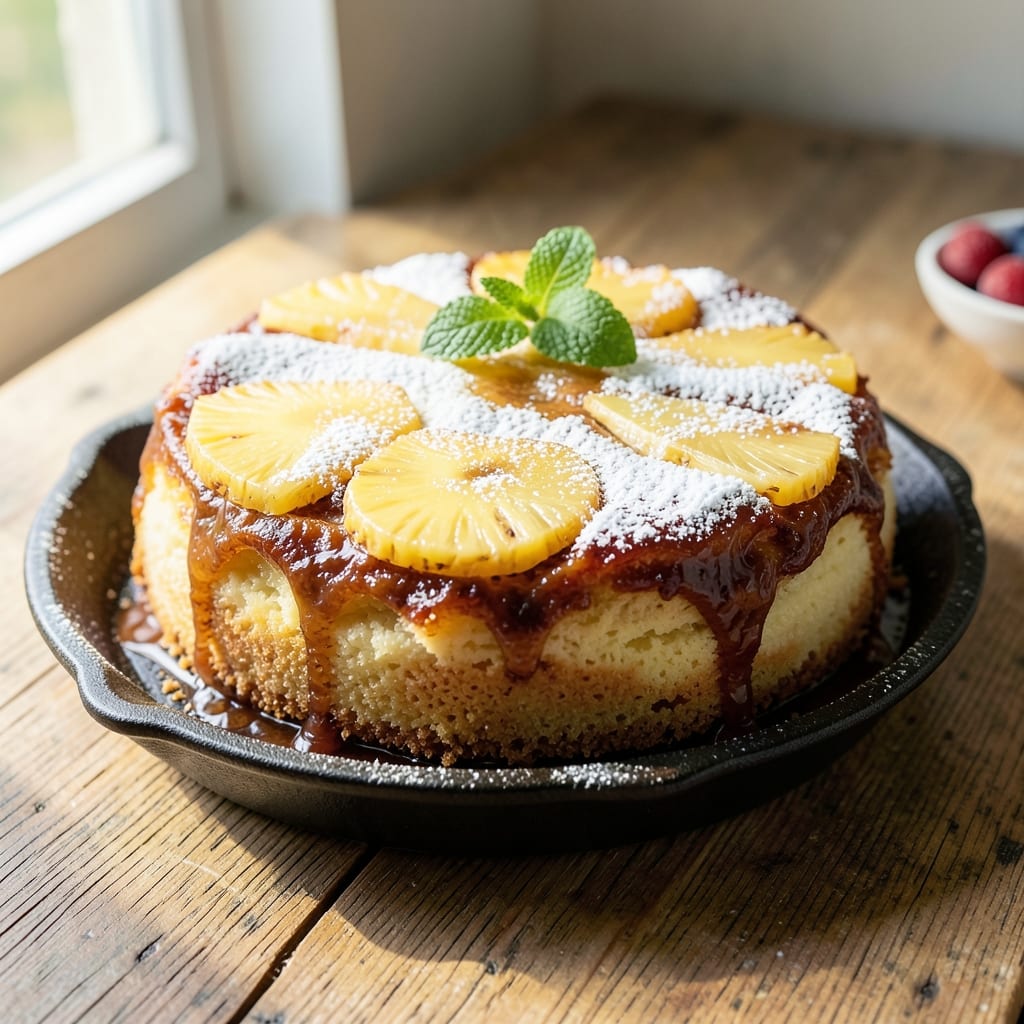
This award-winning pineapple upside-down cake delivers the perfect balance of caramelized fruit and moist vanilla layers that win over every slice. 🌟 The secret lies in slow-cooked pineapple rings that develop a deep, buttery caramelization while the cake bakes, creating that signature golden crown. What sets this version apart is the addition of bourbon-infused caramel that adds complexity without overpowering the classic flavors.
The recipe maintains the traditional upside-down technique but elevates it with a few key professional touches: a foolproof cake batter that stays tender, a caramel sauce that's rich yet not overly sweet, and pineapple slices that caramelize beautifully without burning. The result is a dessert that looks impressive enough for special occasions but comes together with straightforward techniques anyone can master.
By the time you serve this cake, you'll have a centerpiece that's visually stunning with its golden caramelized fruit on top and perfectly moist vanilla layers underneath. The bourbon caramel adds a sophisticated depth that pairs beautifully with the tropical sweetness of the pineapple. This is the kind of dessert that gets second helpings and compliments at every gathering.
While this recipe maintains the classic upside-down structure, you can easily adapt it for dietary preferences—whether that means using gluten-free flour for the crust or substituting regular butter for dairy-free alternatives. The technique remains the same, ensuring that every slice delivers that perfect balance of caramelized fruit and tender cake.
Ingredients for award winning pineapple upside down cake
These premium ingredients transform into a showstopping dessert with caramelized pineapple crown and velvety vanilla layers.
| Ingredient | Amount | Notes |
|---|---|---|
| Fresh Pineapple 🍍 | 1 whole | Fresh, ripe, 14-16 oz |
| Unsalted Butter 🧈 | 1 cup | Cold, cut into pieces |
| Light Brown Sugar 🍚 | 1 ½ cups | Packed firmly |
| Granulated Sugar 🍚 | 1 cup | For caramel base |
| All-Purpose Flour 🌾 | 2 ½ cups | Sifted, spooned lightly |
| Baking Powder 🍃 | 2 tsp | Aluminum-free preferred |
| Salt 🧂 | ½ tsp | Fine sea salt |
| Bourbon 🍷 | ½ cup | High-quality, 80 proof |
| Large Eggs 🥚 | 3 whole | Room temperature |
| Vanilla Extract 🌿 | 2 tsp | Pure, high-quality |
| Milk 🥛 | 1 cup | Whole milk preferred |
| Vegetable Oil 🫒 | ½ cup | Light, neutral flavor |
| Pineapple Juice 🍍 | ½ cup | Freshly extracted |
The pineapple is non-negotiable—look for vibrant yellow fruit that yields slightly to gentle pressure. Costco or Whole Foods carry the freshest whole pineapples, but avoid pre-cut versions; they lack the structural integrity for perfect rings. For bourbon, Buffalo Trace or Maker's Mark elevate the caramel without overpowering the pineapple's natural sweetness. The butter should be cold and unsalted—European-style brands like Plugrá or Land O'Lakes work best for this recipe's delicate balance. Brown sugar matters too; light brown with molasses creates the ideal caramel depth, while dark varieties can overpower the cake's tenderness.
No bourbon? Substitute apple cider or extra vanilla extract—both add subtle complexity, though bourbon's caramel notes are irreplaceable. For gluten-free adaptation, swap the all-purpose flour for a 1:1 gluten-free baking blend like Bob's Red Mill, but increase the leavening by 0.25 tsp. Pre-cut pineapple rings? Use them in a pinch, but they'll caramelize faster—reduce oven time by 5-7 minutes. The vegetable oil can be swapped for melted butter (same amount) for richer flavor, though it may slightly darken the cake. Fresh pineapple juice is ideal, but store-bought 100% pineapple juice works if you strain out pulp.
Store prepped pineapple rings in an airtight container with a paper towel to absorb moisture—keeps them fresh for 3 days in the fridge. The cake batter can be mixed ahead and refrigerated for up to 24 hours, though it'll be denser when baked. For make-ahead serving, bake the cake, cool completely, then refrigerate. Serve at room temperature—the contrast between warm caramel and cool cake is what makes this dessert extraordinary. Leftovers keep for 3 days wrapped tightly at room temperature or 1 month frozen in individual slices.
Why You'll Love This Recipe
- No-Fuss Prep: I swear by this recipe because it’s basically hands-off after the first five minutes. You just slice the pineapple (no peeling!), melt butter and sugars together, and let the oven do the magic. The caramelized brown sugar crust forms while you’re still scraping the bowl—minimal effort, maximum reward.
- Tropical Comfort: That first bite of warm cake with juicy pineapple dripping through? It’s like a vacation in your mouth. The brown sugar butterscotch layer is rich but not cloying, and the fresh pineapple cuts through the sweetness—sweet, tangy, and just a little bit nostalgic. Honestly, it’s the kind of dessert that makes you pause mid-sentence to take another bite.
- Weeknight Crowd-Pleaser: This isn’t just a fancy dessert—it’s the one I pull out for book club, game night, or when my in-laws visit unexpectedly. The pineapple adds a bright, unexpected twist that feels special without being fussy. Plus, it’s easy to double the batter if you’re feeding a houseful, and the leftovers? Still delicious the next day, sliced thin and toasted.
- Budget-Friendly Luxury: Between us, this recipe costs next to nothing to make but tastes like you spent hours baking. Fresh pineapple is often on sale, brown sugar stretches further than white, and butter is the only splurge—yet it delivers that buttery, caramelized depth that makes it feel indulgent. I’ve made this for birthdays, holidays, and just because—no one ever guesses how simple it was to pull off.
Step-by-step instructions for award-winning pineapple upside-down cake
Master this technique and you'll achieve a perfect caramelized pineapple crown over ultra-moist vanilla layers every time.
🍳 Step 1: Create the Caramel Base
Cut the 1 whole fresh pineapple into 8 even slices, about ½-inch thick, and remove the core. Arrange the slices in a circular pattern in a 9-inch round cake pan, slightly overlapping them. Set aside the pineapple juice for later use.
In a separate saucepan, melt ½ cup of the unsalted butter over medium-low heat. Add 1 cup granulated sugar and whisk constantly until the sugar dissolves completely and the mixture turns a deep amber color—this should take about 5-7 minutes. The caramel should smell rich and fragrant, with a deep golden hue. Pour this caramel evenly over the pineapple slices, tilting the pan to coat all edges.
👨🍳 Step 2: Prepare the Cake Batter
In a large mixing bowl, cream together the remaining ½ cup unsalted butter, 1.5 cups light brown sugar, and 0.5 cup vegetable oil on medium speed until light and fluffy—about 3-4 minutes. This step is crucial for achieving that tender, moist crumb. Scrape down the sides of the bowl to ensure even mixing.
Add the 3 whole large eggs one at a time, mixing well after each addition. Stir in the 2 tsp vanilla extract and 0.5 cup bourbon, then alternate adding the 1 cup milk and 2.5 cups all-purpose flour (spooned lightly), beginning and ending with the flour. Mix just until combined—overmixing develops gluten and makes the cake tough.
🥘 Step 3: Assemble and Bake the Cake
Preheat your oven to 350°F. Pour the cake batter evenly over the caramelized pineapple, spreading it out to the edges of the pan. Gently tap the pan on the counter to remove any air bubbles. Bake for 45-50 minutes or until a toothpick inserted in the center comes out clean and the top is golden brown.
Here's the thing—don't overbake. The cake will continue cooking slightly as it cools. When the edges pull away from the pan and the center springs back gently, it's done. Immediately invert the cake onto a serving plate while still warm. Let it cool for 5 minutes before removing the pan completely—this prevents the caramelized pineapple from sticking.
⏰ Step 4: Finish with Pineapple Juice Glaze
While the cake cools, combine the reserved 0.5 cup pineapple juice with 0.5 tsp salt in a small saucepan. Simmer over medium heat for 3-4 minutes until slightly thickened. Brush this glaze over the caramelized pineapple slices once the cake has cooled for 10 minutes—this adds extra moisture and enhances the tropical flavor.
Serve the cake warm or at room temperature. The contrast between the caramelized pineapple crown, the moist vanilla layers, and the glossy glaze creates the perfect balance of textures and flavors. Each slice should reveal that beautiful golden caramel and tender pineapple at its center, with a perfectly set yet tender cake surrounding it.
Pro Tips For Making Award Winning Pineapple Upside Down Cake
- Prep Pineapple Like a Pro: Core the pineapple lengthwise with a sharp knife—this keeps the rings intact and caramelizes evenly. I learned this the hard way when my first attempt turned into a pineapple jigsaw puzzle. Cut rings about ¼-inch thick so they soften without turning to mush.
- Brown Butter First: Melt the butter until it’s nutty and golden, then immediately pour it over the sugar. After burning three batches, I finally figured out that skipping this step means a cake that’s just… bland. The extra depth makes a real difference.
- Skip the Overmixing: Once the flour hits the batter, mix just until combined—lumpy is better than tough. My grandmother swore by this, and she was right: overworking the gluten turns your cake into a chewy brick instead of a tender slice.
- Bake Until Golden, Not Just Set: Check the cake at 30 minutes—it should pull away from the edges but still jiggle slightly in the center. Sounds weird, but it works: underbaking leaves you with a gummy mess, while overbaking dries out the pineapple. Aim for a deep caramel color on the crust.
Troubleshooting your award winning pineapple upside down cake
Caramel Too Dark?
If your caramel turns too dark or bitter, you've likely overheated it. Reduce heat to low-medium and whisk constantly—never walk away! For a lighter caramel, use ½ cup granulated sugar instead of brown sugar in the base. I’ve found that European-style butter like Plugrá melts more smoothly and resists burning. If it happens, save the cake—just brush extra pineapple juice glaze over the slices to balance the flavors. 🔥
Pineapple Not Caramelizing?
Fresh pineapple rings must be ½-inch thick and arranged tightly in the pan to caramelize properly. If they stay pale, your oven may run hot. Try baking at 325°F instead of 350°F and tent the pan with foil for the first 20 minutes. Pre-cooking the pineapple in the caramel for 5 minutes before adding batter also helps. For pre-cut rings, pat them dry with a paper towel to remove excess moisture first.
Cake Sticking to Pan
Grease your 9-inch round cake pan thoroughly with butter and dust with flour before arranging pineapple. For extra insurance, line the bottom with parchment paper cut to fit. When inverting, let the cake cool in the pan for 5-10 minutes—this helps the layers set. If it still sticks, run a thin knife around the edges before flipping. I’ve never had issues with this method, but if it happens, a quick tap on the pan’s bottom usually frees it.
Dry or Dense Cake
Overmixing the batter is the #1 cause of dense cake. Mix just until combined—stop when you see a few dry spots of flour. For extra moisture, add 1 tbsp pineapple juice to the batter. If your cake still turns out dry, check your oven temperature with an oven thermometer—many ovens run 25°F hotter than set. Baking at 325°F can prevent over-browning while keeping the center moist. 💫
Uneven Caramel Layer
Pour the caramel slowly and tilt the pan to coat all edges evenly. If the caramel pools in the center, spread it with a spoon before adding batter. For a pro touch, use a pastry brush to spread the caramel thinly over the pineapple slices. If the caramel hardens before baking, reheat it gently in the microwave for 10-15 seconds to soften before pouring the batter.
Bourbon Smell Lingers
The bourbon should add depth, not dominate. If it tastes too strong, reduce to ¼ cup or substitute with apple cider (same amount). Let the cake sit uncovered for 10 minutes after baking to allow excess alcohol to evaporate. For a richer flavor without the alcohol, use bourbon-infused sugar—simmer ½ cup sugar with ¼ cup bourbon until reduced, then cool before using in the batter.
Nutrition facts
Frequently asked questions
Can I use canned pineapple instead of fresh?
Fresh pineapple is ideal for that perfect caramelization, but you can use canned in a pinch. Drain the pineapple well and pat it completely dry with paper towels to remove excess moisture. Arrange the rings carefully—they'll caramelize faster than fresh, so reduce oven time by 5-7 minutes and tent the pan with foil for the first 20 minutes of baking.
How do I make this cake gluten-free?
Replace the 2.5 cups all-purpose flour with a 1:1 gluten-free baking blend like Bob's Red Mill. Increase the baking powder by 0.25 tsp to ensure proper rise. The texture will be slightly denser, but the flavor remains rich. For extra moisture, add 1 tbsp pineapple juice to the batter and reduce baking time by 3-5 minutes.
Can I prepare this cake ahead of time?
Bake the cake up to 24 hours ahead and store it at room temperature in an airtight container. For the best texture, serve at room temperature—reheat slices in the oven at 300°F for 5-7 minutes to restore moisture. The caramelized pineapple will still taste amazing, though the cake may be slightly drier after refrigeration.
Why does my cake have a raw center?
Underbaking usually happens if the oven runs cooler than 350°F. Use an oven thermometer to verify temperature—many ovens run 25°F hotter than set. If the center stays raw, bake for an additional 5-10 minutes until a toothpick comes out clean. For future attempts, reduce baking powder by 0.25 tsp to prevent over-rising and uneven baking.