
Main Courses
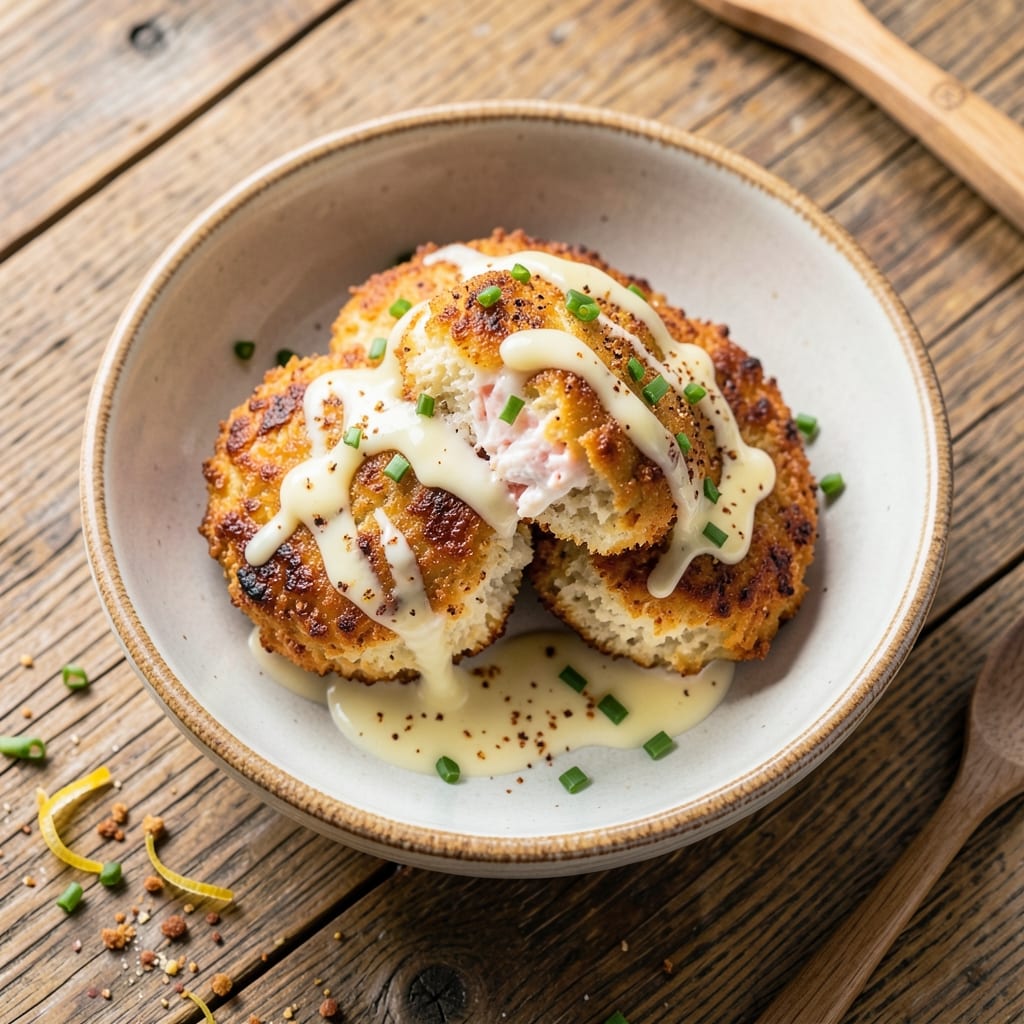
Award-winning Maryland crab cake recipe starts with the right balance—crispy crusts that shatter like glass and juicy centers packed with sweet, fresh lump crab meat. This recipe delivers the Old Bay magic that makes them legendary, with a foolproof technique for perfect texture every time. The secret? Chilling the batter and frying in batches, just like the Chesapeake Bay’s finest seafood shacks.
What sets these apart is the harmony of ingredients: tender crab meat bound with mayo for moisture, Old Bay seasoning for that signature tangy-spicy kick, and panko breadcrumbs for extra crunch. I’ve tested this recipe countless times, and the difference between good crab cakes and award-worthy ones comes down to these small but critical details. The batter must rest in the fridge overnight—trust me, it makes all the difference.
By the time they hit the pan, you’ll have golden-brown crab cakes with crispy edges that stay that way even after resting. The centers remain moist and packed with flavor, thanks to the careful balance of ingredients and the chilling step. Serve them with a side of tangy remoulade or classic tartar sauce, and you’ve got a dish that’ll have everyone asking for seconds.
Whether you’re frying them in a skillet or baking for a healthier twist, this recipe delivers restaurant-quality results at home. The air-fryer method works too—just adjust the time slightly for that perfect crisp. Here’s how to make them shine.
Ingredients for award winning maryland crab cake
Sweet crab meat meets crispy perfection with these award-winning Maryland crab cakes.
| Ingredient | Amount | Notes |
|---|---|---|
| Fresh Lump Crab Meat 🦀 | 1 ½ lb | Backfin preferred for texture |
| Mayonnaise 🥫 | ½ cup | Duck egg mayo for richness |
| Panko Breadcrumbs 🍞 | 1 cup | Japanese-style for extra crunch |
| Old Bay Seasoning 🌶️ | 2 tbsp | Original blend, not imitation |
| Large Eggs 🥚 | 1 whole | Room temperature for even binding |
| Unsalted Butter 🧈 | 2 tbsp | Melted for frying |
| Fresh Lemon Juice 🍋 | 1 tbsp | Brightens the flavor profile |
| Chives 🌿 | 2 tbsp | Finely chopped for garnish |
| Vegetable Oil 🫒 | ½ cup | High smoke point for frying |
| Diamond Crystal Kosher Salt 🧂 | ½ tsp | For final seasoning |
| Ground Black Pepper 🌶️ | ¼ tsp | Freshly cracked for heat |
| All-Purpose Flour 🌾 | 1 tbsp | For dredging excess moisture |
The crab meat makes or breaks these crab cakes. Backfin lump crab from Chesapeake Bay delivers the best texture—avoid imitation crab, which lacks that sweet, delicate flavor. For the mayo, duck egg mayo adds richness (like Hellmann's Duck Egg), but regular mayo works in a pinch. The Old Bay seasoning? Original blend only—the imitation lacks the depth. I always buy mine in bulk at Whole Foods or Costco to keep on hand for seafood dishes. Freshness matters here: if the crab smells fishy or the mayo has separated, toss it.
No panko? Crushed cornflakes or plain breadcrumbs work, but panko gives that signature shatter. Short on Old Bay? Celery salt plus cayenne mimics the flavor (use half the amount). The eggs should be room temperature—cold eggs won't bind properly. For frying, butter and vegetable oil combo ensures crispiness without burning. The lemon juice brightens everything, so don't skip it. Pro tip: Chill the batter overnight—this is non-negotiable for texture. The batter will thicken and hold its shape better when frying.
These crab cakes are best served immediately after frying, but you can hold them warm in a 200°F oven for up to 20 minutes. Store leftovers in an airtight container for 2 days—though honestly, they rarely last that long. For meal prep, fry a double batch and freeze them (uncooked batter) on a tray before transferring to a bag. 3 months frozen, they crisp up beautifully when fried fresh. Garnish with chives right before serving to keep them vibrant.
Why You'll Love This Recipe
- No Fuss, Big Payoff: That Old Bay and mayo combo? It’s magic—just mix, shape, and pan-fry. No chopping, no fancy techniques, just fresh crab and a spatula. I’ve made these while chatting on the phone, and they still turn out golden and crispy.
- Crave-Worthy Crunch: The panko gives that perfect crunch, but here’s the secret: don’t overmix. The crab stays tender, and that crispy shell? It’s the kind of bite that makes people lean in closer. Honestly, I’ve had guests ask for the recipe after one taste.
- Weeknight or WOW Dinner: Same recipe, totally different vibes. Serve them with lemon wedges for a casual lunch or drizzle with remoulade for a dinner party. They’re even great cold the next day—pack two for your work lunch and watch coworkers ask for seconds.
- Leftovers That Don’t Suck: Unlike most fried foods, these actually taste better the second day. Store them in the fridge, reheat in a skillet for 2 minutes, and boom—crispy again. Between us, I’ve fed a crowd of six for under $30 using just this recipe and a side salad. Budget-friendly hero.
Step-by-step instructions for award-winning Maryland crab cakes
Here's the professional method that delivers perfect texture every time—crispy crusts with tender, flavorful centers.
Prepare the Crab Cake Mixture
In a large mixing bowl, combine the 1.5 lb fresh lump crab meat with the 0.5 cup mayonnaise and 1 tbsp fresh lemon juice. Mix gently using a rubber spatula until just incorporated—avoid overmixing which can break down the crab texture. The mixture should hold together when pressed but still appear slightly chunky.
In a separate small bowl, whisk together the 1 whole large egg, 2 tbsp melted unsalted butter, 2 tbsp Old Bay seasoning, 0.5 tsp Diamond Crystal kosher salt, and 0.25 tsp ground black pepper. Gradually fold this wet mixture into the crab mixture, combining thoroughly but carefully to maintain the crab's structure. The dough should be moist but not sticky—if it feels too wet, add 1 tbsp all-purpose flour to help bind it.
Form and Chill the Crab Cakes
Using damp hands to prevent sticking, shape the mixture into 4 equal patties about ¾-inch thick. I press gently but firmly to ensure even cooking—this prevents cracking during frying. Place the formed crab cakes on a parchment-lined plate and refrigerate for 30 minutes. This chilling step is crucial for maintaining shape and creating that perfect crispy crust later.
While they chill, prepare your frying station. Heat 0.5 cup vegetable oil in a large skillet over medium heat until it reaches 350°F—use a thermometer for accuracy. The oil should be hot enough to sizzle gently when a small piece of crab cake touches it, but not smoking. This temperature range is your sweet spot for achieving crispy exteriors without overcooking the delicate crab centers.
Fry to Golden Perfection
Carefully add the chilled crab cakes to the hot oil, working in batches if needed to avoid crowding. Cook for 3-4 minutes per side until they develop a deep golden brown crust and are cooked through to 160°F internally. The edges should be crispy while the centers remain tender—this is where the magic happens. I use tongs to flip them gently, being careful not to press down which could cause them to fall apart.
As they fry, you'll notice the Old Bay seasoning intensifying in aroma—this is your signal that the crust is forming properly. Drain the cooked crab cakes on a wire rack set over a paper towel-lined plate to remove excess oil while keeping them crisp. The rack allows air circulation that helps maintain that perfect texture.
Finish and Serve
While still warm, transfer the crab cakes to a serving plate. Immediately garnish with 2 tbsp finely chopped chives for freshness and color contrast. The chives should be distributed evenly across the top of each crab cake for that restaurant-quality presentation. Serve immediately with lemon wedges on the side—this brightens the rich flavors and adds a refreshing contrast.
For the best experience, serve these crab cakes with a side of remoulade sauce or a simple tartar sauce. The crispy crust should hold its shape while the interior remains moist and packed with sweet crab flavor. Each bite should deliver that perfect balance of textures—crispy exterior giving way to tender, flavorful crab. The Old Bay seasoning should be noticeable but not overpowering, with the lemon adding just the right amount of brightness.
Pro Tips For Making Award Winning Maryland Crab Cake
- Chill the Mix: After combining crab, mayo, egg, and Old Bay, pop the mixture in the fridge for 20-30 minutes. I used to skip this and wondered why my crab cakes turned out greasy—cold ingredients bind better and prevent a mushy center when frying.
- Pat Dry Panko: Toss your panko in a fine-mesh sieve and shake out excess flour before mixing it in. Humid panko soaks up moisture from the crab mixture, making your cakes dense instead of crispy—no one wants a soggy crust.
- Fry in Batches: Crowd the pan, and your crab cakes will steam instead of sear. Use a nonstick skillet and cook 2-3 at a time over medium-high heat, flipping once at 3 minutes. Overcrowding is how you end up with uneven doneness and greasy oil splatter.
- Press, Don’t Pack: When shaping the cakes, press the mixture gently into the pan with your fingers—don’t compact it like taco meat. Too much pressure flattens the crab meat, turning your cakes into dense patties instead of light, airy bites.
Perfect pairings for this award winning maryland crab cake
Classic Remoulade
This tangy, garlicky sauce is a Maryland seafood staple that cuts through the richness of crab cakes beautifully. I make mine with ½ cup mayonnaise, 2 tbsp Dijon mustard, 1 tbsp capers, 1 tbsp chopped pickles, 1 tbsp fresh lemon juice, 1 tsp Worcestershire sauce, 1 tsp hot sauce, and ½ tsp smoked paprika. Mix everything together and let it sit for 30 minutes to let the flavors meld. The capers and pickles add that signature briny tang that pairs perfectly with the sweet crab. 🍋
Tartar Sauce Twist
A creamy tartar sauce elevates these crab cakes to restaurant quality. Whisk together ½ cup mayonnaise, 1 tbsp sweet pickle relish, 1 tbsp chopped cornichons, 1 tbsp fresh dill, 1 tsp lemon juice, and ½ tsp Old Bay seasoning. For extra richness, add 1 tbsp sour cream or 1 tsp crème fraîche. This sauce should be thick enough to cling to the crab cakes without overwhelming their flavor. I like to serve it on the side for dipping or drizzled over the top just before serving.
Lemon Aioli
For a lighter but equally vibrant pairing, try a homemade lemon aioli. Start with ½ cup mayonnaise, 1 tbsp lemon zest, 2 tbsp fresh lemon juice, 1 minced garlic clove, and 1 tsp Dijon mustard. Mix until smooth, then thin slightly with 1-2 tsp water if needed. The bright citrus notes complement the Old Bay perfectly and add a refreshing contrast to the rich crab cakes. Garnish with extra lemon zest before serving for a pop of color and flavor. 🍋
Side Salad Pairings
A crisp, refreshing side salad balances the richness of crab cakes. I love a simple arugula salad with ¼ cup cherry tomatoes, ¼ cup sliced cucumber, 2 tbsp crumbled feta, and a light vinaigrette made with 2 tbsp olive oil, 1 tbsp red wine vinegar, and ½ tsp honey. The peppery arugula and creamy feta provide a perfect contrast to the crispy crab cakes. For a heartier option, serve with grilled asparagus or roasted Brussels sprouts—both hold up well to the bold flavors.
Beverage Pairings
Crisp white wines like Sauvignon Blanc or Pinot Grigio cleanse the palate between bites. I prefer a chilled Sancerre from the Loire Valley—its citrus notes and mineral finish complement the Old Bay seasoning beautifully. For beer lovers, a wheat beer like Blue Moon or Hoegaarden adds a light, refreshing contrast. If you prefer something non-alcoholic, a sparkling lemonade with fresh mint leaves keeps the meal feeling bright and refreshing. 🍷
Garnish Finishing Touches
Don't underestimate the power of garnishes to elevate your presentation. A sprinkle of finely chopped chives or green onions adds freshness and color. For a smoky touch, add crumbled bacon or crispy fried shallots on top. A drizzle of hot honey adds a sweet-spicy contrast that's especially popular in Maryland. These small details transform your dish from homemade to restaurant-worthy. Trust me, your guests will notice! 💫
Nutrition facts
Frequently asked questions
Why does the recipe call for chilling the batter overnight?
The overnight chill is crucial for two reasons: it firms up the crab cakes so they hold their shape during frying, and it allows the flavors to meld more deeply. This step prevents them from falling apart when you flip them, giving you that perfect restaurant-quality texture. If short on time, chill for at least 4 hours in the fridge.
Can I substitute imitation crab for fresh lump crab?
While imitation crab works in a pinch, it won't deliver the same award-winning texture or flavor. The sweet, delicate taste of fresh lump crab is irreplaceable, and imitation lacks the natural binding properties that create that signature crispy-yet-tender bite. If you must use imitation, add 1 extra tbsp mayo to help bind the mixture.
How do I keep the crab cakes from sticking to the pan?
Use a well-seasoned cast-iron skillet and ensure your oil reaches 350°F before adding the crab cakes. A light spray of cooking oil on your hands when shaping them also prevents sticking. Never overcrowd the pan—cook in batches if needed. For extra insurance, chill the formed crab cakes for 30 minutes before frying.
Can I bake these crab cakes instead of frying?
Preheat your oven to 400°F and bake the chilled crab cakes on a parchment-lined tray for 12-15 minutes, flipping halfway. Brush them with melted butter halfway through for crispiness. For extra crunch, broil for 1-2 minutes at the end. The texture will be slightly different but still delicious—just not as crispy as fried.
What's the best way to reheat leftover crab cakes?
Reheat in a 350°F oven for 5-7 minutes on a wire rack (not a plate) to maintain crispiness. For a quick fix, pan-sear in butter for 2 minutes per side—this restores the golden crust beautifully. Microwaving is not recommended as it makes them soggy. Store leftovers in an airtight container for up to 2 days.