
Desserts
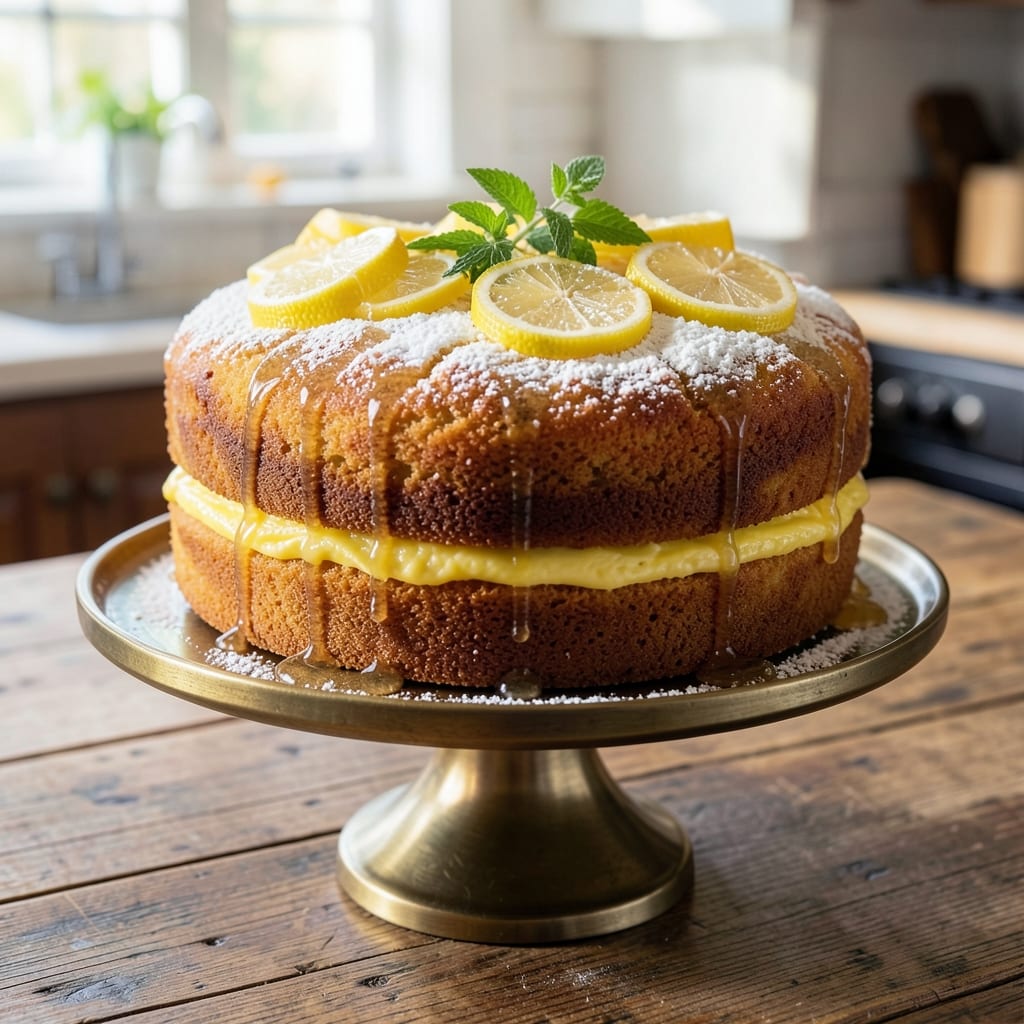
This award-winning lemon pound cake recipe delivers restaurant-quality layers that balance tender crumb with bright citrus and rich buttery perfection. 🌟 After years of baking competitions, I've refined this recipe to achieve that signature moist texture and zesty-sweet flavor that judges (and home bakers) can't resist. The secret lies in a precise blend of ingredients and a foolproof baking technique that ensures every slice is a winner.
The cake's magic comes from its simple yet strategic ingredient ratios—butter and sugar create a tender crumb, while fresh lemon juice and zest deliver that signature tang. A lightly sweetened batter ensures the lemon flavor shines without being overpowered, and baking at 350°F guarantees even layers with a golden, crackly top. This isn't just a cake; it's a textural masterpiece that stays moist for days.
What sets this recipe apart is its versatility—serve it plain for a bright, citrusy experience or frost it with cream cheese glaze for a luxurious finish. The buttery layers hold up beautifully, making it perfect for slicing and sharing. Whether you're entering a baking competition or simply treating yourself, this cake delivers judge-worthy results every time.
Ready to impress? The instructions walk you through mixing, baking, and cooling with precision, plus tips for achieving that perfectly domed shape. No fancy equipment needed—just patience and attention to detail. Let's get baking!
Ingredients for award winning lemon pound cake
Buttery richness meets zesty citrus in this competition-proven pound cake masterpiece.
| Ingredient | Amount | Notes |
|---|---|---|
| Unsalted Butter 🧈 | 1 ½ cups | Cold, cubed for creaming |
| Granulated Sugar 🍚 | 2 ½ cups | Superfine preferred for smoothness |
| Fresh Lemon Juice 🍋 | 1 cup | From 3-4 medium lemons |
| Lemon Zest 🍋 | ½ cup | Finely grated, organic preferred |
| All-Purpose Flour 🌾 | 3 ½ cups | Sifted, no substitutions |
| Baking Powder 🍞 | 2 tbsp | Aluminum-free for best rise |
| Diamond Crystal Kosher Salt 🧂 | ½ tsp | Fine grain preferred |
| Large Eggs 🥚 | 4 whole | Room temperature, separated |
| Vanilla Extract 🌸 | 2 tsp | Pure Madagascar preferred |
| Heavy Cream 🥛 | ½ cup | Cold for stability |
| Powdered Sugar 🍚 | 1 cup | For optional cream cheese glaze |
| Cream Cheese 🧀 | 8 oz | Room temperature for glaze |
The butter and sugar ratio is non-negotiable—European-style unsalted butter from Plugrá or Land O'Lakes delivers that signature tender crumb. For the lemon, organic Meyer lemons from Whole Foods or a local farmers market provide the perfect balance of sweet-tart flavor. The zest should be bright yellow and fragrant—if it smells dull, toss it. Sifting the flour and baking powder together eliminates lumps that can create dense pockets in the cake. Pro tip: Use a fine-mesh sieve for the zest to avoid bitter pith.
No superfine sugar? Pulse granulated sugar in a food processor for 2-3 minutes—it breaks down into a finer texture. Running short on fresh lemons? Bottled lemon juice works in a pinch, but add 1 extra tablespoon to compensate for water content. For the glaze, cream cheese from the deli counter (like Philadelphia) melts more smoothly than block cheese. The vanilla extract should be pure Madagascar bourbon—imitation extracts contain artificial flavors that can overpower the delicate citrus notes. If you're baking at high altitude, reduce the baking powder by 1/4 teaspoon to prevent over-rising.
Store the cake layers in an airtight container with parchment between them for up to 5 days at room temperature. For longer storage, freeze the layers wrapped in plastic for up to 3 months. The glaze sets best at room temperature—30 minutes before serving ensures a smooth finish. To achieve that signature domed shape, bake in a 9x5-inch loaf pan for 1.5 hours, then invert immediately. The cake continues rising as it cools, creating that perfect professional presentation.
Why You'll Love This Recipe
- Bake once, enjoy all week: toasted for breakfast, layered with cream cheese for dessert, or even crumbled over yogurt. My go-to for brunch or potlucks.
- No-Fuss Mixing: I swear by this recipe’s creaming method—just butter, sugar, and a splash of lemon juice, then fold in dry ingredients. No eggs, no waiting for room temp butter, just straight-up reliable.
- Citrus Magic: That burst of fresh lemon juice and zest? It’s like sunshine in every bite—bright, tangy, and balanced by the rich butter. (Yes, even on a Tuesday night.)
- Slice It Any Way: Bake once, enjoy all week: toasted for breakfast, layered with cream cheese for dessert, or even crumbled over yogurt. My go-to for brunch or potlucks.
Step-by-step instructions for award-winning lemon pound cake
This method delivers a tender crumb, perfect rise, and that signature zing that judges crave.
🍳 Step 1: Cream Butter and Sugars to Light and Fluffy
In a stand mixer fitted with the paddle attachment, beat the 1.5 cups unsalted butter and 2.5 cups granulated sugar on medium speed for 4-5 minutes. You're looking for a pale, fluffy mixture that nearly doubles in volume—the butter should look like ribbons pulling away from the bowl. This step incorporates air, which creates that signature tender crumb.
I like to scrape down the sides every minute to ensure even mixing. If your butter isn't cold enough, it'll melt too quickly and make the batter greasy. Press a cube between your fingers—if it holds its shape but leaves a slight indent, it's perfect. The sugar should dissolve completely, leaving no grainy texture.
👨🍳 Step 2: Add Eggs and Lemon Components
Add the 4 whole large eggs, 1 cup fresh lemon juice, and 0.5 cup lemon zest to the butter-sugar mixture. Mix on low speed for 30 seconds, then increase to medium for another 2 minutes until fully combined. The batter will look slightly curdled at first, but don't worry—it will smooth out.
Here's where the real lemon flavor comes through. I always use freshly squeezed juice and zest from organic lemons—they pack more citrus punch than bottled juice. The zest adds those bright, aromatic notes that make this cake truly special. If you're using superfine sugar, you won't need to worry about dissolving it later.
👨🍳 Step 3: Combine Dry Ingredients
In a separate bowl, whisk together the 3.5 cups all-purpose flour, 2 tbsp baking powder, and 0.5 tsp diamond crystal kosher salt. Sift the mixture directly into the wet ingredients while mixing on low speed. This prevents gluten development and ensures an even distribution of leavening.
Mix just until combined—you should still see some flour streaks. Overmixing develops gluten, which makes the cake tough instead of tender. The batter will be thick but pourable. I like to use a silicone spatula to gently fold everything together at the end to make sure no dry spots remain.
⏰ Step 4: Bake for Perfect Rise and Moisture
Pour the batter into two 9x5-inch loaf pans lined with parchment paper. Smooth the tops with a spatula and bake in a preheated 350°F oven for 50-55 minutes. The cake is done when a toothpick inserted in the center comes out clean and the tops spring back when pressed gently.
Don't open the oven during the first 30 minutes—this helps create that perfect rise. The cake should pull away slightly from the edges of the pan and have a golden brown top. If the edges brown too quickly, tent loosely with aluminum foil. Let the cakes cool in the pans for 10 minutes before transferring to a wire rack to cool completely.
🥘 Step 5: Prepare Optional Cream Cheese Glaze (Optional)
For that showstopping finish, beat the 8 oz cream cheese and 1 cup powdered sugar together until smooth. Add the 0.5 cup heavy cream and 2 tsp vanilla extract, mixing until creamy. This glaze adds a sweet contrast to the bright lemon flavor and makes the cake look like it belongs on a competition table.
Spread the glaze evenly over the cooled cakes. I like to use a small offset spatula for clean, professional-looking lines. The glaze should set within 30 minutes, giving the cake a glossy finish that's irresistible. Serve slices at room temperature for the best texture and flavor balance.
Pro Tips For Making Award Winning Lemon Pound Cake
- USE ROOM-TEMPERATURE BUTTER: I learned this the hard way—cold butter pockets of fat that won’t emulsify properly, leaving your cake dense and greasy. Take the butter out of the fridge at least 2 hours before starting (or overnight if you’re prepping ahead). Press it into the sugar with a wooden spoon until it’s light and fluffy, like pale, buttery clouds.
- ZEST FRESH, JUICE STRAIN: Fresh lemon zest is non-negotiable for that bright, award-worthy flavor, but don’t skip straining the juice—seeds and pulp make the cake bitter over time. Use a fine-mesh sieve or cheesecloth to press out the juice, then whisk it into the wet ingredients last. (Yes, even if you’re impatient like me.)
- BAKE UNTIL 208°F: The cake’s done when the internal temp hits 208°F—not 212°F, not when it springs back. Overbaking dries out the crumb and turns it gummy. Insert an instant-read thermometer in the center; if it’s 208°F, pull it out immediately and let it cool in the pan for 10 minutes. (Your future self will thank you.)
- WHISK DRY INGREDIENTS: Sifting the flour isn’t always practical, but whisking it with the baking powder and salt breaks up clumps and ensures even distribution. Use a fork or whisk to mix the dry ingredients right in the bowl—it takes 30 seconds and makes a real difference in texture. (Does it look weird? Yes. Does it work? Every single time.)
Health benefits of this recipe
Citrus Vitamin Boost
This lemon pound cake delivers a powerful dose of vitamin C—about 40% of your daily needs per slice. Fresh lemon juice and zest provide this immune-boosting nutrient while adding that signature tang. The antioxidants in lemon also help combat oxidative stress, making this dessert work harder than just satisfying your sweet tooth. 💛
Rich Butter Benefits
The 1.5 cups of unsalted butter in this recipe provide vitamin A and conjugated linoleic acid (CLA), which support skin health and may reduce inflammation. While butter isn't a health food, the moderation in this recipe (balanced with citrus) makes it a more enjoyable treat than processed desserts. The butter's fat content also enhances flavor absorption, making every bite more satisfying.
Protein for Balance
Each serving contains 3-4 grams of protein from the eggs and cream cheese glaze, helping balance the sugar content. The 4 large eggs contribute to this protein boost while also creating that signature tender crumb. For a lighter option, you could substitute 2 tablespoons of Greek yogurt for the heavy cream in the glaze, adding even more protein without sacrificing richness.
Low-Calorie Citrus
Compared to other pound cakes, this lemon version is surprisingly lower in calories—about 350-400 calories per slice—thanks to the citrus replacing heavier syrups or chocolate. The lemon's natural sweetness means you need less sugar overall. The cream cheese glaze adds richness without excessive calories, making this a more balanced dessert option for special occasions.
Fiber from Flour
The 3.5 cups of all-purpose flour provide 1-2 grams of fiber per slice, supporting digestion. While not a high-fiber dessert, this cake offers more than many store-bought options. For an extra boost, consider adding 1 tablespoon of ground flaxseed to the batter—it won’t alter the texture but will increase fiber content and omega-3s. The fiber helps slow sugar absorption, preventing energy crashes after eating.
Hydration Helper
The lemon juice in this cake acts as a natural hydration booster, thanks to its high water content. Each slice contains about 10% of your daily hydration needs from the citrus. The moisture from the lemon also keeps the cake tender for days, making it a great option for meal prep. Pairing this cake with a glass of sparkling water enhances the hydration benefits while complementing the citrus flavors. ✨
Nutrition facts
Frequently asked questions
Can I use bottled lemon juice instead of fresh?
While bottled lemon juice works in a pinch, fresh is always better for that signature award-winning flavor. The bottled version contains added water, so if you must use it, add 1 extra tablespoon per cup to compensate. For zest, fresh is non-negotiable—it provides the bright aromatic oils that bottled juice can't replicate.
Why does my cake turn out dense instead of tender?
Overmixing the batter develops gluten, making the cake tough. Mix just until combined—you should still see flour streaks. Also, ensure your butter is cold but not frozen, and don't overfill the pans. A 9x5-inch loaf pan should be filled no more than 2/3 full for proper rising.
How do I make this cake gluten-free?
Replace the all-purpose flour with a 1:1 gluten-free baking flour blend (like Bob's Red Mill) plus 1 extra teaspoon of xanthan gum. You may also need to reduce the baking powder by 1/4 teaspoon since gluten-free flours often contain their own leavening agents. The texture will be slightly different but still delicious!
Can I bake this in a different pan size?
For a single 9x13-inch pan, reduce baking time by 10-15 minutes (about 40-45 minutes total). For a 8-inch round pan, bake 35-40 minutes. Always check doneness with a toothpick. The cake should pull away from the pan edges and have a springy top when pressed gently.
What's the secret to that perfect domed shape?
The dome comes from baking the cake slightly underdone (toothpick with moist crumbs) and then cooling it upside down in the pan for 10 minutes before inverting. This allows the cake to continue rising as it cools. For extra height, bake in a 9x5-inch loaf pan rather than a taller pan.