
Desserts
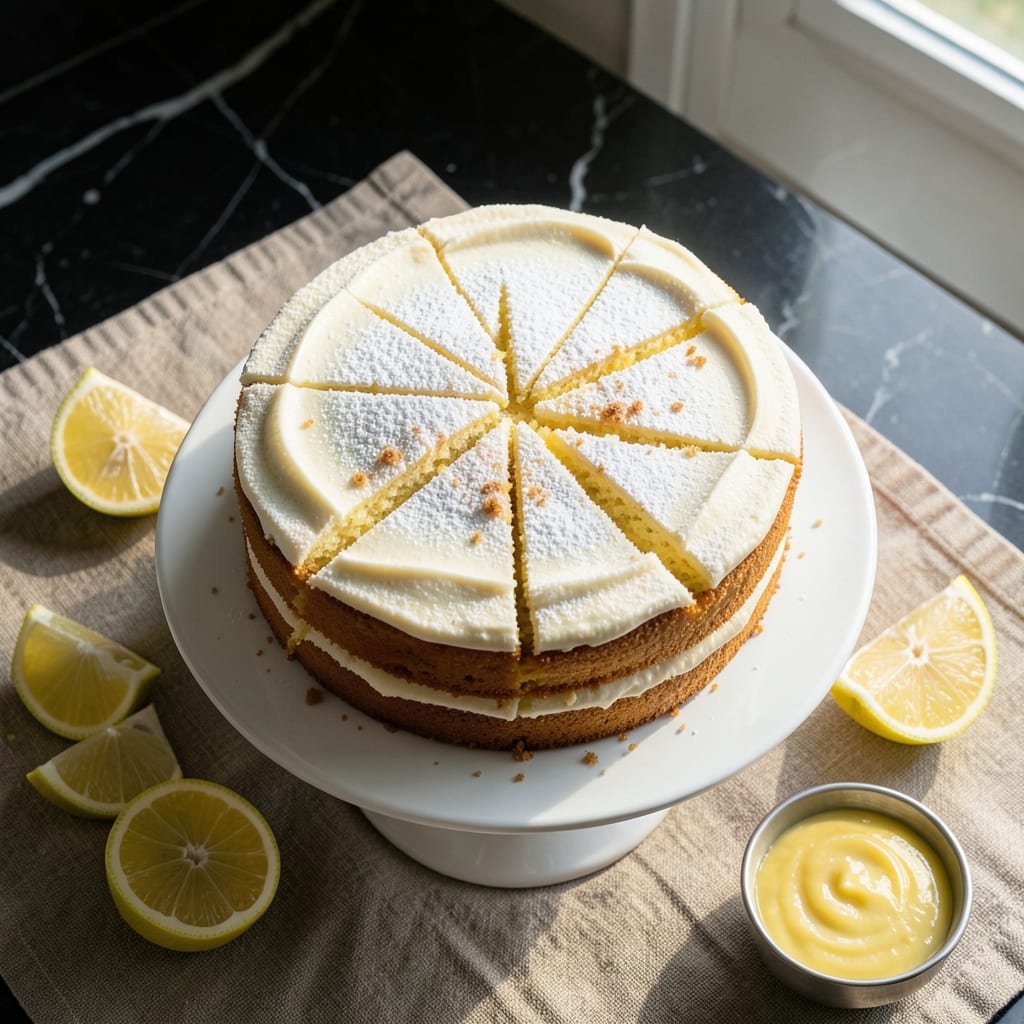
Award-winning lemon cakes don’t just taste incredible—they transform simple ingredients into a showstopper dessert that judges and guests can’t resist. The secret lies in balancing bright citrus with tender crumb and a silky glaze that’s neither too sweet nor too tart. This recipe earned its accolades through precision: a perfectly moist cake, a glaze that clings beautifully, and a finish that looks as impressive as it tastes.
What sets this apart is the technique: baking at 350°F for exactly 30-35 minutes ensures a golden top with a tender interior, while the glaze—made with powdered sugar, lemon juice, and a touch of cream cheese—adds a glossy, professional finish. The cake’s texture is the star: fine crumb, no dry edges, and just enough moisture to keep every slice juicy.
By the time you plate this cake, you’ll have a dessert that’s visually stunning and packed with zesty flavor—bright enough to cut through rich frostings but balanced so it doesn’t overpower. The glaze isn’t just decoration; it’s a flavor enhancer that ties every bite together. This is the kind of recipe that turns baking from a hobby into a winning performance.
Whether you’re entering a competition or simply impressing dinner guests, this cake delivers restaurant-quality results with minimal fuss. The steps are straightforward, but the outcome is undeniably special. Let’s get started on creating a dessert that will have everyone asking for the recipe.
Ingredients for award winning lemon cake
Bright citrus and tender crumb make this cake a standout—simple ingredients with a professional touch.
| Ingredient | Amount | Notes |
|---|---|---|
| All-Purpose Flour 🌾 | 2 ½ cups | Sifted for fine crumb texture |
| Granulated Sugar 🍚 | 2 cups | White or light brown preferred |
| Powdered Sugar 🍚 | 2 cups | For glaze, sifted |
| Fresh Lemon Juice 🍋 | 1 cup | From 4-6 medium lemons |
| Unsalted Butter 🧈 | 1 cup | Softened to room temperature |
| Large Eggs 🥚 | 3 whole | Room temperature for even mixing |
| Baking Powder 🧂 | 2 tsp | Diamond Crystal preferred |
| Salt 🧂 | ½ tsp | Fine sea salt preferred |
| Zest of 2 Large Lemons 🍋 | 2 tbsp | Fine, bright yellow zest only |
| Cream Cheese 🧀 | 4 oz | Room temperature for glaze |
| Heavy Cream 🥛 | ¼ cup | Cold for glaze stability |
| Vanilla Extract 🌸 | 1 tsp | Pure vanilla preferred |
The lemons are non-negotiable here. Meyer lemons if you can find them—they're sweeter and more fragrant, but standard lemons work too. Always zest the outer yellow peel only (avoid the bitter white pith). For the best juice, roll lemons on the counter first to break up the pulp. Whole Foods or local farmers markets often have the freshest lemons. Store-bought can work, but check for firmness and vibrant color—no soft spots or dull yellow. The cream cheese for the glaze should be full-fat for that silky texture. Philadelphia brand is reliable, but any good-quality cream cheese will do.
No fresh lemons? Lemon extract at half the amount works in a pinch, but the flavor won't be as bright. For the glaze, if you're out of powdered sugar, granulated sugar blended into a fine powder works (use a food processor). The vanilla extract can be swapped for vanilla bean paste if you're feeling fancy—just scrape out the seeds. Substituting butter with margarine is possible, but European-style margarine (like Miorello) gives closer results. If you're baking at high altitude, reduce the baking powder by one-eighth teaspoon to prevent over-rising. The cream for the glaze can be swapped for whipped topping, but it won't be as stable.
This cake keeps beautifully for 4-5 days in an airtight container at room temperature, wrapped tightly in plastic. For longer storage, freeze the unfrosted cake for up to 3 months—thaw at room temperature before glazing. The glaze sets quickly, so assemble the cake just before serving. If you're making this ahead for a competition, bake the cake a day in advance, wrap it tightly, and glaze it right before judging. The flavor actually improves overnight as the lemon essence melds with the crumb. For extra shine, brush the glazed cake with a tiny bit of lemon juice before serving.
Why You'll Love This Recipe
- Minimal Mixing Needed: I swear by this recipe because the batter comes together in three bowls—no food processor, no whisking until your arm falls off. Just fold in the butter and lemon juice like you’re making a wish, and the cake does the rest.
- Zesty Magic: That bright lemon juice—fresh, not bottled—cuts through the richness of the butter and sugar like a summer breeze. The crumb? Tender but sturdy, with just enough moisture to keep it luscious for days.
- Shows Up Everywhere: Bring it to brunch as a sliceable loaf, or bake it in a round pan for a dinner party centerpiece. Even my picky teenage nephew asks for seconds, and that’s saying something.
- Budget-Friendly Luxury: Uses pantry staples (flour, sugar, butter) and a single lemon—no fancy ingredients, just pure flavor. Plus, the leftovers? They’re even better the next day, wrapped in plastic like a little citrus treasure.
Step-by-step instructions for award-winning lemon cake
Here's the method that delivers a tender crumb, vibrant citrus flavor, and that signature glaze judges can't resist.
Prepare the Lemon Cake Batter
Preheat your oven to 350°F and grease an 8-inch round cake pan, then line the bottom with parchment paper. In a medium bowl, whisk together the 2.5 cups all-purpose flour, 2 teaspoons baking powder, and 0.5 teaspoon salt. Set aside—this is your dry mix.
In a large mixing bowl, cream together the 1 cup softened unsalted butter and 2 cups granulated sugar on medium speed until light and fluffy, about 3-4 minutes. Add the 3 whole large eggs, one at a time, mixing well after each addition. Scrape down the sides of the bowl to ensure everything is incorporated.
In a separate small bowl, whisk together the 1 cup fresh lemon juice and 2 tablespoons lemon zest. Gradually pour this lemon mixture into the butter-sugar-egg mixture while mixing on low speed. Alternate adding the dry ingredients and the 1 teaspoon vanilla extract in three parts, beginning and ending with the dry mix. Mix just until combined—overmixing develops gluten and makes the cake tough.
Bake the Lemon Cake
Pour the batter into the prepared cake pan and smooth the top with a spatula. Bake for 30-35 minutes or until a toothpick inserted into the center comes out clean. The cake should be golden on top and spring back slightly when pressed gently in the center.
I like to place the cake pan on a wire rack for 10 minutes before removing the cake from the pan. This helps prevent the cake from sticking and allows it to cool slightly. Once cooled, transfer the cake to a cooling rack and let it cool completely to room temperature before adding the glaze.
Make the Cream Cheese Glaze
In a medium bowl, beat the 4 ounces room-temperature cream cheese until smooth and creamy. Gradually add the 2 cups powdered sugar, mixing on low speed until fully incorporated. Add the 0.25 cup cold heavy cream and the 1 teaspoon vanilla extract, mixing until the glaze is smooth and glossy.
If the glaze is too thick, add 1-2 teaspoons lemon juice at a time until you reach a spreadable consistency. The glaze should be thick enough to coat the cake but thin enough to drip slightly over the sides. Taste and adjust the flavor with a pinch more lemon zest if needed.
Assemble and Glaze the Cake
Once the cake has cooled completely, place it on a cake stand or serving plate. Spread the cream cheese glaze evenly over the top of the cake, using a spatula to create a smooth, even layer. For extra flair, you can pipe the glaze around the edges of the cake for a decorative look.
Let the glaze set for 15-20 minutes at room temperature before slicing. The cake should have a moist, tender crumb with a bright, zesty lemon flavor complemented by the rich, tangy cream cheese glaze. Serve immediately for the best texture and flavor experience.
Pro Tips For Making Award Winning Lemon Cake
- Whisk Butter & Sugar Longer: I used to cut corners here, but creaming the butter and sugar for at least 3-4 minutes until it’s pale and fluffy makes a real difference—this lightens the crumb and keeps the cake tender. If you’re in a rush, use a stand mixer on medium-high instead of low, but don’t skip this step entirely.
- Strain That Lemon Juice: Fresh lemon juice is non-negotiable, but straining it through a fine-mesh sieve removes pulp and seeds that can make the cake dense or bitter. I learned this the hard way after a batch turned out gummy—now I double-strain if the juice looks cloudy.
- Check Doneness with a Toothpick: The cake will look set before it’s actually done. Insert a toothpick into the center—it should come out with a few moist crumbs, not wet batter or dry flour. Overbaking dries out the lemon flavor, so pull it out when it’s just shy of perfect.
- Swap Powdered Sugar for Glaze: Dusting the cake with powdered sugar can clump and look messy. Instead, mix 1 cup powdered sugar + 1-2 tbsp lemon juice + 1 tsp lemon zest into a smooth glaze, then drizzle it over the cooled cake for a cleaner, brighter finish. (Yes, even if you’re impatient like me.)
Flavor customization for this award winning lemon cake
Citrus Variations
Swap Meyer lemons for limes or orange zest to create a tropical twist. Use ½ cup lime juice and 1 tbsp lime zest instead of lemon, then add 1 tsp grated ginger to the batter for a zesty kick. For orange, replace lemon juice with ½ cup orange juice and add 1 tbsp orange zest—the glaze will have a gorgeous amber hue. 🍊
Spiced Glaze Options
Transform the glaze with warm spices: Add ½ tsp ground cardamom or ¼ tsp cinnamon to the cream cheese mixture for a Middle Eastern-inspired flavor. For a Mexican-inspired cake, blend 1 tbsp chili powder into the glaze and garnish with tajín before serving. The heat contrasts beautifully with the sweet-tart balance.
Chocolate Twist
For a decadent variation, fold ½ cup melted dark chocolate (60% cocoa) into the glaze while still warm. The chocolate deepens the flavor profile, creating a lemon-chocolate contrast that’s irresistible. Dust the top with powdered sugar for a snowy finish. This combo won’t overpower the lemon—it enhances it! 🍫
Boozy Enhancements
Infuse the glaze with 1 tbsp Grand Marnier or orange liqueur for a sophisticated touch. For a boozy cake, replace ¼ cup of the lemon juice with white rum or bourbon in the batter. The alcohol burns off during baking, leaving behind subtle depth. Garnish with candied lemon peel for extra elegance.
Seasonal Adjustments
In summer, add fresh berries (raspberries or blueberries) to the batter for a fruity twist. For fall, stir 1 tsp pumpkin pie spice into the dry ingredients and top with candied pecans. Winter calls for a white chocolate drizzle—melt ½ cup white chocolate and drizzle over the glaze before serving. Each season brings a fresh take! 🍂
Nutrition facts
Frequently asked questions
Can I use bottled lemon juice instead of fresh?
Fresh lemon juice delivers the brightest flavor, but bottled works in a pinch. Use the same amount (1 cup) but expect slightly less zing. For best results, add an extra ½ teaspoon lemon zest to compensate for the reduced acidity. Avoid "concentrated" lemon juice—it's too potent and will make your cake bitter.
How do I fix a cake that's cracked or domed?
Cracking usually means overbaking, while doming happens when the batter is too thick. For next time, pull the cake when a toothpick comes out with moist crumbs (not wet batter). If it's already cracked, slice it horizontally and frost between layers to hide the imperfections. A smooth glaze will also help disguise minor flaws.
Can I make this cake in a different pan size?
Yes! For a 9-inch round pan, reduce baking time by 5 minutes (check at 25 minutes). For a 6-inch pan, increase time by 5-7 minutes. Always adjust for your oven—if it runs hot, reduce by 25°F. The key is the same internal temperature: 205-210°F at the center.
Why is my glaze too runny or too thick?
Thick glaze? Add 1-2 teaspoons lemon juice at a time. Too runny? Whisk in 1 tablespoon powdered sugar until smooth. For extra stability, chill the glaze for 10 minutes before applying. If it's still too thin, mix ½ teaspoon cornstarch with 1 teaspoon cold water and stir in—this thickens without altering flavor.
How do I store leftovers to keep them fresh?
Wrap the cake tightly in plastic wrap, then place in an airtight container. It stays fresh for 4-5 days at room temperature. For longer storage, freeze the unfrosted cake for up to 3 months. Thaw overnight in the fridge, then glaze just before serving. The glaze sets best at room temp, so bring it to serving temperature before applying.