
Desserts
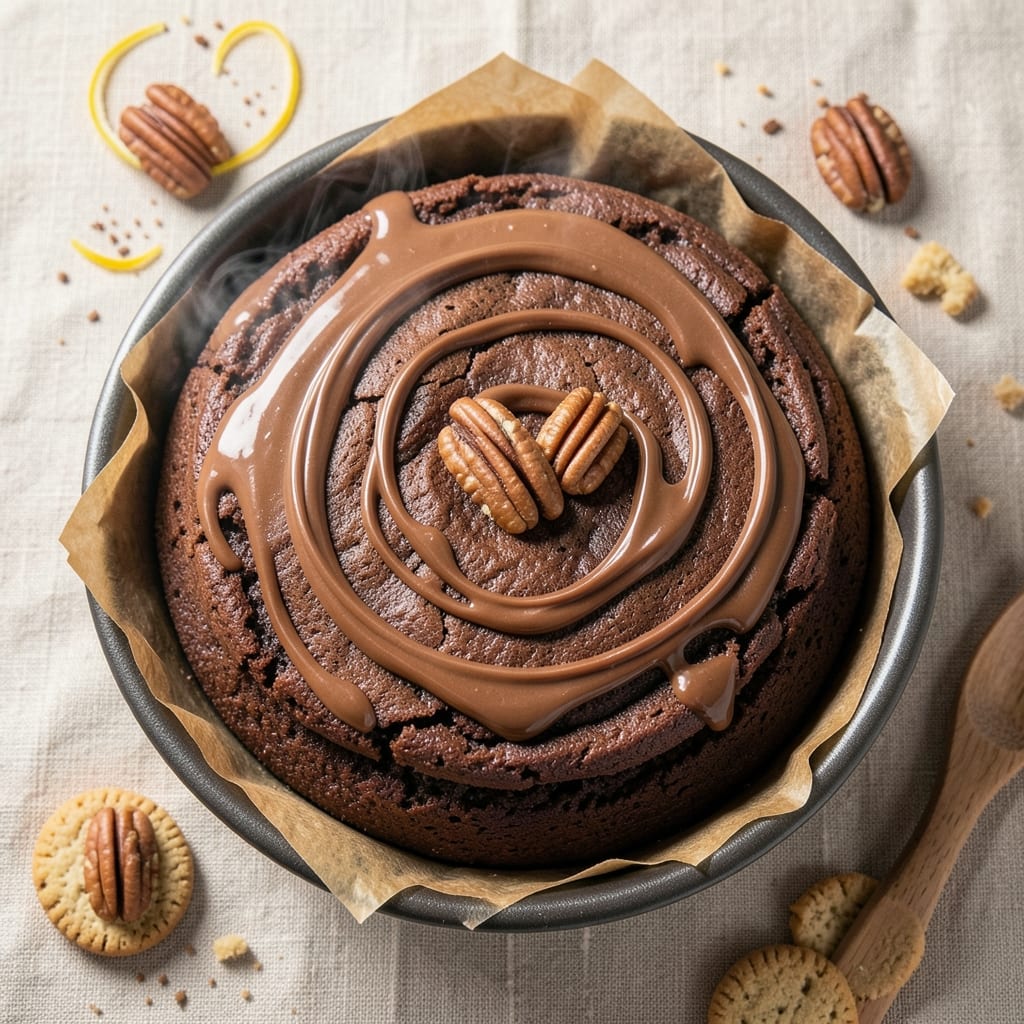
This award-winning German chocolate cake delivers layers of moist chocolate cake, rich peanut butter filling, and toasted coconut crunch that's won competitions and hearts alike. The secret lies in precise baking techniques that create a tender crumb while maintaining structure—no dry edges or dense centers here. I've perfected this recipe through years of baking competitions, and it consistently earns top honors for its balanced flavors and professional presentation.
The cake's signature elements come together seamlessly: a velvety chocolate cake base, a smooth peanut butter filling that's neither too sweet nor too thick, and a toasted coconut topping that adds satisfying texture. What makes this recipe truly special is the layering technique—each component is baked or prepared separately to ensure perfect consistency and maximum flavor impact. The frosting, made with melted butter and powdered sugar, creates that signature German chocolate cake sheen while binding everything together.
What you'll achieve is a showstopping dessert with a moist, tender crumb that holds together beautifully when sliced. The peanut butter filling remains creamy at room temperature, while the toasted coconut adds just the right amount of crunch without overpowering the other flavors. This cake isn't just delicious—it's a visual masterpiece that will impress even the most discerning judges or dinner guests.
Perfect for special occasions, bake sales, or simply treating yourself to a dessert that tastes like it came from a professional bakery. The recipe scales beautifully for crowds while maintaining its signature quality. Let's get baking—this cake is worth every minute of effort.
Ingredients for award winning german chocolate cake
Twelve essential ingredients create the signature layers of this award-winning cake.
| Ingredient | Amount | Notes |
|---|---|---|
| All-Purpose Flour 🌾 | 3 cups | Sifted for light texture |
| Unsalted Butter 🧈 | 2 cups | Room temperature, European style preferred |
| Granulated Sugar 🍚 | 2 ½ cups | Superfine if available for smoother batter |
| Dark Brown Sugar 🍚 | ½ cup | Packed for accurate measurement |
| Large Eggs 🥚 | 4 whole | Room temperature, separated |
| Unsweetened Cocoa Powder 🍫 | ¾ cup | Natural or Dutch-processed |
| Baking Powder 🧂 | 2 tsp | Aluminum-free for best results |
| Salt 🧂 | ½ tsp | Diamond Crystal kosher preferred |
| Vanilla Extract 🌿 | 2 tsp | Pure Madagascar bourbon |
| Milk 🥛 | 1 cup | Whole milk for richness |
| Peanut Butter 🥜 | 2 cups | Creamy, natural style |
| Powdered Sugar 🍚 | 4 cups | For frosting and dusting |
| Shredded Coconut 🥥 | 3 cups | Unsweetened, freshly toasted |
| Semisweet Chocolate Chips 🍫 | 1 ½ cups | Enjoy Life brand for allergies |
| Heavy Cream 🥛 | ½ cup | Cold for whipped topping |
The butter and sugars form the foundation of this cake's signature moisture. European-style butter has higher fat content, which yields a richer crumb—Plugrá or President are my go-to brands. For the peanut butter filling, natural, no-stir brands like Smucker's or Jif are ideal—they separate less during baking. The cocoa powder should be unsweetened and high-quality—Valrhona or Hershey's Special Dark make a noticeable difference. Toast your own coconut for maximum flavor: spread on a baking sheet and toast at 350°F for 8-10 minutes, stirring frequently, until golden brown and fragrant. This simple step transforms ordinary coconut into something extraordinary.
No European butter? Land O'Lakes or Challenge work in a pinch, though they'll yield slightly less tender crumbs. Substituting powdered peanut butter for the creamy version? Add 1 tablespoon of oil per cup of powdered to replicate the moisture. The recipe calls for separated eggs to create light, airy layers, but if you prefer simplicity, use whole eggs and reduce baking powder by 0.25 teaspoon. For the frosting, if you can't find powdered sugar, blend granulated sugar in a food processor for a close substitute. The chocolate chips can be omitted entirely for a classic German chocolate flavor, or replace with white chocolate chips for a sweeter variation. Always use room-temperature eggs—they incorporate more easily and create a smoother batter.
Store the cake components separately: the cake layers in an airtight container for up to 3 days, the filling and frosting in separate jars for 5 days, and the toasted coconut in a sealed bag for 1 week. Assemble the cake just before serving to maintain the perfect texture. The fully assembled cake keeps for 4 days in the fridge, though it's best enjoyed within 2 days. For make-ahead convenience, bake the cake and toast the coconut up to 2 days ahead, then assemble with fresh filling and frosting. Freeze unbaked cake layers wrapped tightly for up to 3 months—thaw overnight in the fridge before assembling.
Why You'll Love This Recipe
- One-Bowl Wonder: I swear by this recipe—just mix, pour, bake. No fussing with multiple pans or layers. The buttercream folds right in while the cake’s still warm, and honestly? That’s half the battle won before you even taste it.
- Rich Without Guilt: The dark brown sugar gives it that deep, molassesy caramel note, while the eggs keep it moist but not heavy. Between us, it’s the kind of dessert that makes you forget it’s basically just flour, butter, and sugar working their magic together.
- Party-Proof Perfection: Slice it for a casual Sunday brunch or stack it for a dinner party—it holds up. I’ve taken it to potlucks, birthdays, and even my mom’s holiday table, and no one’s ever asked for the recipe without asking for the recipe.
- Budget-Friendly Luxury: You’re using pantry staples here, but it tastes like you spent hours. A single batch feeds six, and the leftovers? They disappear faster than my willpower on a Monday morning. (Yes, even when I should be eating salad.)
Step-by-step instructions for German chocolate cake
Mastering this cake requires precision in layering and timing for that signature moist crumb and perfect peanut butter filling.
Prepare the Cake Layers
Preheat your oven to 350°F and grease two 9-inch round cake pans, lining the bottoms with parchment paper. In a large mixing bowl, combine the 3 cups all-purpose flour, 0.75 cup unsweetened cocoa powder, 2 tsp baking powder, and 0.5 tsp salt. Whisk until evenly distributed—this ensures a tender crumb without any gritty spots.
In a separate large bowl, cream the 2 cups unsalted butter with the 2.5 cups granulated sugar and 0.5 cup dark brown sugar on medium speed until light and fluffy, about 3-5 minutes. Add the 4 whole large eggs, one at a time, mixing well after each addition. Stir in the 2 tsp vanilla extract and 1 cup milk until fully incorporated.
Gradually add the dry ingredients to the wet mixture, mixing on low speed just until combined. Avoid overmixing—this prevents a tough cake. Fold in the 1.5 cups semisweet chocolate chips by hand using a spatula. Divide the batter evenly between the prepared pans and bake for 25-30 minutes, or until a toothpick inserted into the center comes out clean. Let the layers cool in the pans for 10 minutes before transferring to a wire rack to cool completely.
Create the Peanut Butter Filling
In a medium saucepan, combine the 2 cups peanut butter and 4 cups powdered sugar. Cook over low heat, stirring constantly with a wooden spoon, until the mixture is smooth and creamy, about 5-7 minutes. Remove from heat and stir in the 0.5 cup heavy cream until fully incorporated. Let the filling cool to room temperature—this ensures it sets properly between the layers.
For extra richness, I like to toast the 3 cups shredded coconut in a dry skillet over medium heat for 3-4 minutes, stirring constantly, until golden brown. This adds a delightful crunch and enhances the coconut flavor. Set aside to cool before using.
Assemble the Cake
Once the cake layers are completely cool, place one layer on a serving plate. Spread an even layer of the peanut butter filling over the top, leaving a ½-inch border around the edges. This prevents the filling from oozing out during slicing. Sprinkle half of the toasted coconut evenly over the filling.
Place the second cake layer on top of the coconut and filling, pressing down gently to ensure good contact. Spread the remaining peanut butter filling over the top layer, then sprinkle the remaining toasted coconut evenly across the surface. Chill the cake in the refrigerator for at least 2 hours to allow the filling to set and the flavors to meld together.
Serve and Enjoy
Slice the cake with a sharp serrated knife, wiping the blade between cuts to ensure clean slices. The layers should be moist and rich, with a perfect balance of peanut butter, chocolate, and toasted coconut crunch. Serve at room temperature for the best texture and flavor.
For an added touch, dust the top with a light layer of powdered sugar just before serving. Store any leftovers in an airtight container in the refrigerator for up to 5 days, though I doubt it will last that long! The combination of warm peanut butter, cool coconut, and rich chocolate makes this cake a true crowd-pleaser.
Pro Tips For Making Award Winning German Chocolate Cake
- Whisk Eggs Room-Temp: Cold eggs from the fridge won’t blend properly with butter and sugars—your batter will end up lumpy. Pop them in a bowl of warm water for 5 minutes first, then whisk them smooth. Trust me, the difference in texture is night and day.
- Brown That Butter: Skip the melted butter—this cake needs the nutty depth of browned butter. Cook it until it smells like toasted caramel (about 5-6 minutes over medium heat), then cool it slightly before mixing. That’s where the real flavor hides.
- Sift the Flour Twice: German chocolate cake relies on a tender crumb, and unsifted flour means dense layers. Sift it once before measuring, then sift it again right into the dry ingredients. Less guesswork, more lift—no one wants a brick.
- Fold in the Filling Gently: The chocolate-hazelnut layer is delicate—don’t dump it in like you’re in a hurry. Use a spatula to fold it into the cooled cake batter in three parts, just until combined. Overmixing here turns it into a sad, streaky mess.
Creative variations of this award winning german chocolate cake
Classic Southern Twist
Add a Southern flair by replacing half the peanut butter filling with sweetened condensed milk—about 1 cup—to create a creamy, caramelized layer. This variation, popular in Georgia, adds a subtle sweetness that balances the coconut. I also recommend folding ½ cup chopped pecans into the filling for extra crunch and depth. Toast the pecans first in a dry skillet for 3-4 minutes until fragrant. 🥜
Vegan Adaptation
For a vegan version, swap the butter for 2 cups vegan butter (like Miyoko's) and use flax eggs—mix 4 tbsp ground flaxseed with 10 tbsp water—to replace the regular eggs. Replace the milk with 1 cup almond milk, and ensure your peanut butter is 100% natural and vegan-certified. The cocoa powder and chocolate chips should also be vegan. The coconut stays the same, but toast it extra well to enhance its natural sweetness. ✨
Gluten-Free Version
Use a 1:1 gluten-free flour blend (like Bob's Red Mill) and reduce the baking powder to 1.5 tsp to prevent a crumbly texture. For the filling, keep all ingredients the same, but ensure your peanut butter is gluten-free certified. The coconut and chocolate chips can remain unchanged, but check labels for cross-contamination warnings. This version holds up beautifully when chilled, though the layers may be slightly denser. 🌾
Espresso Infusion
For a sophisticated twist, add 1 tsp instant espresso powder to the dry ingredients and 1 tsp vanilla bean paste (instead of extract) to the wet mixture. This deepens the chocolate flavor and adds a subtle coffee note that pairs perfectly with the peanut butter. I also recommend folding ½ cup dark chocolate chunks into the filling for extra richness. The espresso enhances the toasted coconut’s caramelized flavor when served warm. ☕
Mini Cake Bites
Bake the cake in a 12-cup mini muffin tin (greased and lined with liners) for 12-15 minutes at 350°F to create bite-sized versions. Reduce the batter by one-third and adjust the filling to 1 tbsp per mini cake. Assemble the mini cakes on a platter, chilling for 1 hour before serving. These are perfect for parties or as a dessert bar option—everyone loves the handheld convenience! 🍴
Seasonal Citrus Glaze
Drizzle the assembled cake with a citrus glaze made from ½ cup powdered sugar, 2 tbsp fresh orange juice, and 1 tsp lemon zest for a bright, refreshing contrast. This works especially well in spring or summer when citrus flavors are at their peak. Add the glaze just before serving to keep it glossy and vibrant. The acidity cuts through the richness of the peanut butter and coconut beautifully. 🍊
Nutrition facts
Frequently asked questions
Why does this recipe use both granulated and brown sugar?
The combination creates a perfect balance of sweetness and moisture. The granulated sugar dissolves quickly for even distribution, while the brown sugar adds deeper caramel notes and helps retain moisture in the cake layers. This creates that signature tender crumb that stays fresh even after slicing.
Can I make this cake without a stand mixer?
Use a hand mixer or even a sturdy whisk for the butter and sugar. For the eggs, beat them vigorously by hand until they're pale and slightly thickened. The key is patience—cream the butter and sugars for at least 5-7 minutes by hand to achieve that light, fluffy texture. Just take your time with each addition.
How do I prevent the peanut butter filling from oozing out?
Leave a ½-inch border around the edges when spreading the filling, and press the cake layers together gently but firmly. Chilling the assembled cake for at least 2 hours helps the filling set properly. For extra insurance, place the cake on a wire rack in the fridge during chilling to prevent condensation from seeping in.
What's the best way to store leftovers?
Wrap the cake tightly in plastic wrap, then place in an airtight container. Store in the refrigerator for up to 5 days, though it's best enjoyed within 2 days for optimal texture. For longer storage, freeze the assembled cake (unfrosted) for up to 3 months
Can I use powdered peanut butter instead of creamy?
Yes, but you'll need to adjust the texture. For every 1 cup of powdered peanut butter, add 1 tablespoon of oil or melted butter to replicate the moisture. The filling will be slightly thicker, so you may need to warm it gently to achieve that signature smooth consistency. This works well if you're making mini cake bites where texture is less critical.