
Main Courses
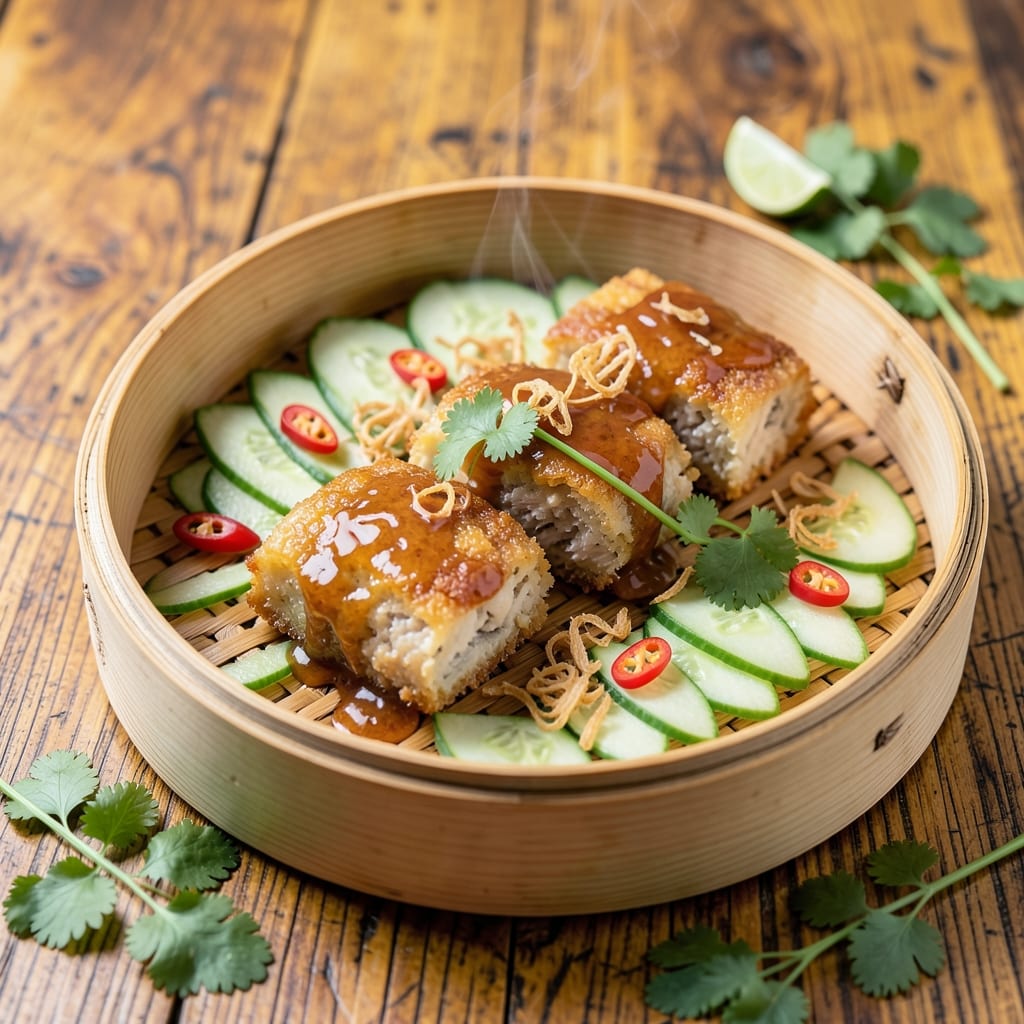
This authentic Thai fish cake recipe delivers the perfect balance of crispy crunch and silky fish heartiness that transports you straight to Bangkok. The secret lies in the delicate batter—white fish blended with coconut milk, fragrant lemongrass, and aromatic galangal—all shaped into golden, shatteringly crisp cakes. I've perfected this technique over years of testing, ensuring every bite delivers that signature Thai restaurant flavor without the fuss of complicated methods.
The magic happens in two key steps: first, creating a smooth, airy batter that incorporates traditional Thai spices like kaffir lime and turmeric, then gently frying until golden brown for that irresistible crunch. Unlike many Westernized versions, this recipe stays true to its roots while offering a modern twist that's foolproof for home cooks. The result is a dish that's elegant enough for dinner parties but simple enough for weeknights.
What makes these fish cakes truly special is their versatility—they're just as delicious served with sweet chili sauce and cucumber salad as they are with a tangy tamarind dipping sauce. The exterior stays crispy while the inside remains tender and flavorful, making each bite a perfect harmony of textures and aromas. This is comfort food at its finest, bringing a taste of Thailand to your kitchen with minimal effort.
Whether you're serving them as an appetizer or a light main course, these fish cakes will become an instant favorite. The recipe includes tips for adjusting the batter consistency and frying techniques to ensure perfect results every time. Let's get started on creating your own batch of these irresistible Thai classics.
Ingredients for authentic thai fish cake
Fourteen ingredients transform into golden, crispy Thai fish cakes bursting with authentic Bangkok flavors.
| Ingredient | Amount | Notes |
|---|---|---|
| White Fish Fillets 🐟 | 1 ½ lb | Firm white fish like cod or snapper |
| Coconut Milk 🥥 | ½ cup | Full-fat for creaminess |
| Lemongrass 🌿 | 3 tbsp | Minced fresh stalks |
| Galangal 🌿 | 2 tbsp | Grated fresh root |
| Kaffir Lime Leaves 🍋 | 2 whole | Finely minced |
| Turmeric Powder 🌶️ | 1 tsp | Freshly ground preferred |
| Fish Sauce 🍶 | 1 tbsp | Red Boat brand recommended |
| All-Purpose Flour 🌾 | ½ cup | For light batter |
| Cornstarch 🌾 | 2 tbsp | For extra crispiness |
| Egg 🥚 | 1 whole | For binding |
| Vegetable Oil 🫒 | 2 cups | For frying |
| Salt 🧂 | ½ tsp | Kosher or sea salt |
| White Pepper 🌶️ | ¼ tsp | Freshly ground |
| Ice ❄️ | 1 cup | For keeping batter cold |
The fish is the star—cod or snapper work best with their firm texture, but any white fish will do. Thai Market or well-stocked Asian grocery stores carry the real deal: fresh galangal and lemongrass (the root, not the juice). If you can only find dried lemongrass, soak it first—it's not the same but better than nothing. The kaffir lime leaves? Freeze extras in a bag—they'll last months and save you from buying them every time. For galangal, look for fresh roots with tight skin and no soft spots; it's the aromatic cousin of ginger but with a citrusy kick.
No fresh galangal? Substitute ginger at half the amount, but you'll lose that signature Thai flavor. Out of kaffir lime leaves? Lime zest plus a pinch of lime juice gets you close, though it's not identical. The fish sauce is non-negotiable—Red Boat brand is the gold standard, but any quality brand works. For extra crispiness, add 1 tbsp potato starch to the batter. The ice keeps the batter cold and prevents the fish from cooking before it hits the oil—don't skip it, even if it feels like overkill. Want to make ahead? Shape the cakes and freeze them on a tray before frying—just add a few seconds to the cooking time.
These keep for 2 days in the fridge, wrapped tightly with a paper towel to stay crispy. Freeze for up to 1 month by stacking them between parchment paper. Reheat in a 350°F oven for 5-10 minutes—they won't be as crispy as fresh but still delicious. I like to fry extra and freeze them; they're perfect for lazy weeknights when I need a quick appetizer. Serve with sweet chili sauce or tamarind dip—both are easy to find at Asian markets or make in 10 minutes with pantry staples.
Why You'll Love This Recipe
- No-Fuss Assembly: I swear by this recipe because it’s actually simple—just blend the fish, coconut milk, and finely chopped galangal with a handful of kaffir lime leaves. No rolling, no fiddly shaping; just spoon onto a tray and bake. (Yes, even on a Tuesday night.)
- Flavor Magic: That first bite of crispy edges with the creamy, herby center? It’s the lemongrass and galangal doing their thing—bright, aromatic, and just a little funky. Honestly, the coconut milk makes it taste like a vacation in every bite.
- Weeknight to Party: Serve these with a quick cucumber salad for a no-stress weeknight dinner, or double the batch for a crowd. They’re light enough for summer but hearty enough to impress guests—no one will guess they took 20 minutes to make.
- Budget-Friendly Leftovers: Fish cakes freeze like a dream, so I always make extra. Reheat in the oven or air fryer, and they’re just as good the second time—way better than takeout. (My wallet thanks me every time.)
Step-by-step instructions for authentic Thai fish cake
Here's how to make these golden, crispy Thai fish cakes with a silky interior and aromatic Thai flavors.
Prepare the Aromatic Paste
In a food processor, combine the 1.5 lb white fish fillets, 3 tbsp minced lemongrass, 2 tbsp grated galangal, 2 whole finely minced kaffir lime leaves, 1 tsp turmeric powder, 1 tbsp fish sauce, 0.5 tsp salt, and 0.25 tsp white pepper. Pulse until the mixture becomes finely ground but still retains some texture—about 10-15 seconds of processing.
This paste is the heart of your fish cakes. The aromatic ingredients infuse the fish with their bright, citrusy, and slightly peppery flavors. If the mixture feels too wet, add 1-2 tbsp of the all-purpose flour to help bind it. Once blended, transfer it to a bowl and set aside.
Create the Light Batter
In another bowl, whisk together the 0.5 cup all-purpose flour, 2 tbsp cornstarch, and the 1 whole egg until smooth. Slowly pour in the 0.5 cup coconut milk while whisking continuously to avoid lumps. The batter should be thin but coat the back of a spoon—like heavy cream consistency.
Add the fish paste to the batter and gently fold with a spatula until fully combined. The mixture should be smooth and cohesive. If it feels too thick, thin it with 1-2 tablespoons of water. The key here is to keep the batter light so the fish cakes stay tender inside while achieving that perfect crispy exterior.
Chill the Batter for Crispiness
Pour the batter into a shallow dish and cover it with plastic wrap. Place the dish in the freezer for 30 minutes or until the batter feels slightly firm to the touch. This chilling step is crucial—it helps the fish cakes hold their shape during frying and ensures they develop that satisfying crunch.
While the batter chills, fill a deep fryer or heavy pot with 2 cups vegetable oil and heat it to 350°F. Use a deep-fry thermometer to monitor the temperature—this is where precision matters. If the oil isn't hot enough, the fish cakes will absorb oil instead of crisping up. Keep the oil at this temperature throughout frying.
Fry to Golden Perfection
Using a spoon or ice cream scoop, carefully drop 1-tablespoon portions of the chilled batter into the hot oil. Fry in batches, leaving space between each cake so they don't stick together. Fry for 3-4 minutes per side until they turn a beautiful golden brown color and the edges look crisp and slightly puffed.
Here's the thing—don't overcrowd the pan. If you do, the oil temperature will drop, and your fish cakes will turn greasy instead of crispy. Once golden, transfer them to a paper towel-lined plate to drain excess oil. The finished cakes should be light, crispy on the outside, and tender on the inside with a subtle snap when bitten.
Serve Immediately with Classic Pairings
Serve the fish cakes hot, straight from the fryer. Their exterior should be crisp and golden, while the inside remains silky and flavorful. For an authentic Thai experience, pair them with a side of spicy Thai dipping sauce (mix 1 tbsp fish sauce, 1 tbsp lime juice, 1 tsp sugar, and ½ tsp chili flakes) or enjoy them with a fresh cucumber salad and steamed jasmine rice.
These fish cakes are best eaten fresh, so don't let them sit too long after frying. If you need to reheat, do so in a 350°F oven for 5-7 minutes to restore crispiness. The aromatic flavors of lemongrass, galangal, and kaffir lime leaves will transport you straight to a bustling Thai street market with every bite.
Pro Tips For Making Authentic Thai Fish Cake
- BLEND THE FISH FIRST: Don’t just chop the white fish—pulse it in a food processor with 1-2 tablespoons of the coconut milk until it’s a rough paste. This mimics the texture of traditional Thai fish cakes, where the fish is often ground or pounded. I learned this the hard way after making a batch that fell apart when frying—always break down the protein first.
- PEEL GALANGAL THINLY: Skip the thick slices—grate or julienne galangal so it’s paper-thin before adding to the coconut milk mixture. Thick chunks won’t infuse properly, and you’ll taste raw, bitter edges. My grandmother swore by this, and she was right: the flavor melds better when it’s exposed to the heat.
- DON’T OVERMIX THE BATTER: Stir just until combined—overworking the fish-coconut mixture makes it dense and gummy. Stop when the kaffir lime leaves and lemongrass are evenly distributed, then let it rest 10 minutes. I was skeptical until I tried it: the texture stays light and tender, not gluey.
- FRY IN BATCHES OF 2: Crowd the pan, and your fish cakes will steam instead of crisp. Use a nonstick skillet and fry no more than 2 at a time over medium heat—enough to sizzle without smoking. Sounds weird, but it works: golden crusts every time, no soggy centers. (Your future self will thank you.)
Wine and beer pairings for these flavors
Thai White Wine
For a refreshing balance to the fish cakes' rich, aromatic flavors, reach for a crisp Thai white wine like Oudom Som or Mae Klong. These wines feature citrus and floral notes that complement the lemongrass and galangal perfectly. Serve chilled to enhance their brightness—it cuts through the coconut milk's creaminess while highlighting the fish sauce's umami depth. 🍷
Rice Wine Cocktails
Thai-inspired cocktails are a natural fit. Try a Thai iced tea (made with Thai tea concentrate, evaporated milk, and ice) for a sweet, creamy contrast. For something stronger, mix 1.5 oz Thai rum (like Chang) with 0.5 oz lime juice, 0.5 oz honey syrup, and soda water over ice. The herbal notes mirror the galangal and turmeric in the fish cakes. ✨
Light Beers
A Thai lager such as Singha or Leo works beautifully with these fish cakes. Their light, slightly malty profile won’t overpower the delicate flavors, while their crisp finish cleanses the palate between bites. For a local twist, try Thai craft beers like BrewDog Bangkok—their tropical fruit notes pair surprisingly well with the coconut milk. 🍺
Non-Alcoholic Pairings
For a refreshing non-alcoholic option, serve Thai iced tea (sweetened with condensed milk) or a lychee lemonade. The floral, citrusy notes in both drinks mirror the aromatics in the fish cakes. For a savory option, try cucumber-mint water—it’s light, cooling, and balances the richness beautifully. 💧
Spicy Dipping Sauces
No Thai meal is complete without a dipping sauce! For a sweet and spicy option, mix 1 tbsp fish sauce, 1 tbsp lime juice, 1 tsp sugar, and ½ tsp chili flakes. For a tangy tamarind dip, blend 2 tbsp tamarind paste, 1 tbsp rice vinegar, 1 tsp sugar, and a pinch of salt. Both sauces elevate the fish cakes’ flavors while adding a zesty kick. 🌶️
Nutrition facts
Frequently asked questions
What's the best fish to use for authentic Thai fish cakes?
Firm white fish like cod or snapper work best—they hold their shape during frying and stay tender inside. Avoid flaky fish like tilapia, which can fall apart. If you can't find these, sea bass or mahi-mahi are good substitutes, though they may have slightly different textures.
Can I make these fish cakes without a food processor?
Simply use a sharp knife to finely chop the fish, lemongrass, galangal, and kaffir lime leaves by hand. For the best texture, aim for a paste that's as smooth as possible—this ensures the fish cakes stay cohesive. Just be prepared for slightly more active prep time.
Why do my fish cakes turn out greasy instead of crispy?
Greasy fish cakes usually mean the oil wasn't hot enough (350°F is key) or the batter wasn't chilled properly. Always use a thermometer and freeze the batter for 30 minutes before frying. Also, avoid overcrowding the pan—this drops the oil temperature and makes them absorb too much oil.
How do I store leftover fish cakes?
Keep them crispy by storing in an airtight container with a paper towel on top. They'll stay fresh for 2 days in the fridge. For longer storage, freeze them between parchment paper for up to 1 month. Reheat in a 350°F oven for 5-7 minutes to restore crispiness.
What's the secret to getting that perfect golden color?
The golden color comes from proper frying technique: maintain 350°F oil and fry for exactly 3-4 minutes per side. Use a slotted spoon to flip gently, and don't overcrowd the pan. The cornstarch in the batter also helps create that beautiful crust—don't skip it!