
Desserts
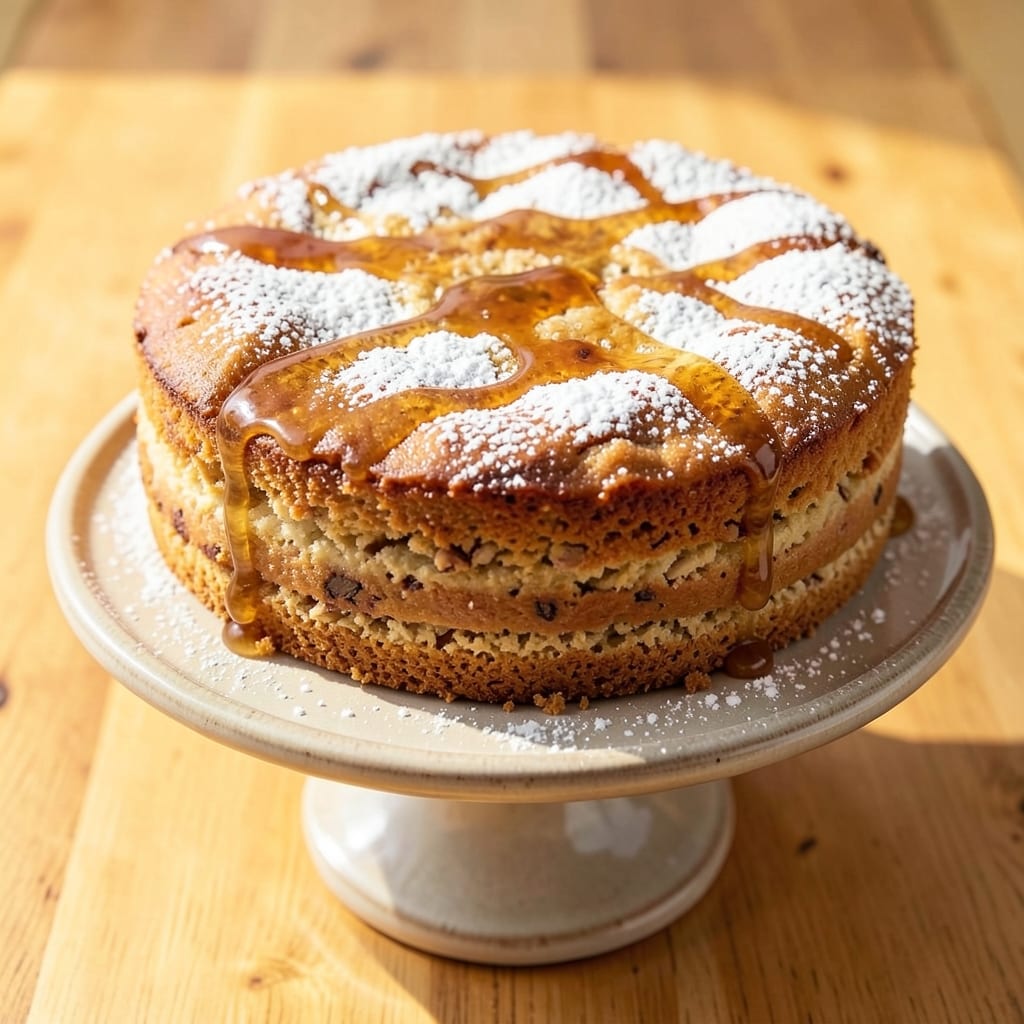
This authentic Spanish almond cake delivers the perfect marriage of textures: a crunchy almond crust that shatters under your fingers and a moist marzipan heart that melts in your mouth. 💛 The recipe stays true to its Spanish roots, using ground almonds, sugar, and aquafaba (or egg whites) to create a dessert that's both elegant and comforting. I've perfected this version over years of baking, ensuring every layer achieves its ideal consistency. The secret lies in the crust—ground almonds and sugar baked until golden and crisp, while the filling combines almond flour, sugar, and egg whites for a tender yet sturdy center. This balance is what makes the cake truly special, offering both structure and indulgence in every bite. The result is a dessert that feels both rustic and refined, perfect for celebrations or as a luxurious treat. What sets this recipe apart is its authentic Spanish technique, where the almonds take center stage. The crust provides a satisfying crunch, while the filling remains rich and moist, thanks to the careful combination of ingredients. Each slice reveals the contrast between the crispy top and the velvety marzipan, making it a showstopper on any dessert table. Whether you're baking for a special occasion or simply craving a taste of Spain, this almond cake delivers. The process is straightforward, but the result is anything but ordinary—restaurant-quality with a touch of homemade charm. Let's get started!
Ingredients for authentic spanish almond cake
Spanish almond cake relies on these quality ingredients for its signature crunchy crust and velvety marzipan heart.
| Ingredient | Amount | Notes |
|---|---|---|
| Ground Almonds 🥜 | 2 cups | Finely ground, unsalted preferred |
| Granulated Sugar 🍚 | 1 ½ cups | Superfine for even texture |
| Unsalted Butter 🧈 | ¾ cup | Cold, cubed for crust |
| Almond Flour 🥜 | 1 ½ cups | Blanched, fine texture |
| Large Egg Whites 🥚 | 4 whole | Room temperature, pasteurized |
| Aquafaba 🥫 | ½ cup | From 1 can chickpeas, or use egg whites |
| Vanilla Extract 🌿 | 1 tsp | Pure, high-quality preferred |
| Salt 🧂 | ¼ tsp | Fine sea salt preferred |
| Lemon Zest 🍋 | 1 tbsp | Fresh, finely grated |
| Powdered Sugar 🍚 | 1 cup | For dusting, sifted |
| Almond Extract 🌿 | ½ tsp | Pure, not imitation |
Ground almonds are the heart of this cake—look for finely ground, unsalted varieties at specialty stores like Whole Foods or Trader Joe's for the best texture. The almond flour should be blanched and finely milled, not coarse. For the crust, cold cubed butter is essential to achieve that perfect shatter. If you can't find aquafaba, egg whites work just as well—just make sure they're room temperature for maximum volume. The vanilla extract should be pure, not imitation, for that authentic Spanish flavor. I always grab mine from Penzeys Spices when I'm doing a big batch, but any reputable brand works.
No almond flour? Blanch your own almonds—soak them overnight, boil for 10 minutes, then dry and grind in a food processor. Short on egg whites? Aquafaba works perfectly as a vegan substitute, though the texture will be slightly denser. For the sugar, superfine works best—if you only have granulated, pulse it in a food processor until it's powdery. The lemon zest adds brightness, so use fresh—bottled zest lacks the same punch. If you're making this ahead, prep the crust and filling separately and assemble just before baking to maintain crispness. The almond extract is non-negotiable for that authentic taste—don't skip it even if it's pricey.
The crust keeps best at room temperature in an airtight container for 3-4 days, though it'll lose some crispness. The assembled cake stays fresh for 5 days wrapped tightly, but it's best enjoyed within 2-3 days. For long-term storage, freeze the assembled cake for up to 3 months—thaw overnight at room temperature before serving. The powdered sugar topping is optional but adds that final elegant touch. Dust just before serving to keep it looking fresh.
Why You'll Love This Recipe
- No Mixing Madness: I swear by this recipe—just fold the egg whites into the almond flour and sugar until it’s just combined. No overworking the batter, no lumps, no stress. The ground almonds and butter create a velvety texture without a single whisk stroke.
- Nutty Euphoria: That first bite? Pure almond happiness. The toasted ground almonds add crunch, while the whipped egg whites keep it light—like a cross between a cookie and a cloud. Honestly, I’ve tried store-bought versions, and this one wins every time.
- Crowd-Pleaser Anytime: Bring this to a picnic, a holiday table, or just as a "because I’m feeling fancy" afternoon treat. It’s neutral enough for brunch but rich enough for dessert, and no one will guess it’s basically just almonds and sugar doing their magic.
- Leftovers? Even Better: This cake actually improves the next day—more flavor concentrated, edges slightly crispier. I’ll be real: I’ve wrapped slices in parchment and stashed them in my purse for "emergency dessert" moments. (Yes, even on a Tuesday.)
Step-by-step instructions for authentic Spanish almond cake
This classic Spanish torrijas-inspired cake delivers a perfect balance of crispy almond topping and moist marzipan heart.
👨🍳 Step 1: Prepare the Almond Crust and Marzipan Filling
First, make the crust by combining the 2 cups ground almonds, 1.5 cups granulated sugar, 0.25 tsp salt, 1 tbsp lemon zest, and 0.5 tsp almond extract in a food processor. Pulse until finely ground but not powdery - you want a coarse texture that will create that signature crunch. Press this mixture firmly into a 9-inch springform pan, tapping the pan gently on the counter to ensure even distribution.
For the filling, whisk together the 4 whole large egg whites and 0.5 cup aquafaba until frothy. Gradually add the 1.5 cups almond flour and 1 tsp vanilla extract, mixing until smooth. Fold in the 0.75 cup cold cubed unsalted butter using a spatula until just combined. The mixture should be thick but pourable - if it's too stiff, add 1 tablespoon of water. Spread this filling evenly over the almond crust in the pan.
🔥 Step 2: Bake the Cake Base
Preheat your oven to 350°F and bake the prepared pan for 25-30 minutes. You'll know it's ready when the edges are lightly golden and a toothpick inserted in the center comes out clean. The cake should be set but still slightly jiggly in the middle - this ensures the moist texture. Let it cool completely in the pan before proceeding, as warm cake will release too much moisture when you try to remove it.
While cooling, prepare the topping by combining the 1 cup powdered sugar with the 1 tbsp lemon zest and 0.5 tsp almond extract. This will create the signature dusting that enhances the almond flavor and adds that professional finish.
🍳 Step 3: Create the Signature Crunch Topping
In a separate bowl, mix the remaining 1.5 cups almond flour with 0.5 cup granulated sugar and 0.25 tsp salt. The texture should be coarse but well combined. Sprinkle this mixture evenly over the cooled cake base, pressing down gently with your fingers to create an even layer. The goal is to create a thick, even topping that will crisp beautifully when baked.
Return the cake to the oven and bake at 325°F for 20-25 minutes, until the topping is golden brown and crisp to the touch. Watch closely in the last 5 minutes to prevent over-browning. The cake should have a distinct two-tone appearance - crispy golden top with a soft, moist interior.
⏰ Step 4: Cool and Serve
Remove from the oven and let the cake cool completely in the pan for at least 1 hour. This gradual cooling is crucial for setting the texture properly. Once cooled, carefully release the springform ring and dust the top generously with the powdered sugar mixture. For an authentic touch, serve slices at room temperature with a dusting of powdered sugar on top.
The cake should have a perfect contrast - a crispy, crunchy almond topping that gives way to a moist, marzipan-like interior with subtle almond and lemon notes. Cut into 8 equal wedges and serve within 2 days for the best texture and flavor.
Pro Tips For Making Authentic Spanish Almond Cake
- Toast the Almonds First: I learned this the hard way—raw almond flour soaks up moisture like a sponge, turning your cake into a dense brick. Lightly toast the ground almonds in a dry pan over medium heat for 3-4 minutes until they smell nutty and fragrant. Let them cool before mixing—this keeps the texture light and crumbly.
- Whip Egg Whites Cold: Room-temperature egg whites? Skip it. Chill the bowl and beaters first, then whip the whites to stiff peaks while the bowl is still icy. Cold whites hold their structure better, and your cake won’t collapse mid-bake. (Yes, even if you’re impatient like me.)
- Skip the Overmixing: The moment your batter looks like wet sand, stop stirring. Overworking the almond flour releases too much gluten, and your cake turns tough instead of tender. Fold in the egg whites gently—just until combined—and resist the urge to "fix" lumps.
- Bake Low and Slow: After burning three batches, I finally figured out: 325°F (160°C) is non-negotiable. Too hot, and the outside browns before the center sets. Bake for 40-45 minutes until the top is golden and a skewer comes out clean. Patience here makes all the difference.
Wine and beer pairings for this authentic spanish almond cake
Spanish Wine Pairings
For this almond cake, I always reach for a Spanish white wine—specifically a crisp Albariño from Rías Baixas. The bright acidity and citrus notes complement the cake's lemon zest beautifully, while its mineral finish cuts through the richness of the almonds. A Godello from Galicia is another fantastic choice, offering floral and stone fruit flavors that harmonize with the cake's delicate sweetness. 🍷
If you prefer red, opt for a light-bodied Garnacha (Grenache) from Priorat. The wine's red fruit flavors and subtle earthiness provide an interesting contrast without overpowering the dessert. Avoid heavy, tannic reds—they'll clash with the cake's delicate texture. Serve the wine slightly chilled (around 50°F) to enhance its refreshing qualities.
Portuguese Vinho Verde
This slightly fizzy Portuguese wine is a perfect match for Spanish almond cake. The Vinho Verde from the Minho region offers a refreshing acidity and green apple notes that cleanse your palate between bites. Its light body and effervescence make it an excellent choice for warm weather gatherings. Look for brands like Casa Ferreirinha or Quinta da Pacheca for authentic quality. 🍇
Spanish Cava Sparkling
For a celebratory touch, serve this cake with Spanish Cava—the country's answer to Champagne. A Brut Nature Cava from Penedès, like Freixenet Elyssia, provides crisp bubbles and citrus notes that complement the cake's almond and lemon flavors. The effervescence helps balance the cake's richness, making each bite feel lighter. Chill the Cava to 45°F for optimal enjoyment.
Non-Alcoholic Options
For those skipping alcohol, a sparkling Spanish lemonade made with San Miguel sparkling water and fresh lemon juice works beautifully. Add a splash of Tónica Schweppes for extra fizz and a touch of orange blossom water for floral notes. Serve over ice with a lemon twist to mirror the cake's citrus brightness. This refreshing option keeps the Spanish theme intact while being completely alcohol-free. 💧
Nutrition facts
Frequently asked questions
Can I make this Spanish almond cake without almond flour?
Yes, but with some adjustments! Use 2 cups finely ground blanched almonds (blanch and dry first) instead of almond flour. For the crust, pulse the almonds with sugar until coarse but not powdery. The texture will be slightly denser, but still delicious. If you're avoiding almonds entirely, this cake isn't suitable as it requires ground almonds for its signature flavor and texture.
Why does my almond cake crust turn out too crumbly?
The crust becomes crumbly when over-processed or baked too long. Pulse the ground almonds and sugar just until combined—not powdery. Bake at 350°F for exactly 25-30 minutes—overbaking dries out the crust. For extra binding, add 1 tablespoon aquafaba to the crust mixture before pressing into the pan.
How do I store this cake to keep it fresh?
Store the cake in an airtight container at room temperature for up to 3 days—the crust stays crispest this way. For longer storage, freeze the whole cake (without powdered sugar) for up to 3 months. Thaw overnight in the fridge, then dust with powdered sugar before serving. Never refrigerate—it makes the almond topping soggy!
Can I add chocolate to this recipe?
While traditional, you can add chocolate—but sparingly! Fold ½ cup melted dark chocolate (60% cocoa) into the marzipan filling for depth. For the crust, replace ¼ cup almond flour with cocoa powder. Balance the sweetness by reducing sugar slightly. The result will have a rich contrast, but purists may prefer the classic version.
What's the secret to the perfect almond cake texture?
The magic lies in the two-stage baking and proper cooling! Bake the base at 350°F until set but jiggly, then add the crunch topping at 325°F for gentle browning. Cool the cake completely in the pan—1 hour minimum—to let the textures set properly. The crust should shatter, while the filling stays moist but firm.