
Desserts
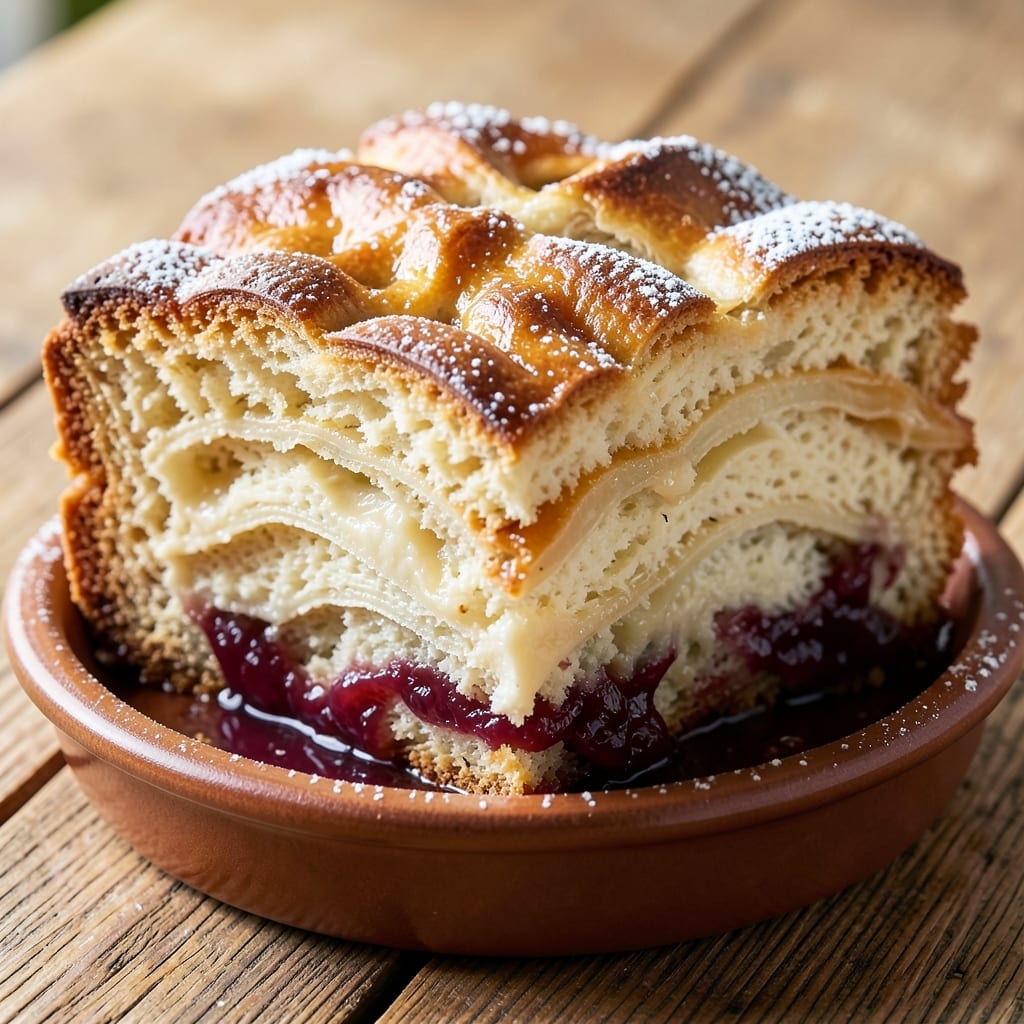
This authentic Polish coffee cake recipe brings the heart of Eastern Europe to your kitchen with its signature cardamom-infused layers and crispy top—just like the ones served in traditional Polish cafés. 🌟 The secret lies in a delicate yeast-based dough that creates tender, flaky layers, while a buttery crumb topping ensures that perfect golden crust. I've perfected this recipe over years of baking, ensuring every slice delivers the right balance of sweetness and spice that makes it a staple with morning coffee.
The cake's magic comes from its light, buttery texture and the warm aroma of cardamom, which gives it that unmistakable Polish flavor. Unlike many coffee cakes, this version includes a traditional coffee glaze drizzled over the top, enhancing the richness and adding a subtle coffee note that pairs beautifully with your morning brew. The layers are baked to perfection, ensuring they stay moist and tender while the top remains crispy enough to hold up to slicing.
What makes this recipe truly special is its cultural authenticity—served warm with a cup of strong Polish coffee, it's a dessert that feels like a hug. The dough requires a bit of patience, with a slow rise for maximum flavor development, but the result is worth every minute. Each slice reveals those delicate layers, the cardamom's floral notes, and the buttery crumb topping that melts in your mouth.
Perfect for weekend brunches, holiday gatherings, or simply treating yourself to a taste of Poland, this coffee cake is a showstopper. Whether you're baking for family or serving at a special occasion, this recipe delivers restaurant-quality results with a touch of homemade love. Let's get started on creating this timeless classic!
Ingredients for authentic polish coffee cake
Authentic Polish flavors start with these simple yet transformative ingredients—cardamom, yeast, and butter work magic.
| Ingredient | Amount | Notes |
|---|---|---|
| All-Purpose Flour 🌾 | 4 cups | Sifted for light texture |
| Granulated Sugar 🍚 | ½ cup | White or light brown |
| Active Dry Yeast 🍄 | 2 ¼ tsps | 1 packet or 7g |
| Whole Milk 🥛 | 1 cup | Warm to 110°F |
| Unsalted Butter 🧈 | ½ cup | Cold, cubed (1 stick) |
| Large Eggs 🥚 | 2 whole | Room temperature |
| Ground Cardamom 🌿 | 1 ½ tsps | Freshly ground preferred |
| Salt 🧂 | ½ tsp | Fine sea salt |
| Vanilla Extract 🍯 | 1 tsp | Pure vanilla preferred |
| Instant Coffee Granules ☕ | 1 tbsp | Dissolved in warm water |
| Powdered Sugar 🍚 | 1 cup | For coffee glaze |
| Heavy Cream 🥛 | ¼ cup | For coffee glaze |
| Brown Sugar 🍚 | ½ cup | Packed, for crumb topping |
| All-Purpose Flour 🌾 | 1 cup | For crumb topping |
| Cold Unsalted Butter 🧈 | ½ cup | Cubed, for crumb topping |
Cardamom is the soul of this cake—freshly ground makes all the difference. Penzeys or specialty spice shops carry the best whole pods, but the pre-ground stuff at Whole Foods works too. Look for vibrant green pods with no black spots. The yeast needs to be fresh: if your packet's past its expiration, toss it. Warm the milk to 110°F—too hot and you'll kill the yeast, too cold and it won't activate. I always use Land O'Lakes butter for baking; it's reliable and gives that perfect flakiness.
No cardamom? Cinnamon at half the amount gives a different but still lovely flavor. Out of instant coffee? Strong brewed coffee reduced by half works in a pinch. For the crumb topping, Pillsbury Grands flakes can replace half the flour if you're in a hurry, but homemade is worth it. The dough needs time to rise—at least 1 hour, up to 2 hours for deeper flavor. Don't rush it! And if your butter starts to melt while mixing, chill the dough for 15 minutes before shaping.
This cake keeps beautifully—3 days at room temperature covered loosely, or 1 week refrigerated in an airtight container. For longer storage, freeze the whole cake (unfrosted) for up to 3 months. I like to slice it thin and freeze individual portions—just thaw at room temperature for 10 minutes before serving. The coffee glaze sets quickly, so work fast when drizzling. And trust me, the leftovers reheated for 10 seconds in the microwave taste even better.
Why You'll Love This Recipe
- No Yeast? No Problem: I swear by this trick—just let the dough rise overnight in the fridge. Wakes up fluffy, no fuss, and honestly? The flavor deepens like magic. No timer stress, no waiting around.
- Butter So Rich: That first bite? Warm, buttery layers with a hint of caramelized sugar crust. Polish coffee cake isn’t just sweet—it’s indulgent, like a hug from your nonna. The butter makes it worth every calorie.
- Breakfast or Snack: Slice it thick for a hearty morning with tea, or pack leftovers for lunch. My kids grab it cold from the fridge—no judgment here. It’s that versatile.
- Budget-Friendly Luxury: Flour, sugar, butter, milk—pantry staples that cost pennies but taste like a café treat. I’ve made this for 12 people for under $10. Frugal? Absolutely. Delicious? Ridiculously.
Step-by-step instructions for authentic Polish coffee cake
Here's how to create layers of cardamom-infused cake with that signature crispy top.
👨🍳 Step 1: Prepare the Yeast Mixture and Cream Butter
First, let's activate that yeast. In a small bowl, combine the 1 cup warm whole milk (about 110°F) with the 2.25 tsps active dry yeast and 0.5 cup granulated sugar. Let it sit for 5-10 minutes until frothy—this tells you your yeast is alive and ready to work.
In a separate large bowl, beat the 0.5 cup unsalted butter until creamy, about 2-3 minutes. Add the yeast mixture gradually, mixing until fully incorporated. The butter should lighten in color slightly as it emulsifies with the milk mixture. This step creates the tender base for our cake layers.
👨🍳 Step 2: Mix the Cardamom-Infused Dough
Add the 2 whole large eggs, 1.5 tsps ground cardamom, 0.5 tsp salt, and 1 tsp vanilla extract to the butter mixture. Beat for 1-2 minutes until smooth and well combined. The cardamom will give that authentic Polish flavor we're after.
Gradually add the 4 cups sifted all-purpose flour to the mixture, mixing on low speed until just combined. I know it seems like too much flour, but trust me—this prevents a dense cake. Don't overmix; stop when you still see a few flour streaks. The dough should be soft but not sticky.
🥘 Step 3: Assemble the Coffee Cake Layers
Grease two 9-inch round cake pans and line the bottoms with parchment paper. Divide the dough evenly between the pans, spreading it to the edges for even baking. For that authentic touch, sprinkle half of the 1 tbsp instant coffee granules (dissolved in 1 tablespoon warm water) over each layer.
Bake at 350°F for 25-30 minutes until the tops are golden brown and a toothpick inserted comes out clean. Here's the secret: don't overbake. You want moist layers that stay tender even when sliced. Let the cakes cool in the pans for 10 minutes before transferring to a wire rack.
🍳 Step 4: Make the Coffee Glaze and Crumb Topping
While the cakes cool, make the coffee glaze by whisking together the 1 cup powdered sugar, 0.25 cup heavy cream, and remaining 1 tbsp instant coffee granules. The glaze should be thick but pourable—if it's too thick, add a splash more cream. This glaze is what makes this cake truly special.
For the crumb topping, pulse the 1 cup all-purpose flour, 0.5 cup brown sugar, and 0.5 cup cold unsalted butter in a food processor until it resembles coarse crumbs. The butter should be pea-sized pieces—this creates that perfect crispy texture we want on top.
🔥 Step 5: Assemble and Bake to Crispy Perfection
Place one cake layer on a serving plate. Spread half of the coffee glaze over the top, then add the second cake layer. Pour the remaining glaze over the top layer, letting it drip slightly over the edges for that authentic look. Sprinkle the crumb topping evenly over the glaze.
Bake at 350°F for 15-20 minutes until the crumb topping is golden brown and bubbly. The glaze will caramelize slightly at the edges—that's when you know it's perfectly done. Let it cool for 10 minutes before slicing to let the glaze set slightly.
Pro Tips For Making Authentic Polish Coffee Cake
- Proof the Yeast Slowly: Polish coffee cake relies on a gentle yeast rise—don’t rush it. Mix the yeast with warm milk (not hot) and let it sit for 10 minutes until frothy before adding to the flour. I learned this the hard way when I dumped it all in at once and ended up with a dense, flat loaf.
- Soften Butter Properly: Cold butter makes tough dough, but melted butter kills the yeast. Instead, cut the butter into small cubes and let it sit at room temperature for 30 minutes until it’s soft but still holds shape. This keeps the texture light and fluffy—no greasy mess.
- Don’t Overmix the Dough: Once you add the flour, stop mixing after the dough starts pulling away from the bowl. Overworking it develops gluten, which turns your cake into a chewy brick instead of a tender, crumbly loaf. Polish coffee cake is all about that soft, airy crumb.
- Brush with Milk Twice: After the first rise, brush the top with a little warm milk before baking—it creates a golden, crackly crust. Do it again right after pulling it from the oven while it’s still hot. Sounds fussy, but it makes all the difference for that classic Polish finish.
Troubleshooting perfect results
Dense Cake Layers
If your cake turns out dense instead of light and fluffy, you likely overmixed the dough or didn’t let it rise long enough. Polish coffee cake relies on a delicate yeast-based dough that needs at least 1 hour of rising time—up to 2 hours for maximum flavor. I’ve found that using a stand mixer on low speed and stopping as soon as the flour disappears prevents overworking the gluten. Also, ensure your yeast is fresh and the milk is 110°F—too hot or cold can kill the yeast, leaving your cake flat. 💡
Crumble Topping Not Crispy
The crumb topping should be golden and crispy, but if it turns out soggy or greasy, your butter might have melted too soon. Always use cold cubed butter when making the topping, and pulse it in short bursts in a food processor to keep it pea-sized. If your topping looks dry, add 1-2 teaspoons of heavy cream to bind it together. Bake it at 350°F for 15-20 minutes—any longer, and the heat will melt the butter completely, making it greasy. ✨
Glaze Too Thin or Runny
A runny glaze can drip off the cake and make a mess, but you can fix it easily. If your glaze is too thin, whisk in an extra 1-2 tablespoons of powdered sugar until it thickens enough to coat the back of a spoon. For a thicker glaze, reduce the heavy cream slightly by simmering it for 2-3 minutes before mixing. The key is to drizzle the glaze over the cake just before baking the crumb topping so it sets properly. 🍯
Uneven Baking or Sinking Layers
If your cake layers bake unevenly or sink in the middle, your oven temperature might be inconsistent. Polish coffee cakes need a steady 350°F environment—use an oven thermometer to confirm accuracy. Also, ensure your cake pans are evenly greased and lined with parchment paper to prevent sticking. When dividing the dough, use a kitchen scale for precision—uneven layers can cause baking inconsistencies. Let the cakes cool in the pans for 10 minutes before transferring to avoid structural collapse. 🔥
Cardamom Flavor Too Strong
If the cardamom flavor overpowers your cake, you might have used too much. The recipe calls for 1.5 teaspoons of ground cardamom, but if you prefer a milder taste, reduce it to 1 teaspoon or swap it for ½ teaspoon cinnamon. Cardamom’s flavor is complex, so freshness matters—buy whole pods and grind them just before baking. If you’re unsure, start with the full amount and adjust in future batches based on your taste. 🌿
Cake Sticks Together When Slicing
A cake that sticks together when sliced usually means it didn’t cool enough before cutting. Let the cake rest for at least 15 minutes after baking to allow the glaze to set and the layers to firm up. If it’s still sticky, chill it in the refrigerator for 10-15 minutes before slicing. For easier serving, use a sharp serrated knife and dip it in hot water, then wipe it dry between slices. This ensures clean cuts every time. 💪
Nutrition facts
Frequently asked questions
Can I make this Polish coffee cake without cardamom?
While cardamom gives that authentic Polish flavor, you can substitute it with ½ teaspoon cinnamon for a milder but still delicious taste. The cake will still have a warm spice note, though it won't be as complex as the original. If you love cardamom, consider buying whole pods and grinding them fresh for the best flavor.
How do I store leftover Polish coffee cake?
This cake keeps beautifully for 3 days at room temperature covered loosely with plastic wrap, or 1 week refrigerated in an airtight container. For longer storage, freeze the whole cake (unfrosted) for up to 3 months. Thaw slices at room temperature for 10 minutes before serving. The glaze might soften slightly when reheated, but it adds extra richness!
Why does the recipe call for instant coffee granules instead of regular coffee?
The instant coffee granules dissolve completely for a smooth flavor without any gritty texture. You can use strong brewed coffee reduced by half if you prefer, but instant coffee ensures consistent results. The granules also help create that signature coffee-infused taste that pairs perfectly with the cardamom.
Can I make this cake in a bundt pan instead of round pans?
While the recipe is designed for two 9-inch round pans, you could adapt it to a bundt pan by dividing the dough into 3 equal portions and baking them separately for 20-25 minutes each at 350°F. The crumb topping would need to be baked separately and sprinkled on top after assembling. The layers might be thinner, but the flavor would still be amazing!
What's the best way to serve this Polish coffee cake?
This cake is traditionally served warm with a cup of strong Polish coffee, but it's also perfect for brunch or dessert. For extra decadence, dust with powdered sugar or add a dollop of whipped cream. The crispy crumb topping pairs beautifully with coffee's bitterness, creating a balanced flavor experience.