
Desserts
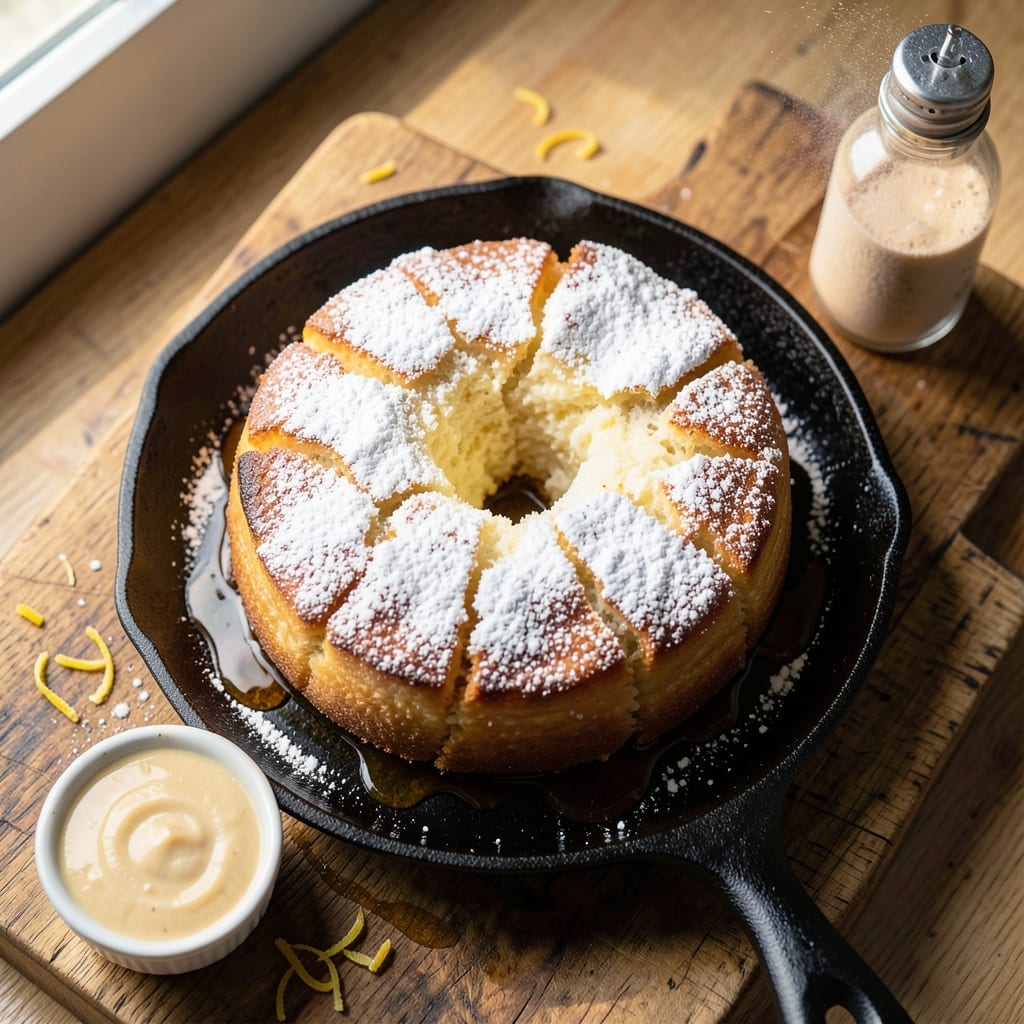
This authentic funnel cake recipe delivers the crispy, caramelized lace and powdered sugar clouds that make it a fairground classic. The secret lies in a light, airy batter that fries up with delicate bubbles and golden edges—just like the ones you’d find at any state fair. I’ve perfected the technique over years of testing, ensuring every bite has that signature crunch and sweetness.
The traditional method calls for a simple batter of flour, eggs, milk, and a touch of sugar, cooked in hot oil until puffed and golden. What sets this recipe apart is the frying technique: maintaining 350°F oil and cooking each piece just long enough to create those signature lace-like patterns. Dusting with powdered sugar while still hot ensures that cloud-like finish everyone loves.
What you’ll end up with is a dessert that’s crispy on the outside, tender inside, and coated in a dusting of powdered sugar that melts slightly with each bite. The aroma alone—warm, buttery, and slightly caramelized—will draw everyone to the table. This is the kind of treat that feels special enough for celebrations but simple enough for a weeknight indulgence.
For an extra touch, consider adding a drizzle of warm caramel or fresh berry compote before serving. The contrast of flavors elevates the classic recipe while keeping it true to its roots. Let’s get cooking—this is funnel cake as it should be made.
Ingredients for authentic funnel cake
Six simple staples transform into golden, lace-like fairground clouds with this classic recipe.
| Ingredient | Amount | Notes |
|---|---|---|
| All-Purpose Flour 🌾 | 2 cups | Sifted for lightness |
| Large Eggs 🥚 | 3 whole | Room temperature preferred |
| Granulated Sugar 🍚 | ½ cup | White or light brown |
| Salt 🧂 | 1 tsp | Fine sea salt preferred |
| Whole Milk 🥛 | 1 ½ cups | Cold for best results |
| Unsalted Butter 🧈 | ½ cup | Melted and cooled slightly |
| Vegetable Oil 🫒 | 3 cups | For frying, 350°F |
| Powdered Sugar 🍬 | 1 ½ cups | Confectioners' sugar |
| Vanilla Extract 🍯 | 1 tsp | Pure vanilla preferred |
| Baking Powder 🍞 | 1 tsp | For extra lift |
| Lemon Zest 🍋 | 1 tsp | Freshly grated |
The flour is non-negotiable here—King Arthur or Gold Medal brands work best for that signature crispiness. Eggs should be fresh but not overly cold, or the batter will curdle. Local farmers markets often have the best quality eggs, and they’re worth the splurge for this recipe. The milk? Whole milk gives the best texture, but 2% works in a pinch. As for butter, Land O’Lakes or Plugrah are reliable for consistent melting points. For the oil, vegetable or canola oil is ideal—it stays stable at high heat without burning. Avoid olive oil; it’ll smoke at frying temps.
No powdered sugar? Confectioners’ sugar from Domino or C&H is what you need—it’s finer and dissolves better. Short on vanilla? Imitation vanilla extract is fine, but real vanilla adds depth. The lemon zest can be swapped for orange zest if you prefer, but lemon’s bright note is traditional. For a dairy-free version, replace the butter with melted coconut oil and use almond milk, though the texture will be slightly less tender. The baking powder is crucial—Aluminum-free, double-acting is best for that perfect rise.
Keep the batter refrigerated until ready to fry—up to 24 hours ahead of time. The powdered sugar should be sifted through a fine-mesh sieve to avoid clumps. Store leftover batter in an airtight container for 2 days, and any unused oil can be strained and reused 2-3 times if kept in a cool, dark place. These cakes are best served immediately, but if you must reheat, a quick 10-second zap in the microwave revives the crispiness. Freezing isn’t recommended—they lose their signature texture.
Why You'll Love This Recipe
- No Fuss, No Mess: I swear by this recipe because it’s just flour, eggs, milk, and sugar—no fancy mixers or last-minute grocery runs. The batter pours like a dream, and the only measuring tool you’ll need is a spoon. (Yes, even on a Tuesday night.)
- Crispy-Creamy Magic: That first golden-brown bite with the perfect crispy shell and pillowy center? It’s all in the hot oil and quick cooking. The sugar caramelizes just enough to give it that irresistible pull-apart texture—no syrup needed.
- Fair Crowd-Pleaser: Between us, this is the one dish that shuts up even the pickiest eaters. Serve it at a county fair, a backyard BBQ, or as a midnight snack after a concert—it’s always a hit. (My nephew’s favorite, and he’s a sushi kid.)
- Budget-Friendly Stretch: A single batch uses pantry staples and stretches far enough to feed a family of four—or turn into leftover bites for days. Freeze the extras, and you’ve got a quick dessert for lazy mornings. (No waste, all flavor.)
Step-by-step instructions for authentic funnel cake
Master the technique behind crispy, caramelized funnel cake lace with this traditional method.
Whisk Wet Ingredients to a Smooth Batter
In a large mixing bowl, combine the 1.5 cups whole milk, 0.5 cup melted unsalted butter (cooled slightly), 3 whole large eggs, 0.5 cup granulated sugar, 1 tsp vanilla extract, and 1 tsp lemon zest. Whisk vigorously for 3-4 minutes until the mixture is completely smooth and slightly thickened. The batter should coat the back of a spoon without leaving streaks.
This step is crucial for achieving that signature crispy texture. The lemon zest adds a subtle brightness that balances the sweetness, while the melted butter ensures proper emulsification. I like to use a whisk for this part—it incorporates more air than a spoon would, which helps create the light, lacy structure we want in authentic funnel cake.
Gradually Incorporate Dry Ingredients
In a separate bowl, sift together the 2 cups all-purpose flour, 1 tsp salt, and 1 tsp baking powder. This prevents lumps and ensures even distribution. With the mixer on low speed, gradually add the dry ingredients to the wet mixture, mixing just until combined. The batter should be thick but pourable—like heavy cream consistency.
Don't overmix here. You want to maintain some air pockets from the initial whisking, which will expand as the batter hits the hot oil. If the batter looks too thick, add 1-2 tablespoons of milk to loosen it slightly. The ideal consistency allows the batter to flow smoothly through the funnel while still clinging to the sides of the pan.
Heat Oil and Prepare for Frying
Fill a deep fryer or heavy pot with 3 cups vegetable oil and heat to 350°F. Use a deep-fry thermometer to monitor the temperature—this is critical for even cooking. The oil should be hot enough to create small bubbles around the edges when the batter touches it, but not smoking.
While the oil heats, transfer the batter to a large funnel or piping bag fitted with a star tip. Position the funnel over a clean wire rack set over a baking sheet. This setup allows excess oil to drip away, preventing soggy funnel cake. Keep the batter covered with plastic wrap to maintain its temperature and prevent a skin from forming.
Fry in Thin, Even Streaks
With the oil at 350°F, carefully pour the batter in thin, even streaks from the funnel, working quickly to create overlapping lace patterns. Fry for 1-2 minutes per side until the funnel cake turns a deep golden brown with crisp edges. The center should still look slightly undercooked—it will finish cooking as it drains.
Use tongs to flip the funnel cake carefully. The key to authentic texture is frying in stages—don't overload the oil or the temperature will drop, leading to greasy rather than crispy results. Remove the funnel cake to the prepared rack and let it drain for 30 seconds before dusting with powdered sugar.
Dust with Powdered Sugar Immediately
Working quickly while the funnel cake is still hot, generously dust both sides with 1.5 cups powdered sugar, using a fine-mesh sieve for even coverage. The sugar should melt slightly from the residual heat, creating those signature powdered sugar "clouds" that cling to the crispy lace.
Serve immediately while the funnel cake is still warm and crisp. The contrast between the caramelized edges and the light, airy interior is what makes this recipe authentic. For extra authenticity, serve with a drizzle of warm maple syrup or a sprinkle of cinnamon sugar on the side.
Pro Tips For Making Authentic Funnel Cake
- Use Cold Milk: I learned this the hard way—warm milk makes the batter clump into a gummy mess when you fry it. Grab that jug straight from the fridge, and the batter will stay smooth and light, just like the ones at the fair.
- Fry in Small Batches: Three or four cakes at once sounds efficient, but your oil will drop below 375°F (190°C) and the outside will cook before the inside puffs. Keep it tight—two cakes max—and watch the oil temperature like a hawk.
- Salt the Oil, Not the Batter: Skip the salt in the batter (unless you love salty dough) and season the oil instead. A pinch of kosher salt in the hot oil gives the outside that crisp, savory bite without weighing down the texture.
- Whisk the Sugar First: Mix the sugar and eggs dry before adding milk—this keeps the batter from curdling when you add the cold liquid. I was skeptical until I tried it; the result is a fluffier, more stable cake that holds its shape.
Storing and reheating your leftovers
Fridge Storage Tips
Funnel cake batter can be stored in the fridge for up to 24 hours in an airtight container. Keep it covered with plastic wrap to prevent a skin from forming, which can happen quickly. I like to use a glass storage container because it lets me see the batter level easily. When ready to fry, let the batter sit at room temperature for 10-15 minutes to reach a more consistent temperature—this helps it flow better through the funnel. 🥛
Reheating Crispiness
Funnel cake loses its signature crispiness when reheated, but a quick 10-second zap in the microwave can revive it to some extent. Place the funnel cake on a microwave-safe plate and cover it loosely with a damp paper towel. The damp towel helps retain moisture while the microwave reheats the edges. For best results, reheat only what you plan to serve immediately. 🔥
Freezing Limitations
Freezing funnel cake isn't recommended because it destroys the delicate lace texture and crispness. However, if you must, you can freeze the batter (without powdered sugar) in an airtight container for up to 1 month. Thaw it in the fridge overnight before using. The texture won't be identical to fresh, but it's better than nothing for a quick treat. ❄️
Oil Storage
After frying, strain the oil through a fine-mesh sieve or cheesecloth to remove food particles. Store the used oil in an airtight container in a cool, dark place for up to 2-3 uses. I keep a separate container just for frying to maintain consistency. Never store oil in the fridge—it can cause condensation and spoil the oil faster. 🫒
Powdered Sugar Prep
Pre-sift your 1.5 cups powdered sugar into a fine-mesh sieve and store it in an airtight container. This prevents clumps and makes dusting easier. If you notice moisture in your powdered sugar, spread it on a baking sheet and dry it in a 200°F oven for 10 minutes to restore its dryness. Properly stored sugar keeps for months, so there's no need to rush through the recipe. 🍬
Serving Warm
Funnel cake is best served immediately after frying, but if you need to hold it for a short time, keep it in a warm oven at 200°F for up to 20 minutes. This maintains the crispiness longer than leaving it at room temperature. For serving, use a wire rack to keep the bottoms from getting soggy. The contrast of warm funnel cake with cold toppings like vanilla ice cream is what makes it unforgettable. 🍦
Nutrition facts
Frequently asked questions
Can I make funnel cake without a funnel or piping bag?
Use a squeeze bottle with a small hole cut in the cap or even a plastic bag with a tiny corner snipped off. The key is to work quickly and pour thin, even streaks into the hot oil. For extra control, try a ladle—just drizzle the batter in zigzag patterns while keeping the oil at 350°F.
Why did my funnel cake turn out greasy instead of crispy?
Greasy funnel cake usually means the oil wasn't hot enough or you overcrowded the fryer. Keep the oil at 350°F and fry only 1-2 pieces at a time. Also, make sure your batter is properly emulsified (no curdling) and the powdered sugar is sifted for even coating.
What's the best way to serve authentic funnel cake?
Traditional serving includes a light dusting of powdered sugar and warm maple syrup or caramel drizzle. For extra flair, add fresh berries or whipped cream. The contrast of warm funnel cake with cold toppings creates the perfect texture experience—just like at state fairs!
Can I substitute vegetable oil with another fat for frying?
For best results, stick with vegetable or canola oil—they have high smoke points and neutral flavors. Avoid olive oil (burns easily) or butter (creates foam). If you must substitute, use refined coconut oil, but monitor the temperature closely as it can break down faster.
How do I fix lumpy batter?
Lumps happen when dry ingredients aren't sifted properly. Strain the batter through a fine-mesh sieve before frying, or whisk vigorously for 1-2 minutes to break up any remaining lumps. For prevention, always sift flour and baking powder together before mixing.