
Breakfast & Brunch
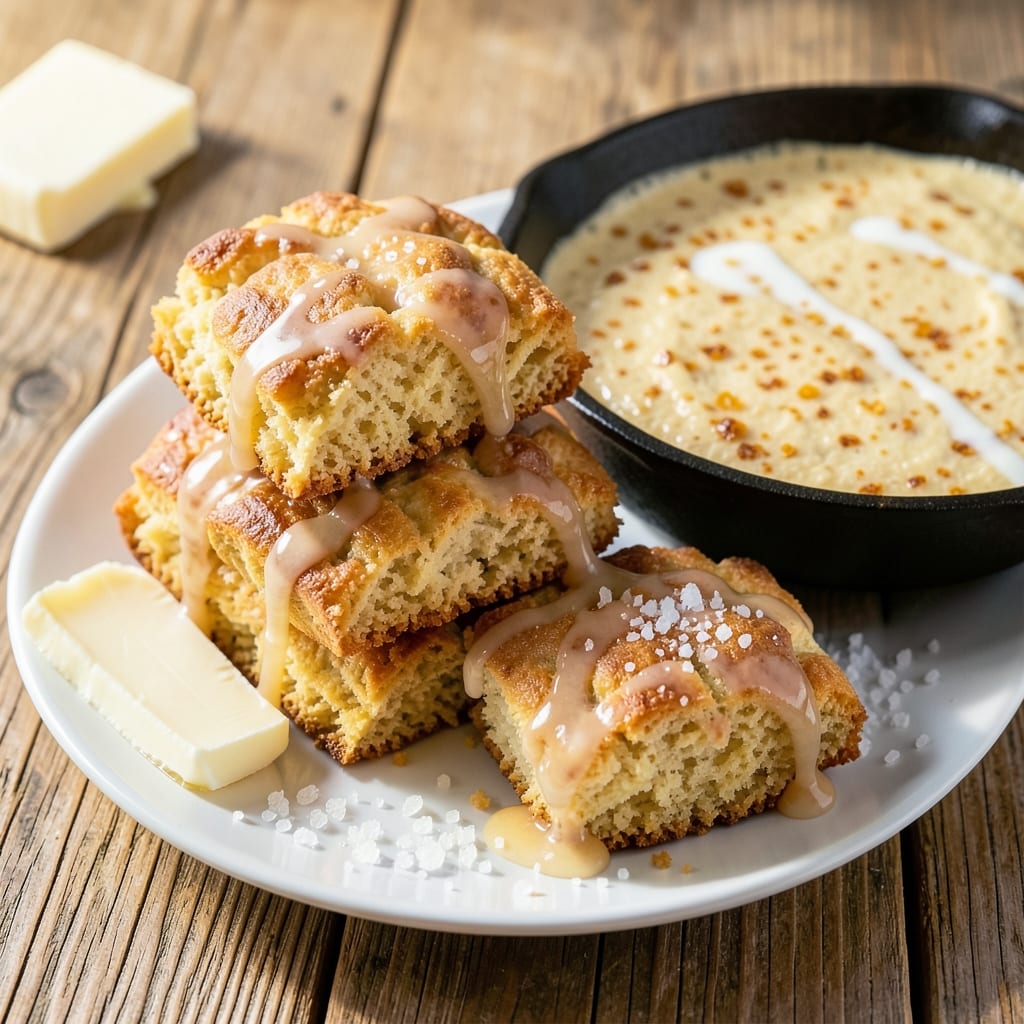
This Aunt Jemima pancake mix biscuit recipe transforms a pantry staple into golden, flaky layers with a buttery crust—perfect for breakfast or brunch. 💛 The secret lies in a simple dough recipe that leverages the mix’s baking powder for lift, creating tender, pillowy biscuits with crisp edges. No yeast, no fuss, just foolproof results in under 30 minutes.
The beauty of this recipe is its versatility—whether you’re feeding a crowd or treating yourself to a lazy morning, these biscuits deliver restaurant-quality texture with minimal effort. The dough comes together in just 5 minutes, and baking at 400°F ensures a perfect rise and golden-brown finish. Add a pat of butter or drizzle with honey for an extra touch of indulgence.
What sets these biscuits apart is their light, airy crumb and buttery aroma that fills your kitchen. The recipe is beginner-friendly, yet the outcome feels special—ideal for holiday brunches, weekend gatherings, or a cozy weeknight meal. Pair with gravy, jam, or fresh fruit for a complete breakfast spread.
Once you try these, you’ll never reach for store-bought again. The flaky layers and rich flavor make them worth the effort, and they reheat beautifully for leftovers. Ready to bake?
Ingredients for aunt jemima pancake mix biscuit
Six ingredients transform a simple mix into restaurant-quality biscuits with golden flaky layers.
| Ingredient | Amount | Notes |
|---|---|---|
| Aunt Jemima Pancake Mix 🥞 | 2 cups | Original recipe mix preferred |
| Cold Unsalted Butter 🧈 | ½ cup | Cut into small cubes |
| Whole Milk 🥛 | ½ cup | Room temperature preferred |
| Diamond Crystal Kosher Salt 🧂 | 1 tsp | Fine grain preferred |
| All-Purpose Flour 🌾 | ½ cup | For extra flakiness |
| Granulated Sugar 🍚 | 1 tbsp | Optional for slight sweetness |
| Baking Powder 🍞 | ½ tsp | Ensures proper rise |
| Freshly Ground Black Pepper 🌶️ | ¼ tsp | Enhances buttery flavor |
| Melted Butter 🧈 | 2 tbsp | For brushing crust |
| Coarse Sea Salt 🧂 | 1 tbsp | For final sprinkle |
The Aunt Jemima mix is the foundation, but the butter makes all the difference. Use cold, high-fat butter—European-style brands like Plugrá or Kerrygold work best for maximum flakiness. If you're in a pinch, any unsalted butter from the grocery store will do, but let it sit in the fridge until firm. The milk should be room temperature to blend smoothly into the dough. For the flour, King Arthur or Gold Medal brands are ideal—they have higher protein content for better structure. The baking powder is critical here; Aluminum-free, double-acting ensures proper rise at both room temperature and in the oven.
No butter on hand? Coconut oil at the same quantity works in a bind, though the texture won't be quite as tender. Running short on milk? Heavy cream or buttermilk both add richness, though buttermilk will make the biscuits slightly tangier. If you prefer a sweeter biscuit, add an extra tablespoon of sugar or swap the granulated for brown sugar. The kosher salt is non-negotiable—it dissolves completely for even seasoning, unlike iodized table salt. For a savory version, omit the sugar entirely and increase the black pepper to half a teaspoon.
The dough must stay cold until baking—work quickly and keep everything chilled. Once shaped, refrigerate the biscuits for 20-30 minutes before baking to prevent spreading. These biscuits freeze beautifully; wrap them individually in parchment and store in a freezer bag for up to 3 months. To reheat, bake at 350°F for 8-10 minutes until golden. For serving, brush with melted butter and sprinkle with coarse salt immediately after baking—this is non-negotiable for that restaurant-quality finish. Leftovers keep for 3 days in an airtight container.
Why You'll Love This Recipe
- Pantry Magic: I swear by this recipe when I forget to buy biscuit mix—just grab Aunt Jemima pancake mix, a stick of butter, and milk. No running to the store, no fancy ingredients, just pure convenience with that buttery, flaky texture you crave.
- Buttery Crunch Perfection: The cold butter cut into the pancake mix creates layers that bake into golden, crispy edges with a tender middle. Honestly, it’s the kind of biscuit that makes you slow down and savor every bite—no dry, sad biscuits here.
- Breakfast or Dinner Fix: These biscuits work just as well with sausage gravy at 7 AM as they do alongside fried chicken at 7 PM. Between us, I’ve even reheated them in a toaster for a quick snack—versatile enough for lazy mornings or impromptu dinners.
- Budget-Friendly Staple: A box of pancake mix and a few pantry basics stretch into dozens of biscuits, freezing perfectly for weeks. I’ll be real: this is my go-to when I need to feed a crowd without breaking the bank—plus, the leftovers taste just as good as day one.
Step-by-step instructions for Aunt Jemima pancake mix biscuits
Here's the method for achieving that signature flaky texture and golden crust.
👨🍳 Step 1: Cut and Chill the Butter for Layers
Cut the 0.5 cup cold unsalted butter into small, even cubes—about the size of your smallest fingernail. This precision matters because we're creating those signature flaky layers. Place the butter cubes between two sheets of parchment paper and pound them gently with a rolling pin until they form an even, ¼-inch thick rectangle. This ensures consistent layers throughout the dough.
Wrap the butter rectangle tightly in plastic wrap and refrigerate for 30 minutes. The cold butter must stay firm when it goes into the dough—this is what creates those beautiful, crispy layers. If you skip this chilling step, your biscuits will turn out dense instead of flaky. I've learned this the hard way when I've been impatient and rushed ahead.
👨🍳 Step 2: Combine Dry Ingredients Precisely
In a large mixing bowl, combine the 2 cups Aunt Jemima Pancake Mix, 0.5 cup all-purpose flour, 1 tsp Diamond Crystal kosher salt, 0.5 tsp baking powder, and 0.25 tsp freshly ground black pepper. Whisk these dry ingredients together until evenly distributed—you should see no visible streaks of flour or baking powder. This ensures uniform texture throughout each biscuit.
In a separate small bowl, measure out the 1 tbsp granulated sugar (if using) and 0.5 cup whole milk. The sugar adds subtle sweetness that complements the buttery flavor, while the milk provides moisture without making the dough too sticky. Room-temperature milk works best—it incorporates more smoothly into the dry ingredients.
🥘 Step 3: Build the Dough with Cold Butter Layers
Remove the chilled butter from the refrigerator and place it on top of the dry ingredients. Using your fingers or a pastry cutter, work the butter into the flour mixture until you have pea-sized crumbles throughout. The goal is to maintain those cold butter pieces—don't overwork the dough or the butter will melt and you'll lose the flaky texture. Handle the dough as little as possible at this stage.
Pour in the 0.5 cup whole milk and gently stir with a wooden spoon until just combined. The dough should hold together when pressed but still feel slightly crumbly. If it's too dry, add 1 teaspoon more milk at a time until it comes together. The dough should be cool to the touch—this is crucial for maintaining those crispy layers during baking.
🔥 Step 4: Shape and Bake for Maximum Flakiness
Preheat your oven to 425°F and line a baking sheet with parchment paper. Turn the dough out onto a lightly floured surface and gently pat it into a 1-inch thick rectangle. Using a sharp knife or bench scraper, cut the dough into 6 equal squares—about 2 inches per side. For extra flaky layers, fold each square in half and then cut in half again, creating 12 smaller triangles. This creates more surface area for that golden crust to form.
Place the biscuits on the prepared baking sheet, leaving 1 inch between each one. Brush the tops generously with the 2 tbsp melted butter, then sprinkle evenly with the 1 tbsp coarse sea salt. Bake for 12-15 minutes until the biscuits are deep golden brown and the edges are crisp. The centers should still feel slightly soft when pressed—this ensures they'll be tender inside while maintaining that crispy exterior.
Pro Tips For Making Aunt Jemima Pancake Mix Biscuit
- CUT THE BUTTER FIRST: Take that cold unsalted butter straight from the fridge and slice it into 1/2-inch cubes—no need to soften it. The cold fat creates flaky layers when it melts in the oven, but if you skip this, you’ll end up with dense, greasy biscuits instead of light, airy ones.
- SALT THE MILK: Mix the whole milk with a pinch of Diamond Crystal kosher salt (about 1/4 teaspoon) before adding it to the pancake mix. The salt dissolves completely and seasons the dough evenly—no more dry, bland bites in the middle of your biscuit.
- PACK THE PAN TIGHT: Press the biscuits into the hot cast-iron or skillet as close together as possible—no gaps. They’ll expand outward, not upward, giving you a thick, connected batch instead of a few lonely, tall ones. (Yes, they’ll look like a pancake at first, but that’s how you know it’s working.)
- WAIT FOR THE STEAM: After baking, let the biscuits sit in the pan for 2 full minutes before lifting them out. The residual steam finishes cooking the centers and keeps them from falling apart when you cut into them. Trust me, rushing this step ruins the texture.
Troubleshooting perfect results
Dense Dough Fix
If your biscuits turn out dense instead of flaky, the butter likely melted too soon. Always keep everything cold—work on a chilled surface and refrigerate the dough for 20-30 minutes before shaping. Use high-fat butter (like Plugrá or Kerrygold) and avoid overmixing. If the dough feels too dry, add just 1 tsp milk at a time until it holds together. 💡
Flattened Biscuits
Biscuits that spread too much or flatten during baking usually mean the butter wasn’t cold enough or the oven was too hot. Chill the shaped biscuits for 15 minutes before baking, and reduce the oven temperature to 400°F. Use a light hand when pressing the dough—don’t flatten it too much. A lightly floured surface helps prevent sticking and spreading.
Pale or Underbaked Centers
Pale centers happen when biscuits aren’t baked long enough or the oven isn’t hot enough. Increase baking time by 2-3 minutes and check the internal temperature—it should reach 190°F. Rotate the baking sheet halfway through for even browning. If your oven runs hot, lower the temperature to 375°F and bake for 15-18 minutes. A wire cooling rack prevents steam buildup, ensuring even cooking.
Crumbly or Dry Texture
Overmixing or insufficient fat causes crumbly biscuits. Handle the dough minimally and ensure you’ve incorporated enough butter—aim for pea-sized crumbles in the dough. If the dough feels too dry, add 1 tsp milk at a time. For extra tenderness, brush the tops with melted butter immediately after baking. Store leftovers in an airtight container to retain moisture.
Uneven Browning
For inconsistent browning, rotate the baking sheet halfway through baking. If the tops aren’t golden, increase the oven temperature to 425°F for the last 2-3 minutes. Brush biscuits with melted butter before baking for a richer color. Avoid overcrowding the pan—leave 1 inch between biscuits for even airflow. A dark baking sheet can also help with browning.
Stale Biscuits
To revive stale biscuits, reheat them in a 350°F oven for 5-8 minutes with a splash of water in the pan. For a crispy texture, broil for 1-2 minutes on high. Store biscuits in the freezer for up to 3 months—wrap individually in parchment to prevent freezer burn. Thaw at room temperature before reheating for the best results. 🔥
Nutrition facts
Frequently asked questions
Can I make these biscuits without butter?
Yes, but expect a different texture. Replace the butter with ½ cup coconut oil (chilled) or ½ cup vegetable shortening for a similar flaky result. The biscuits will be slightly denser, though. For a richer flavor, use 2 tablespoons melted butter instead of brushing with it after baking.
Why do your biscuits need to chill before baking?
Chilling the shaped biscuits for 15-30 minutes prevents them from spreading too much in the oven. Cold butter stays firm, creating those signature flaky layers. Skipping this step often results in flat, cakey biscuits instead of the tall, golden ones you want. Think of it like resting dough—it helps everything set properly.
How can I make these biscuits savory instead of sweet?
Omit the 1 tbsp sugar and increase the black pepper to ½ tsp. Add ½ tsp garlic powder or ½ tsp onion powder for extra flavor. Brush with melted butter and sprinkle with grated Parmesan cheese before baking. These work perfectly with breakfast sausage or gravy!
Can I use buttermilk instead of regular milk?
Buttermilk adds tanginess that pairs beautifully with the buttery flavor. Use ½ cup buttermilk instead of regular milk, and you may need to add 1 tsp baking powder extra to compensate for the acidity. The biscuits will have a slightly denser but more flavorful crumb.
How do I store leftovers for maximum freshness?
Cool completely, then store in an airtight container at room temperature for 3 days. For longer storage, freeze individual biscuits wrapped in parchment paper for up to 3 months. To reheat, bake at 350°F for 5-8 minutes until warm and crispy. Avoid microwaving—they'll turn rubbery!