
Desserts
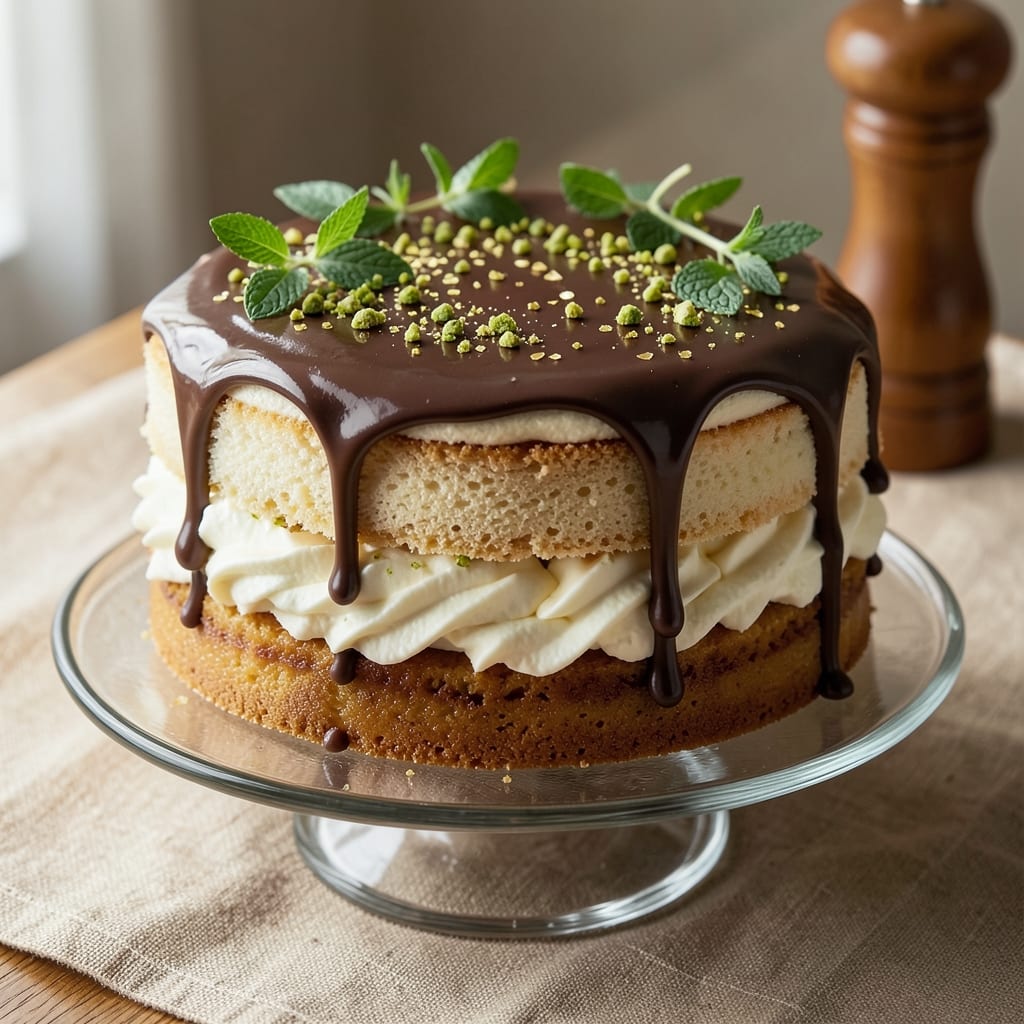
Mastering an atomic cake recipe from scratch means achieving that signature layered, boozy elegance without the dreaded cracking. This recipe delivers a foolproof method for infusing alcohol into cake layers while maintaining perfect structure—no baking degree required. The secret lies in precise layering techniques and a stable frosting that binds everything together beautifully.
What sets this atomic cake apart is the balance between rich, moist cake layers and a smooth, glossy frosting that holds its shape. We'll use a simple syrup infusion method for the alcohol, ensuring even distribution without drying out the cake. Each layer is baked to a perfect doneness, then carefully stacked with a thin layer of frosting to prevent separation.
The result is a visually stunning dessert with distinct liquor-infused layers that shine through the translucent frosting. The cake remains tender and moist, while the frosting provides that signature atomic cake sheen. This method works with any flavor combination—vanilla, chocolate, or even fruit-infused—making it incredibly versatile for any occasion.
Ready to create a showstopping dessert? Let's break down each step to ensure your atomic cake turns out perfectly every time—no cracks, no compromises. The process is simpler than it looks, and the results will impress even the most discerning guests.
Ingredients for atomic cake recipe from scratch
Precision ingredients for a flawless atomic cake with distinct liquor-infused layers and crack-free structure.
| Ingredient | Amount | Notes |
|---|---|---|
| All-Purpose Flour 🌾 | 3 ½ cups | Sifted for even distribution |
| Granulated Sugar 🍚 | 2 ½ cups | Superfine preferred for smooth texture |
| Unsalted Butter 🧈 | 2 cups | Cold, cubed for creaming |
| Large Eggs 🥚 | 6 whole | Room temperature for even mixing |
| Vanilla Extract 🌿 | 2 tbsp | Pure, high-quality extract |
| Baking Powder 🧂 | 1 ½ tsp | Diamond Crystal preferred |
| Salt 🧂 | ½ tsp | Fine sea salt for balance |
| Whiskey or Rum 🍹 | ½ cup | 80-proof, high-quality spirit |
| Simple Syrup 🍯 | ½ cup | Equal parts sugar and water |
| Heavy Cream 🥛 | 3 cups | Cold for stable frosting |
| Confectioners' Sugar 🍚 | 4 cups | Sifted for smooth frosting |
| Lemon Juice 🍋 | 1 tbsp | Freshly squeezed for brightness |
The flour and sugar form the structural backbone—King Arthur or Gold Medal brands ensure consistent texture without gluten overdevelopment. Unsalted butter must be cold and cubed (not melted) to create air pockets for a tender crumb. For the whiskey or rum, opt for high-proof spirits like Maker’s Mark or Havana Club—lower-proof varieties can yield a weaker infusion. The simple syrup acts as a moisture carrier, preventing the alcohol from drying out the cake layers. Heavy cream should be ultra-cold when whipping for the frosting to achieve peak stability.
No vanilla extract? Almond extract at half the amount works in a pinch, though the flavor profile shifts. Substituting powdered sugar for confectioners' sugar? Sift it thoroughly to avoid graininess. For the alcohol infusion, if you lack whiskey or rum, brandy or gin function similarly, though the flavor nuances differ. Diamond Crystal baking powder is preferred over aluminum-free brands for reliable rise—Rumford works too. The lemon juice brightens the frosting; if unavailable, a pinch of cream of tartar achieves the same acidity balance.
Store dry ingredients (flour, sugar, baking powder) in airtight containers for up to 6 months, while butter and eggs should be used within 2 weeks of purchase. The whiskey-infused simple syrup can be made 3 days ahead and stored in the fridge. For the frosting, whip the heavy cream just until soft peaks form—overwhipping introduces air bubbles that weaken structure. Assemble the cake within 2 hours of baking to prevent layers from drying.
Why You'll Love This Recipe
- No Mixer Needed: I swear by this recipe because it’s just flour, sugar, butter, eggs, and vanilla—no fancy gadgets. Cream the butter and sugar by hand (yes, it’s satisfying), crack the eggs right into the bowl, and fold in the flour. Ten minutes of actual work, and the rest is waiting.
- Vanilla Buttercream Magic: That vanilla extract isn’t just flavor—it’s the star. The cake itself is tender but sturdy, and when you slather on the buttercream (made from the same butter and sugar you already used), it’s like biting into a cloud. Honestly, the first time I made this, I ate half the batter raw. Don’t judge me.
- Birthday to Picnic: This cake is my secret weapon for anything. Need a last-minute dessert for a party? Done. Packing for a family outing? It holds up. Even my picky nephew asks for seconds—though I make him wait until after dinner. (Yes, even on a Tuesday night.)
- Pantry Staple Power: Between us, this recipe costs less than takeout. You’re using basics you already own, and the leftovers? They last. I’ve reheated slices in the microwave for days, and they’re still moist. Plus, the buttercream keeps perfectly—so you can bake once and celebrate twice.
Step-by-step instructions for atomic cake recipe
Master the art of layered liquor cakes with this foolproof method designed to prevent cracks and deliver perfect texture.
Cream Butter and Sugars to Light Ribbon Stage
In a stand mixer fitted with the paddle attachment, combine the 2 cups unsalted butter (cold, cubed) with the 2.5 cups granulated sugar on medium speed. Beat for 4-5 minutes until the mixture becomes pale and fluffy, with a ribbon-like consistency that holds its shape when the paddle is lifted. This stage is crucial—it incorporates air that will create the cake's signature lightness.
I like to scrape down the sides of the bowl every 30 seconds during this process to ensure even mixing. The butter should be fully emulsified with the sugar, leaving no grainy texture. If using superfine sugar, this step will go even faster, but don't rush it. The creaming process is what prevents dense, cakey results later.
Incorporate Eggs and Liquor in Stages
Add the 6 whole large eggs one at a time, mixing on low speed after each addition until fully combined. The mixture will look slightly curdled initially, but this will resolve when you add the dry ingredients. After the eggs are incorporated, add the 0.5 cup whiskey or rum and 2 tbsp vanilla extract, mixing just until evenly distributed.
Here's where the alcohol works its magic: the whiskey or rum adds moisture and depth while preventing the cake from becoming too dense. I always use room-temperature eggs for this step—they blend more smoothly and create a more stable batter. If your eggs are cold, warm them gently in their shells under warm running water for 5 minutes before using.
Combine Dry Ingredients and Fold Gently
In a separate bowl, whisk together the 3.5 cups all-purpose flour, 1.5 tsp baking powder, and 0.5 tsp salt. Sift the flour mixture directly into the wet ingredients, then gently fold using a spatula until just combined. Overmixing develops gluten, which can lead to a tough cake. Stop mixing as soon as you see no more flour streaks remaining.
Next, fold in the 0.5 cup simple syrup using the same gentle folding motion. This step ensures even moisture distribution throughout the batter. The simple syrup also helps create a tender crumb by keeping the cake moist during baking. I like to divide the batter evenly between three 8-inch round cake pans lined with parchment paper for uniform layers.
Bake at Low Temperature for Even Rise
Preheat your oven to 325°F—this lower temperature prevents rapid rising that can cause cracks. Bake the cakes for 30-35 minutes, or until a toothpick inserted into the center comes out clean. Rotate the pans halfway through baking for even heat distribution.
The key to preventing cracks is patience. These cakes need time to set properly in the oven. Don't open the oven door during baking—this causes sudden temperature shifts that can lead to uneven rising. When done, let the cakes cool in the pans for 10 minutes before transferring to a wire rack to cool completely.
Assemble with Whipped Cream and Lemon Frosting
Once completely cooled, level the tops of the cakes if needed. In a chilled bowl, whip the 3 cups heavy cream with the 4 cups confectioners' sugar and 1 tbsp lemon juice until stiff peaks form. This frosting should be thick enough to hold its shape but still smooth enough to spread easily.
Layer the cakes with the whipped cream mixture between each layer, then cover the entire cake with the remaining frosting. The lemon juice brightens the flavor and helps stabilize the frosting. I like to use a long spatula to smooth the sides and create clean edges. For extra shine, you can brush the top with a tiny bit of simple syrup after frosting.
Pro Tips For Making Atomic Cake Recipe From Scratch
- Cream Butter Slowly: Beat the butter and sugar in 30-second bursts, scraping the bowl after each, until you see ribbons form—not just crumbly bits. I learned this the hard way: rushing it traps air unevenly, and your cake ends up dense in spots. Patience here pays off with that signature light texture.
- Sift the Flour Twice: Use a fine-mesh sieve to sift the flour before measuring, then sift it again right into the bowl. This removes clumps and aerates it, which matters more than you’d think for an atomic cake’s structure. Skimp here, and your cake might collapse like a sad soufflé.
- Room-Temp Eggs Only: Pull the eggs out of the fridge at least 30 minutes before using—no exceptions. Cold eggs curdle the butter mixture, and your batter will look like lumpy oatmeal instead of smooth velvet. I was skeptical until I tried it; now I swear by it.
- Don’t Overmix the Batter: Stop folding in the flour the second it’s just incorporated—no streaks, but no extra stirring either. Overmixing develops gluten, and your cake turns tough instead of tender. I skip this when I’m lazy, but the difference is noticeable in the crumb.
Serving suggestions for this atomic cake recipe from scratch
Layered Presentation
Serve your atomic cake on a chilled cake stand to prevent the frosting from melting prematurely. I like to use a gold-rimmed stand for a touch of elegance, but any clean, round surface works. Place a parchment circle underneath to catch any drips during slicing. For an extra showstopping effect, arrange edible gold leaf flakes or crushed pistachios around the base before serving. 💛
Portioning Tips
Use a serrated knife to cut clean slices—dip it in hot water, wipe dry, and repeat between cuts for sharp edges. For even portions, mark your cake with a pencil and ruler before slicing. Each 8-inch layer yields about 12 slices, so a three-layer cake serves 8-12 guests comfortably. Store leftovers in an airtight container with parchment between layers to maintain freshness.
Garnish Ideas
Top your cake with fresh berries (raspberries or blackberries) for a pop of color and acidity that cuts through the richness. A drizzle of caramel sauce or chocolate ganache adds a luxurious finish. For a boozy garnish, add a splash of the same liquor used in the cake (whiskey or rum) around the edges. I also love sprinkling toasted coconut flakes for texture contrast.
Serving Temperature
Serve your atomic cake at room temperature for the best texture and flavor balance. If your kitchen is warm, chill the cake in the fridge for 30 minutes before serving to maintain frosting stability. The alcohol infusion becomes more pronounced when the cake reaches room temperature, enhancing the overall flavor experience. Avoid serving straight from the fridge, as cold temperatures can make the frosting grainy.
Pairing Suggestions
Pair your atomic cake with a smooth espresso to complement the whiskey or rum notes without overpowering the dessert. For a non-coffee option, a dry sparkling wine like Prosecco cleanses the palate between bites. If serving at a party, offer vanilla bean ice cream on the side for guests who prefer a scoop alongside their cake slice. The contrast of warm cake and cold ice cream is always a crowd-pleaser. 🍷
Make-Ahead Serving
Assemble your atomic cake 1 day ahead of serving—this allows flavors to meld and the frosting to set properly. Store it in an airtight container at room temperature, covered loosely with plastic wrap. If you're prepping 2 days ahead, refrigerate the assembled cake (unfrosted layers only) and frost just before serving. Bring to room temperature before slicing for the best texture. The alcohol infusion actually improves overnight, making the cake even more flavorful. ✨
Nutrition facts
Frequently asked questions
Why does my atomic cake crack during baking?
Cracking usually happens from temperature fluctuations or overbaking. Always preheat your oven to 325°F and avoid opening the door during the first 20 minutes of baking. Let the cakes cool in the pans for 10 minutes before removing—this gradual cooling prevents structural stress. For extra insurance, bake at a slightly lower temperature (315°F) if your oven runs hot.
Can I substitute regular sugar for superfine sugar?
Yes, but pulse regular granulated sugar in a food processor until it becomes fine and smooth. This creates a finer texture similar to superfine sugar, which helps prevent graininess in the cake. For the frosting, sift confectioners' sugar thoroughly to avoid lumps—this is non-negotiable for a silky finish.
How do I prevent the frosting from sliding off?
Use a chilled bowl and beaters when whipping the frosting to stabilize the cream. Add the confectioners' sugar gradually while mixing on high speed. For extra adhesion, spread a thin layer of frosting on each cake layer before stacking, then cover completely with the remaining frosting. Let the cake rest at room temperature for 30 minutes before slicing to help everything set.
What's the best way to infuse alcohol flavor without drying out the cake?
Combine the alcohol with simple syrup (equal parts sugar and water) and warm it gently until the sugar dissolves. Let it cool completely before adding to the batter. This method ensures even distribution while maintaining moisture. For stronger flavor, increase the alcohol by 1-2 tablespoons per layer, but don't exceed ½ cup total to avoid affecting the cake's structure.
Can I make this cake in a different shape?
While round layers work best for traditional atomic cakes, you can adapt this recipe for square or rectangular pans. Use the same batter quantity but adjust baking times—square pans may need 5-10 minutes less at 325°F. For a single-layer cake, increase the batter by 30% and bake in a 9-inch round pan for 40-45 minutes. The frosting technique remains the same for any shape.