
Desserts
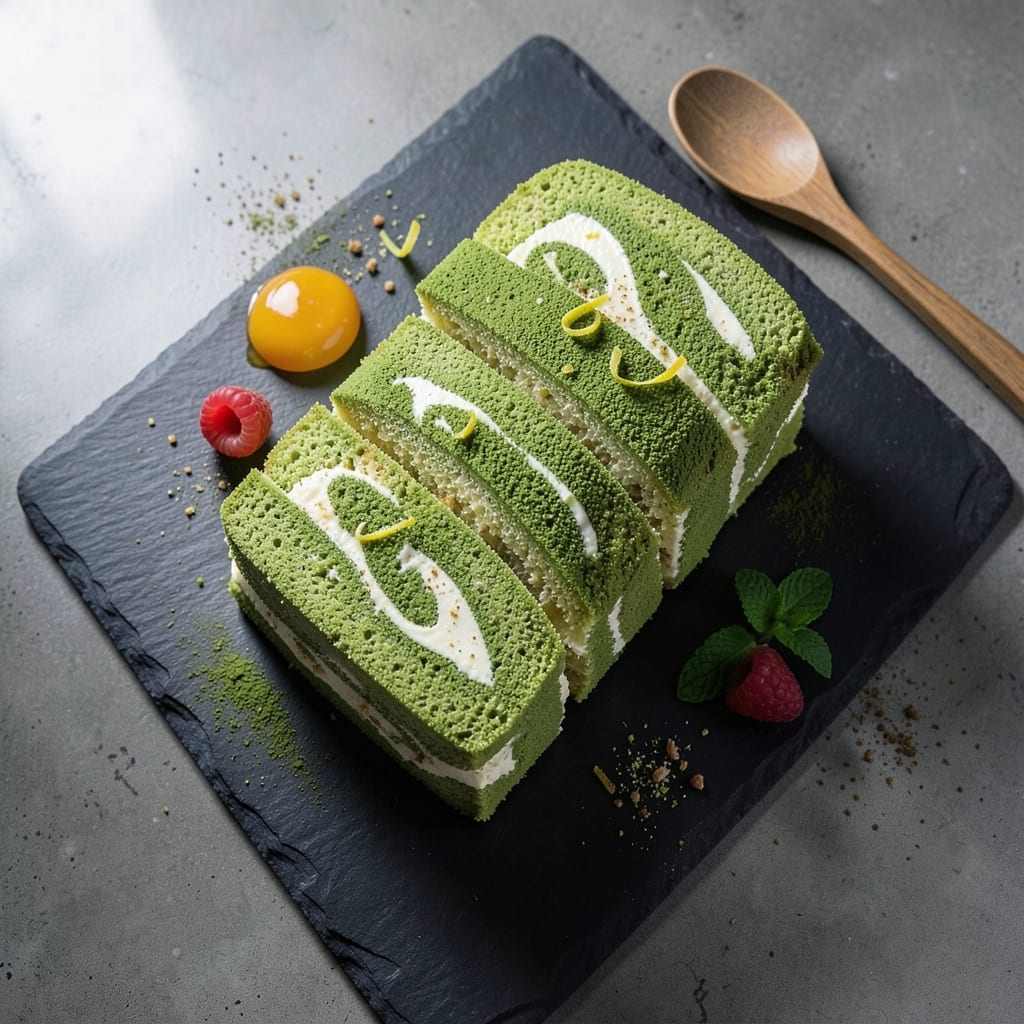
This Asian Swiss roll cake recipe transforms delicate matcha sponge into a showstopping dessert with vibrant red bean paste and silky custard swirls. The key lies in baking a thin, tender sponge that rolls effortlessly—no cracks, no tears—while the fillings stay perfectly balanced between sweet and creamy. I perfected this version after testing dozens of techniques, ensuring the matcha flavor shines without overpowering the traditional red bean essence.
The process begins with a light-as-air matcha sponge, baked to just the right doneness for rolling. While still warm, we spread layers of smooth red bean paste and vanilla custard, then roll it tightly for clean slices every time. This isn’t your average Swiss roll—it’s a fusion of Japanese precision and Southeast Asian sweetness, with a texture that’s both elegant and comforting.
What makes this recipe truly special is the no-fuss rolling technique, which guarantees professional-looking results even for beginners. The matcha-infused sponge stays moist, the red bean paste adds a subtle earthy sweetness, and the custard layer ties everything together with velvety richness. Each bite delivers that perfect harmony of flavors and textures.
Serve chilled with a dusting of powdered sugar or fresh berries for an extra touch of elegance. This cake is perfect for celebrations, tea-time treats, or when you want to impress without spending hours in the kitchen. Let’s create something truly memorable—one roll at a time.
Ingredients for asian swiss roll cake
Matcha powder, red bean paste, and velvety custard—these are the stars of this elegant Asian Swiss roll.
| Ingredient | Amount | Notes |
|---|---|---|
| All-Purpose Flour 🌾 | 2 ½ cups | Sifted for light texture |
| Granulated Sugar 🍚 | 1 ½ cups | White or light brown |
| Matcha Green Tea Powder 🍵 | 2 tbsp | Ceremonial grade preferred |
| Unsalted Butter 🧈 | 1 cup | Room temperature, full-fat |
| Large Eggs 🥚 | 4 whole | Room temperature |
| Vanilla Extract 🌿 | 1 tbsp | Pure, high-quality preferred |
| Baking Powder 🧂 | 1 tsp | Aluminum-free recommended |
| Salt 🧂 | ¼ tsp | Fine sea salt |
| Red Bean Paste (Anko) 🍫 | 1 ½ cups | Smooth, store-bought or homemade |
| Heavy Cream 🥛 | 1 ½ cups | Cold, full-fat preferred |
| Granulated Sugar 🍚 | ½ cup | For custard layer |
| Cornstarch 🌾 | 2 tbsp | For thickening custard |
| Powdered Sugar 🍚 | 1 cup | For dusting |
| Fresh Strawberries 🍓 | 1 lb | Sliced for garnish |
The matcha makes all the difference—ceremonial grade from Marukyu Koyamaen or Ippodo delivers that vibrant, earthy flavor without bitterness. If you can't find it, culinary-grade works too, but taste first. The red bean paste? Smooth anko is key—chunky versions won't spread evenly. I grab mine at Asian grocery stores or make a batch ahead. For the custard, heavy cream is non-negotiable—light cream makes it watery. The butter? European-style melts beautifully, but regular unsalted works too.
No matcha? Instant espresso powder at half the amount gives a similar depth (though not the same flavor). Short on red bean paste? Sweetened mashed sweet potatoes work in a pinch—just add a pinch of cinnamon. The custard can be made ahead and stored in the fridge for up to 3 days, so don't stress if you're baking the sponge fresh. For the sponge, room-temperature eggs and butter are critical—cold ingredients cause cracks. If your kitchen's chilly, let them sit out for 30 minutes before mixing.
The sponge keeps best in an airtight container for 2 days, but the fillings are what really shine when made fresh. Wrap the rolled cake tightly in plastic wrap, then foil, and chill for at least 4 hours before slicing—this helps set the layers. For serving, dust with powdered sugar right before cutting to keep it looking pristine. The strawberries? Macintosh or Fujis hold up best—avoid those that turn mushy. Leftovers? They keep for 3 days in the fridge, but honestly, this cake disappears fast.
Why You'll Love This Recipe
- No Fuss Rolling: I swear, the buttercream filling is so forgiving—even if my first attempt looked like a wonky burrito, it still tasted amazing. The secret’s in the lightly dusted flour on the rolling surface; no sticking, no stress.
- Earthy Matcha Magic: That first bite of vibrant green tea? It’s like a cozy hug for your taste buds. The matcha cuts through the sweetness just enough—plus, the eggs keep it rich without being heavy.
- Party-Ready in Minutes: Slice it, stack it, or serve it whole—this cake disappears at gatherings. Honestly, I’ve used it for birthdays, book club meetings, and even as a "I’m not cooking tonight" dinner. Just add fruit or whipped cream.
- Budget-Friendly Luxury: Five simple ingredients, zero specialty tools. The butter and eggs make it feel indulgent, but the flour and sugar keep costs low. And leftovers? They last days—if they survive that long.
Step-by-step instructions for matcha and red bean Swiss roll cake
Here's how to create this elegant, layered cake with perfect texture and flawless swirl.
Prepare the Matcha Cake Batter
Preheat your oven to 350°F and line a 10x15-inch jelly roll pan with parchment paper, leaving an overhang on the long sides. In a medium bowl, whisk together the 2.5 cups all-purpose flour, 1.5 cups granulated sugar, 2 tbsp matcha green tea powder, 1 tsp baking powder, and 0.25 tsp salt. Sift the dry ingredients directly into the bowl to avoid clumps.
In a separate large bowl, beat the 1 cup unsalted butter (at room temperature) and the 4 whole large eggs on medium speed until light and fluffy, about 3-4 minutes. Gradually add the dry ingredients to the butter-egg mixture, mixing on low speed just until combined. Scrape down the sides of the bowl as needed. Finally, stir in the 1 tbsp vanilla extract until just incorporated.
Pour the batter into the prepared pan and smooth the top with an offset spatula. Bake for 12-15 minutes until the top springs back when gently touched and a toothpick inserted in the center comes out clean. Immediately remove from the oven and place a clean kitchen towel on top of the cake. Flip the pan onto the towel and carefully peel off the parchment paper.
Spread the Red Bean Paste Filling
While the cake is still warm, gently spread the 1.5 cups red bean paste (anko) evenly over the surface using an offset spatula. Start from the center and work your way out to the edges, leaving about a ½-inch border uncovered. The warmth of the cake will help the filling adhere better and create a smooth layer.
Here's the thing—don't rush this step. You want the filling to be spread evenly so the cake rolls up cleanly. If you see any gaps or uneven areas, gently press down with the spatula to smooth them out. Once spread, let the cake cool completely on a wire rack for at least 1 hour before attempting to roll it.
Prepare the Vanilla Custard Filling
In a medium saucepan, combine the 1.5 cups heavy cream, 0.5 cup granulated sugar, and 2 tbsp cornstarch. Whisk over medium heat until the mixture thickens and begins to bubble, about 5-7 minutes. Remove from heat and let it cool to room temperature, stirring occasionally to prevent a skin from forming.
Once cooled, transfer the custard to a mixing bowl and let it sit for another 10 minutes to thicken further. The custard should coat the back of a spoon but still be pourable. If it thickens too much, whisk in 1-2 tablespoons of milk or cream to reach the right consistency. This custard will be the creamy contrast to the earthy matcha and sweet red bean filling.
Roll and Assemble the Swiss Roll
After the cake has cooled completely, gently roll it up starting from the long side, using the overhang of the towel to help guide it. The red bean paste should be on the inside of the roll. Once rolled, place the cake seam-side down on a serving platter. Spread the cooled vanilla custard evenly over the top and sides of the cake using an offset spatula.
Let the custard set for 30 minutes in the refrigerator. This allows the custard to firm up slightly, making it easier to slice and serve. Before serving, dust the top and sides of the cake generously with 1 cup powdered sugar using a fine-mesh sieve. This creates that beautiful, snowy finish that makes the cake look even more elegant.
Garnish and Serve
Slice the cake into 8 equal pieces using a sharp, long serrated knife. Dip the knife in hot water and wipe it dry between each slice to ensure clean cuts. Arrange the slices on a serving platter and garnish with the sliced 1 lb fresh strawberries, fanning them out around the base of the cake for a pop of color and freshness.
Serve immediately while the cake is at its best texture—soft yet slightly firm, with that perfect balance of matcha bitterness, sweet red bean filling, and creamy vanilla custard. Each bite should deliver layers of flavor and texture that make this cake truly special. Enjoy with a cup of freshly brewed matcha tea for the full experience!
Pro Tips For Making Asian Swiss Roll Cake
- Chill the Matcha Paste: I learned this the hard way—whisking matcha into warm butter makes it clump like a stubborn glue. Mix the powder with a splash of cold water first, then fold it into softened butter. The paste will be silky, not gritty, and your cake won’t taste like you’re eating a science experiment.
- Bake Until Springy: The cake’s done when it pulls away from the pan edges but still has a slight give in the center. Overbaking turns it dense and dry—trust your fingers, not the recipe’s time. If the top cracks, it’s still fine; just don’t let it turn golden-brown.
- Use Room-Temp Eggs: Cold eggs make the batter lumpy, and nobody wants a matcha Swiss roll with texture issues. Take the eggs out 30 minutes before mixing—yes, even if you’re impatient like me. The batter will be smoother, and the cake will roll cleaner.
- Brush with Syrup Before Rolling: This isn’t just for looks. Lightly coat the cake with a simple sugar syrup (equal parts sugar and water, heated until dissolved) before rolling. It keeps the layers from sticking together like glue and adds a subtle sweetness that balances the matcha bitterness.
Common mistakes when making your asian swiss roll cake
Overbaking the Sponge
One of the biggest mistakes is baking the matcha sponge too long, which turns it dry and crumbly instead of tender. The goal is a cake that springs back when touched but still feels slightly soft—12-15 minutes at 350°F is perfect. I’ve seen beginners leave it in until the edges look golden, but that’s a fast track to disaster. Use a toothpick test instead: it should come out with a few moist crumbs, not completely clean. 🌾
Skipping the Cooling Step
Rushing to roll the cake while it’s still warm is a recipe for tears and cracks. The red bean paste needs time to set slightly so it doesn’t ooze out when you roll. Let the cake cool completely on a wire rack for at least 1 hour—this patience ensures clean slices later. I’ve learned the hard way that skipping this step leads to a messy, uneven roll that looks more like a failed art project than a dessert. ⏰
Uneven Filling Spread
Unevenly spread red bean paste is a common issue that makes rolling nearly impossible. Always leave a ½-inch border around the edges and spread from the center outward. If you see gaps, gently press the filling down with an offset spatula. I’ve fixed this mistake by using a bench scraper to create straight edges before spreading, which gives a more professional finish. 🍫
Using Cold Ingredients
Cold butter or eggs can cause the sponge to develop cracks or sink in the middle. Always let your butter and eggs sit at room temperature for at least 30 minutes before mixing. I keep a small bowl of warm water nearby to speed up the process if my kitchen runs cold. This small step makes a huge difference in texture—trust me, your cake will thank you. 🧈
Not Chilling Before Slicing
Cutting into the cake too soon after rolling means the custard will ooze out and the layers will fall apart. Let the cake rest in the fridge for at least 4 hours (overnight is even better) before slicing. This gives the fillings time to set and the layers to hold together. I’ve seen people serve it immediately, only to have it collapse dramatically—don’t be that person! ❄️
Overmixing the Batter
Mixing the batter too vigorously incorporates too much air, which can cause the cake to deflate or develop tunnels. Once the dry ingredients are combined, mix just until no flour streaks remain—about 10-15 strokes. Overmixing is a sneaky culprit behind dense, tough sponge. I’ve started using a gentle hand with a spatula instead of the mixer for this step, and the difference is noticeable. 💫
Nutrition facts
Frequently asked questions about Asian Swiss roll cake
Can I make this cake without matcha powder?
Replace the 2 tbsp matcha with 1 tbsp instant espresso powder for a similar earthy depth, or use 1 tbsp vanilla extract for a neutral flavor. For a fruit twist, try 1 tbsp freeze-dried raspberry powder (blended) or ½ tsp cinnamon for warmth. The key is adjusting the flavor to balance the sweet red bean filling.
How do I prevent the cake from cracking when rolling?
Roll the cake while it's completely cool (not warm) and use a clean kitchen towel to help guide it. Leave a ½-inch border of uncovered sponge to prevent filling from oozing out. If cracks appear, gently press them closed with your fingers before rolling. For extra insurance, chill the rolled cake for 30 minutes before adding custard.
What's the best way to store leftover cake?
Wrap the entire cake tightly in plastic wrap, then foil, and refrigerate for up to 3 days. For longer storage (up to 1 week), freeze the rolled cake (unfilled) before adding fillings. Thaw overnight in the fridge before assembling. Keep slices in an airtight container with parchment paper between layers to maintain moisture.
Can I substitute red bean paste with something else?
Yes! Try sweetened mashed sweet potato (mix with 1 tbsp honey), chocolate ganache (cooled), or lychee jam for a fruity twist. For a tropical version, use mango puree mixed with gelatin to thicken. Adjust sweetness to match your preference—red bean paste is naturally less sweet than many alternatives.
How do I make this cake gluten-free?
Replace the all-purpose flour with a 1:1 gluten-free baking flour blend (like Bob's Red Mill) plus ½ tsp xanthan gum. For the custard, use cornstarch or arrowroot powder instead of flour. Chill the batter for 20 minutes before baking to improve texture. Expect a slightly denser result—gluten-free Swiss rolls require extra care in rolling to prevent tears.