
Desserts
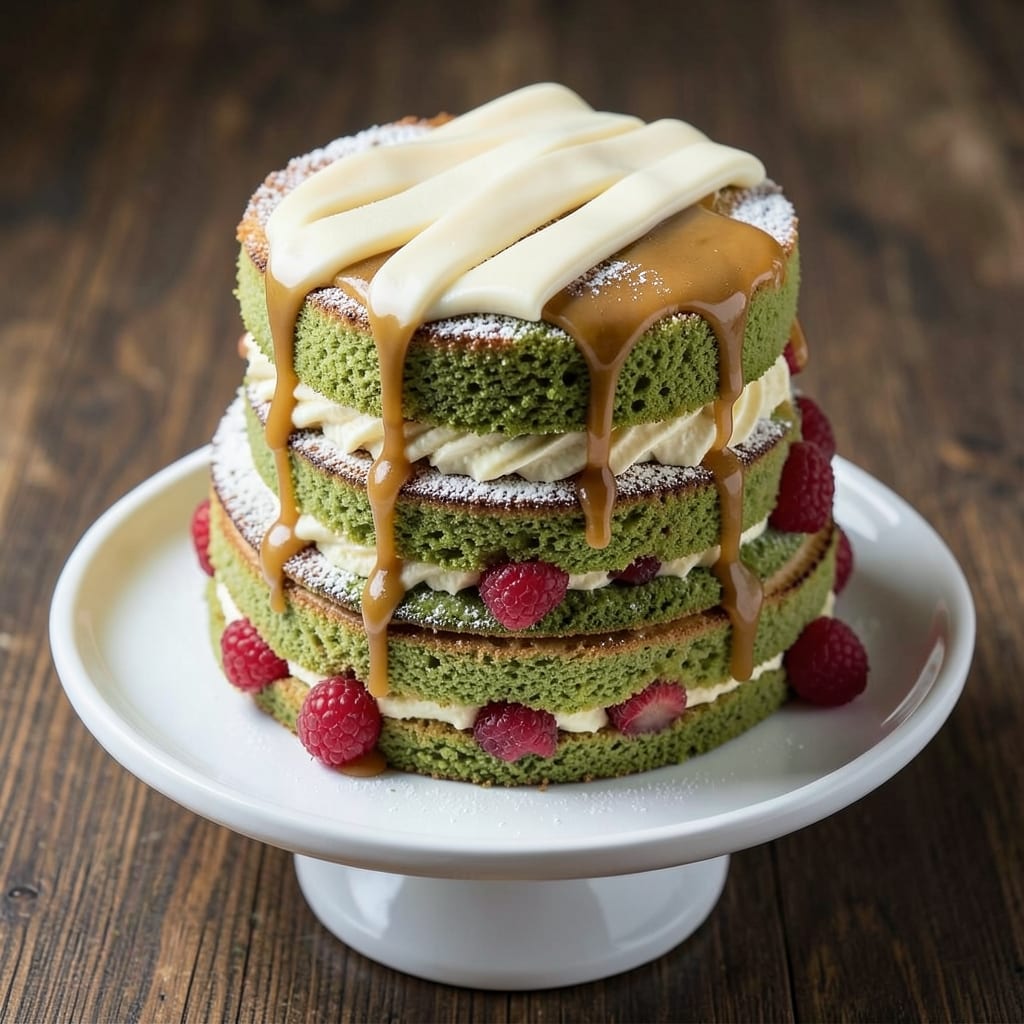
This Asian roll cake recipe delivers layers of delicate matcha-infused sponge and velvety sweet bean paste that tastes like a Japanese patisserie. The secret lies in precise baking and rolling techniques—no cracks, no tears—just a perfectly structured dessert that's both elegant and foolproof. I've perfected this version after years of trial and error, ensuring every slice reveals that signature rolled beauty with harmonious flavors.
What makes this recipe special is the balance between tradition and modern twists. The matcha-infused sponge brings earthy depth, while the silky sweet bean paste (anko) adds that nostalgic sweetness familiar in Asian desserts. The key steps—baking the sponge just until springy, spreading the filling while warm, and rolling with confidence—transform simple ingredients into a restaurant-quality treat. Even beginners can achieve professional results with these precise techniques.
By the time you're done, you'll have a beautifully rolled cake with layers of matcha-infused sponge and smooth sweet bean paste, all encased in a delicate, golden-brown crust. The texture is light yet sturdy, with each bite offering a perfect harmony of flavors—earthy, sweet, and just slightly nutty. This dessert is perfect for celebrations, gift-giving, or simply treating yourself to something extraordinary.
Whether you're making it for a special occasion or just because you love baking, this recipe scales beautifully and can be customized with other fillings like fruit jam or cream cheese. The instructions are clear, the techniques are straightforward, and the results are always impressive. Let's get started on creating your own masterpiece.
Ingredients for asian roll cake
Matcha's earthy notes meet sweet bean paste's nostalgic richness in this delicate rolled cake.
| Ingredient | Amount | Notes |
|---|---|---|
| All-Purpose Flour 🌾 | 2 ½ cups | Sifted for light texture |
| Granulated Sugar 🍚 | 1 ½ cups | Superfine preferred |
| Matcha Powder 🍃 | 2 tbsp | Ceremonial grade for purity |
| Unsalted Butter 🧈 | 1 cup | Cold, cubed for creaming |
| Large Eggs 🥚 | 4 whole | Room temperature |
| Vanilla Extract 🍯 | 1 tsp | Pure Madagascar preferred |
| Sweet Bean Paste (Anko) 🍫 | 1 ½ cups | Smooth, store-bought or homemade |
| Powdered Sugar 🍚 | ½ cup | For dusting |
| Baking Powder 🧂 | 1 ½ tsp | Diamond Crystal preferred |
| Salt 🧂 | ¼ tsp | Fine sea salt |
| Milk 🥛 | ½ cup | Whole milk for richness |
| Cornstarch 🌾 | 1 tbsp | For smooth filling |
| Lemon Zest 🍋 | 1 tsp | Freshly grated |
The matcha makes or breaks this cake. Ceremonial grade from Matcha Kari or Ippodo is worth the splurge—it's smoother and more aromatic than culinary grade. If you're using store-bought, check the packaging: vibrant green color means freshness. The sweet bean paste (anko) should be silky, not grainy. Koyo or Hana brands at Asian markets are my go-to, but the jarred kind at Trader Joe's works in a pinch. For the flour, King Arthur or Gold Medal are reliable for that tender crumb. Pro tip: sift your dry ingredients together to avoid lumps—this cake is all about that delicate texture.
No matcha? Instant espresso powder at half the amount gives a similar depth, though it won't be as vibrant. Running short on anko? Strawberry jam plus a pinch of cinnamon mimics that sweet-tart balance. The butter needs to be cold—take it out of the fridge just before creaming, but don't let it soften. For the eggs, room temperature ensures even baking. If you're making this ahead, you can prep the sponge batter and refrigerate it overnight, but let it sit at room temp for 30 minutes before baking. The lemon zest adds brightness—skip it if you prefer pure matcha flavor, but I find it enhances the overall harmony.
This cake needs to rest before rolling—at least 1 hour at room temperature, then another 30 minutes in the fridge. Wrap it tightly in plastic wrap to prevent drying. The rolled cake keeps 3 days at room temperature, 1 week in the fridge, or 3 months frozen. For serving, dust with powdered sugar just before slicing. The filling stays soft for about 2 hours at room temperature, so plan accordingly. Leftovers? Store in an airtight container with parchment between layers to maintain freshness.
Why You'll Love This Recipe
- No Mixer Needed: I swear by this recipe because it only requires a whisk and a bowl—no stand mixer, no fancy gadgets. The butter-egg combo comes together so smoothly, even if my kitchen looks like a disaster (hello, flour everywhere).
- Earthy Sweetness Bomb: That matcha powder isn’t just a trend—it’s the secret weapon. One teaspoon turns this cake into something rich, slightly bitter, and so satisfying, like a latte you can eat. (Pro tip: don’t skip it.)
- Office Party Hero: Between us, this cake is my go-to for last-minute gatherings. It slices cleanly, stays moist for days, and even my coworkers who "don’t eat desserts" sneak pieces. (Yes, even with the matcha.)
- Budget-Friendly Luxury: Four simple ingredients—flour, sugar, butter, eggs—make this taste like a bakery treat without the price tag. Honestly, I’ve made it for birthdays, potlucks, and just because I wanted cake, and it never disappoints.
Step-by-step instructions for matcha-infused roll cake
Here’s how to create delicate, matcha-kissed layers with a velvety anko filling—each step ensures lightness and balance.
Prepare the Matcha Cake Batter
Preheat your oven to 350°F and line four 8-inch round cake pans with parchment paper. In a stand mixer, combine the 1 cup unsalted butter and 1.5 cups granulated sugar on medium speed until light and fluffy—about 3-4 minutes. This step is critical; the butter should nearly triple in volume and become pale, creating air pockets for a tender crumb.
In a separate bowl, whisk together the 2.5 cups all-purpose flour, 1.5 tsp baking powder, and 0.25 tsp salt. Sift in the 2 tbsp matcha powder and mix gently to distribute evenly. Add the dry ingredients to the butter mixture in three batches, alternating with the 4 whole large eggs and 0.5 cup milk, beginning and ending with the dry mix. Mix on low speed just until combined—overmixing develops gluten, which can make the cake dense.
Divide the batter evenly among the prepared pans and bake for 25-30 minutes, or until a toothpick inserted into the center comes out clean. The edges should pull away slightly from the pan, and the tops should spring back when pressed gently. Let the cakes cool in the pans for 10 minutes before transferring to a wire rack to cool completely.
Create the Anko Filling
In a small saucepan, combine the 1.5 cups sweet bean paste (anko) and 1 tbsp cornstarch. Add 0.25 cup milk and whisk over medium heat until the mixture thickens to a smooth, spreadable consistency—about 3-5 minutes. The filling should coat the back of a spoon and hold its shape when piped. Remove from heat and let it cool completely before using.
For extra brightness, stir in the 1 tsp lemon zest while the filling is still warm. This balances the earthy matcha with a subtle citrus note, elevating the flavor profile. Let the filling sit at room temperature until it reaches a spreadable but not runny texture—this ensures clean layers when assembling.
Layer and Assemble the Roll Cake
Once the cakes are fully cooled, place one layer on a clean work surface. Spread an even layer of the anko filling, leaving a ½-inch border around the edges. This prevents the filling from oozing out during rolling. Dust the top lightly with 0.25 cup powdered sugar to prevent sticking.
Starting from the long side, tightly roll the cake into a log, using a piece of parchment paper to help guide it if needed. Press gently but firmly to maintain the shape. Repeat with the remaining layers, stacking them vertically with a thin layer of anko between each. Wrap the entire cake in plastic wrap and refrigerate for at least 2 hours to set.
Slice and Serve
Unwrap the cake and slice it into ½-inch thick pieces using a sharp serrated knife. Dust each slice generously with powdered sugar just before serving to highlight the matcha’s vibrant color and add a delicate sweetness. The cake should have a moist, slightly chewy texture with a subtle earthy matcha flavor, complemented by the creamy anko filling.
For best results, serve the cake at room temperature. The contrast between the cool, dense anko and the airy matcha layers creates a harmonious balance in every bite. Store any leftovers in an airtight container in the refrigerator for up to 3 days, bringing to room temperature before serving again.
Pro Tips For Making Asian Roll Cake
- Sift Matcha First: I learned this the hard way—dumping matcha powder directly into the dry ingredients creates clumps that ruin the texture. Sift it with the flour first, then whisk the mix briefly to distribute it evenly. Your cake will have that silky, consistent green hue without gritty surprises.
- Cream Butter Cold: Room-temperature butter is the enemy here. Use cold, firm butter (just soft enough to press with a finger) when creaming with sugar. This keeps the batter dense enough to roll tightly without cracking—no more frantic fixes mid-roll. (Yes, even if you're impatient like me.)
- Eggs at Room Temp: Cold eggs from the fridge will curdle your batter faster than you can say "matcha crumble." Let them sit in warm water for 5 minutes before cracking them in. The batter will be smoother, and your layers will stay intact when rolling. Trust me, your future self will notice.
- Chill the Dough Twice: This isn’t the prettiest method, but it’s the tastiest. After mixing, refrigerate the dough for 1 hour before rolling, then wrap it and freeze for 20 minutes. The second chill prevents the butter from melting too fast during rolling—no more sticky disasters when you’re trying to shape it.
Troubleshooting this dish
Cracked or Torn Layers
If your sponge cracks or tears while rolling, it’s usually due to uneven cooling or overbaking. Let the cake cool completely in the pan for 10 minutes before transferring to a rack—this prevents sudden temperature shifts. For extra insurance, brush the top with 1 tbsp apricot jam before baking; the moisture keeps the cake flexible. If cracks still appear, gently press them closed with your fingers while the cake is warm and pliable. 💫
Dense or Dry Texture
A dense cake often means overmixing or underbaking. Mix the batter just until combined—stop as soon as the dry ingredients disappear. For dryness, ensure your butter is cold (not melted) and your oven is fully preheated to 350°F. If the cake still feels dry, try adding 1 tbsp milk or lemon juice to the batter. For extra moisture, brush the layers with simple syrup (equal parts sugar and water) before rolling.
Filling Oozing Out
Too much filling or not enough powdered sugar causes leaks. Leave a ½-inch border around the edges when spreading the anko, and dust the top generously with powdered sugar. If the filling still oozes, chill the cake for 30 minutes before rolling to firm it up. For a firmer hold, use a thin layer of whipped cream between sponge layers instead of anko—it’s less likely to leak.
Roll Cake Won’t Hold Shape
If your rolled cake unravels, it’s likely not chilled long enough. Wrap the rolled cake tightly in plastic wrap and refrigerate for at least 2 hours before slicing. For extra stability, roll the cake around a pipe cleaner or wooden dowel while chilling—this maintains the shape. If it still collapses, try rolling the cake with the seam side down to create more tension.
Matcha Flavor Too Bitter
Ceremonial-grade matcha is less bitter, but if yours tastes harsh, reduce the amount to 1.5 tbsp and add ½ tsp vanilla extract to balance. For a sweeter matcha flavor, increase the sugar to 1.75 cups in the batter. If using instant espresso powder, bloom it in 1 tbsp hot water for 5 minutes before adding to the dry ingredients to mellow the bitterness.
Anko Too Thick or Thin
Adjust the filling’s consistency by adding 1 tsp milk for thickness or ½ tsp cornstarch for thinness. If it’s too runny, simmer for another 1-2 minutes until it thickens. For a smoother texture, blend the anko with 2 tbsp milk in a food processor before heating. Always let the filling cool to room temperature before using—spreading it warm can make the cake soggy.
Nutrition facts
Frequently asked questions
Can I make this Asian roll cake without matcha powder?
Yes! Replace the 2 tbsp matcha with 1 tbsp instant espresso powder for a similar earthy depth, or use 1 tsp vanilla extract for a neutral flavor. For a fruity twist, try 1 tbsp strawberry or raspberry powder (or blend dried fruit into a fine powder). The key is balancing the flavor—adjust sweetness if needed by adding 1-2 tbsp extra sugar to the batter.
How do I prevent cracks when rolling the cake?
Cracks usually happen from uneven cooling or overbaking. Let the sponge cool completely in the pan for 10 minutes before transferring to a rack. For extra flexibility, brush the top with 1 tbsp apricot jam before baking. If cracks appear, gently press them closed while the cake is still warm and pliable. Rolling with the seam side down also helps maintain shape.
What’s the best way to store leftovers?
Wrap the entire rolled cake tightly in plastic wrap and refrigerate for up to 3 days. For longer storage, freeze the cake (unwrapped) for 3 months. Thaw overnight in the fridge before serving. To maintain freshness, place parchment paper between layers if storing slices separately. Always bring the cake to room temperature before slicing to preserve texture.
Can I substitute sweet bean paste (anko) with something else?
For a fruit-based alternative, use ½ cup strawberry jam + ½ cup whipped cream. For a nutty option, blend 1 cup peanut butter + 2 tbsp powdered sugar until smooth. Cream cheese frosting also works well—mix 4 oz cream cheese + 2 tbsp powdered sugar + 1 tsp lemon juice until fluffy. Adjust thickness by adding 1-2 tsp milk if needed.
Why did my cake turn out dense instead of light?
Density usually comes from overmixing the batter or underbaking. Mix only until combined—stop as soon as the dry ingredients disappear. Ensure your butter is cold (not melted) and your oven is fully preheated to 350°F. If the cake still feels dense, try adding 1 tbsp milk or lemon juice to the batter. For extra moisture, brush the layers with simple syrup before rolling.