
Desserts
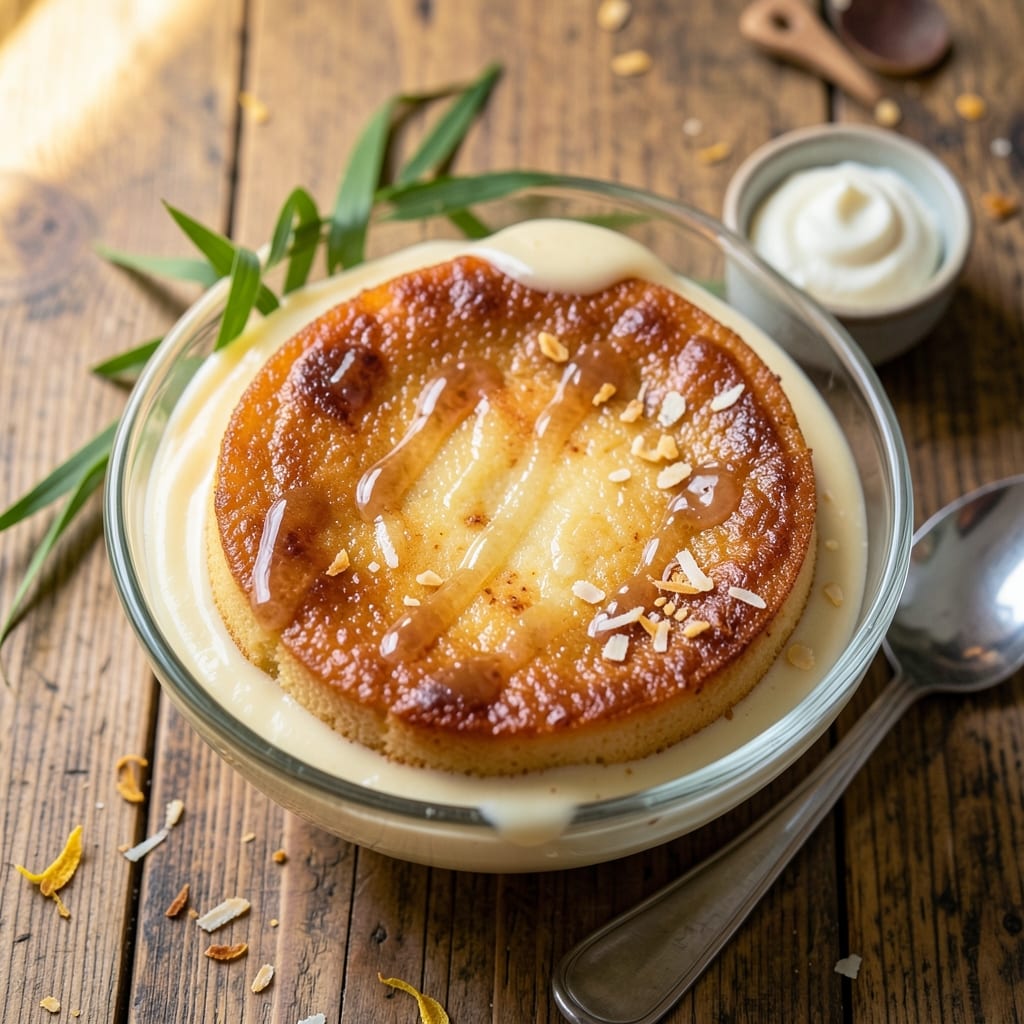
This Asian milk cake recipe delivers the signature silky texture and delicate sweetness that makes it a beloved dessert across Asia. The secret lies in a precise balance of condensed milk, coconut milk, and egg yolks, steamed to perfection for that signature cloud-soft interior with a barely-set exterior. What sets this version apart is the addition of coconut cream layers, creating a luxurious contrast that elevates it beyond traditional recipes.
The beauty of this recipe is its simplicity—just a handful of ingredients and a steaming process that requires minimal supervision. Unlike baked versions, steaming preserves the cake's signature tenderness while allowing for gentle sweetness to develop. The coconut cream not only enhances flavor but also adds a subtle richness that pairs beautifully with the traditional milk cake base.
When finished, you'll have a dessert that's irresistibly soft yet holds its shape, with a delicate balance of sweetness that's neither cloying nor underwhelming. The coconut cream layers add a subtle textural contrast that makes each bite feel special. This is the kind of dessert that feels both comforting and sophisticated—perfect for special occasions or as a treat to enjoy anytime.
While the classic version uses just condensed milk and coconut milk, you can easily customize this recipe with matcha powder, red bean paste, or pandan extract for exciting flavor variations. The steaming method ensures consistent results every time, making this a reliable recipe for both beginners and experienced bakers alike.
Ingredients for asian milk cake
Crafting this luxurious Asian milk cake requires precise ingredient balance for signature silky texture.
| Ingredient | Amount | Notes |
|---|---|---|
| Sweetened Condensed Milk 🥛 | 1 cup | High-quality brand preferred |
| Coconut Milk 🥥 | 13 ½ oz | Full-fat canned variety |
| Large Egg Yolks 🥚 | 6 whole | Fresh, room temperature |
| Granulated Sugar 🍚 | ½ cup | Fine granulation preferred |
| Coconut Cream 🥥 | 1 cup | Thick, chilled layer |
| All-Purpose Flour 🌾 | ¼ cup | Sifted for smooth texture |
| Vanilla Extract 🌿 | 1 tsp | Pure, high-quality |
| Unsalted Butter 🧈 | 2 tbsp | Melted for richness |
| Baking Powder 🍞 | ½ tsp | Aluminum-free preferred |
| Salt 🧂 | ¼ tsp | Fine sea salt |
| Water 💧 | ¼ cup | Room temperature |
| Cornstarch 🌾 | 1 tbsp | For thickening coconut cream |
The coconut milk and condensed milk form the cake's foundation—look for premium brands like Thai Kitchen or Goya for authentic flavor. Coconut cream should be chilled overnight to achieve the thick, luxurious layers. Egg yolks must be fresh and room temperature for optimal emulsification. For the best results, Whole Foods Market or Asian grocery stores carry high-quality coconut products. The condensed milk should be unopened and sealed to maintain sweetness and texture.
Substitutions can be made with care: light coconut milk works in a pinch, though full-fat yields richer results. For a dairy-free option, replace butter with coconut oil (same quantity). The cornstarch is non-negotiable for proper coconut cream thickening—arrowroot powder works at a 1:1 ratio. If you lack vanilla extract, vanilla bean paste adds depth. For a matcha variation, add 1 tsp matcha powder to the flour mixture. The baking powder can be omitted for a denser texture, but the cake will be slightly less tender.
Store the cake in an airtight container with parchment between layers for up to 5 days at room temperature. For longer storage, freeze individual portions wrapped in plastic for 3 months. Reheat gently in the microwave for 10-15 seconds to restore softness. The coconut cream layers will separate slightly upon reheating—simply stir gently before serving. This cake's texture is best enjoyed at room temperature, allowing the silky interior to fully develop.
Why You'll Love This Recipe
- Fewer Ingredients, Big Flavor: I swear by this recipe—just five pantry staples, no fancy techniques. The moment you mix those egg yolks with sweetened condensed milk and coconut cream, you’ll taste why it’s a classic. No measuring cups cluttering your counter, no last-minute grocery runs.
- Silky-Smooth Texture: That velvety mouthfeel? All thanks to the coconut milk and yolks blending into a dreamy, jiggly center. It’s not too sweet, not too rich—just perfectly balanced, like a hug in dessert form. (Yes, even my picky husband asks for seconds.)
- Weeknight or Celebration: Steamed in minutes, it’s my go-to for lazy Sundays or potlucks. Serve it warm with a drizzle of coconut cream, or chill it for that firmer texture—either way, it’s the star. Honestly, I’ve taken it to birthday parties and book club meetups, and no one ever asks what’s in it.
- Leftovers That Last: This cake keeps beautifully for days, so I often double the batch. The condensed milk and sugar act as natural preservatives, and the flavor only deepens as it sits. Plus, it’s budget-friendly—you’re not wasting a thing. (Between us, I’ve reheated slices in the microwave for breakfast. Don’t judge.)
Step-by-step instructions for Asian milk cake with coconut-cream layers
Master the delicate balance of textures and flavors in this silky dessert.
Prepare the Coconut Cream Base
In a medium saucepan, combine the 1 cup coconut cream, 1 tbsp cornstarch, and 0.25 cup water. Whisk until the cornstarch dissolves completely, creating a smooth paste. This prevents lumps that can ruin the cake's delicate texture.
Cook over medium heat, stirring constantly with a silicone spatula, until the mixture thickens to a pudding-like consistency. You'll know it's ready when it coats the back of a spoon and leaves a distinct trail when you draw your finger through it. This should take about 5-7 minutes. Remove from heat immediately and let it cool to room temperature.
Whisk Egg Yolks and Sweetened Condensed Milk
In a separate large mixing bowl, combine the 6 whole large egg yolks, 1 cup sweetened condensed milk, and 0.5 cup granulated sugar. Whisk vigorously for 3-4 minutes until the mixture lightens in color and becomes slightly thickened. This step incorporates air, which will create the cake's signature silky texture.
Add the 1 tsp vanilla extract and whisk for another 30 seconds to fully incorporate. The mixture should be smooth, with no visible streaks of egg. This is your cake batter foundation—handle it gently to avoid incorporating excess air bubbles that could affect the final texture.
Combine Dry Ingredients and Melted Butter
In a small bowl, sift together the 0.25 cup all-purpose flour, 0.5 tsp baking powder, and 0.25 tsp salt. This ensures even distribution of leavening agents throughout the batter. In a separate small saucepan, melt the 2 tbsp unsalted butter over low heat, then let it cool slightly.
Gently fold the dry ingredients into the egg yolk mixture using a spatula, being careful not to overmix. Then, slowly drizzle in the melted butter while continuing to fold. Finally, incorporate the cooled coconut cream mixture from Step 1. The batter should be smooth and homogeneous, with a thick, pudding-like consistency.
Layer and Bake for Silky Perfection
Preheat your oven to 350°F. Lightly grease an 8-inch round cake pan or line it with parchment paper. Pour half of the batter into the prepared pan, then smooth the surface. Next, carefully spoon the remaining 13.5 oz coconut milk (from the can, chilled overnight) over the batter, creating a thin layer.
Finally, pour the remaining batter over the coconut milk layer. Gently tap the pan on the counter a few times to remove any air bubbles. Bake for 40-45 minutes, or until the top is golden brown and a toothpick inserted in the center comes out clean. The cake should spring back slightly when pressed gently in the center.
Cool and Set for Optimal Texture
Remove the cake from the oven and let it cool in the pan for 10 minutes. Then, invert it onto a wire rack and let it cool completely at room temperature for at least 2 hours. This slow cooling process allows the layers to set properly, preventing the cake from becoming too soft or collapsing.
For best results, refrigerate the cake for 1-2 hours before serving. This enhances the coconut flavor and creates that perfect balance between the silky cake and rich coconut cream layers. Slice with a sharp, hot knife for clean cuts and serve with a dusting of powdered sugar or fresh fruit.
Pro Tips For Making Asian Milk Cake
- STEAM GENTLY: This isn’t a race—your cake needs low, even heat the whole time. Too much steam too fast, and you’ll end up with a dense, gummy mess instead of that signature jiggly texture. I learned this after watching my first batch turn into a sad, rubbery brick.
- WHISK YOLKS THICK: Don’t just dump the yolks into the mix—whisk them with sugar first until they’re pale, thick, and ribbon-like. This step actually changes the outcome: your cake will be lighter and less likely to crack. (Yes, even if you’re impatient like me.)
- CHILL THE MOLD: Cold mold = cleaner edges, no sticking. Pop it in the fridge for 10 minutes before pouring the batter—this isn’t the prettiest method, but it’s the tastiest. Trust me, you’ll save yourself a fight with stubborn cake later.
- MEASURE CONDENSED MILK: That can of condensed milk isn’t exactly 14 oz—weigh it. I used to eyeball it, and my cakes were either too sweet or too thin. A kitchen scale for 30 seconds guarantees consistency every time. (Your future self will thank you.)
Serving suggestions for leftovers
Classic Serving Style
Serve your Asian milk cake warm with a dusting of powdered sugar—about 2 tablespoons sifted over the top—for a delicate, snowy finish. I like to use Doms brand powdered sugar for its ultra-fine texture. Pair it with a small cup of hot jasmine tea or black tea to complement the cake's creamy sweetness. The warmth of the tea enhances the coconut notes while balancing the richness. 🍵
Fruit Pairings
Fresh fruit adds vibrant contrast to the cake's soft texture. I recommend sliced mango or mandarin oranges for their natural sweetness and juicy bite. Arrange the fruit around the cake on a platter, or serve it on the side for dipping. For a tropical twist, add lychee fruit or passion fruit pulp as a garnish. The acidity cuts through the cake's richness beautifully.
Creamy Toppings
Elevate your serving with a drizzle of coconut caramel sauce or mango purée. For the caramel, simmer ½ cup coconut cream with ¼ cup granulated sugar until golden, then drizzle over slices. Alternatively, blend 1 cup ripe mango with 1 tablespoon lime juice and strain for a smooth purée. The tropical flavors harmonize perfectly with the cake's coconut base.
Warm vs. Cold Serving
This cake tastes amazing both warm and cold, but each method offers a different experience. Serve it warm for a comforting, pudding-like texture—ideal for chilly evenings. For a firmer, sliceable texture, chill the cake for 2-3 hours before serving. I find that cold slices hold their shape better, making them perfect for layered desserts or gift boxes. The coconut cream layers will firm up slightly when chilled, adding a delightful contrast.
Gift-Worthy Presentation
For a special occasion, slice the cake into 1-inch thick rounds and stack them on a tiered stand. Wrap individual slices in clear plastic wrap, then tie with a ribbon for a professional touch. I use cellophane wrap from craft stores to keep the cake fresh. Add a small sprig of fresh mint or a coconut leaf for an elegant, tropical presentation. These details make it feel like a true treat from a high-end bakery. ✨
Nutrition facts
Frequently asked questions
Why does my Asian milk cake turn out dense instead of silky?
Overmixing the batter or using too much flour are common culprits. The key is gentle folding and precise measurements—stick to the 0.25 cup flour and whisk egg yolks for just 3-4 minutes to incorporate air without overworking. Also, ensure your coconut milk is full-fat and properly chilled before layering.
Can I make this recipe without a steamer?
Yes! While steaming is traditional, you can bake it in an 8-inch round pan at 350°F for 40-45 minutes. For extra moisture, tent with foil after 20 minutes to prevent over-browning. The texture will be slightly denser but still delicious—just reduce the coconut milk layer by 1 oz to compensate.
How do I fix cracked coconut cream layers?
Cracks happen when the cake cools too quickly. Let it cool in the pan for 10 minutes before inverting, then refrigerate for 1-2 hours before slicing. For a smoother finish, chill the cake overnight. If cracks appear, simply cover them with extra coconut cream or powdered sugar before serving.
What's the best way to store leftovers?
Keep the cake in an airtight container with parchment between layers for up to 5 days at room temperature. For longer storage, freeze individual slices wrapped in plastic for 3 months. To restore texture, microwave for 10-15 seconds—the coconut cream layers may separate slightly, so stir gently before serving.
Can I add matcha or red bean paste to this recipe?
For matcha, whisk 1 tsp matcha powder into the flour mixture. For red bean paste, fold ½ cup paste into the batter after combining all ingredients. Both work beautifully—the matcha adds earthy depth, while red bean paste creates a delightful contrast with the creamy texture. Adjust sweetness if needed.