
Desserts
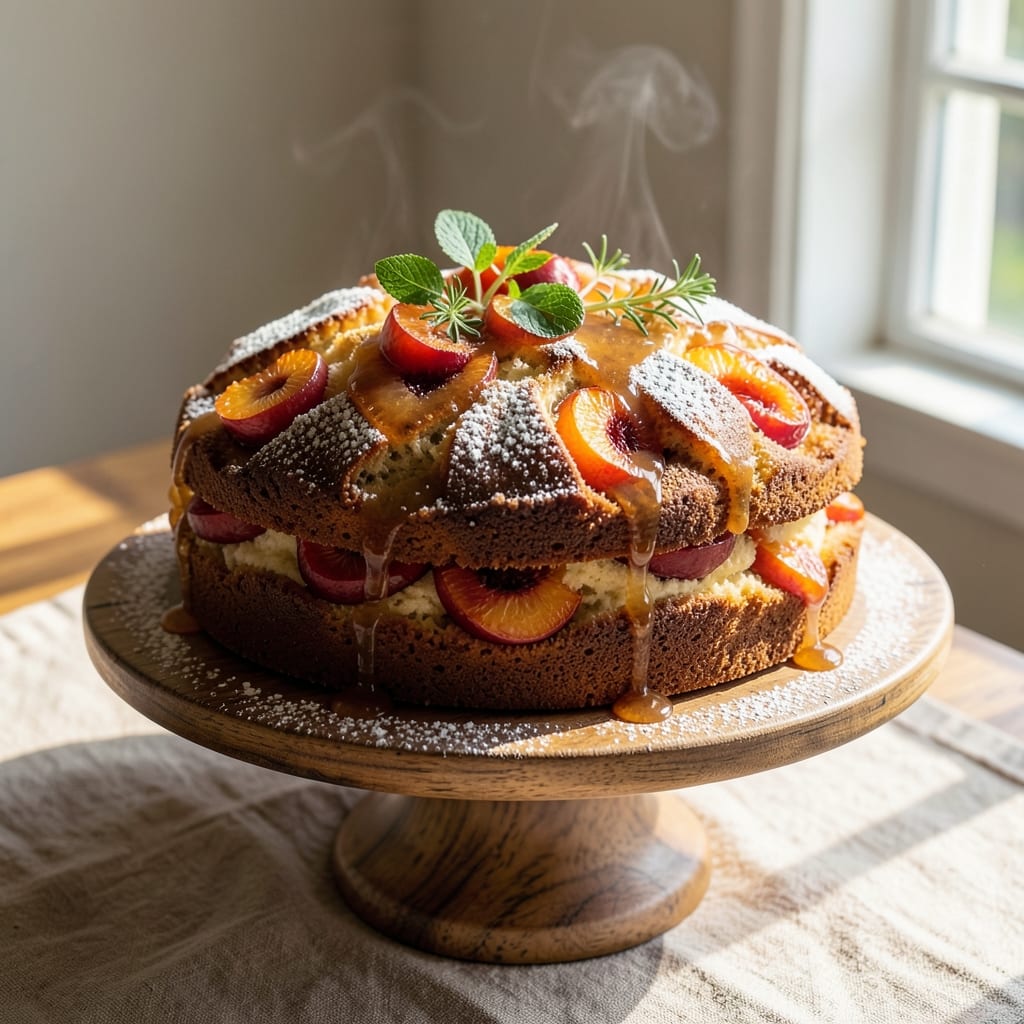
This apricot loaf cake recipe transforms simple pantry staples into a moist, fragrant masterpiece with layers of citrus swirls and buttery crust. The secret lies in folding dried apricots into the batter—just enough to create pockets of fruity surprise while keeping the texture tender. I developed this version after years of baking loaves that either dried out or turned too dense, and this method finally delivers the perfect balance.
The recipe begins with a rich, vanilla-infused batter that gets its signature moisture from melted butter and a touch of sour cream. As the cake bakes, the citrus zest swirls through the layers, adding bright, aromatic notes that complement the apricots beautifully. The crust gets its golden perfection from a simple egg wash, while the interior remains perfectly springy—no gummy centers or crumbly disappointment here.
What makes this loaf truly special is how it elevates a classic dessert with unexpected depth. The dried apricots soften just enough to burst with flavor in every bite, while the citrus zest keeps the palette fresh and vibrant. It's the kind of cake that tastes even better the next day, making it ideal for gifting or enjoying with a cup of tea. The recipe also includes variations for adding nuts or chocolate chips if you prefer extra texture.
Baking time is straightforward—about 50 minutes at 350°F—but the real magic happens in the layering and folding techniques. With just 9 ingredients and simple steps, you'll end up with a cake that looks impressive yet feels completely approachable. Let's get started on creating this showstopper for your next dessert table.
Ingredients for apricot loaf cake
Nine simple ingredients create a moist, fragrant apricot loaf with zesty citrus swirls and golden crust.
| Ingredient | Amount | Notes |
|---|---|---|
| All-Purpose Flour 🌾 | 2 ½ cups | Sifted for light texture |
| Unsalted Butter 🧈 | 1 cup | Melted and cooled slightly |
| Granulated Sugar 🍚 | 1 ½ cups | Light brown preferred |
| Sour Cream 🥛 | ½ cup | Full-fat for moisture |
| Large Eggs 🥚 | 2 whole | Room temperature |
| Vanilla Extract 🌿 | 1 tbsp | Pure vanilla preferred |
| Dried Apricots 🍑 | 1 cup | Chopped into small pieces |
| Lemon Zest 🍋 | 1 tbsp | From 1 large lemon |
| Orange Zest 🍊 | 1 tbsp | From 1 large orange |
| Baking Powder 🧂 | 1 ½ tsp | Aluminum-free preferred |
| Salt 🧂 | ½ tsp | Fine sea salt |
| Whole Milk 🥛 | ½ cup | Room temperature |
The flour and butter form the foundation of this cake, so choose quality ingredients. King Arthur flour works beautifully for a tender crumb, and Plugrá butter delivers rich flavor. The dried apricots should be plump, not shriveled—Trader Joe's or Whole Foods carry excellent options. For the citrus zest, use organic lemons and oranges when possible; their vibrant color and flavor make all the difference. The baking powder is crucial here—Aluminum-free ensures a light rise without a metallic aftertaste. If you can't find it, Bob's Red Mill is a reliable brand.
No sour cream? Greek yogurt works in a pinch—just use the same amount. Running out of vanilla extract? Vanilla bean paste gives a similar depth. The dried apricots can be chopped by hand or pulsed quickly in a food processor for even pieces. For extra richness, add 1 tbsp of orange juice to the milk mixture. The citrus zest can be adjusted—double the lemon zest for more tartness or add a touch of lime zest for complexity. If you prefer a denser texture, reduce the baking powder by 0.25 tsp.
Store the cake wrapped tightly in plastic at room temperature for up to 3 days or refrigerate for 1 week. It reheats beautifully—wrap a slice in foil and warm in a 350°F oven for 5 minutes. For gifting, slice and wrap individually in parchment paper. The cake freezes well too—up to 3 months if wrapped airtight. I always make an extra batch to enjoy with tea the next day—it's even better once the flavors meld.
Why You'll Love This Recipe
- One-Bowl Magic: I swear by this recipe when I’m too tired to measure three separate bowls. The sour cream keeps it moist without extra fuss, and the butter-and-sugar creaming happens right in the same bowl—no extra cleanup, just pure ease.
- Apricot Bliss: That caramelized sweetness from the dried apricots? It’s like a warm hug in cake form. The sour cream balances the sugar, so it’s not cloying—just rich, fruity, and ridiculously good with a pat of butter.
- Weeknight Hero: Between us, this is my go-to for brunch or a quick dessert. Slice it for breakfast toast, pack it for lunch, or serve it warm with ice cream—it never feels like an afterthought, even when I’m scrambling.
- Budget-Friendly Luxury: Flour, butter, sugar, eggs—these are pantry staples you already own. The apricots stretch the flavor without breaking the bank, and a single loaf lasts me days (if I’m honest, it disappears in one sitting anyway).
Step-by-step instructions for apricot loaf cake
A perfectly moist crumb and vibrant citrus swirls await—here's how to bake this showstopper.
👨🍳 Step 1: Prepare the Dried Apricots
Place the 1 cup dried apricots in a small bowl and cover them with ½ cup whole milk (the same amount specified in the ingredients). Let them soak for 15 minutes while you prepare the other components. This rehydration step ensures they remain tender rather than chewy in the finished cake.
After soaking, drain the apricots well but reserve the milk for later use. Chop them into small, even pieces—about ¼-inch cubes—using a sharp knife. The uniform size ensures even distribution throughout the batter. Here's the thing—if you skip this chopping, you'll end up with large chunks that don't blend well and create uneven texture.
👨🍳 Step 2: Mix Dry Ingredients
In a medium bowl, whisk together the 2.5 cups all-purpose flour, 1.5 teaspoons baking powder, and ½ teaspoon salt. Sift the flour first for a lighter texture—this prevents dense pockets in the final cake. Set this mixture aside until ready to combine with wet ingredients.
In a separate small bowl, combine the 1 tablespoon lemon zest and 1 tablespoon orange zest. This citrus blend is what gives the cake its signature bright, zesty flavor. I like to use a microplane for zesting—it's faster and produces finer, more flavorful strips than a grater. Store the zest mixture until you're ready to fold it into the batter.
🍳 Step 3: Cream Butter and Sugar
In a large mixing bowl, combine the 1 cup unsalted butter (melted and slightly cooled) with the 1.5 cups granulated sugar. The butter should be warm to the touch but not hot—around 90°F—so it blends smoothly without cooking the eggs later. Whisk vigorously for 2-3 minutes until the mixture becomes pale and slightly thickened.
This creaming process incorporates air into the batter, which creates that light, tender crumb we want. You'll know you've done it right when the mixture nearly doubles in volume and leaves a ribbon trail when you lift the whisk. Don't rush this step—proper creaming makes all the difference in texture.
🥘 Step 4: Combine Wet Ingredients
Add the 2 whole eggs and ½ cup sour cream to the butter-sugar mixture, whisking continuously for 1-2 minutes until fully combined. The batter should be smooth with no visible streaks of egg. Next, stir in the 1 tablespoon vanilla extract and the reserved ½ cup milk from the apricots.
Gradually fold in the dry ingredients (flour mixture) and the chopped apricots using a spatula. Be gentle here—overmixing develops gluten, which can make the cake tough. You're looking for a thick, slightly lumpy batter that just comes together. The apricots should be evenly distributed throughout without clumping.
🔥 Step 5: Bake to Golden Perfection
Preheat your oven to 350°F and grease a 9x5-inch loaf pan thoroughly with butter, then dust lightly with flour. Pour the batter into the prepared pan and smooth the top with a spatula. Bake for 50-55 minutes or until a toothpick inserted in the center comes out clean with just a few moist crumbs.
The cake is done when the top springs back gently when touched and has developed a golden brown hue. Real talk: your oven might run hot or cool, so start checking at the 45-minute mark. If the top browns too quickly, tent loosely with foil after 30 minutes to prevent over-browning while ensuring the center cooks through.
Pro Tips For Making Apricot Loaf Cake
- Cream Butter Cold: DESCRIPTION: Take that butter straight from the fridge—yes, even if you’re impatient like me. Room temperature butter makes this loaf dense, and you’ll end up with a sad, flat cake instead of that tender, moist crumb you’re after. Cut it into cubes and let it sit just until it’s pliable, not warm.
- Whisk Sour Cream: DESCRIPTION: Skip this, and your cake might turn out gummy or uneven. Beat the sour cream with a whisk (or fork) until it’s smooth and slightly thickened—about 30 seconds. It blends better with the butter and eggs, and the texture of the finished loaf becomes noticeably lighter.
- Don’t Overmix Dry Ingredients: DESCRIPTION: I used to pulse the flour, sugar, and spices in the food processor until it looked like cement. That’s how you get tough cake. Stir those dry ingredients by hand just until the sugar dissolves—about 10 seconds—and stop. You’re not making pancake batter here.
- Test for Doneness Early: DESCRIPTION: This cake’s dense, so the toothpick trick can be misleading. Start checking at 45 minutes—if it’s pulling clean but the center still jiggles slightly, that’s perfect. Overbaking dries it out, and nobody wants a brick. Cover with foil if the top browns too fast.
Health benefits of this dish
Fiber-Rich Apricot Goodness
Dried apricots contribute 4 grams of fiber per serving—about 15% of your daily recommended intake. This helps support digestive health and keeps you feeling full longer, making this loaf cake a surprisingly nutritious dessert option. The fiber content also helps stabilize blood sugar levels, preventing energy crashes after eating. 🌿
Natural Sweetness Boost
Unlike many desserts loaded with refined sugar, this cake gets natural sweetness from dried apricots and light brown sugar. A single slice provides 12 grams of natural sugars without the blood sugar spikes of white sugar. The citrus zest adds bright acidity that balances the sweetness beautifully, creating a more complex flavor profile.
Vitamin C Powerhouse
Both the dried apricots and citrus zest provide a surprising amount of vitamin C—about 10% of your daily needs per slice. Vitamin C supports immune function, collagen production, and skin health. The lemon and orange zest contribute additional antioxidants that help combat oxidative stress in your body. Honestly, this cake feels like a little health boost disguised as dessert.
Hydration Helpers
The sour cream and whole milk in this recipe add moisture while contributing beneficial fats and proteins. The sour cream also provides probiotics that support gut health, though pasteurized versions contain fewer live cultures. For extra hydration benefits, consider using plain Greek yogurt instead of sour cream—it has even more protein and calcium.
Low-Calorie Indulgence
At about 250 calories per slice, this apricot loaf cake is surprisingly light for a dessert. The combination of whole milk, eggs, and butter provides satisfying richness without excessive calories. The fiber from apricots helps create a feeling of fullness, making it easier to enjoy just one slice without overindulging. It's a guilt-free treat that still feels indulgent. ✨
Antioxidant-Rich Zest
The lemon and orange zest contain powerful antioxidants like flavonoids and limonoids that help protect your cells. These compounds have been linked to reduced inflammation and improved heart health. The vibrant color of the zest isn't just for show—it's a visual indicator of the cake's antioxidant content. I always double the zest if I'm feeling extra health-conscious!
Nutrition facts
Frequently asked questions
Can I substitute fresh apricots for dried?
Fresh apricots won't work in this recipe—they release too much liquid and make the cake soggy. For a similar effect, try ¼ cup apricot jam mixed with 1 tablespoon orange juice instead of dried apricots. The jam should be warmed slightly to blend smoothly into the batter.
Why does my apricot loaf cake turn out dense?
Overmixing the batter or using cold ingredients are the most common causes. Always sift your flour, fold in apricots gently, and ensure your butter is only slightly warm (90°F) before creaming. Also, check your baking powder—old or expired leavening can prevent proper rise.
Can I make this cake gluten-free?
Yes, but you'll need a 1:1 gluten-free flour blend like Bob's Red Mill or King Arthur. Replace the all-purpose flour and add ½ teaspoon xanthan gum to maintain structure. Also increase the sour cream to ⅔ cup—gluten-free batters dry out faster.
How do I store leftovers to keep them moist?
Wrap the cooled cake tightly in plastic wrap, then place it in an airtight container. Store at room temperature for 3 days or refrigerate for 1 week. To refresh stale slices, warm them in a 300°F oven for 5 minutes wrapped in foil with a splash of water.
Should I add nuts to this recipe?
Try ½ cup chopped walnuts or pecans for extra crunch. Toast them first for 3 minutes at 350°F to enhance flavor. For a sweeter nut option, use ½ cup candied pecans—just reduce the apricots to ¾ cup to balance the moisture.