
Desserts
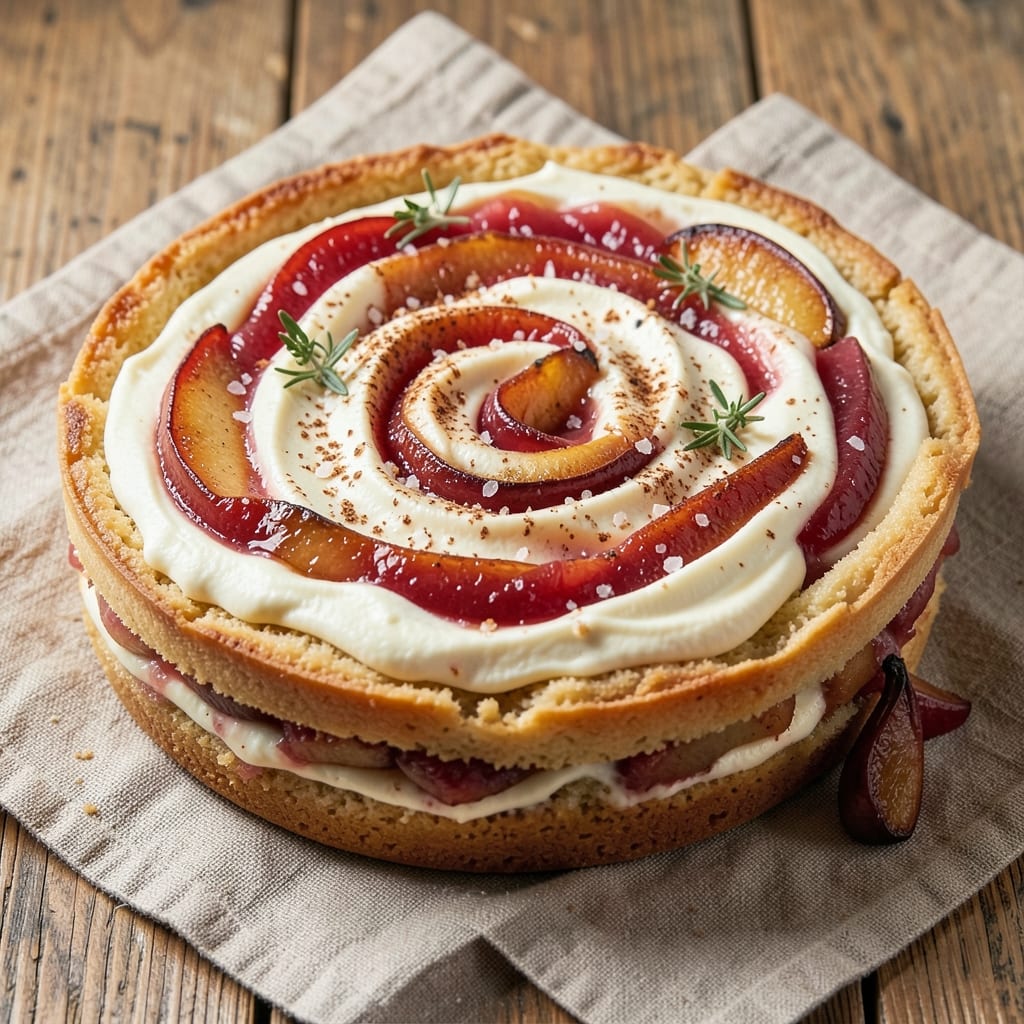
This apple pulp cake recipe transforms humble apple cores into a tender, ultra-moist dessert that defies traditional cake dryness. The secret lies in blending and straining apple pulp to create a natural moisture booster that replaces oil, resulting in a cake with a fine crumb and subtle apple flavor throughout. After perfecting this technique over years of baking, I can confidently say this recipe delivers restaurant-quality results at home—no fancy equipment required.
The magic happens in the preparation: cooking the apple pulp until it thickens creates a syrupy consistency that keeps the cake moist for days. A simple combination of flour, sugar, and baking powder forms the structure, while a touch of cinnamon and vanilla enhances the apple's natural sweetness. The cake bakes up with a golden crust and a tender interior that's impossibly light, proving that homemade desserts can be both impressive and approachable.
What sets this recipe apart is its ability to deliver professional-quality texture without being overly sweet or dense. The apple pulp not only adds moisture but also introduces a subtle tartness that balances the cake's sweetness perfectly. Each slice reveals a fine, even crumb with just enough apple flavor to make you reach for seconds, all while maintaining a clean, simple ingredient list that won't overwhelm your grocery list.
Whether you're serving this cake at a family gathering or treating yourself to an afternoon indulgence, it's versatile enough to adapt to your needs. The recipe works beautifully with either a single layer or stacked layers, and optional toppings like caramel glaze or fresh fruit can elevate it further. Let's get started on creating this ultra-moist masterpiece that will have everyone asking for the recipe.
Ingredients for apple pulp cake
Transform humble apple cores into a restaurant-quality cake with these simple yet precise ingredients.
| Ingredient | Amount | Notes |
|---|---|---|
| Apple Cores 🍎 | 6 whole | From 3-4 medium apples |
| All-Purpose Flour 🌾 | 2 ½ cups | Sifted for fine crumb |
| Granulated Sugar 🍚 | 1 ½ cups | Superfine preferred for smoothness |
| Brown Sugar 🍚 | ½ cup | Packed for moisture |
| Unsalted Butter 🧈 | 1 cup | Room temperature, cubed |
| Large Eggs 🥚 | 2 whole | Room temperature |
| Vanilla Extract 🌿 | 2 tsp | Pure, high-quality |
| Ground Cinnamon 🌶️ | 2 tsp | Freshly ground preferred |
| Baking Powder 🧂 | 2 tsp | Double-acting preferred |
| Salt 🧂 | ½ tsp | Fine sea salt |
| Milk 🥛 | 1 cup | Whole milk preferred |
| Lemon Juice 🍋 | 1 tbsp | Freshly squeezed |
The apple cores are the star here—Honeycrisp or Fuji work best for their balance of sweetness and tartness. You'll need about 6 cores from 3-4 apples, and the key is cooking them down into a thick pulp. Trader Joe's often has pre-cored apples if you're short on time, but whole apples let you control the flavor. For the flour, King Arthur or Gold Medal brands are my go-tos—they bake up lighter. The sugar ratio is crucial here: superfine sugar dissolves faster for a smoother texture, but regular granulated works in a pinch if you pulse it briefly in a food processor.
No vanilla extract? Vanilla bean paste at half the amount gives you those little specks, or vanilla sugar at 1.5 tsp works if you're in a hurry. The baking powder must be fresh—test it by mixing 1 tsp with water; if it bubbles, it's good. For the butter, room temperature is non-negotiable—cold butter creates tunnels in your cake. The milk can be any kind, but whole milk adds richness that really makes this cake sing. If you're making this ahead, the lemon juice keeps the cake tender longer by preventing gluten formation.
Store the cake in an airtight container at room temperature for up to 3 days—it actually improves as it sits. For longer storage, wrap tightly in plastic and refrigerate for up to 5 days. The flavor develops beautifully over time, so don't rush to eat it all at once. Freeze slices between parchment paper for up to 3 months—thaw at room temperature for 30 minutes before serving. The cake reheats wonderfully in a 300°F oven for 5 minutes if you want to serve it warm.
Why You'll Love This Recipe
- Zero Waste Magic: I swear by this trick—those apple cores you’d normally toss? They become the star. No peeling, no fuss, just blend them right into the batter. My compost bin stays lighter, and my cake gets this subtle, natural sweetness that store-bought mixes can’t touch.
- Moisture Locked In: Brown sugar and butter team up to keep this cake tender for days. I’ve had slices at room temp the next morning, and they’re still soft—no dry crumbs here. The apple pulp adds a gentle chew, like biting into a fresh slice of pie but in cake form.
- Crowd-Pleaser Any Day: Between us, this is my go-to for potlucks, book club gatherings, or even a lazy Sunday. It’s sweet enough for dessert but not cloying—perfect with coffee or tea. And honestly? It’s the one cake I bake that even my picky teenager won’t roll her eyes at.
- Budget-Friendly Stretch: Granulated sugar and flour are cheap staples, but the real win is how far this goes. One batch feeds six, and leftovers? They’re even better the second day. I double the recipe when apples are on sale, freeze half, and still have cake for weeks—no sad, stale slices in sight.
Step-by-step instructions for apple pulp cake
Transform those apple cores into a rich, ultra-moist cake with perfect balance.
Prepare the Apple Pulp Filling
Preheat your oven to 350°F and line an 8-inch round cake pan with parchment paper. In a food processor, combine the 6 whole apple cores and pulse until you achieve a fine, chunky pulp—think of it as a cross between applesauce and apple butter. You want visible texture, not a smooth puree.
Transfer the apple pulp to a small saucepan and add 1 tbsp lemon juice. Cook over medium-low heat for 5-7 minutes, stirring occasionally, until the mixture softens and the raw apple flavor mellows. Let it cool completely before using—this prevents the cake from becoming gummy. The filling should smell sweetly tart and have a thick, spreadable consistency.
Cream Butter and Sugars
In a stand mixer fitted with the paddle attachment, beat the 1 cup unsalted butter (room temperature) with the 1.5 cups granulated sugar and 0.5 cup brown sugar on medium speed for 3-4 minutes. The mixture should become light and fluffy, nearly doubling in volume, with ribbons forming when the paddle is lifted. This step is crucial for creating that tender, moist crumb.
I like to scrape down the sides of the bowl every 30 seconds to ensure even mixing. If the butter isn't soft enough, it won't incorporate properly, leading to a dense cake. Test by pressing a finger into the butter—it should leave a slight indent but not be too soft or too firm.
Mix Wet Ingredients and Combine
Add the 2 whole large eggs (room temperature) one at a time, mixing on low speed for 30 seconds after each addition until fully combined. Then add the 2 tsp vanilla extract, 1 cup milk, and the cooled apple pulp. Mix on low speed until just incorporated—you don't want to overmix and develop gluten.
In a separate bowl, whisk together the 2.5 cups all-purpose flour, 2 tsp baking powder, 2 tsp ground cinnamon, and 0.5 tsp salt. With the mixer on low speed, gradually add the dry ingredients to the wet mixture, mixing just until combined. The batter should be thick but pourable. If it looks too stiff, add 1-2 tablespoons milk to loosen it.
Bake to Golden Perfection
Pour the batter into the prepared cake pan and smooth the top with a spatula. Bake in the preheated 350°F oven for 45-50 minutes or until a toothpick inserted in the center comes out clean. The edges should be golden brown, and the top should spring back when gently pressed.
I recommend checking the cake at the 40-minute mark—ovens vary, and you want to avoid overbaking, which can make the cake dry. If the top browns too quickly, tent the pan with foil. Once done, let the cake cool in the pan for 10 minutes before transferring to a wire rack to cool completely. The internal temperature should be 200°F when done.
Serve with Confidence
Slice the cake when it's completely cool—this ensures clean cuts and prevents crumbling. The texture should be moist and tender with a subtle apple flavor throughout, not just concentrated in the center. The crust should be lightly golden, not dry or cakey.
For extra moisture, brush the top with a simple syrup made by heating 2 tbsp granulated sugar with 2 tbsp water until dissolved. Serve with a dollop of whipped cream or a scoop of vanilla ice cream to complement the warm apple notes. This cake keeps well for 3 days at room temperature, wrapped tightly in plastic.
Pro Tips For Making Apple Pulp Cake
- COOK APPLES LOW AND SLOW: I learned this the hard way—rushing the apple pulp in a hot pan turns it into mush instead of a fine, caramelized texture. Simmer it on medium-low for 15-20 minutes, stirring occasionally, until it breaks down into a thick, jammy consistency. The patience here makes all the difference in the cake’s moisture and flavor.
- SIFT THE FLOUR DRY: Skimping on this step leads to a dense, heavy cake. After mixing the wet ingredients, sift the flour directly over the batter in three parts, folding gently with a spatula. This aerates the batter and keeps the texture light—no need for overmixing, which adds gluten and ruins the crumb.
- CHILL THE BUTTER FIRST: Softened butter is a must, but don’t let it turn into soup. Take it out of the fridge 10 minutes before mixing—just until it yields slightly when pressed. This ensures the cake rises properly without sinking in the center (yes, even if you’re impatient like me).
- USE COLD APPLE PULP: Warm apple pulp will melt the butter in the batter, making the cake greasy and flat. Let the pulp cool completely before folding it into the dry ingredients. I was skeptical until I tried it—now it’s non-negotiable for the right texture.
Dietary considerations for apple pulp cake
Gluten-Free Adaptation
Swap the 2.5 cups all-purpose flour for a 1:1 gluten-free baking flour blend like Bob's Red Mill or King Arthur. Add 1 tsp xanthan gum to help bind the cake, since gluten-free flours lack natural elasticity. For best results, use a scale to measure—1 cup gluten-free flour weighs less than all-purpose flour. Increase the milk by 2 tbsp to compensate for the drier texture. 🌾
Vegan Substitutions
Replace the 1 cup butter with 1 cup vegan butter (like Miyoko's or Earth Balance) or ¾ cup coconut oil (melted and cooled). Use 2 flax eggs (2 tbsp ground flaxseed + 6 tbsp water, mixed and rested for 5 minutes) instead of chicken eggs. For milk, opt for unsweetened almond or oat milk, but add 1 tbsp cornstarch to thicken the batter. The cake will still be moist but slightly denser. 🥛
Dairy-Free Options
Keep the recipe mostly intact by using dairy-free butter (like Earth Balance) and unsweetened coconut milk (full-fat for richness). The 1 tbsp lemon juice can be replaced with 1 tbsp apple cider vinegar to maintain acidity. For extra moisture, add 2 tbsp applesauce to the batter. The texture remains tender, though the flavor will be subtly different. 🧈
Lower Sugar Version
Reduce the 1.5 cups granulated sugar to 1 cup and replace the remaining 0.5 cup with ½ cup mashed banana or ½ cup unsweetened applesauce. The natural sweetness from the apple pulp will still shine through. For added flavor, increase the ground cinnamon to 2.5 tsp. The cake will be less sweet but equally moist. 🍎
Nut-Free Considerations
This recipe is naturally nut-free, but always check your vanilla extract and cinnamon for cross-contamination warnings. If using a gluten-free flour blend, verify it's processed in a nut-free facility. For extra safety, bake the cake on a parchment-lined tray instead of directly in the pan to prevent any potential cross-contact. 🌟
Nutrition facts
Frequently asked questions
Can I use store-bought applesauce instead of homemade apple pulp?
You can try, but the texture and flavor won't be the same. Store-bought applesauce is often too thin and lacks the concentrated apple flavor that cooked pulp provides. For best results, stick with the recipe's method of cooking down apple cores—it creates a thicker, more flavorful base that keeps the cake ultra-moist. If you're short on time, use unsweetened applesauce and add 1 extra tablespoon of lemon juice to help balance the sweetness.
Why does my cake turn out dense instead of moist?
Overmixing the batter or underbaking are the most common culprits. Mix just until combined to avoid developing gluten, which makes cakes tough. Also, ensure your butter is truly room temperature—cold butter creates pockets in the cake. Bake until a toothpick comes out clean (about 45-50 minutes at 350°F), but don't overbake. If your cake is still dense, try adding 1 extra tablespoon of milk to the batter or brushing the top with simple syrup after cooling.
How do I prevent the cake from drying out over time?
Store it properly and add a moisture boost! Wrap the cake tightly in plastic wrap and place it in an airtight container. For extra freshness, brush the top with a simple syrup (equal parts sugar and water, heated until dissolved) while still warm. This cake actually improves over 2-3 days at room temperature—it's designed to stay moist! If storing longer, refrigerate and bring to room temperature before serving to restore texture. Freezing slices works too, but thaw at room temperature.
Can I make this cake in a different pan size? Yes, but adjust the baking time. For a 9-inch pan, reduce the oven temperature to 325°F and bake for 40-45 minutes—the batter will spread more. For a 6-inch pan, keep the temperature at 350°F but increase baking time to 50-55 minutes. Always check with a toothpick. The cake should be golden with a springy texture.
What's the best way to add extra apple flavor?
Increase the cinnamon to 3 teaspoons or add 1 teaspoon of apple pie spice (a blend of cinnamon, nutmeg, and allspice). For a stronger apple taste, fold in ½ cup of finely diced cooked apple pulp into the batter before baking. You can also top the cake with a thin layer of caramelized apples or a dusting of powdered sugar mixed with ½ teaspoon of cinnamon after baking for extra aroma.