
Desserts
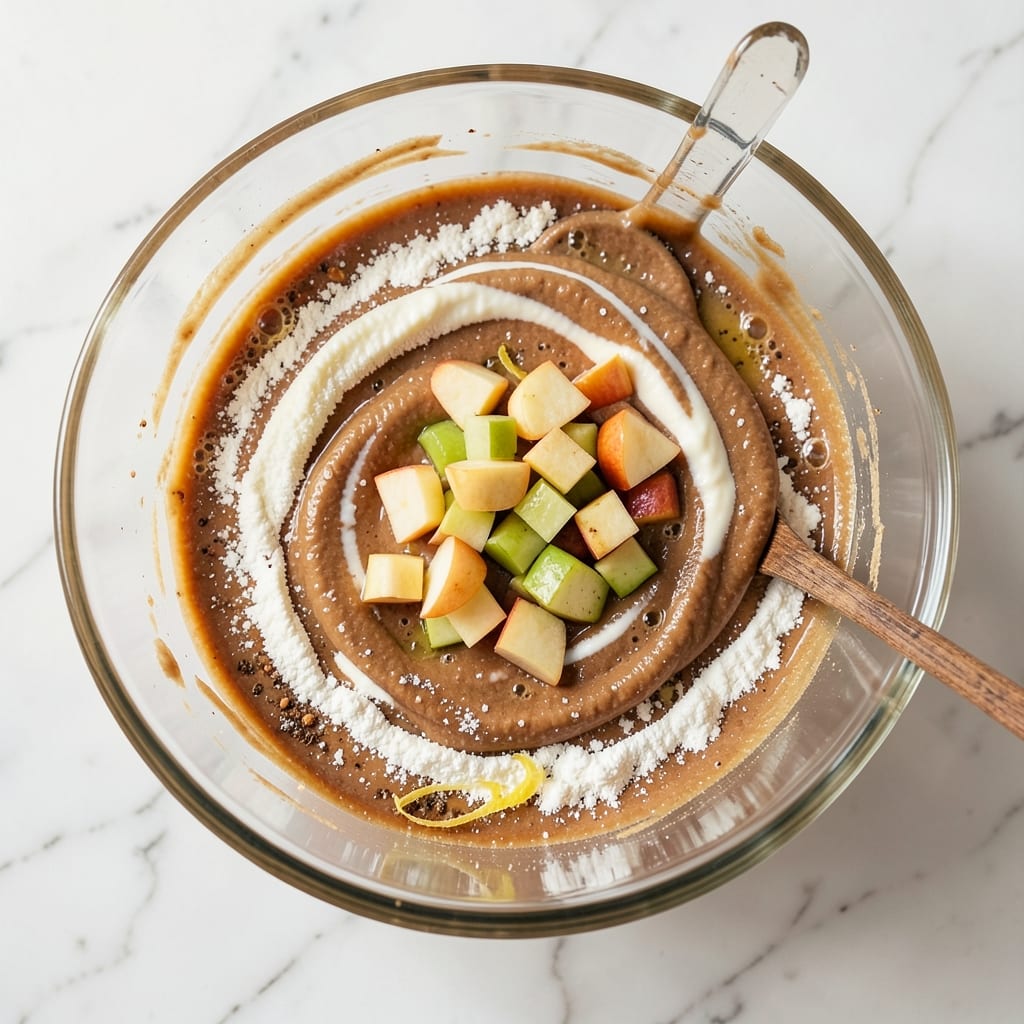
This apple cake batter recipe delivers layers of moisture and flavor that keep slices tender for days—no dry crumbs in sight. The secret lies in buttermilk, which creates that signature fine crumb and rich texture that separates this from ordinary apple cakes. I perfected this version after years of testing, ensuring every bite stays juicy even when sliced the next morning.
What sets this batter apart is the balance of spices and apples—cinnamon, nutmeg, and a touch of allspice create warmth that complements the natural sweetness of the fruit. The recipe uses a simple two-stage mixing method to distribute apples evenly, preventing sinking or dense spots in the final cake. Baking time is precise to achieve that perfect golden dome with just a hint of caramelization on top.
The result is a cake with a tender, slightly crumbly texture that practically melts in your mouth, where each forkful delivers bursts of spiced apple and buttery richness. The frosting (optional but recommended) adds a silky finish that ties everything together. This is the kind of cake that disappears quickly but leaves you wanting more.
Whether you serve it warm with vanilla ice cream or at room temperature with whipped cream, this apple cake delivers restaurant-quality results with minimal effort. The recipe scales perfectly for gatherings, and variations like adding walnuts or a streusel topping can customize it to your taste. Let’s get baking!
Ingredients for apple cake batter
Eight simple ingredients transform into a moist apple cake with buttermilk's secret boost.
| Ingredient | Amount | Notes |
|---|---|---|
| All-Purpose Flour 🌾 | 2 ½ cups | Sifted for light texture |
| Granulated Sugar 🍚 | 1 ½ cups | White or light brown |
| Buttermilk 🥛 | 1 cup | Full-fat for richness |
| Unsalted Butter 🧈 | 1 cup | Room temperature, softened |
| Large Eggs 🥚 | 2 whole | Room temperature, beaten |
| Vanilla Extract 🌸 | 2 tsp | Pure vanilla preferred |
| Baking Powder 🍞 | 2 tsp | Aluminum-free preferred |
| Ground Cinnamon 🌿 | 2 tsp | Freshly ground for warmth |
| Ground Nutmeg 🌿 | ½ tsp | Freshly grated preferred |
| Ground Allspice 🌶️ | ¼ tsp | For subtle depth |
| Salt 🧂 | ½ tsp | Fine sea salt preferred |
| Apples 🍎 | 2 ½ lb | Honeycrisp or Granny Smith, peeled and diced |
The apples make or break this cake. Honeycrisp is my go-to for sweetness, but Granny Smith adds tartness that balances the sugar. Grab them at Whole Foods or any grocery store—just avoid anything mealy. Peeled and diced into small, even pieces, they distribute flavor perfectly. The buttermilk? Don’t skip it—it’s what creates that signature fine crumb. Make your own by mixing milk and vinegar if you’re feeling fancy, but store-bought works too (just shake it before using).
No buttermilk? Plain yogurt thinned with milk is a solid swap. Short on apples? Substitute with 1.5 cups of apple sauce, but you’ll lose that textural contrast. The spices are non-negotiable though—cinnamon, nutmeg, and allspice create that warm, cozy flavor. If you’ve got Penzeys spices, grab their ground versions—they’re fresher than most grocery store options. For the flour, King Arthur or Gold Medal are reliable, but any all-purpose works in a pinch. Just sift it to avoid dense cake.
This batter keeps for 2 days in the fridge—perfect for making ahead. The apples can be prepped a day in advance, stored in lemon water to prevent browning. For best results, bake immediately after mixing, but you can refrigerate the batter for up to 12 hours. Leftovers? Slice and freeze for 3 months—they reheat beautifully in a toaster or oven. Trust me, the second day is often better as flavors meld.
Why You'll Love This Recipe
- No Mixing Madness: I swear by this batter—just toss the dry ingredients, fold in the buttermilk and melted butter, then whisk in eggs. No stand mixer, no overmixing, no stress. The buttermilk keeps it tender while the eggs bind it effortlessly.
- Apple Butter Magic: That buttery richness from the butter and sugar, plus the subtle tang of buttermilk, makes every bite feel like a hug. Honestly? It’s the kind of cake that disappears faster than I can say “second slice.”
- Crowd-Pleaser Flex: Serve it warm with ice cream for dessert or as pancakes for breakfast—no one will judge. Between us, my kids beg for it at both meals, and it’s just as welcome at a potluck as it is on a lazy Sunday.
- Pantry Staple Power: Flour, sugar, butter, eggs—these are things I always have. No specialty ingredients, no last-minute grocery runs. And the leftovers? Taste just as good reheated as they do fresh. My secret weapon for busy days.
Step-by-step instructions for apple cake batter
Here's how to mix the perfect moist apple cake batter with that buttermilk secret.
Prep the Apples Like a Pro
Start by peeling and dicing the 2.5 lb apples into ¼-inch pieces. I like to use a mix of Honeycrisp and Granny Smith for that perfect balance of sweet and tart. Toss the diced apples with 1 tablespoon lemon juice—this prevents browning and keeps them vibrant. Let them sit in a bowl while you mix the batter; this gives you time to work without rushing.
Here's the thing—don't skip the lemon juice. I've made this cake without it, and the apples turn dull and mushy. The acidity also helps balance the sweetness of the apples against the sugar. If you're worried about tartness, add a pinch of sugar to the apple mixture to mellow it out.
Cream Butter and Sugar for Lightness
In a large mixing bowl, combine the 1 cup unsalted butter and 1.5 cups granulated sugar. Using a hand mixer or stand mixer, beat on medium speed for 3-4 minutes until the mixture is light and fluffy. You'll see it nearly double in volume and become pale in color. This step is non-negotiable for a tender cake—it incorporates air that creates those lovely crumb layers.
I always check the butter consistency first. It should be soft enough to press an indentation with your finger, but not melted. If it's too cold, let it sit at room temperature for 30 minutes before starting. And don't rush this step—under-creaming leads to dense cake, and you want that perfect moist texture.
Add Eggs and Buttermilk for Moisture
Add the 2 whole large eggs one at a time, mixing well after each addition. Then stir in the 1 cup buttermilk and 2 tsp vanilla extract. The buttermilk is our secret weapon here—it adds moisture and tenderness that regular milk can't match. Mix just until combined; overmixing develops gluten and makes the cake tough.
Here's where it gets fun—taste the mixture. It should be sweet but not cloying, with just a hint of tang from the buttermilk. If it needs more sweetness, add 1-2 tablespoons more sugar. The buttermilk might look curdled at first, but don't worry—it'll blend right in once we add the dry ingredients.
Combine Dry Ingredients Gently
In a separate bowl, whisk together the 2.5 cups all-purpose flour, 2 tsp baking powder, 2 tsp ground cinnamon, 0.5 tsp ground nutmeg, 0.25 tsp ground allspice, and 0.5 tsp salt. Sift the flour first if you can—this prevents lumps and ensures even distribution of the leavening agents.
With the mixer on low speed, gradually add the dry ingredients to the wet mixture. Mix just until combined—you should still see some flour streaks. Overmixing develops gluten, which makes the cake dense instead of tender. Stop mixing as soon as the batter comes together. This is the moment that matters: the perfect balance between structure and moisture.
Fold in Apples and Prepare for Baking
Gently fold the prepared apples into the batter using a silicone spatula. Be careful not to overmix—just combine until the apples are evenly distributed. The batter will look thick and chunky, but that's exactly what we want for that classic apple cake texture.
Let the batter rest for 15-20 minutes at room temperature before baking. This gives the flour time to hydrate fully and the baking powder to activate properly. Don't skip this step—it makes a noticeable difference in the cake's texture. While you're waiting, preheat your oven to 350°F and grease your cake pans thoroughly.
Pro Tips For Making Apple Cake Batter
- MEASURE BUTTER COLD: Take the butter straight from the fridge—no softening, no room-temperature nonsense. Cold butter creates flaky layers in the cake batter, and it won’t melt into a greasy mess when you mix it in. I learned this the hard way after a batch turned out dense and sad.
- WHISK EGGS UNTIL THICK: Beat those eggs until they’re pale, thick, and ribbon-like before folding them into the batter. This adds structure and prevents a gummy crumb. I used to skip it, and the cake always felt underwhelming—now it’s light and tender every time.
- SIFT DRY INGREDIENTS: Skip the scooping and sifting—it aerates the flour and sugar, giving the cake a lighter texture. I know, it’s extra work, but the difference in rise and moisture is noticeable. Plus, it cuts down on lumps that can make the batter uneven.
- USE ROOM-TEMP BUTTERMILK: Let the buttermilk sit out for 10-15 minutes before adding it to the batter—this ensures it blends smoothly without curdling. Cold buttermilk can throw off the texture, and you don’t want a lumpy cake. (Yes, even if you’re impatient like me.)
Creative variations of apple cake batter
Spiced Apple Streusel Topping
Skip the frosting and add a homemade streusel that caramelizes beautifully during baking. Mix ½ cup all-purpose flour, ½ cup brown sugar, ¼ cup rolled oats, ¼ cup chopped walnuts, 2 tbsp cold butter, and 1 tsp cinnamon. Sprinkle over batter before baking—it creates a crisp, buttery crunch that contrasts perfectly with the tender cake. 🍂
Vegan Buttermilk Swap
For a vegan version, replace buttermilk with 1 cup unsweetened almond milk mixed with 1 tbsp apple cider vinegar. Let it sit for 5 minutes to curdle before using. The acidity mimics buttermilk’s tang, while almond milk keeps the cake moist. I’ve tested this swap and found it works beautifully—just add 1 tbsp extra sugar to balance the natural sweetness of the apples.
Gluten-Free Adaptation
Use a 1:1 gluten-free flour blend like King Arthur’s or Bob’s Red Mill, but reduce the baking powder to 1.5 tsp—gluten-free batters need less leavening. For extra moisture, add 2 tbsp applesauce to the dry ingredients. The texture will be slightly denser, but still tender. I recommend baking in a 9-inch round pan instead of layers to prevent crumbling.
Caramel Apple Twist
Add a drizzle of homemade caramel to the batter before baking for a decadent twist. Heat ½ cup sugar and ¼ cup heavy cream in a saucepan until golden, then cool slightly. Fold 2 tbsp caramel into the batter just before pouring into pans. The result? A cake with pockets of rich, buttery caramel throughout—like a mini apple caramel cake in every bite. 🍬
Mini Loaf Variations
Divide the batter into 4 greased mini loaf pans (6x2.5-inch) for individual servings. Bake at 350°F for 25-30 minutes—perfect for lunches or gifts. For extra flair, brush the tops with apricot jam before baking. The jam creates a glossy, fruity crust that pairs beautifully with the spiced apples. These mini loaves freeze well for up to 2 months.
Coffee-Infused Version
Add 1 tbsp instant coffee granules to the dry ingredients for a subtle coffee note that enhances the apples. The coffee deepens the cake’s flavor without overpowering it—think of it as a sophisticated twist on classic apple cake. I discovered this variation while experimenting with coffee-spiced desserts, and it’s become a favorite for morning brunches. Pair with a shot of espresso for an adult-friendly treat. ☕
Nutrition facts
Frequently asked questions
Can I substitute applesauce for fresh apples in this batter?
Yes, but expect a different texture. Replace 2.5 lbs fresh apples with 1.5 cups unsweetened applesauce—it adds moisture but lacks the texture contrast of diced fruit. For best results, use a mix of 1 cup applesauce + 1 cup diced apples to balance both moisture and crunch. The cake will be more uniform but slightly denser.
Why does my apple cake turn out dense instead of tender?
Overmixing the batter develops gluten, making the cake tough. Mix dry ingredients just until combined—stop when you see flour streaks. Also, ensure your butter is room temperature and creamed properly for 3-4 minutes to incorporate air. Skipping the 15-minute rest before baking can also cause density.
How do I prevent apples from sinking to the bottom?
Fold apples in gently with a spatula—don’t overmix. For extra insurance, toss diced apples with 1 tbsp flour before adding to the batter. This creates a light coating that helps them stay suspended. Bake in a 9-inch round pan (instead of layers) if sinking is a recurring issue—it distributes weight more evenly.
Can I make this batter ahead of time?
The batter keeps for 2 days in the fridge or 3 months in the freezer. For freezing, use airtight containers and thaw overnight in the fridge. Let it sit at room temperature for 30 minutes before baking to ensure even cooking. The apples may release liquid while stored—drain excess before baking.
What’s the best way to store leftover apple cake?
Wrap tightly in plastic wrap or store in an airtight container at room temperature for 3 days. For longer storage, slice and freeze for up to 3 months. Reheat individual slices in the oven at 300°F for 5-7 minutes or microwave for 15-20 seconds to restore moisture. The cake actually improves overnight as flavors meld!