
Desserts
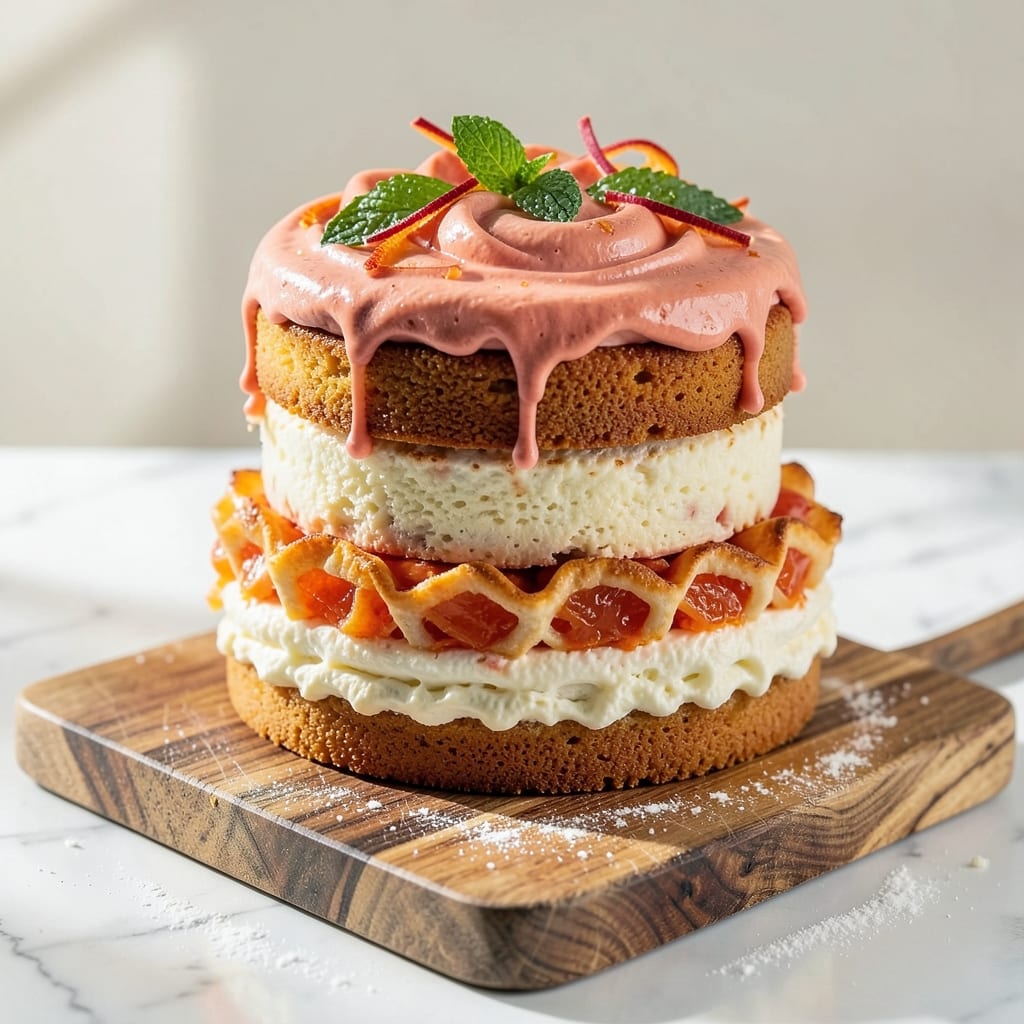
This Aperol cake recipe transforms a classic vanilla sponge into something vibrant and sophisticated—bright orange layers infused with citrusy Aperol, perfectly balanced with a tangy cream cheese frosting. The secret lies in carefully baking off the alcohol while preserving that signature bitter-sweet Aperol flavor, creating layers that taste like a sun-drenched Italian café dessert. I developed this after years of experimenting with alcohol-infused baked goods, and the result is a cake that’s both elegant and approachable for home bakers.
The cake itself is light and tender, with a subtle orange hue from the Aperol-soaked syrup that keeps it moist without being soggy. The frosting—a creamy blend of cream cheese, butter, and a touch of citrus zest—cuts through the richness while complementing the Aperol’s herbal notes. What makes this recipe work is the baking time and temperature: a precise 350°F oven for 25-30 minutes ensures the alcohol evaporates safely while locking in flavor. No one will guess this is a homemade dessert—it’s restaurant-quality with a fraction of the effort.
By the time you slice into this cake, you’ll taste layers of complexity: the bright, slightly bitter Aperol, the sweet vanilla sponge, and the tangy frosting all coming together in harmony. The aroma alone—warm citrus and vanilla—will have everyone gathering around the table. It’s the kind of dessert that feels special enough for celebrations but simple enough for a weeknight treat. Perfect for brunch, dessert parties, or when you want to impress without stress.
For those concerned about alcohol content, rest assured: the baking process eliminates any trace of alcohol, leaving only the flavor. The frosting ties everything together with its velvety texture and zesty finish, making each bite feel like a little vacation. Let’s get baking—this cake is worth every minute of the wait.
Ingredients for aperol cake
Bright orange layers and tangy frosting—just these ingredients transform simple cake into an Italian café classic.
| Ingredient | Amount | Notes |
|---|---|---|
| All-Purpose Flour 🌾 | 3 cups | Sifted for light texture |
| Granulated Sugar 🍚 | 2 ½ cups | White or light brown |
| Unsalted Butter 🧈 | 1 ½ cups | Room temperature, full-fat |
| Large Eggs 🥚 | 6 whole | Room temperature, separated |
| Aperol 🍊 | ½ cup | High-quality, for infusion |
| Orange Zest 🍊 | 1 tbsp | Fresh, finely grated |
| Vanilla Extract 🌿 | 2 tsp | Pure, high-quality |
| Baking Powder 🧂 | 2 tsp | Diamond Crystal preferred |
| Salt 🧂 | ½ tsp | Fine sea salt |
| Orange Juice 🍊 | ¼ cup | Freshly squeezed |
| Cream Cheese 🧀 | 16 oz | Full-fat, room temperature |
| Powdered Sugar 🍚 | 4 cups | Sifted for smooth frosting |
| Lemon Zest 🍋 | 1 tbsp | Fresh, finely grated |
The Aperol is non-negotiable here—look for the bright orange bottles at well-stocked liquor stores or Italian markets. Whole Foods and BevMo usually carry it, but if you can't find it, Campari works in a pinch (though the flavor will be slightly different). The butter should be full-fat and room temperature—microwave for 20 seconds if needed. For the orange zest, use a microplane; pre-grated zest from jars lacks the same punch. The flour? King Arthur or Gold Medal are my go-tos—they bake up lighter than store-brand options.
No Aperol? Orange liqueur like Cointreau works at half the amount, but you'll lose that signature bitter-sweetness. Substituting with just orange juice won't give you the same depth of flavor. For the frosting, Neufchâtel cream cheese (if you can find it) adds a lovely tang, but regular full-fat works just fine. The powdered sugar should be sifted—Domino brand is my secret weapon for lump-free frosting. If you're making this ahead, bake the layers 1 day in advance so the Aperol flavor really develops before assembling.
Store the cake layers wrapped tightly in plastic at room temperature for 2 days before frosting—this lets the Aperol flavor mature beautifully. The frosting keeps for 3 days in the fridge, but trust me, it'll disappear faster than that. For serving, dust with extra powdered sugar right before cutting—it makes the cake look even more elegant. The whole cake freezes beautifully for 3 months if you wrap each layer individually in plastic and foil.
Why You'll Love This Recipe
- No Mixer Needed: I swear by this recipe because it’s a creamed cake—just butter, sugar, and eggs beaten by hand until fluffy. No standing at the counter for 10 minutes, no electric mixer required. The Aperol infuses effortlessly while you fold in the flour, and honestly? The result is smoother than anything I’ve ever whipped up with a hand mixer.
- Bittersweet Magic: That first sip of Aperol in the batter? It’s like a grown-up’s lemonade—bright, herbal, with just a whisper of bitterness that cuts through the richness of the butter. The cake stays tender (no dry crumbs here) and the orange zest in the frosting? Pure sunshine. Between us, it’s the kind of flavor that makes me reach for seconds without guilt.
- Weekend or Weeknight: This cake is my go-to for any gathering—birthday brunches, lazy Sundays, or even a "I need a treat" Tuesday. The frosting (buttercream with a splash of Aperol) is foolproof, and slices well for parties or solo indulgence. I’ll be real: I’ve made it for book clubs, potlucks, and just because I wanted cake at 3 PM. It never lets me down.
- Budget-Friendly Luxury: You’d think Aperol would make this fancy, but it’s actually cheap to impress. A small bottle goes a long way—just a splash in the batter and a drizzle in the frosting—and the rest are pantry staples. Plus, leftovers? They last days in the fridge, and the flavor only gets better as the alcohol mellows. My wallet and taste buds thank me every time.
Step-by-step instructions for Aperol cake
Here's how to craft layers of citrusy brightness with this vibrant Aperol cake.
Prepare the Cake Batter with Aperol Infusion
Preheat your oven to 350°F. In a stand mixer fitted with the paddle attachment, cream together the 1.5 cups unsalted butter and 2.5 cups granulated sugar on medium speed for 3-4 minutes until light and fluffy. This step incorporates air, which gives your cake that signature tender crumb.
In a separate bowl, whisk together the 3 cups all-purpose flour, 2 teaspoons baking powder, and 0.5 teaspoon salt. Sift the dry ingredients directly into the butter-sugar mixture to avoid lumps. Add the 6 whole large eggs one at a time, mixing well after each addition. Then stir in the 0.5 cup Aperol, 1 tablespoon orange zest, 2 teaspoons vanilla extract, and 0.25 cup orange juice. The Aperol adds a subtle bitterness that balances the sweetness, while the citrus zest and juice brighten every layer.
Bake the Layers to Perfect Doneness
Divide the batter evenly between three greased and floured 8-inch round cake pans. Bake for 25-30 minutes or until a toothpick inserted into the center comes out clean. The cake should be golden brown at the edges but still slightly springy to the touch in the center. Rotate the pans halfway through baking to ensure even browning.
Here's the thing—don't overbake. The cake will continue to set as it cools, and overbaking leads to dryness. As soon as the toothpick test passes, remove the cakes from the oven and let them cool in the pans for 10 minutes before transferring to a wire rack to cool completely. This cooling step is crucial for layering later.
Create the Cream Cheese Frosting
While the cakes cool, prepare the frosting by beating the 16 ounces cream cheese and 1.5 cups unsalted butter together in a stand mixer until smooth and creamy. This should take about 3-4 minutes on medium speed. Scrape down the sides of the bowl as needed to ensure even mixing.
Gradually add the 4 cups powdered sugar, mixing on low speed until combined. Then stir in the 1 tablespoon lemon zest and a splash of milk if the frosting is too thick. The lemon zest adds a bright contrast to the Aperol's bitterness, while the milk ensures a smooth, spreadable consistency. Taste and adjust sweetness if needed—you want a balance between the cake's richness and the frosting's tang.
Assemble and Chill the Cake
Once the cakes are completely cool, level the tops if necessary using a serrated knife. Place the first layer on a cake stand or plate, then spread a thin layer of frosting on top. Repeat with the remaining layers, adding frosting between each one. This technique ensures every bite has that signature Aperol flavor.
Crumb coat the entire cake with a thin layer of frosting, then chill in the refrigerator for 30 minutes. This step prevents crumbs from mixing into the final frosting layer. After chilling, apply the final layer of frosting, smoothing it with a spatula for a polished finish. Garnish with additional orange zest or a dusting of powdered sugar for a festive touch.
Pro Tips For Making Aperol Cake
- MEASURE APEROL PRECISELY: Use a kitchen scale for the Aperol—1.5 ounces (42g) is the sweet spot. Eyeballing it can make the cake taste either like a boozy punch or a bland sponge. I learned this after my first batch tasted like someone had dumped a shot glass of Aperol into the batter.
- CREAM BUTTER AND SUGAR LONG: Beat the butter and sugar until the mixture is pale yellow and fluffy—about 3-4 minutes. Rushing this step means the cake will be dense, and you’ll miss the light, airy texture that makes this recipe worth it. I used to stop when it looked "done," but now I set a timer.
- DON’T OVERMIX THE BATTER: Once you fold in the dry ingredients, stop mixing as soon as everything is just combined. Overmixing develops gluten, and this cake should stay tender. I’ve ruined batches by turning the mixer off too late—now I count to 10 after the last flour disappears.
- LET THE CAKE COOL GRADUALLY: Resist the urge to pull it out of the pan immediately. Let it sit for 10 minutes, then run a knife around the edges before transferring to a wire rack. This keeps the layers from cracking when you unmold it. I cracked my first cake by being impatient—now I wait.
Make-ahead tips for leftovers
Bake Layers Ahead
Assemble your cake layers 1-2 days before serving—this lets the Aperol flavor fully develop and meld with the sponge. Wrap each cooled layer tightly in plastic wrap and store at room temperature. The cake will keep perfectly for 3 days this way, with flavors deepening over time. Trust me, the wait is worth it for that extra layer of complexity. 💫
Frosting Prep
Make the cream cheese frosting 24 hours in advance and store it in an airtight container in the fridge. This gives the flavors time to settle and makes assembly effortless. When ready to frost, let it sit at room temperature for 15-20 minutes to soften—just enough to spread smoothly without melting. The lemon zest will infuse better over time, too.
Freezing Options
For long-term storage, freeze the fully assembled cake (unfrosted or frosted) for up to 3 months. Wrap each layer individually in plastic wrap, then place them in a freezer bag with all the air squeezed out. When ready to serve, thaw at room temperature for 2-3 hours before adding frosting. The texture stays perfect, and the Aperol flavor remains vibrant.
Make-Ahead Garnishes
Prep your garnishes the night before to save time. Finely grate extra orange zest and store it in a small airtight container in the fridge. For a showstopper, toast slivered almonds in a dry pan for 3-4 minutes until golden, then let them cool completely. Sprinkle these over the frosting right before serving for a crunchy contrast.
Reheating Slices
If you've made individual slices ahead, reheat them gently to restore moisture. Place slices on a baking sheet and warm in a 300°F oven for 5-7 minutes. For a quick fix, microwave on 50% power for 10-15 seconds—just enough to soften the frosting without drying out the cake. Serve immediately for the best texture.
Nutrition facts
Frequently asked questions
Can I substitute Aperol in this cake?
Yes, but the flavor will change. For a similar citrusy profile, use ½ cup orange liqueur like Cointreau—though you'll lose that signature bitter-sweetness. If you can't find Aperol, Campari works in a pinch (use ¼ cup), but the taste will lean more herbal. For a non-alcoholic version, try ½ cup fresh orange juice + 1 tsp orange extract, though the flavor won't be identical.
How do I prevent the cake from tasting too boozy?
The baking process evaporates most of the alcohol, but for a milder flavor, reduce the Aperol to ⅓ cup or replace ¼ cup with extra orange juice. The key is baking at 350°F for 25-30 minutes—this ensures the alcohol cooks off while preserving the citrus notes. Let the cake cool completely before frosting to avoid any lingering alcohol aroma.
Can I make this cake in a different shape?
This recipe works for 9-inch round layers (reduce bake time to 20-25 minutes) or even a 9x13-inch sheet cake (bake 30-35 minutes). For cupcakes, divide batter into 24 lined cups and bake for 18-20 minutes. The frosting recipe scales down proportionally—just adjust the powdered sugar to taste. A bundt pan also works beautifully for a single-serving showstopper!
Why is my frosting too sweet or tangy?
Adjust the balance by adding 1 tbsp lemon juice to cut sweetness or 1 tsp extra lemon zest for more tang. The frosting should complement the cake—not overpower it. Start with the full 4 cups powdered sugar, then add more gradually. If it's too thick, add 1 tsp milk at a time until smooth. Taste as you go—this frosting is all about harmony with the Aperol's bitterness.
How do I store leftovers without drying out the cake?
Keep slices in an airtight container at room temperature for 2 days, separated by parchment paper. For longer storage, freeze individual slices wrapped in plastic for up to 1 month. To serve, thaw at room temperature for 30 minutes or warm in a 300°F oven for 5 minutes to restore moisture. The frosting stays creamy if reheated gently—never microwave on high!