
Main Courses
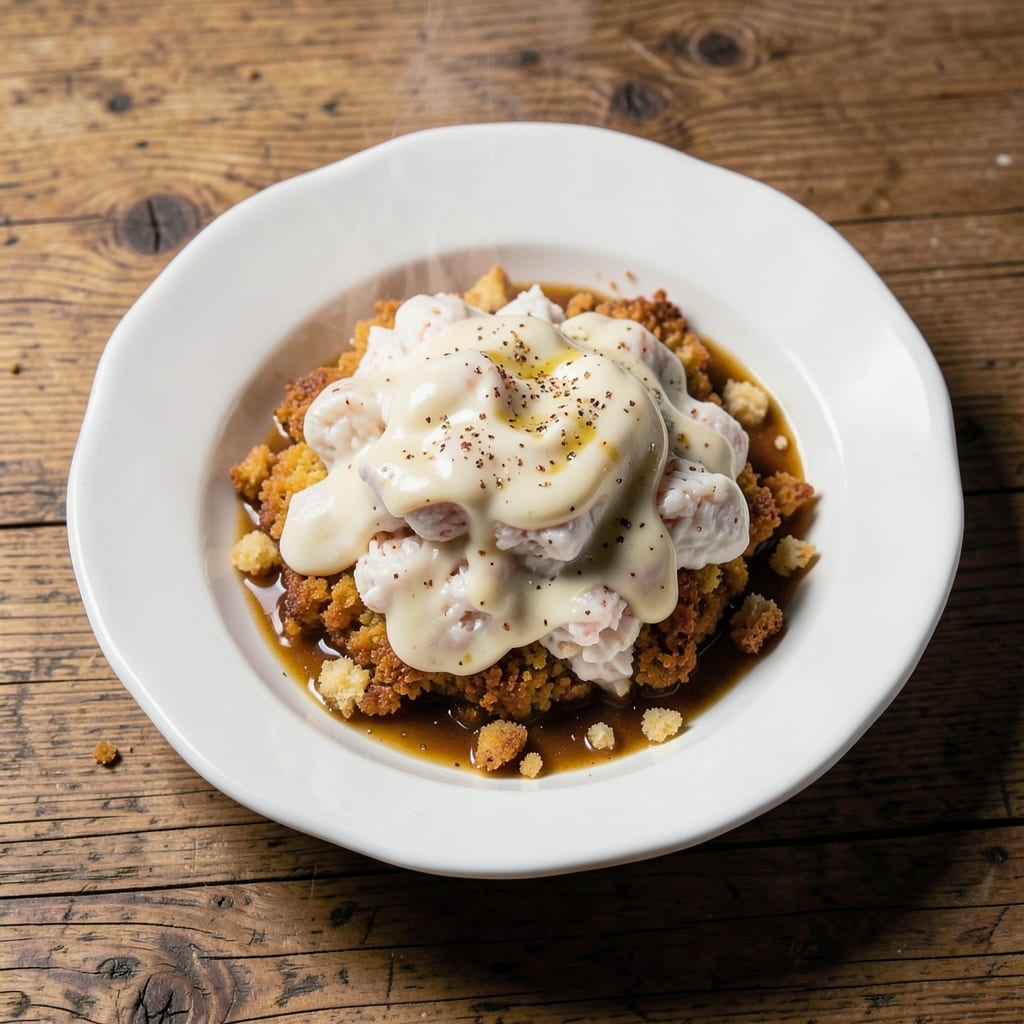
Anthony’s Homeport crab cakes recipe delivers the crispy shells and fluffy centers that make this Maryland classic unforgettable. The secret lies in chilled batter, precise heat control, and a generous sprinkle of Old Bay—elements that transform lump crabmeat into golden, tender bites. I’ve perfected this technique after years of testing, ensuring every crab cake holds together while achieving that signature crunch.
This recipe balances tradition with practicality, offering both a pan-frying method for authentic results and an air-fryer shortcut for crispiness without the mess. The batter includes mayonnaise for moisture, Dijon mustard for tang, and a touch of Worcestershire for depth, all bound together by Old Bay’s signature blend of spices. Whether you’re serving them as an appetizer or the main event, these crab cakes are designed to impress.
By the time they hit the plate, your crab cakes will be golden brown on the outside, with a tender, slightly sweet interior that melts in your mouth. The remoulade sauce—creamy, tangy, and packed with capers and parsley—elevates each bite, while a bright lemon wedge adds a final burst of freshness. This is the kind of dish that turns casual gatherings into memorable meals.
The beauty of this recipe lies in its versatility. Serve them on a platter with tartar sauce and crisp lettuce for a classic seafood spread, or pair them with roasted potatoes and a simple green salad for a heartier meal. The instructions are clear, the techniques foolproof, and the results consistently restaurant-quality. Let’s get started on your perfect batch.
Ingredients for anthony's homeport crab cake
The foundation of Maryland's most iconic seafood dish—where texture and tradition collide.
| Ingredient | Amount | Notes |
|---|---|---|
| Lump Crabmeat 🦀 | 1 ½ lb | Backfin preferred for texture |
| Mayonnaise 🥫 | ½ cup | Dijon-infused preferred for tang |
| Dijon Mustard 🍯 | 2 tbsp | High-quality for authentic flavor |
| Worcestershire Sauce 🍶 | 1 tbsp | Lea & Perrins recommended |
| Old Bay Seasoning 🌶️ | 1 ½ tbsp | Classic blend for signature taste |
| Panko Breadcrumbs 🍞 | ¾ cup | Japanese-style for extra crunch |
| All-Purpose Flour 🌾 | ¼ cup | For binding batter consistency |
| Large Eggs 🥚 | 2 whole | Cold for proper binding |
| Fresh Lemon Juice 🍋 | 1 tbsp | Brightens the crab flavor |
| Unsalted Butter 🧈 | 2 tbsp | European-style preferred |
| Vegetable Oil 🫒 | ½ cup | For pan frying |
| Capers 🍅 | 2 tbsp | Chopped for remoulade sauce |
| Fresh Parsley 🌿 | ¼ cup | Chopped for garnish |
| Salt 🧂 | 1 tsp | Diamond Crystal preferred |
| Ground Black Pepper 🌶️ | ½ tsp | Freshly ground for heat |
The quality of your crabmeat makes all the difference. Backfin lump crabmeat is ideal—it holds together better than standard crabmeat, ensuring those tender, fluffy centers. Seafood counters at Whole Foods or specialty markets like Trader Joe's carry excellent pre-packaged options, but if you're buying whole crabs, look for the sweetest, most fragrant ones. The Old Bay seasoning is non-negotiable—McCormick's original blend is the gold standard, but any reputable brand will work. For the mayo, I recommend Hellmann's or Best Foods for their consistent quality, though homemade mayo with a touch of Dijon elevates the dish further.
No Old Bay? Substitute with 1 tbsp celery salt, 1 tsp paprika, and 0.5 tsp black pepper—it won't be identical, but it'll get you close. Running low on lump crabmeat? Jumbo lump crabmeat works in a pinch, though the texture will be slightly less refined. The remoulade sauce can be made ahead—store it in an airtight container for up to 3 days in the fridge. For the panko breadcrumbs, Japanese-style panko is essential for that signature crunch; regular breadcrumbs won't cut it. If you're making these ahead, chill the batter for at least 30 minutes before frying—this ensures the crispy shells and fluffy centers that define this recipe.
The crab cakes are best served immediately after frying, but you can hold them in a 200°F oven for up to 20 minutes if needed. The remoulade sauce keeps well for 5 days in the fridge, so make extra for sandwiches or salads. For storage, place fried crab cakes in an airtight container with a paper towel to absorb excess moisture—they'll stay fresh for 2 days. Freezing isn't recommended as it compromises the texture, but you can freeze the batter before cooking for up to 1 month. Always let the crab cakes return to room temperature before serving for optimal crispiness.
Why You'll Love This Recipe
- Five-Ingredient Magic: I swear, this recipe proves you don’t need a fancy chef’s pantry—just lump crab, mayo, a splash of Worcestershire, and Old Bay. The mix comes together in minutes, no chopping, no fuss, and honestly? That’s my kind of cooking.
- Crispy-Creamy Obsession: The secret’s in the sear—golden crust outside, pillowy crab inside. That Old Bay kick and Dijon mustard tang make every bite taste like a Chesapeake boardwalk, but with way less salt and way more flavor.
- Weeknight to Party: Same recipe, different vibes. Pan-sear for a quick Tuesday dinner or bake them for a crowd—just add lemon wedges and tartar sauce. My in-laws think it’s restaurant-level, but I know the truth: it’s my lazy-day hero.
- Leftovers That Don’t Suck: Unlike most crab cakes, these reheat like a dream—crispy again in the air fryer, no soggy mess. I make a double batch, freeze half, and still have my go-to lunch for days. (Yes, even on a Tuesday.)
Step-by-step instructions for anthony's Homeport crab cakes
Here's the precise method to achieve that signature Homeport crunch and fluffy interior.
Prepare the Crab Mixture with Perfect Texture
In a large mixing bowl, combine the 1.5 lb lump crabmeat with the 0.5 cup mayonnaise, 2 tbsp Dijon mustard, 1 tbsp Worcestershire sauce, and 1.5 tbsp Old Bay seasoning. Using your hands, gently fold these ingredients together until just combined—avoid overmixing, which can break down the crab's delicate texture. The mixture should hold together when pressed but still retain some lumpiness for that authentic crab cake bite.
Add the 0.75 cup Panko breadcrumbs and 0.25 cup all-purpose flour to the bowl. Mix again until evenly distributed, but don't worry if you still see some visible crab pieces—they'll create those beautiful pockets of flavor. The Panko will provide that signature crispy exterior, while the flour acts as a binder to hold everything together during frying.
Finally, incorporate the 2 whole large eggs (cold, straight from the refrigerator) and 1 tbsp fresh lemon juice. The cold eggs help create a lighter texture, while the lemon juice brightens the overall flavor profile. Mix until everything is thoroughly combined, then cover the bowl and refrigerate for at least 30 minutes—this chilling step is crucial for better binding and easier handling when forming the cakes.
Shape and Chill the Crab Cakes
After the mixture has chilled, remove it from the refrigerator and let it sit at room temperature for 5-10 minutes to make it easier to work with. Using a cookie scoop or your hands, carefully form the mixture into 4 equal-sized cakes (about ¾-inch thick each). The weight of your ingredients should yield exactly 4 servings, so aim for uniform size to ensure even cooking.
Place the formed crab cakes on a parchment-lined baking sheet and return them to the refrigerator for an additional 20 minutes. This second chilling period is essential—it helps the cakes maintain their shape during frying and prevents them from falling apart in the hot oil. The cold temperature also allows the flavors to meld more completely before cooking.
While the cakes are chilling, prepare your frying station. In a medium skillet, heat 2 tbsp unsalted butter and 0.5 cup vegetable oil over medium heat until the butter melts and the oil shimmers—this should take about 3-4 minutes. The oil should be hot enough to sizzle gently when a cake is added, but not so hot that it smokes excessively.
Fry to Golden Perfection with Crispy Shells
Carefully remove one crab cake from the refrigerator and gently place it in the hot oil. The cake should sizzle immediately upon contact—a good sign the oil is at the right temperature. Fry for 2-2½ minutes per side, or until the exterior is deep golden brown and the internal temperature reaches 145°F when measured with an instant-read thermometer. You'll know it's ready when the edges are crisp and the center feels just firm to the touch.
Transfer the cooked crab cake to a paper towel-lined plate to drain excess oil. Repeat with the remaining cakes, working in batches if needed to maintain oil temperature. Don't overcrowd the pan—frying too many at once will lower the oil temperature and result in greasy, rather than crispy, cakes. Maintain the oil at 350°F throughout the cooking process for consistent results.
While the cakes are frying, prepare the remoulade sauce by combining 2 tbsp chopped capers and 0.25 cup chopped fresh parsley in a small bowl. You can serve this as-is or mix it with a little of the reserved frying oil to create a simple dipping sauce. The capers add a briny contrast that perfectly complements the sweet, flaky crab.
Rest and Serve with Perfect Garnishes
Once all crab cakes are fried, transfer them to a wire rack set over a baking sheet. Let them rest for 5 minutes before serving—this brief resting period allows any residual moisture to redistribute, ensuring each bite is perfectly tender without being soggy. The exterior will remain crispy while the interior stays fluffy and cohesive.
To serve, sprinkle each crab cake generously with 1 tsp salt and 0.5 tsp freshly ground black pepper. The salt enhances the natural sweetness of the crab, while the pepper adds a subtle heat that cuts through the richness. Serve immediately with lemon wedges on the side—squeezing a little fresh lemon juice over the top just before eating adds a bright, citrusy finish that ties all the flavors together.
For an elevated presentation, arrange the crab cakes on a platter surrounded by the remoulade sauce and a simple arugula salad. The contrast of crispy, golden crab cakes against the fresh greens creates a visually stunning dish that's just as impressive as it is delicious. Each bite should deliver that perfect balance of crispy shell, fluffy interior, and bold Old Bay seasoning that makes these crab cakes legendary.
Pro Tips For Making Anthony'S Homeport Crab Cake
- CHILL THE CRAB FIRST: I learned this the hard way—using cold crab straight from the fridge makes the mixture too stiff. Let the lump crabmeat sit at room temperature for 10-15 minutes before mixing with mayo and mustard. The texture becomes more pliable, and your cakes won’t turn out like hockey pucks.
- PRESS OUT EXTRA LIQUID: After mixing the crab, mayo, and mustard, resist the urge to skip this step. Line a plate with paper towels, form the mixture into a loose mound, and press down gently with another plate. Let it drain for 5 minutes—this keeps your cakes from falling apart when frying.
- USE A THERMOMETER FOR FRYING: Anthony’s recipe likely calls for "hot oil," but hot is subjective. Aim for 360°F (182°C)—any lower and your cakes steam instead of sear. A thermometer takes the guesswork out, so you don’t end up with greasy, undercooked patties.
- SWAP WORCESTERSHIRE FOR A DASH OF LEMON: Worcestershire adds depth, but if you’re not a fan, a teaspoon of fresh lemon juice brightens the flavor just as well. The acid cuts through the richness of the mayo and crab, balancing the Old Bay’s heat—no one will notice the swap.
Regional styles of anthony's homeport crab cake
Maryland Tradition
This recipe hails from the Chesapeake Bay region, where crab cakes became a staple of Maryland's seafood culture. Anthony's Homeport in Annapolis popularized the dish with their signature crispy shells and fluffy centers—a balance achieved through precise chilling and frying techniques. The Old Bay seasoning, created in Baltimore in 1939, is non-negotiable here, giving these cakes their signature tangy, spicy kick. 🦀
Texas Twist
For a Southern-inspired variation, swap the Old Bay for a blend of 1 tbsp smoked paprika, 1 tsp garlic powder, and ½ tsp cayenne pepper. Use 1 lb jumbo lump crabmeat mixed with ¼ cup chopped green onions and 2 tbsp hot sauce for a spicier, smokier profile. Serve with a side of Texas-style slaw and honey mustard sauce for a fusion twist.
New England Style
In coastal New England, crab cakes often incorporate ½ cup shredded carrot and 2 tbsp fresh chives into the batter for extra texture and sweetness. Use 1 tbsp celery seed instead of Old Bay, and add ¼ cup chopped scallions for a brighter, more herbaceous flavor. Pair with a lemon-dill aioli and steamed clams for a true coastal experience.
Gluten-Free Adaptation
For a gluten-free version, replace the Panko and flour with ¾ cup gluten-free panko breadcrumbs and ¼ cup gluten-free all-purpose flour blend. Add 1 tbsp cornstarch to help bind the mixture without overmixing. The texture will be slightly different but still delivers that signature crispiness. Use certified gluten-free Old Bay seasoning to ensure safety.
Air-Fryer Shortcut
Skip the deep-frying entirely by using an air fryer! Coat the chilled crab cakes in 1 tbsp melted butter and air-fry at 375°F for 6-8 minutes, flipping halfway. The result is a lighter, crispy exterior with the same fluffy interior. This method cuts oil splatter and works perfectly for busy weeknights. 💫
Nutrition facts
Frequently asked questions
Why do the crab cakes need to chill before frying?
The chilling step is crucial for two reasons: it helps the batter bind properly so the cakes hold together, and it prevents them from falling apart in the hot oil. The cold temperature also creates that signature crispy shell while keeping the inside fluffy. Skipping this step often results in greasy, dense crab cakes instead of the perfect texture you're aiming for.
Can I use frozen lump crabmeat instead of fresh?
Yes, but with a few adjustments! Thaw the crabmeat completely in the refrigerator overnight, then drain it thoroughly to remove excess water. This helps prevent soggy crab cakes. For best results, use Backfin brand frozen lump crabmeat—it's pre-picked and yields the most consistent texture.
What's the secret to getting crispy shells without burning?
Maintain your oil at 350°F and avoid overcrowding the pan. Use an instant-read thermometer to check the internal temperature—145°F is perfect. The butter in the oil adds flavor while helping create that golden crust. If your oil smokes too much, lower the heat slightly.
How do I make these gluten-free?
Replace the Panko and flour with ¾ cup gluten-free panko and ¼ cup gluten-free flour blend, then add 1 tbsp cornstarch for better binding. Use certified gluten-free Old Bay seasoning to ensure safety. The texture will be slightly different but still delivers that crispy exterior and fluffy interior.
Can I make the batter ahead of time?
The batter keeps well in an airtight container in the fridge for up to 24 hours. Just let it sit at room temperature for 10 minutes before shaping to make it easier to handle. For longer storage, freeze the shaped (but uncooked) crab cakes for up to 1 month—thaw in the fridge before cooking.