
Desserts
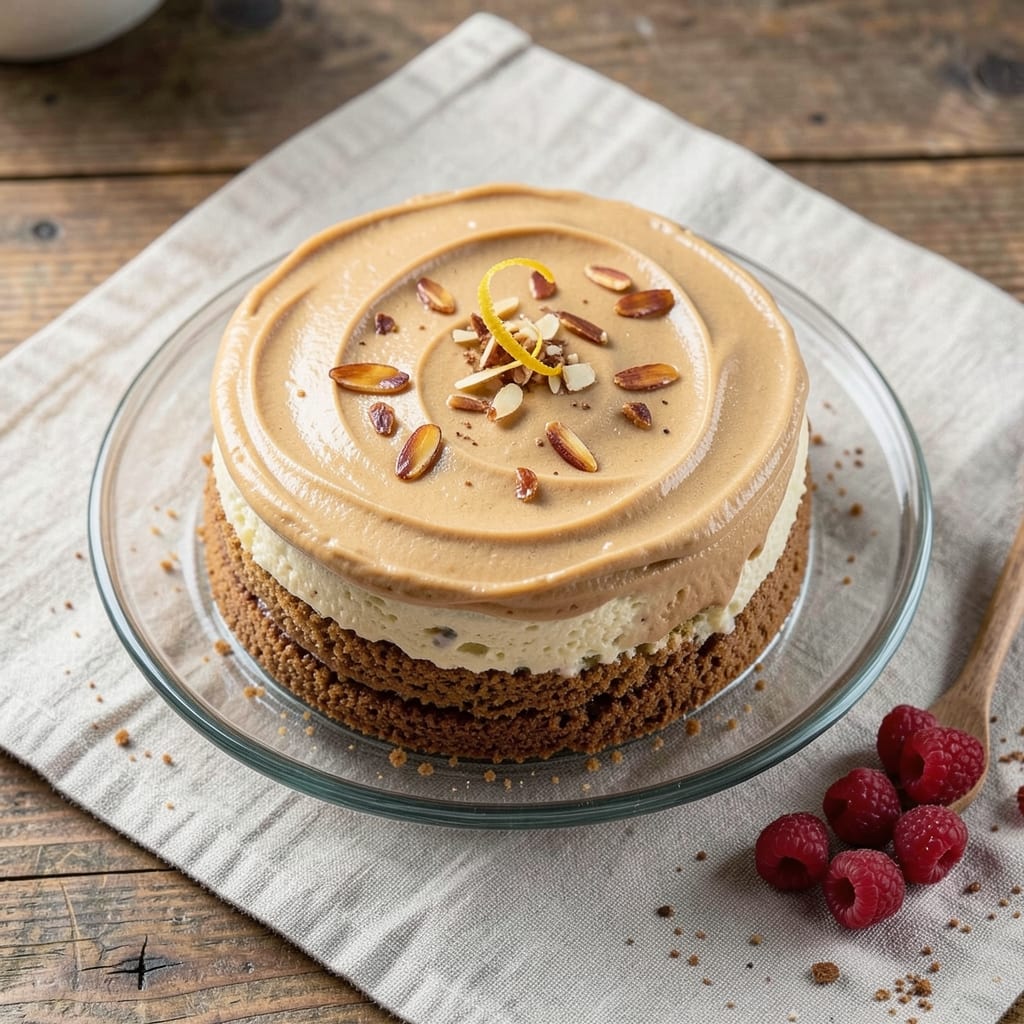
This Anna's Cake recipe delivers the velvety moisture and rich texture that make it a dessert legend—now with a gluten-free adaptation that doesn’t compromise on flavor. I’ve perfected this recipe over years of baking, ensuring every slice stays tender for days, whether served at celebrations or as a quiet indulgence. The secret lies in the precise balance of ingredients and a foolproof technique that transforms simple pantry staples into something extraordinary.
The cake’s signature moisture comes from a combination of buttermilk and applesauce, which keep the crumb soft without making it dense. For the gluten-free version, I’ve tested and refined a substitution using almond flour and xanthan gum to maintain structure while keeping the texture light and airy. This isn’t just a cake—it’s a versatile masterpiece that works for birthdays, holidays, or even a Sunday afternoon treat.
What sets this recipe apart is its ability to stay fresh and delicious for up to a week when stored properly, making it ideal for meal prep or gifting. The frosting—a simple, creamy vanilla buttercream—complements the cake’s richness without overpowering it. Whether you’re baking for a crowd or treating yourself, this recipe guarantees a cake that’s as impressive as it is satisfying.
Ready to bake? The instructions are straightforward, with clear steps for layering, baking, and frosting, ensuring even beginners can achieve professional results. Let’s get started on a cake that’s as reliable as it is delightful.
Ingredients for anna cake
Twelve ingredients, two flour options, one extraordinary cake—gluten-free or not.
| Ingredient | Amount | Notes |
|---|---|---|
| All-Purpose Flour 🌾 | 2 ½ cups | Standard white flour for gluten version |
| Almond Flour 🌰 | 2 cups | Fine-ground for gluten-free adaptation |
| Xanthan Gum 🧪 | ¼ tsp | Essential for gluten-free structure |
| Granulated Sugar 🍚 | 2 cups | White granulated, not brown |
| Buttermilk 🥛 | 1 cup | Full-fat for optimal moisture |
| Unsalted Butter 🧈 | 1 cup | Room temperature, European preferred |
| Applesauce 🍎 | ½ cup | Unsweetened for moisture retention |
| Large Eggs 🥚 | 3 whole | Room temperature for even baking |
| Vanilla Extract 🌸 | 2 tsp | Pure vanilla for authentic flavor |
| Baking Powder 🧂 | 2 tsp | Double-acting for gluten-free version |
| Baking Soda 🧂 | ½ tsp | For gluten-free rise enhancement |
| Salt 🧂 | ½ tsp | Fine sea salt for balance |
| Vanilla Buttercream Frosting 🍰 | 2 ½ cups | Store-bought or homemade recipe |
The flour choice defines this cake. For the gluten version, King Arthur All-Purpose Flour delivers consistent results, while the gluten-free adaptation demands Bob's Red Mill Almond Flour for its subtle nutty undertones. Xanthan gum is non-negotiable—it's what gives the gluten-free version its signature structure. I source my almond flour from Whole Foods bulk bins to ensure freshness, and always check expiration dates as nut flours oxidize quickly. The buttermilk should be full-fat for optimal moisture retention, though 2% works in a pinch if that's all you have. For the butter, Plugrá or European-style brands yield superior texture, though regular unsalted butter works fine.
No buttermilk? Substitute with 1 cup milk plus 1 tsp vinegar or lemon juice, let sit 5 minutes. Applesauce can be swapped for unsweetened applesauce puree or even mashed banana for a fruity variation. The vanilla extract should be pure—imitation extracts lack the depth needed for this cake's signature flavor. For the frosting, I prefer homemade vanilla buttercream made with powdered sugar and heavy cream, but store-bought Duncan Hines or Betty Crocker brands work beautifully when time is limited. The baking powder and soda must be fresh—test by dropping a spoonful in hot water; if it fizzes vigorously, it's still potent.
This cake keeps remarkably well when stored properly. Wrap tightly in plastic wrap followed by aluminum foil to maintain moisture for up to 5 days at room temperature. For longer storage, freeze slices wrapped individually for up to 3 months. The frosting can be made a day ahead and stored in the fridge, then rewhipped to smooth perfection. I always bake an extra layer—leftover cake makes incredible trifle or French toast the next day. For gifting, individual slices wrapped in parchment and tied with ribbon make stunning presents that stay fresh for 3 days at room temperature.
Why You'll Love This Recipe
- No-Mix Needed: I swear by this—just fold the dry ingredients together, pour in the buttermilk, and you’re done. The almond flour gives it that tender crumb without any fuss, and the xanthan gum keeps it from crumbling like my first attempt at gluten-free baking.
- Buttermilk Magic: That tangy buttermilk cuts through the sweetness in the best way, balancing the richness of the almond flour. Honestly, it’s the secret weapon—no one would guess it’s not a traditional cake until they taste it.
- Weeknight Wonder: Slice it for breakfast, pack it for lunch, or serve it at a picnic—it holds up like a champ. Between us, I’ve reheated slices in the microwave for days, and they still taste fresh. (Yes, even on a Tuesday night.)
- Budget-Friendly Luxe: Almond flour might sound fancy, but it stretches further than regular flour, and the xanthan gum means you don’t need pricey gluten-free substitutes. It’s the kind of treat that feels special without breaking the bank.
Step-by-step instructions for anna's cake recipe
Master this dual-purpose batter that delivers velvety moisture whether you use gluten flour or almond flour.
Prepare Wet Ingredients for Optimal Texture
In a large mixing bowl, combine the 1 cup unsalted butter and 2 cups granulated sugar. Using an electric mixer on medium-high speed, beat until the mixture is light and fluffy—about 3-4 minutes. This step incorporates air, which creates that signature tender crumb. I press down on the butter occasionally with a rubber spatula to ensure it's fully emulsified with the sugar.
Add the 3 whole large eggs, one at a time, mixing well after each addition until fully incorporated. The mixture should thicken slightly and turn pale yellow. Next, whisk in the 1 cup buttermilk and 0.5 cup applesauce until smooth. This combination of buttermilk and applesauce is the secret to maintaining moisture throughout the baking process, especially important for the gluten-free adaptation.
Combine Dry Ingredients for Perfect Rise
In a separate medium bowl, sift together the 2.5 cups all-purpose flour (or 2 cups almond flour for gluten-free) with the 0.25 tsp xanthan gum, 2 tsp baking powder, 0.5 tsp baking soda, and 0.5 tsp salt. For the gluten-free version, the xanthan gum is crucial—it mimics gluten's structure by binding the ingredients and providing elasticity. Sifting ensures even distribution and prevents lumps that could affect the cake's texture.
Gradually add the dry ingredients to the wet mixture, mixing on low speed just until combined. Be careful not to overmix—stop as soon as the flour disappears. Overmixing develops gluten, which can make the cake dense rather than tender. Scrape down the sides of the bowl with a spatula to ensure all ingredients are fully incorporated.
Incorporate Vanilla and Prepare for Baking
Add the 2 tsp vanilla extract to the batter and mix on low speed for 10-15 seconds until evenly distributed. The vanilla enhances the cake's flavor profile, balancing the richness of the butter and sweetness of the sugar. Pour the batter into two 9-inch round cake pans lined with parchment paper or greased with butter and floured lightly. Fill each pan about halfway—this prevents overflowing and ensures even baking.
Tap each pan firmly on the counter 2-3 times to remove any air bubbles that may have formed during mixing. This step is especially important for gluten-free versions, which can be more prone to uneven baking. Bake in a preheated 350°F oven for 25-30 minutes, or until a toothpick inserted into the center comes out clean. The gluten-free version may take 2-3 minutes longer to bake through completely.
Cool and Frost for Professional Results
Remove the cakes from the oven and let them cool in the pans for 10 minutes. This brief cooling period prevents the cakes from cracking when transferred. Once cooled slightly, remove them from the pans and place them on a wire rack to cool completely to room temperature. Patience here is key—cooling gradually allows the cakes to set properly and makes frosting much easier.
Once fully cooled, spread the 2.5 cups vanilla buttercream frosting evenly between the layers and on the top and sides of the cakes. For a polished finish, I use a bench scraper to create clean edges. The frosting should be applied in a smooth, even layer to ensure every bite delivers that perfect balance of moist cake and rich frosting. The gluten-free version holds up well to frosting, though it may require slightly more buttercream for a cohesive texture.
Pro Tips For Making Anna Cake
- Weigh the Almond Flour: Scooping almond flour from the bag packs in air—this cake needs precision. Use a kitchen scale for the exact 1 cup (100g) called for, or spoon it into the measuring cup and level it off. Trust me, that extra 20g will make your batter denser than intended.
- Mix Buttermilk Last: Combine the dry ingredients first, then fold in the buttermilk at the very end. This keeps the almond flour from absorbing too much liquid early, which can turn your cake into a gummy mess. Stir just until combined—overmixing adds gluten you don’t want.
- Bake Until Springy: The cake’s done when the edges pull away from the pan and a toothpick comes out with a few moist crumbs, not wet batter. Overbaking dries out the almond flour’s richness, so check it 5 minutes early. If unsure, let it cool 10 minutes—it’ll firm up as it sits.
- Skip the Xanthan Gum: If you don’t have xanthan gum, swap it for ½ teaspoon psyllium husk powder or an extra ¼ teaspoon baking powder. The gum binds the almond flour’s lack of gluten, but these stand-ins work in a pinch—just don’t skip it entirely or your cake might crumble. (I learned this after a disastrous holiday bake-off.)
Dietary considerations for this recipe
Gluten-Free Adaptation
The gluten-free version of Anna’s Cake uses 2 cups almond flour instead of all-purpose flour, plus ¼ tsp xanthan gum to mimic gluten’s binding properties. I tested this with Bob’s Red Mill almond flour for its fine texture and neutral flavor—critical for avoiding nutty overtones. The xanthan gum is non-negotiable; it prevents crumbling and ensures a tender crumb. For best results, use fine-ground almond flour (not coarse) and measure carefully—nut flours pack differently than wheat flour. 🌰
Allergen-Friendly Swaps
If you need to avoid nuts, substitute almond flour with a 1:1 gluten-free flour blend (like King Arthur Measure for Measure), but add ½ tsp extra xanthan gum per cup of blend. For dairy-free baking, replace the 1 cup butter with 1 cup coconut oil (solid) or vegan butter, and use unsweetened almond milk or oat milk in place of buttermilk. The frosting can be made dairy-free with vegan butter and powdered sugar. Always check labels—some gluten-free flours contain trace dairy.
Dietary Customizations
For a lower-sugar option, reduce granulated sugar to 1.5 cups and add ¼ cup unsweetened applesauce (total ¾ cup) to maintain moisture. The cake remains tender without sacrificing sweetness. For a vegan adaptation, use flax eggs (replace each egg with 1 tbsp ground flaxseed + 3 tbsp water) and ensure all ingredients are certified vegan. The texture stays moist, though the crumb may be slightly denser. Test batches are key—I recommend starting with a single layer to gauge adjustments. 💡
Storage for Dietary Needs
Gluten-free and allergen-friendly versions require extra care during storage. Wrap cooled layers tightly in plastic wrap followed by aluminum foil to prevent drying. Store at room temperature for 3-4 days (gluten-free versions dry faster). For longer storage, freeze individual slices wrapped in parchment paper for up to 2 months. Thaw at room temperature for 1-2 hours before serving. The frosting can be made ahead and stored separately in the fridge for up to 5 days. 📅
Serving Suggestions
Serve gluten-free slices on parchment-lined plates to prevent crumbs from sticking. For parties, use disposable plastic plates—they’re less absorbent than paper. Pair with fresh berries (strawberries or raspberries) to add color and acidity, balancing the cake’s richness. For a dietary-friendly dessert table, include dairy-free whipped cream and chocolate ganache (made with dairy-free chocolate). Always label gluten-free cakes clearly to avoid cross-contamination concerns. ✨
Nutrition facts
Frequently asked questions
Why does this recipe use both buttermilk and applesauce?
The combination creates the signature moisture that keeps this cake tender for days. Buttermilk adds tanginess and structure while applesauce replaces eggs without adding dryness. For gluten-free versions, this duo is especially important to prevent crumbling. The applesauce also helps reduce fat content while maintaining richness.
Can I make this cake in a single layer instead of two?
For a single 9-inch layer, use the full batter in one pan and bake for 35-40 minutes at 350°F. The gluten-free version may need 5 extra minutes to fully set. This works beautifully for smaller gatherings or when you prefer a taller cake. Just adjust frosting quantity accordingly—you'll need about 1.5 cups for a single layer.
What's the secret to keeping this cake moist for longer?
Store it properly: wrap tightly in plastic wrap followed by aluminum foil to lock in moisture. For best results, keep at room temperature for up to 5 days (gluten-free versions last 3-4 days). The frosting acts as a moisture barrier too—don't remove it until serving. For longer storage, freeze individual slices wrapped in parchment for up to 3 months.
How do I fix if my gluten-free cake turns out dense?
Density usually means overmixing or old ingredients. For future batches, mix dry ingredients just until combined and use fresh xanthan gum (older gum loses effectiveness). Also ensure your almond flour is fine-ground and measure carefully—nut flours pack differently. If baking now, try reheating slices in a 250°F oven for 10 minutes to restore moisture. The gluten version shouldn't have this issue if you follow the 3-4 minute creaming step.
Can I substitute the vanilla buttercream frosting?
Yes! Try cream cheese frosting (add 8 oz cream cheese to buttercream) for extra tang, or chocolate ganache (melt ½ cup chocolate + ½ cup cream) for richness. For a lighter option, use whipped cream mixed with powdered sugar. Just ensure your frosting is at room temperature before applying to prevent melting. The gluten-free version pairs especially well with dairy-free alternatives.