
Desserts
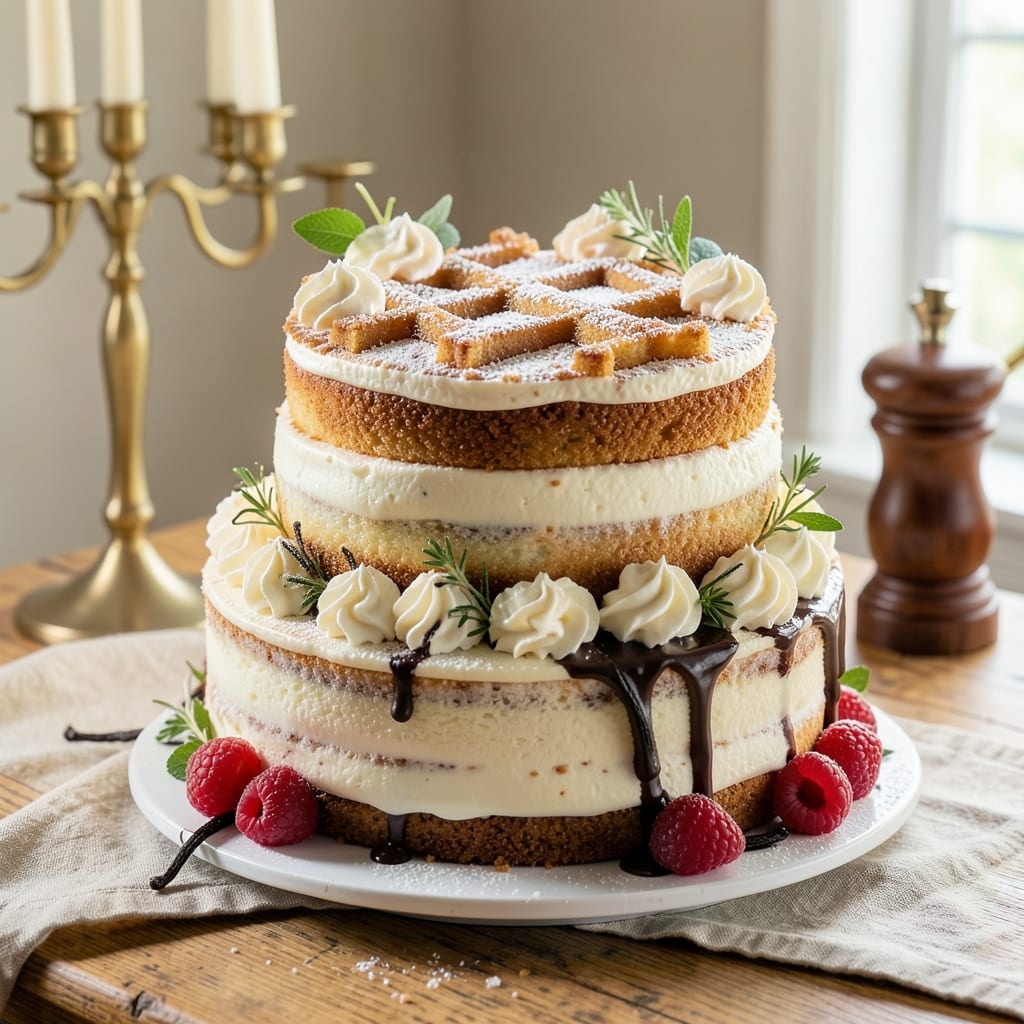
This Amish wedding cake recipe delivers timeless elegance with its signature vanilla bean and warm spice layers—perfect for celebrating love with traditional charm. 💛 The secret lies in a tender, moist crumb that's achieved through simple ingredients and careful layering, a hallmark of Amish baking traditions that prioritize quality over complexity.
What sets this cake apart is its harmonious blend of vanilla bean extract and subtle cinnamon warmth, creating a flavor profile that's both comforting and sophisticated. The recipe builds on classic Amish techniques like hand-whipped buttercream and precise layer assembly, ensuring each slice delivers that signature melt-in-your-mouth texture. For weddings, the cake's clean white exterior contrasts beautifully with the golden spice-infused layers inside.
Assembling this cake requires patience and attention to detail—each layer must be perfectly leveled and filled to create that signature domed shape. The buttercream frosting, infused with vanilla and a touch of almond extract, provides the perfect vehicle for transporting those warm spice notes throughout every bite. The result is a cake that's both visually stunning and deeply flavorful, embodying the simplicity and beauty of Amish craftsmanship.
While traditional Amish recipes often rely on basic equipment, this version includes modern adaptations that maintain authenticity while making the process more accessible. The final presentation features clean lines and elegant detailing that make it perfect for wedding displays, whether as a centerpiece or dessert table centerpiece. Here's how to create this timeless masterpiece.
Ingredients for amish wedding cake
Twelve simple yet transformative ingredients create this iconic Amish wedding cake masterpiece.
| Ingredient | Amount | Notes |
|---|---|---|
| All-Purpose Flour 🌾 | 6 cups | Sifted for light texture |
| Unsalted Butter 🧈 | 2 cups | Cold, cubed, European-style preferred |
| Granulated Sugar 🍚 | 2 ½ cups | Superfine for smooth crumb |
| Pure Vanilla Bean Extract 🌿 | 2 tbsp | Seeds scraped for intensity |
| Large Eggs 🥚 | 6 whole | Room temperature for even mixing |
| Whole Milk 🥛 | 1 ½ cups | Warmed slightly for tenderness |
| Ground Cinnamon 🌶️ | 2 tsp | True Ceylon cinnamon for warmth |
| Ground Nutmeg 🌿 | ½ tsp | Freshly grated preferred |
| Salt 🧂 | ½ tsp | Diamond Crystal kosher |
| Baking Powder 🧪 | 2 tsp | Aluminum-free for stability |
| Almond Extract 🌿 | ½ tsp | Pure, not imitation |
| Unsalted Buttercream Frosting 🧈 | 6 cups | Hand-whipped with vanilla bean |
| Powdered Sugar 🍚 | 4 cups | Sifted for smooth frosting |
| Heavy Cream 🥛 | 1 cup | Chilled for stiff peaks |
The vanilla bean extract is non-negotiable here—Madagascar bourbon vanilla from Gourmet Gift Baskets delivers that signature depth. For the butter, European-style brands like Plugrá melt beautifully without overpowering. The cinnamon should be Ceylon (not cassia) for its delicate warmth, and Penzeys Spices carries the best quality. Eggs must be room temperature—cold ones create pockets in the batter. If you're short on time, Whole Foods sells pre-sifted flour, but sifting yourself ensures that perfect tender crumb. The almond extract? McCormick pure almond is my go-to—no artificial aftertaste.
No vanilla bean extract? Double the vanilla sugar (1 tbsp vanilla sugar = 1 tsp extract) gets you close, though it lacks the depth. Running out of Ceylon cinnamon? Ground cassia at half the amount works in a pinch, but the flavor profile shifts. For the buttercream, vegan butter (like Miyoko's) creates a lighter texture if you need a dietary swap. The frosting can be made 2 days ahead—just rewhip before assembly. Need to adjust sweetness? The cake itself is mildly sweet, so reduce powdered sugar in frosting by 0.5 cup if your guests prefer subtlety. The nutmeg is where you can get fancy—freshly grated adds a bright note, but pre-ground is perfectly fine for convenience.
This cake keeps beautifully—covered at room temperature for 2 days or fridge for 5 days (bring to room temp before serving). The frosting stays luscious if stored between parchment layers in an airtight container. For wedding day assembly, level each layer with a serrated knife and chill 15 minutes between fillings to prevent sliding. The domed shape is achieved by piping extra frosting at the top—use a Wilton 1M tip for clean lines. If transporting, secure with cake boards and plastic wrap to maintain the structure. Leftovers? Slice and freeze between parchment for up to 3 months—just thaw at room temperature.
Why You'll Love This Recipe
- No-Fuss Layers: I swear by this cake’s simplicity—just creamed butter, sugar, and vanilla, folded into flour like a dream. No fancy mixers or last-minute scrambles; it’s the kind of recipe that lets you sip coffee while the batter comes together.
- Vanilla That Stops You: That pure vanilla bean extract? It’s not just flavor—it’s the kind of sweetness that lingers, rich and warm, like a hug in cake form. The butter makes every slice melt-in-your-mouth, and honestly, it’s the reason I keep making it.
- Double-Duty Cake: Between us, this cake is my secret weapon for birthdays, church potlucks, or even a last-minute dessert. The layers stay moist for days, so you can bake once and enjoy the praise for weeks. (Yes, even on a Tuesday night.)
- Budget-Friendly Luxury: Flour, butter, sugar—these are pantry staples that don’t break the bank. A single batch feeds a crowd, and leftovers? They disappear faster than I can say “second slice.” It’s the kind of treat that feels special without the grocery-shock guilt.
Step-by-step instructions for layered vanilla bean and spice harmony cake
This traditional Amish wedding cake delivers tender layers, warm spice notes, and velvety frosting—every detail matters.
👨🍳 Step 1: Prepare the Spiced Cake Batter
Preheat your oven to 350°F and line three 9-inch round cake pans with parchment paper. Sift the 6 cups all-purpose flour with the 2 tsp baking powder and 0.5 tsp salt into a large mixing bowl. Set aside—this ensures a light, airy crumb without dense pockets.
In a stand mixer fitted with the paddle attachment, cream the 2 cups cold unsalted butter and 2.5 cups granulated sugar on medium speed for 3-4 minutes until pale and fluffy. This step is non-negotiable—it incorporates air that will make your cake tender. Scrape down the sides of the bowl as needed to prevent overheating.
Add the 6 whole room-temperature eggs one at a time, mixing just until each is incorporated. Then stir in the 1.5 cups warmed whole milk, 2 tbsp pure vanilla bean extract, 0.5 tsp almond extract, 2 tsp ground cinnamon, and 0.5 tsp ground nutmeg. Mix on low speed until just combined—overmixing develops gluten and makes the cake tough. The batter should be smooth with no visible flour streaks.
🍳 Step 2: Bake the Layers to Perfect Doneness
Divide the batter evenly among the prepared pans, filling each about ⅔ full. Tap the pans gently on the counter to release any air bubbles. Bake for 25-30 minutes until a toothpick inserted in the center comes out clean with a few moist crumbs clinging to it. The edges should be golden brown but not dark.
Here's the thing—Amish wedding cakes rely on that warm spice aroma. As they bake, you'll smell the cinnamon and nutmeg intensify. That's your cue they're developing the signature flavor profile. Let the cakes cool in their pans for 10 minutes, then transfer to a wire rack to cool completely. This gradual cooling prevents cracking and maintains moisture.
🥘 Step 3: Assemble with Buttercream and Heavy Cream Whipped Topping
Once completely cooled, level the tops of the cakes if needed. Place the first layer on a cake stand or plate, then spread a generous layer of 2 cups unsalted buttercream frosting over the top. This is where the magic happens—the buttercream should be smooth and pipeable, not too soft or it'll slide off.
In a separate bowl, whip the 1 cup chilled heavy cream to stiff peaks. Fold this lightly into the remaining 4 cups powdered sugar to create a light, airy whipped topping. This contrast between the rich buttercream and delicate whipped cream is classic Amish wedding cake technique. Place the second layer on top of the buttercream, then repeat with the final layer.
🎂 Step 4: Frost and Decorate with Traditional Elegance
Spread the remaining 4 cups buttercream frosting over the entire cake, creating a smooth base. Use an offset spatula to achieve crisp, clean edges. For that signature Amish look, pipe rosettes or simple swirls around the base, then cover the top with a smooth layer of frosting. Dust the top lightly with powdered sugar for a snowy finish.
The final touch is the whipped cream topping. Pipe it into a ring around the top edge of the cake, then add a small rosette in the center. This creates visual contrast while keeping the cake light. Chill the cake for 1 hour before serving to let the flavors meld and the frosting set properly. Each slice should reveal tender layers, warm spice notes, and that perfect balance of richness and lightness.
Pro Tips For Making Amish Wedding Cake
- Cream Butter Slowly: Dump cold butter into warm sugar like it’s a crime—it’ll seize up. Instead, cut butter into ½-inch cubes and toss them in one at a time, letting each melt just enough to coat the sugar before adding the next. I learned this the hard way when my first batch turned into a greasy mess because I rushed.
- Whisk Eggs Room Temp: Cold eggs? Skip it. Whisk them at room temperature first—no waiting overnight, just 10 minutes on the counter. Warm eggs blend smoother into the batter, giving you a lighter texture. Trust me, your cake will thank you when it doesn’t sink like a rock.
- Sift Flour Twice: One sift won’t cut it. Sift the flour before measuring, then sift it again right into the bowl. This keeps the batter airy and prevents dense layers. I used to skip this, and my cakes always felt heavy—now they’re light as a cloud.
- Bake Low and Slow: Preheat to 325°F, not 350°F—this recipe demands it. A slower bake ensures even rising and prevents a cracked top. I was skeptical until I tried it; the crumb is buttery and uniform, not dry or undercooked in the center.
Troubleshooting this dish
Cake Layers Uneven
If your layers collapse or shift during assembly, it's usually due to uneven cooling or too much frosting. Let each baked layer cool completely before handling, and chill the cake for 15 minutes between frosting layers. Use 2 cups frosting per layer—any more risks sliding. For extra stability, pipe a 1-inch border of frosting around each layer before stacking. I've also found that leveling the cake layers with a serrated knife (not a cake leveler) gives cleaner edges and prevents doming issues. 💫
Frosting Too Soft
Buttercream that's too warm or overmixed becomes runny, causing messy assembly. Keep your frosting in the fridge for 10-15 minutes before piping, and rewhip if it softens during use. For a firmer texture, chill your mixing bowl and beaters for 5 minutes before whipping. I recommend using European-style butter (like Plugrá) because it has a higher fat content that holds up better in warm kitchens. If your frosting still melts, try adding 1 tsp cornstarch to the powdered sugar mixture for stability.
Spice Flavor Fading
The warm cinnamon and nutmeg notes can disappear if the cake sits too long before serving. Bake your cake no more than 2 days ahead and store it in an airtight container at room temperature. For a flavor boost, brush the cooled layers with 1 tbsp warmed milk before frosting—this reactivates the spices. If you notice dull flavor, add ½ tsp extra cinnamon directly to the frosting or dust the top with a pinch of nutmeg before serving. Freshly grated nutmeg makes a world of difference! 🌶️
Crumbling Edges
Dry cake edges usually mean overbaking or insufficient fat in the batter. Pull your cakes out when a toothpick comes out with moist crumbs (not completely clean). For extra moisture, brush the cooled layers with 2 tbsp simple syrup (equal parts sugar and water, heated until dissolved) before frosting. If your cake still crumbles, try adding 1 tbsp sour cream to the batter for tenderness. Chill the assembled cake for 1 hour before slicing to help the edges hold together.
Frosting Separating
This happens when buttercream isn't properly emulsified or when ingredients aren't at the right temperature. Make sure your butter is soft but not melted when creaming, and that your powdered sugar is sifted to avoid lumps. For a foolproof method, I like to mix the butter and sugar first until fluffy, then gradually add the milk and vanilla. If separation occurs, simply rewhip the frosting on low speed until smooth. For extra insurance, add 1 tsp lemon juice to the powdered sugar—it helps stabilize the mixture. 💡
Whipped Cream Not Holding
Heavy cream that collapses often means it wasn't cold enough or was overwhipped. Chill your bowl and beaters in the freezer for 10 minutes before whipping, and use very cold cream straight from the fridge. Avoid overmixing—stop when the cream forms stiff peaks that hold their shape when the beaters are lifted. For extra stability, fold in 1 tbsp powdered sugar at the end. If your cream still deflates, try adding ½ tsp vanilla extract or 1 tsp cornstarch to the sugar before whipping.
Nutrition facts
Frequently asked questions
Can I make this Amish wedding cake without a stand mixer?
Cream the butter and sugar by hand using a wooden spoon or rubber spatula until light and fluffy (8-10 minutes of vigorous mixing). For the eggs and milk, use a hand mixer or whisk in a large bowl. The key is patience—just mix until combined but avoid overworking the batter. A hand-cranked mixer works beautifully for the buttercream too!
How do I adjust this recipe for a smaller wedding?
For a 6-serving cake, reduce each ingredient by 50% and bake in two 8-inch pans instead of three 9-inch. For a 4-serving mini cake, use one 6-inch pan and halve all quantities. The layering technique remains the same—just scale down the frosting proportionally. A smaller cake will bake 10-15 minutes less than the full recipe.
What makes this cake distinctly "Amish" in flavor?
The signature Amish flavor comes from three key elements: pure vanilla bean extract (not imitation), Ceylon cinnamon (not cassia), and the almond extract that rounds out the spices. The warm milk bath before frosting also reactivates these spices for maximum aroma. Traditional Amish cakes often use less sugar than modern recipes, letting the spices shine through.
Can I substitute the whipped cream topping?
Yes! For a lighter option, try Italian meringue buttercream or choux pastry rosettes around the base. For a dairy-free version, use coconut whipped cream (chilled for 2 hours before whipping). If you prefer chocolate, a dark chocolate ganache drizzle creates elegant contrast. The key is maintaining the cake's light, airy contrast with the rich buttercream layers.
How far ahead can I prepare this cake?
Bake the layers 1-2 days ahead and store in an airtight container at room temperature. The frosting can be made 2 days ahead and refrigerated (rewhip before use). Assemble the cake 4-6 hours before serving to let the flavors meld. For best texture, avoid refrigerating the fully assembled cake—it can cause the frosting to weep.