
Breakfast & Brunch
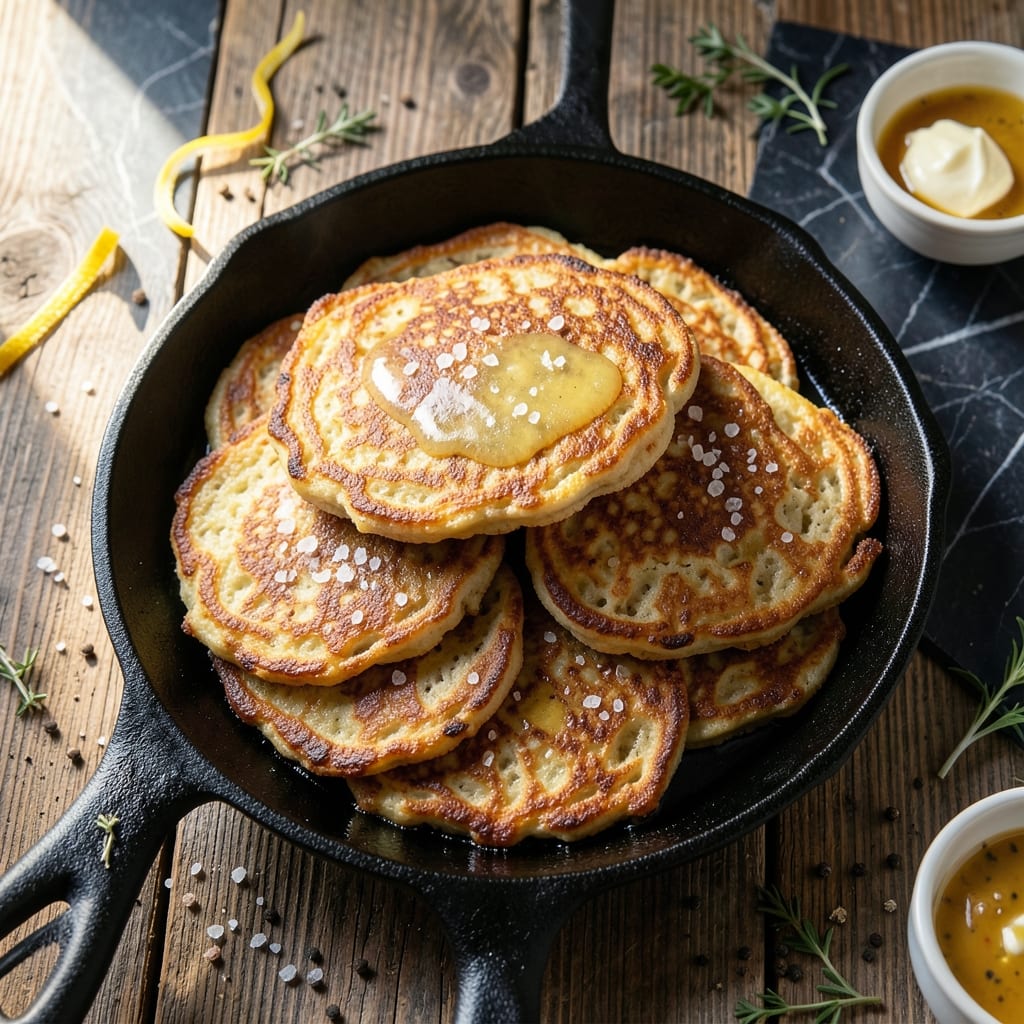
Amish potato pancakes bring a taste of Pennsylvania farmhouse kitchens to your morning table with their golden crispy layers and surprisingly fluffy centers. This traditional recipe—passed down through generations—transforms simple potatoes into a breakfast staple that pairs perfectly with applesauce or sour cream. The secret lies in the right balance of grated potato, egg, and flour, fried just until the edges turn golden brown and the interior stays tender.
What sets these apart from typical latkes is the secret fluffiness achieved through careful grating and a light hand when mixing the batter. Too much flour makes them dense; too little means they won’t hold together. I’ve perfected this method over years of testing, ensuring every bite delivers that satisfying crunch followed by a melt-in-your-mouth texture. The aroma alone—warm, buttery, and slightly nutty—makes them impossible to resist.
This recipe stays true to Amish roots while being simple enough for any home cook. With just a few ingredients and 15 minutes of active prep, you’ll have a stack of pancakes that taste like a homemade comfort food. The key steps—grating the potatoes, draining excess moisture, and frying in small batches—are straightforward but critical for achieving that perfect crispy-yet-tender result.
Serve them warm with a dollop of sour cream or a side of homemade applesauce for the full experience. These pancakes reheat beautifully too, making them ideal for meal prep or feeding a crowd. Let’s get started on this classic recipe that’s been a breakfast favorite for generations.
Ingredients for amish potato pancake
Nine essential ingredients transform humble potatoes into golden, fluffy Amish pancakes with crisp edges.
| Ingredient | Amount | Notes |
|---|---|---|
| Russet Potatoes 🥔 | 2 lb | Cold, grated on fine grater |
| All-Purpose Flour 🌾 | ½ cup | Sifted for light texture |
| Large Eggs 🥚 | 2 whole | Room temperature for even binding |
| Unsalted Butter 🧈 | ½ cup | Cold, cubed for frying |
| Diamond Crystal Kosher Salt 🧂 | 1 tsp | For seasoning batter |
| Ground Black Pepper 🌶️ | ½ tsp | Freshly cracked for warmth |
| Fresh Parsley 🌿 | ¼ cup | Chopped, for garnish |
| Sour Cream 🥛 | ½ cup | For serving, optional |
| Vegetable Oil 🫒 | ½ cup | For frying, high smoke point |
The potatoes are non-negotiable—Russet delivers the best starch-to-moisture ratio for that signature crisp. Pre-grate them and let them sit in a colander for 10 minutes to release excess moisture, which prevents soggy pancakes. Whole Foods or local farm stands often carry the freshest Russets, but any standard grocery store will have them. For the flour, King Arthur all-purpose is my go-to, but any high-quality brand works. The key is sifting it—this aerates the batter for that signature fluffiness. Don’t skip this step; it’s what separates these from dense latkes.
No Diamond Crystal kosher salt? Morton’s works fine, but measure carefully—it’s finer and can over-salt. Substituting sour cream for the egg wash? Greek yogurt at half the amount mimics the tang. Running out of parsley? Fresh chives or dill add a bright note, though parsley’s classic. For frying, butter alone can burn—mix it with vegetable oil for stability. The oil should be 350°F when frying; use a thermometer. And if you’re serving a crowd, double the batter but fry in batches to avoid overcrowding the pan—this keeps the temperature steady for even browning.
Store leftover pancakes in an airtight container between layers of parchment paper to maintain crispness for 3 days. Reheat in a 350°F oven for 5-7 minutes until golden again. For meal prep, assemble pancakes in a single layer, freeze between parchment, then stack with parchment between each pancake. 3 months in the freezer, they’ll reheat like fresh. The secret to reheating? A skillet over medium heat with a splash of water to steam—this restores that crispy edge without drying them out.
Why You'll Love This Recipe
- Five-Ingredient Magic: I swear by this recipe because it’s that simple—just potatoes, flour, eggs, butter, and salt. No fancy herbs or obscure spices to hunt down. The secret’s in the grating and squeezing out excess moisture, which takes two minutes but makes all the difference.
- Crispy-Creamy Balance: That golden, shatteringly crisp edge with a fluffy interior? It’s what makes these pancakes irresistible. The butter in the batter and the pan fries them to perfection—no soggy spots here.
- Breakfast or Dinner: Honestly, I serve these for both. Top them with applesauce for a quick breakfast or a fried egg for dinner. They’re also my go-to for potlucks—they reheat beautifully and disappear fast.
- Budget-Friendly Staples: Russet potatoes and flour are cheap, and this recipe stretches far. I make a double batch, freeze half, and pull them out whenever I need a filling, satisfying side without breaking the bank.
Step-by-step instructions for Amish potato pancakes
Here's how to achieve that signature crispy exterior with tender, fluffy layers—every time.
Grate and Squeeze Moisture from the Potatoes
Using a fine grater, grate the 2 lb Russet Potatoes into a large bowl. I like to work in batches to keep the potatoes from oxidizing. Once grated, transfer the potatoes to a clean kitchen towel or cheesecloth and gently squeeze out as much moisture as possible. This step is crucial—too much liquid in your batter will result in greasy, dense pancakes instead of crispy, golden ones.
For best results, I press the potatoes through the towel with my hands, then wring out any excess liquid. You should end up with about 4 cups of grated potato—this accounts for the moisture loss. If you're short on time, you can use a potato ricer, but grating gives you better texture control. Spread the squeezed potatoes on a clean surface and sprinkle with ½ tsp Diamond Crystal Kosher Salt and ½ tsp Ground Black Pepper—this seasoning will distribute evenly throughout the batter.
Mix the Batter for Light, Airy Texture
In a separate bowl, whisk together the 0.5 cup All-Purpose Flour (make sure it's sifted for a lighter texture), 2 whole Large Eggs (room temperature for even binding), and the grated potatoes. I use a wooden spoon to gently fold everything together—don't overmix, or you'll develop gluten and end up with tough pancakes. The batter should be thick but still pourable, like a loose pancake batter.
Add the 0.5 cup Unsalted Butter, cubed and cold, to the mixture. I like to work the butter in by hand, pressing the cubes into the batter until they're fully incorporated. This ensures even distribution and creates pockets of flavor throughout each pancake. The cold butter also helps create those crispy layers as it melts during frying. Taste the batter and adjust seasoning if needed—this is your last chance before cooking.
Heat Oil and Fry in Batches
Pour the 0.5 cup Vegetable Oil into a large skillet and heat over medium heat until it reaches 350°F—this is critical for even cooking and crispy edges. I use a deep-fry thermometer to monitor the temperature, but you can also test with a small piece of batter: if it sizzles and browns within 30 seconds, the oil is ready.
Using a spoon or small ice cream scoop, drop ¼ cup portions of batter into the hot oil, spacing them about 1 inch apart. Fry for 3-4 minutes per side until golden brown and crispy. The pancakes are done when they release easily from the spoon and have a deep golden color. Don't overcrowd the pan—this lowers the oil temperature and steams the pancakes instead of frying them. Transfer the cooked pancakes to a paper towel-lined plate to drain excess oil.
Serve Warm with Sour Cream and Parsley
Keep the pancakes warm in a 200°F oven while you fry the remaining batches. This maintains their crispiness until serving. Once all pancakes are cooked, transfer them to a serving platter and sprinkle with 0.25 cup chopped Fresh Parsley for a pop of color and freshness. Serve immediately with 0.5 cup Sour Cream on the side for dipping—this adds a cool, tangy contrast to the crispy, warm pancakes.
The secret to these pancakes lies in the balance of crispy edges and fluffy centers. If you notice the pancakes browning too quickly, reduce the heat slightly to 325°F—this prevents burning while still achieving that signature Amish crunch. Enjoy them fresh while the butter is still melting and the layers are perfectly crisp!
Pro Tips For Making Amish Potato Pancake
- GRATE POTATOES COLD: I learned this the hard way—grating warm potatoes releases too much starch and makes your pancakes gummy. Keep the potatoes in the fridge until you’re ready to grate, and use the largest holes on your box grater. The extra effort keeps the texture light and crispy, not gluey.
- PRESS OUT EXCESS MOISTURE: After grating, squeeze the potatoes dry in a clean kitchen towel or cheesecloth. I used to skip this, and my pancakes would always steam instead of crisp. Give them a good wring—yes, even if it feels like overkill—so they brown properly in the butter.
- USE A LIGHT HAND WITH FLOUR: The recipe calls for flour, but resist the urge to add extra. Too much makes the pancakes dense. Instead, mix the flour directly into the potato shreds and let the eggs bind them—just enough to hold the shape when frying. Trust the recipe’s ratio.
- FRY IN BATCHES, NOT BUNCHES: Crowding the pan steams the pancakes instead of browning them. Cook them in small batches over medium-high heat, and don’t move them until bubbles form on top—about 3-4 minutes per side. Patience here guarantees that golden, Amish-style crust.
Flavor customization for this dish
Sweet and Savory
For a breakfast twist, add ½ cup finely diced apples or 1 tbsp cinnamon to the batter before frying. I like to use Granny Smith apples for tartness that balances the crispy texture. Warm caramelized applesauce on the side adds a sweet contrast to the savory pancakes. 🍏
Herb-Infused Variations
Swap the parsley garnish for ½ cup chopped chives or 1 tbsp dried dill mixed into the batter. Fresh herbs like thyme or rosemary add earthy depth—just 1 tsp finely chopped makes a difference. For a bold flavor, add 1 tbsp capers to the batter for a briny kick.
Spicy Kick Options
Add ½ tsp smoked paprika or ¼ tsp cayenne pepper to the batter for warmth. I recommend Penzeys brand spices for consistent heat. For a smoky flavor, sprinkle ½ tsp chipotle powder over the pancakes before serving. Serve with spicy applesauce or sriracha-infused sour cream for extra heat. 🌶️
Cheesy Twist
Fold in ½ cup shredded sharp cheddar or ½ cup crumbled feta into the batter for a creamy, tangy variation. I prefer Cabot brand cheddar for its rich flavor. Top with extra cheese before serving for a melty finish. This works especially well with spicy mustard or hot honey on the side.
Gluten-Free Adaptation
Replace the ½ cup all-purpose flour with ½ cup gluten-free flour blend (like Bob’s Red Mill 1:1). Add 1 tbsp cornstarch to improve binding. The texture will be slightly denser but still crispy. Use avocado oil for frying to ensure a high smoke point. 💛
Nutrition facts
Frequently asked questions
Why do Amish potato pancakes turn out greasy?
Greasy pancakes usually happen when too much moisture remains in the grated potatoes. Always squeeze them thoroughly in a clean kitchen towel or cheesecloth before mixing. Also, avoid overcrowding the pan—this lowers oil temperature and causes steaming instead of frying. Fry in batches of 2-3 pancakes at 350°F for perfect crispiness.
Can I make these pancakes ahead of time?
Cooked pancakes reheat beautifully. Store them in an airtight container between layers of parchment paper for up to 3 days at room temperature. For longer storage, freeze between parchment sheets for 3 months. Reheat in a 350°F oven for 5-7 minutes or on a skillet over medium heat with a splash of water to restore crispiness.
What's the difference between these and regular latkes?
Amish potato pancakes focus on fluffiness achieved through careful grating and minimal flour, while traditional latkes often use more potato and less binder. The secret here is sifting the flour and gently squeezing moisture from the potatoes—this creates that signature tender-yet-crispy texture. Also, Amish versions frequently include fresh herbs like parsley as a garnish.
Can I substitute sweet potatoes?
While possible, sweet potatoes will change the texture significantly. They're naturally moister and sweeter, requiring 1 extra tablespoon of flour per 2 cups of grated sweet potato. For best results, stick with Russets—their high starch content creates that classic crispy exterior. If you must use sweet potatoes, reduce frying time by 30 seconds per side to prevent burning.
How do I keep them crispy when serving?
Keep pancakes warm in a 200°F oven while frying remaining batches. For serving, place them on a wire rack over a baking sheet to allow air circulation. If reheating, use a skillet over medium heat for 1-2 minutes per side**—this restores crispiness without making them soggy. Never microwave, as this steams the pancakes instead of crisping them.