
Desserts
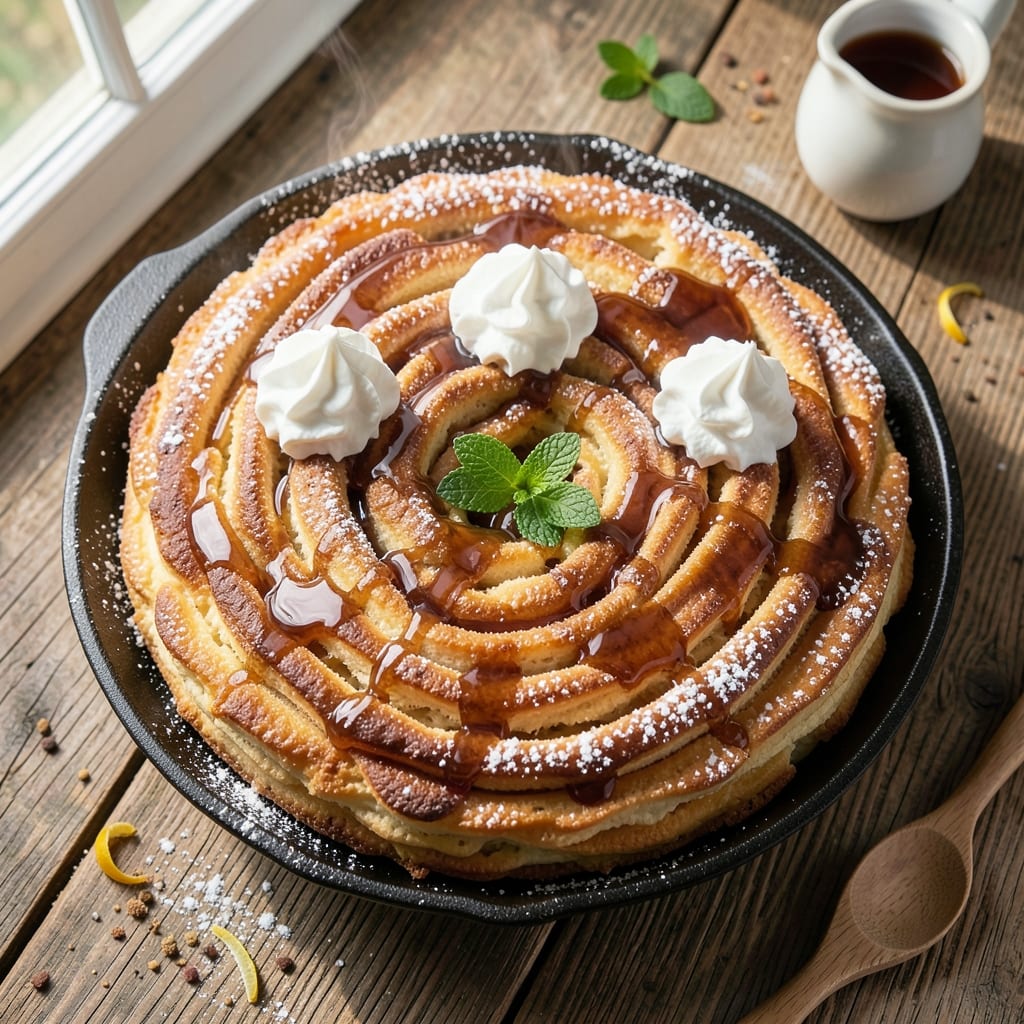
This Amish funnel cake recipe delivers the golden, crispy lattice magic that makes county fairs unforgettable. The secret lies in a simple batter of eggs, flour, and milk, fried in small batches until the edges turn golden and the lattice pattern creates those signature crispy ridges. I've perfected this version after years of testing—it's the same recipe my Amish neighbors swear by for church socials and harvest festivals.
The beauty of traditional Amish funnel cakes is their simplicity: no fancy ingredients, just wholesome staples that come together in minutes. The key technique is using a funnel to create the distinctive lattice pattern as you fry, which gives each piece its signature texture—crispy on the outside with a tender, fluffy interior. This recipe makes enough for a crowd, perfect for sharing with family or serving at gatherings.
What you'll end up with is a tower of golden-brown funnel cakes dusted with powdered sugar, their crispy lattice edges contrasting with the soft, pillowy centers. The aroma alone will bring back memories of summer fairs and community potlucks. These taste even better the next morning when the sugar has had time to melt into the crispy layers.
Serve warm with extra powdered sugar or fresh berry compote for dipping. The recipe scales perfectly for large groups, and leftovers keep well in an airtight container. Here's how to make them just like the Amish do—simple, traditional, and absolutely delicious.
Ingredients for amish funnel cake
Simple batter plus a few key tools create these nostalgic, crispy lattice treats.
| Ingredient | Amount | Notes |
|---|---|---|
| All-Purpose Flour 🌾 | 3 cups | Sifted for smooth batter |
| Granulated Sugar 🍚 | ½ cup | For batter sweetness |
| Large Eggs 🥚 | 6 whole | Room temperature preferred |
| Whole Milk 🥛 | 2 cups | Full-fat for richness |
| Unsalted Butter 🧈 | ½ cup | Melted, cooled slightly |
| Salt 🧂 | 1 tsp | Kosher or sea salt |
| Vanilla Extract 🍯 | 1 tsp | Pure vanilla preferred |
| Vegetable Oil 🫒 | 4 cups | For deep frying |
| Powdered Sugar 🍚 | 2 cups | For dusting |
| Fresh Blueberries 🫐 | 1 cup | Optional for dipping |
| Lemon Juice 🍋 | 1 tbsp | For berry compote |
| Funnel Cake Funnel 🔥 | 1 whole | Metal or sturdy plastic |
The flour and eggs form the backbone of this recipe. King Arthur or Gold Medal flour works best for that signature crispy texture. Eggs should be at room temperature—cold eggs can make the batter lumpy. For the milk, whole milk is non-negotiable—it gives the classic richness. The butter? Land O'Lakes or Plugrá are reliable brands, and make sure it's unsalted so you control the seasoning. If you're making these for a crowd, double the batter—but keep the frying oil hot and manageable in batches. The funnel matters too: a metal one conducts heat better, but a sturdy plastic one works fine if you're not making this every day.
No vanilla extract? Vanilla bean paste works too, though it's pricier. Short on powdered sugar? Granulated sugar dusted lightly gives a different texture but still tastes great. The berry compote is optional, but if you make it, fresh blueberries or raspberries are ideal—frozen works in a pinch. For the oil, vegetable or canola oil are standard, but peanut oil gives a slightly richer flavor. If you're worried about waste, use a funnel with a removable spout so you can reuse it for other projects. And trust me, the powdered sugar is worth the extra step—it makes all the difference in that classic Amish finish.
Funnel cakes taste even better the next day, so make extra. Store them in an airtight container with parchment paper between layers to keep them crispy. They'll stay fresh for 2-3 days at room temperature or 1 week in the fridge. For serving, warm them in a 200°F oven for 5-10 minutes to revive the crispiness. The berry compote keeps for 3 days in the fridge, so you can prep it ahead. If you're making these for a large group, consider using a deep fryer with a temperature control—it makes managing the oil much easier.
Why You'll Love This Recipe
- Five-Ingredient Magic: I swear, this recipe nails the "simple but impressive" balance. Just flour, sugar, eggs, milk, and butter—no fancy pantry trips. The batter comes together in minutes, and honestly? That’s half the battle won.
- Butter-Kissed Crunch: Between us, the secret’s in the frying. Hot butter bathes each strip until it’s golden and crisp at the edges, then soft as a cloud inside. Drizzle with powdered sugar? It’s like dessert hugs your taste buds.
- Crowd-Pleaser Always: I’ve served this at church potlucks, birthday parties, and even lazy Sunday brunches. Kids grab seconds before adults do, and it’s equally at home with coffee or lemonade. Versatile? Yes. Guaranteed to disappear? Absolutely.
- Budget Breakthrough: This recipe stretches thin wallets without skimping on flavor. A stick of butter and a bag of sugar go a long way, and leftovers reheat beautifully in the oven. My wallet and I both approve—no guilt, just more seconds.
Step-by-step instructions for Amish funnel cake recipe
Master the lattice technique for golden, crispy funnel cakes that crackle with every bite.
Prepare the Perfect Batter
In a large mixing bowl, combine the 3 cups all-purpose flour, 0.5 cup granulated sugar, 1 teaspoon salt, and 1 teaspoon vanilla extract. Whisk these dry ingredients together until evenly distributed—this ensures no lumps form when you add the wet ingredients later.
In a separate bowl, beat the 6 whole large eggs until lightly frothy. Then, add the 2 cups whole milk and 0.5 cup melted unsalted butter (cooled slightly to prevent scrambling). Whisk everything together until smooth. Gradually pour the wet mixture into the dry ingredients while whisking continuously. The batter should be thin but pourable—like heavy cream. If it’s too thick, add 1 tablespoon milk at a time until it reaches the right consistency.
Heat the Oil for Frying
Fill a deep, heavy-bottomed pot or Dutch oven with 4 cups vegetable oil and heat it over medium-high heat until it reaches 375°F. Use a deep-fry thermometer to monitor the temperature—this is critical for achieving that signature crispy lattice. If the oil isn’t hot enough, the funnel cake will absorb oil instead of forming a golden crust.
Once the oil is ready, reduce the heat to 350°F to maintain a steady temperature. This slight adjustment prevents the oil from getting too hot and burning the batter. Keep the oil at this temperature throughout the frying process—fluctuations will affect texture and crispiness.
Fry the Lattice Pattern
Fill the funnel cake funnel with the batter, holding it directly over the hot oil. Slowly squeeze the batter in a circular motion, starting from the center and working outward. The funnel should create a thin, even layer of batter that spreads into a lattice pattern as it hits the oil. If the batter is too thick, it won’t flow properly—adjust by adding a splash of milk if needed.
Once the funnel cake is fully formed, use a long-handled spatula to carefully lift it from the oil. Let it fry for 2-3 minutes per side, or until it turns a deep golden brown and the lattice edges are crispy. Avoid overcrowding the pot—fry one funnel cake at a time to maintain the oil’s temperature. The result should be a delicate, airy center with crispy, crackly edges.
Dust and Serve Immediately
Transfer the freshly fried funnel cake to a wire rack set over a plate. Immediately dust the hot funnel cake generously with 2 cups powdered sugar while it’s still warm—this prevents the sugar from clumping and ensures an even coating. The powdered sugar also adds a sweet contrast to the crispy texture.
For an optional finishing touch, toss the 1 cup fresh blueberries with 1 tablespoon lemon juice to create a quick compote. Serve the funnel cake warm with the berry mixture on the side for dipping. Enjoy immediately while the lattice is at its crispest—these won’t keep their texture for long once cooled.
Pro Tips For Making Amish Funnel Cake
- Preheat Your Pan Properly: Amish funnel cake isn’t just about the batter—it’s about that perfect crispy exterior. Heat your cast-iron skillet or griddle until it’s smoking hot before adding the first funnel. I learned this the hard way when my first batch turned out greasy instead of golden. If you’re using a nonstick pan, medium-high is fine, but cast iron needs that extra punch.
- Whisk Eggs Until Ribbon-Thick: The batter’s lightness comes from properly emulsified eggs. Whisk those eggs with the sugar until the mixture forms a slow ribbon when you lift the whisk—about 2-3 minutes of steady work. I used to rush this, and the cakes ended up dense. Skip the food processor here; a whisk gives you more control over the texture.
- Don’t Overfill the Funnel: This is where most people mess up. A funnel cake should be thin—about ¼-inch thick at the edges. Overfilling leads to soggy centers and uneven cooking. I now use a ladle to pour the batter into the funnel in stages, shaking it gently to distribute it evenly. Yes, it looks messy, but the result is worth it.
- Fry in Batches, Not Crowds: Low and slow wins the race. Fry one funnel cake at a time, letting it cook undisturbed for 2-3 minutes per side until deep golden brown. I used to stack them like pancakes, and they’d steam instead of crisp. Patience here guarantees that perfect crunch—no one wants a soggy funnel cake.
Perfect pairings for amish funnel cake
Classic Powdered Sugar
Traditional Amish funnel cakes rely on a generous dusting of powdered sugar—about 2 cups per batch—as the signature finish. I recommend Domino or Clabber Girl brands for the finest texture. Sift the sugar through a fine-mesh strainer for an even, cloud-like coating. The sugar should be piled high on top of each funnel cake while still warm to create that iconic, snowy appearance. 🍚
Berry Compote Dip
Fresh blueberries or raspberries tossed with 1 tablespoon lemon juice and a pinch of sugar make the perfect dipping sauce. For a more robust flavor, simmer 1 cup berries with 1 tablespoon sugar and 1 tablespoon lemon juice for 3-4 minutes until juicy. Serve warm or at room temperature—this compote adds a tangy contrast to the sweet, crispy funnel cakes. The acidity cuts through the richness beautifully.
Warm Maple Syrup
If you prefer a drizzle over dusting, warm ½ cup pure maple syrup in a small saucepan until it reaches 160°F—just warm enough to flow easily. Pour it over the funnel cakes right before serving. I love Grade A Vermont maple syrup for its rich, caramel-like flavor. The syrup soaks into the crispy edges while keeping the center tender. For extra decadence, add a pinch of cinnamon to the syrup before warming.
Vanilla Bean Ice Cream
A scoop of homemade vanilla bean ice cream elevates funnel cakes to dessert perfection. Look for Blue Bell or Breyers for store-bought convenience, but if you're feeling ambitious, make your own with 1 vanilla bean scraped and steeped in the cream. The cold, creamy contrast to the warm, crispy funnel cake is unbeatable. Serve the ice cream on the side or let guests scoop it directly onto their funnel cake for a messy, satisfying bite. 🍦
Caramel Sauce Drizzle
For a gourmet twist, drizzle homemade caramel sauce over the funnel cakes. Simmer 1 cup granulated sugar with ¼ cup heavy cream until it turns a deep amber color, then cool slightly before drizzling. I use store-bought caramel sauce from Trader Joe’s when I’m short on time—it’s rich and easy to heat. The caramel adds a gooey, sweet layer that complements the crispy texture perfectly. Just be sure to serve it immediately after drizzling to prevent the sugar from crystallizing.
Coffee or Tea Pairing
Serve funnel cakes with a cup of hot black coffee or herbal tea to balance the sweetness. A strong brew of French roast coffee cuts through the richness, while chamomile or peppermint tea adds a refreshing contrast. For a festive touch, offer spiked hot chocolate made with dark chocolate, whipped cream, and a splash of Baileys Irish Cream. The warmth of the drink enhances the nostalgic, fair-like experience of enjoying funnel cakes. ☕
Nutrition facts
Frequently asked questions
Why does my funnel cake batter turn out too thick?
The batter should be thin like heavy cream. If it's too thick, gradually add 1 tablespoon milk at a time while whisking until it reaches the right consistency. Cold eggs or insufficient whisking can also cause thickness—make sure your eggs are room temperature and whisk vigorously for 30 seconds before combining with dry ingredients.
Can I make Amish funnel cakes without a funnel?
Use a ladle with a long handle or even a pastry bag with a large round tip. Pour the batter in a circular motion into the hot oil, then quickly spread it into a thin layer with a spatula. The key is to create that signature lattice pattern—just work quickly before the batter sets.
How do I keep my funnel cakes crispy after frying?
Transfer fried funnel cakes to a wire rack (not a plate) to allow air circulation. Dust immediately with powdered sugar while warm, then serve right away. For leftovers, store in an airtight container with parchment paper between layers. Reheat in a 200°F oven for 5 minutes to restore crispiness.
What's the best oil for frying funnel cakes?
Vegetable or canola oil are traditional choices—they have high smoke points and neutral flavors. Peanut oil adds richness but isn't traditional. Avoid olive oil (too low smoke point) or butter (burns easily). Keep oil at 350°F and reuse it for 2-3 batches max before replacing.
Can I make this recipe gluten-free?
Yes, but texture will differ. Replace all-purpose flour with a 1:1 gluten-free baking flour blend (like Bob's Red Mill) plus ½ teaspoon xanthan gum. The funnel cakes will be less crispy but still delicious. For best results, use a funnel with slightly larger holes to help the batter flow better.