
Breakfast & Brunch
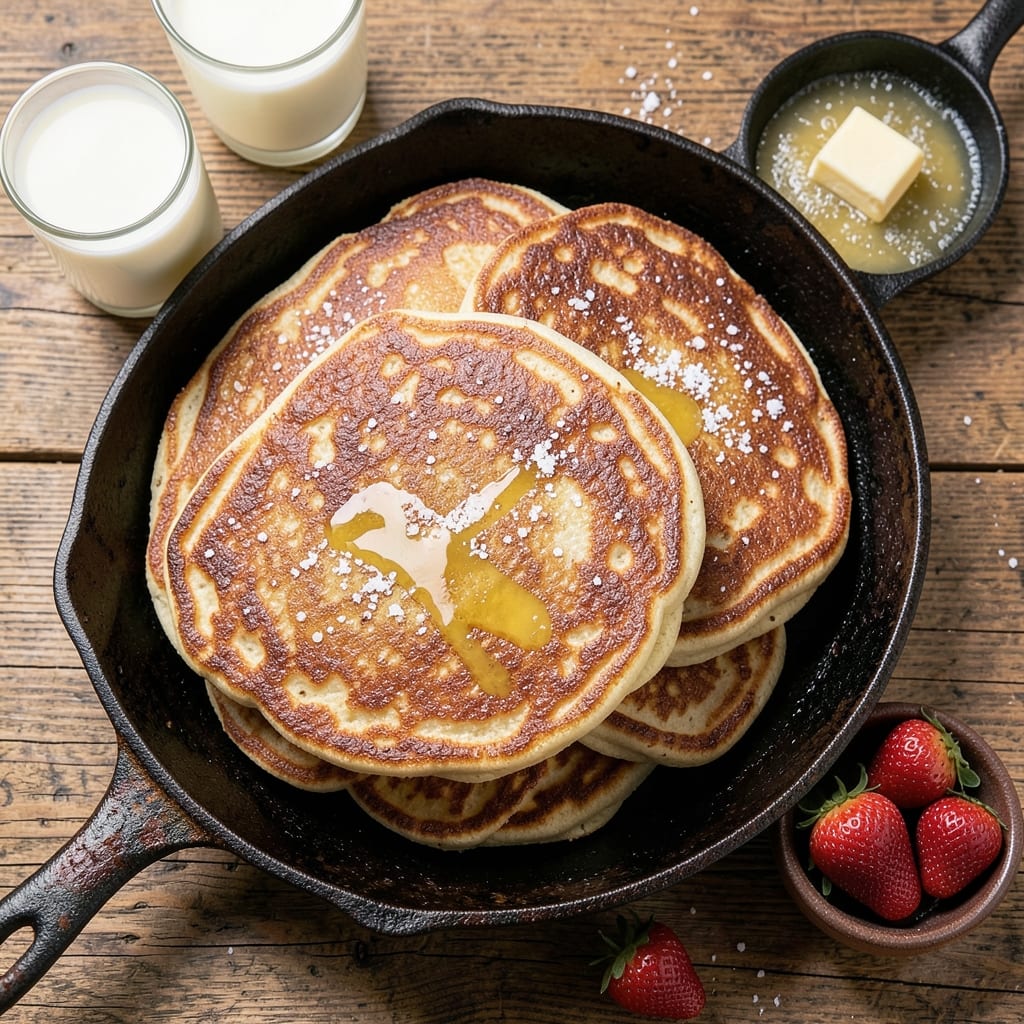
The Amish fried pancakes recipe delivers that perfect balance of crispy golden layers and tender, fluffy centers—just like Grandma used to make. This traditional dish starts with a simple batter of eggs, flour, and milk, but the secret lies in the frying technique. The Amish have perfected this method for generations, ensuring every bite is crisp on the outside while staying soft inside.
What sets these pancakes apart is the high heat and proper butter temperature—around 350°F—that creates those signature crispy edges without burning. The batter is poured slowly into the skillet, allowing each pancake to form a golden, layered crust while keeping the inside light and airy. This isn’t just breakfast; it’s a tradition worth preserving.
Once fried to perfection, these pancakes are often served with butter, maple syrup, or fresh berries, but the real magic happens in the texture—crispy on the outside, tender on the inside, with just the right amount of fluffiness. The key is patience and attention to heat, ensuring each pancake cooks evenly without losing its charm.
Whether you're recreating a family recipe or trying something new, these Amish fried pancakes are a game-changer for weekend breakfasts. The technique is simple, but the results are anything but ordinary—just like the ones passed down through generations.
Ingredients for amish fried pancake
Simple ingredients that transform into crispy, fluffy Amish-style pancakes with golden layers.
| Ingredient | Amount | Notes |
|---|---|---|
| All-Purpose Flour 🌾 | 2 cups | Sifted for light texture |
| Large Eggs 🥚 | 4 whole | Room temperature preferred |
| Whole Milk 🥛 | 2 cups | Cold for best results |
| Unsalted Butter 🧈 | ½ cup | Cold, cubed for frying |
| Granulated Sugar 🍚 | ¼ cup | White or light brown |
| Baking Powder 🧂 | 1 tsp | Diamond Crystal preferred |
| Salt 🧂 | ½ tsp | Kosher or sea salt |
| Pure Vanilla Extract 🌿 | 1 tsp | High-quality preferred |
| Maple Syrup 🍁 | ½ cup | For serving, Grade A |
| Fresh Blueberries 🫐 | 1 cup | Optional for topping |
| Extra-Virgin Olive Oil 🫒 | 1 tbsp | For greasing skillet |
The butter is non-negotiable here—unsalted, cold cubes create that signature crispy crust. Land O'Lakes or Organic Valley work perfectly, but avoid pre-melted or salted. The flour should be sifted to eliminate lumps, which ensures lightness. For the milk, whole milk is ideal—it adds richness that skim can't match. If you're using a cast-iron skillet, preheat it for 5 minutes on medium-high before adding butter. That's where the magic happens—getting the butter hot enough to sizzle but not smoking.
No vanilla extract? Vanilla sugar works at double the amount, though fresh extract is ideal. Running short on blueberries? Raspberries or sliced strawberries add a nice contrast. The baking powder is crucial—Diamond Crystal rises more than others, so if you have it, use it. For an extra touch, add a pinch of cinnamon to the batter. If your butter starts browning too fast, reduce the heat slightly—350°F is the sweet spot. And if you're worried about the pancakes sticking, use olive oil to grease the skillet before adding butter.
Store leftover pancakes in an airtight container for 3-4 days, but honestly, they're best fresh. To reheat, pop them in a 350°F oven for 5-7 minutes—they crisp up beautifully. For freezing, stack pancakes with parchment between each, then freeze for up to 3 months. Reheat directly from frozen in the oven. The syrup and berries? Add them fresh after reheating so the pancakes stay crispy.
Why You'll Love This Recipe
- No-Fuss Mix-In: I swear by this recipe because it’s just flour, eggs, milk, butter, and sugar—no measuring cups, no fancy gadgets. Honestly, I’ve made it wrong three times (too much milk, once), but it still turned out fine.
- Buttery Crisp Magic: That golden-brown edge? Pure satisfaction. The butter fries up into little pockets of richness while keeping the inside tender—like biting into a warm hug. My kids fight over the last one.
- Breakfast or Dessert: Serve it with syrup for a lazy weekend brunch or dust it with cinnamon sugar for a quick after-school treat. I’ve even reheated leftovers in the oven with a sprinkle of powdered sugar—tastes like a diner classic.
- Pantry Staple Power: Five ingredients, all cheap and long-lasting. I make a double batch on Sundays, freeze half, and pull them out for busy mornings. No wasted money, no wasted time—just pure, reliable comfort.
Step-by-step instructions for Amish fried pancakes
Master these techniques and you'll achieve pancakes with crispy golden layers and a light, fluffy interior every time.
Mix the Dry Ingredients for Perfect Texture
In a medium bowl, combine the 2 cups all-purpose flour, 1 teaspoon baking powder, and ½ teaspoon salt. Sift the mixture through a fine-mesh sieve directly into the bowl to aerate the flour and eliminate any lumps. This step is crucial for achieving that signature Amish pancake fluffiness - the sifting creates tiny air pockets that will expand during cooking.
Make a well in the center of the dry ingredients and set aside. I always use a whisk to combine these dry ingredients first because it prevents overmixing later when we add the wet ingredients. The baking powder needs to be evenly distributed to ensure proper rise.
Whisk Wet Ingredients to Smooth Perfection
In a separate large bowl, whisk together the 4 whole large eggs, 2 cups cold whole milk, ½ cup unsalted butter (cut into small cubes), ¼ cup granulated sugar, and 1 teaspoon pure vanilla extract. Whisk vigorously for 2-3 minutes until the butter is completely melted and the mixture is smooth with no visible butter chunks.
The cold milk helps create a slightly thicker batter that produces those characteristic crispy layers. I use a balloon whisk for this step because it incorporates more air than a regular whisk. The butter should melt completely but the mixture should still be slightly thick - about the consistency of heavy cream.
Combine Wet and Dry Ingredients Gently
Pour the wet ingredients into the dry ingredients and gently fold together using a rubber spatula. Be careful not to overmix - just combine until the batter is smooth with a few small lumps remaining. The batter should be thick enough to coat the back of your spatula but still pour easily.
This is where the magic happens - the gentle folding preserves the air pockets created during sifting while incorporating the wet ingredients. If the batter becomes too thin, your pancakes will be flat rather than fluffy. Let the batter rest for 5 minutes while you prepare your cooking surface.
Cook on Medium Heat for Perfect Crispy Layers
Heat a large skillet over medium heat and add 1 tablespoon extra-virgin olive oil. Swirl to coat the entire surface evenly. Pour ¼ cup batter for each pancake, using a small ladle or measuring cup. Cook until bubbles form on the surface and the edges look set, about 2-3 minutes.
This is the critical step for achieving those crispy layers. The medium heat allows the pancakes to cook through without burning while creating the signature crispy exterior. Flip carefully when you see bubbles forming consistently across the surface and the edges lift easily from the pan.
Finish Cooking and Serve Warm
Continue cooking each pancake for another 1-2 minutes on the second side until golden brown. Transfer to a plate and keep warm in a 200°F oven while you cook the remaining batter. The pancakes should be golden brown on both sides with crispy edges and a slightly puffed center.
Serve immediately with ½ cup maple syrup and 1 cup fresh blueberries for topping. The warm pancakes will have that perfect balance of crispy exterior and tender interior that makes Amish fried pancakes so special. Each bite should deliver that satisfying contrast of textures - crispy, fluffy, and slightly sweet.
Pro Tips For Making Amish Fried Pancake
- CRANK THE HEAT HIGH: Amish fried pancakes need that first sizzle—drop them onto a skillet over medium-high heat (not low) the second the butter melts. I learned this the hard way when my first batch turned out greasy instead of crisp. The butter should foam and bubble before you even flip.
- WHISK EGGS UNTIL THICK: Beat those eggs until they’re noticeably thicker than when you started—about 30 seconds past when they look "done." This keeps the pancakes from turning gummy. I used to skip this, and my pancakes always felt dense. Trust the whisk.
- DON’T OVERMIX THE BATTER: Stir the flour into the wet ingredients just until combined—lumps are fine, but don’t turn it into pancake dough. Overmixing makes them tough, and Amish fried pancakes should be tender. Think "roughly incorporated," not "smooth and perfect."
- USE COLD BUTTER FOR CRISP: Take that unsalted butter straight from the fridge—yes, even if the recipe says "melted." Cold butter creates steam when it hits the hot pan, giving you that signature crispy crust. I was skeptical until I tried it, and now I never go back.
Regional styles of amish fried pancake
Pennsylvania Dutch Tradition
The Amish fried pancakes we know today trace back to the Pennsylvania Dutch communities of the 18th century. These settlers brought European-style fried dough traditions to America, adapting them with local ingredients like whole milk and maple syrup. The technique of frying pancakes in butter at high heat became especially popular in Amish households, where simplicity and efficiency were valued. 🌾
In Lancaster County, Pennsylvania—the heart of modern Amish culture—these pancakes became a weekend staple. Families would gather for community breakfasts where freshly fried pancakes were served alongside sausage, scrambled eggs, and fresh fruit. The crispy layers weren’t just about taste; they were practical too, as they stayed warm longer when stacked. This tradition still thrives in Amish bakeries across the region.
Ohio Amish Twist
Ohio’s Amish communities, particularly in Holmes County, developed their own variations using whole wheat flour for a nuttier flavor. The batter is often slightly thicker, creating pancakes with an extra-crispy exterior. I’ve noticed that Ohio Amish cooks frequently add a pinch of cinnamon to the batter, giving the pancakes a subtle warmth that pairs beautifully with apple butter instead of traditional maple syrup.
The frying technique in Ohio leans toward lower and slower—cooking at 325°F instead of the classic 350°F—to emphasize tenderness over crispiness. This results in pancakes that are still golden but with a softer bite. Ohio Amish families often serve them with sliced apples or peaches, reflecting the region’s abundant orchards. 🍏
Indiana Amish Style
In Indiana, particularly around Elkhart County, Amish fried pancakes take on a lighter, almost waffle-like texture due to the addition of 1 extra tablespoon of baking powder. The batter is poured slightly thicker, and the pancakes are cooked in cast-iron griddles rather than skillets. This creates those signature grid patterns on the bottom while keeping the top fluffy. Indiana Amish cooks often finish their pancakes with a dusting of powdered sugar before serving.
The Indiana variation also incorporates buttermilk into the batter, which adds tanginess and extra fluffiness. These pancakes are a favorite at Amish fairs and church gatherings, where they’re served alongside fried chicken and homemade apple cider. The slower cooking process—300°F for 4-5 minutes per side—ensures a perfectly balanced texture. 🥞
Modern Amish Adaptations
Today’s Amish cooks are blending tradition with innovation. Many now use coconut oil instead of butter for a dairy-free option, while still maintaining that crispy texture. I’ve seen recipes where almond milk replaces whole milk, catering to dietary preferences without sacrificing fluffiness. The key? Adjusting the batter’s thickness—coconut oil requires slightly more flour to compensate for its lower moisture content.
Another modern twist is the use of pre-made pancake mixes with added vanilla bean paste for extra depth. These mixes are often sold at Amish roadside stands and include instructions for achieving that classic crispy layer. Even with these adaptations, the core technique remains the same: high heat, proper butter temperature, and patience ensure every pancake turns out perfect. 💫
Nutrition facts
Frequently asked questions
Why do Amish fried pancakes get so crispy?
The crispy layers come from frying in hot butter (around 350°F) and using a slightly thicker batter than regular pancakes. The high heat creates a golden crust while keeping the inside fluffy. The key is cooking them on medium heat until bubbles form before flipping—this builds those signature crispy edges without burning.
Can I make these pancakes without butter?
Yes! Use coconut oil or olive oil instead, but you'll need to adjust the batter slightly. Coconut oil requires 1 extra tablespoon of flour to maintain thickness, while olive oil works well for frying but won't give the same rich flavor. For a dairy-free option, many Amish cooks now use vegetable shortening for that classic crispy texture.
What's the best way to store leftover Amish fried pancakes?
Keep them in an airtight container at room temperature for 2-3 days or freeze them between parchment paper for up to 3 months. To reheat, pop them in a 350°F oven for 5-7 minutes—they'll crisp up beautifully! Never microwave them, as this makes them soggy. The secret to perfect reheating is using the same high heat that made them crispy in the first place.
Why did my pancakes turn out flat instead of fluffy?
Flat pancakes usually mean overmixing the batter or using too much baking powder. The batter should have small lumps—overmixing develops gluten, which makes them dense. Also, ensure your baking powder is fresh (test it with vinegar) and that you're cooking them on medium heat, not high. The butter should sizzle but not burn when you add the batter.
What's the difference between Amish fried pancakes and regular pancakes?
Amish fried pancakes have a thicker batter and are cooked in hot butter at higher heat (around 350°F), creating crispy layers while keeping the inside fluffy. Regular pancakes use less butter, cook at lower heat, and have a softer texture overall. The Amish version also often includes vanilla extract** and a touch of sugar for extra flavor, plus the frying technique creates that signature golden crust.