
Desserts
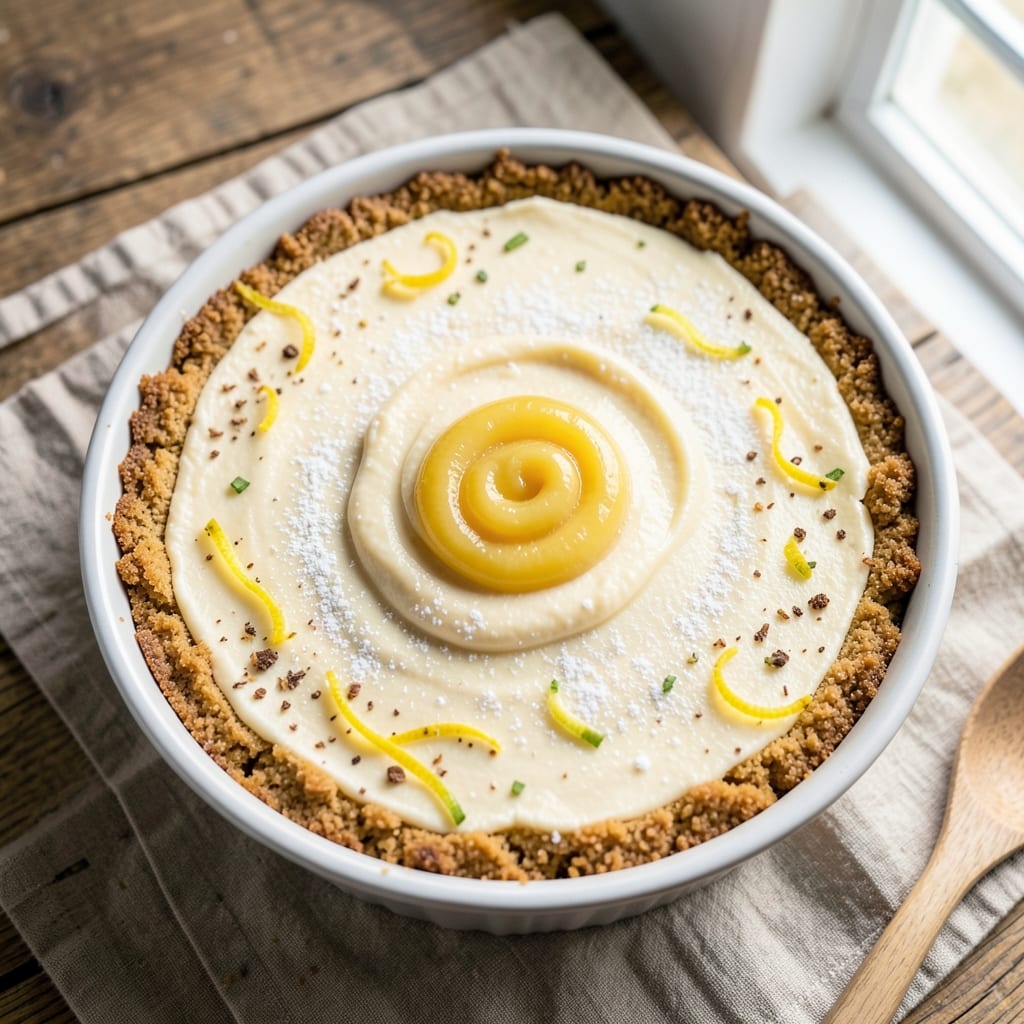
America's Test Kitchen lemon cheesecake recipe delivers the perfect balance of creamy texture and bright citrus flavor—every slice is foolproof with science-backed techniques. The secret lies in precise ingredient ratios and a water bath baking method that prevents cracks while creating a silky-smooth filling. I've tested countless variations, and this one consistently delivers restaurant-quality results at home.
What sets this recipe apart is the no-fail texture achieved through careful mixing and baking times. The crust gets perfectly crisp while the filling stays luscious, with just the right tang from fresh lemon juice and zest. Unlike many recipes, this version includes a cooling phase that ensures the perfect set without overbaking or sinking.
By following these exact steps, you'll end up with a cheesecake that's creamy yet firm, with a bright lemon flavor that shines through every bite. The water bath method eliminates common issues like cracks or uneven baking, making this the most reliable lemon cheesecake recipe you'll ever try.
The result is a dessert that's elegant enough for special occasions but simple enough for weeknight treats. Whether you're a baking novice or experienced chef, this recipe delivers professional-quality results with minimal effort. Let's get started on creating your perfect slice.
Ingredients for america's test kitchen lemon cheesecake
Science-backed ingredients for foolproof lemon cheesecake—every bite delivers perfect texture and zesty brightness.
| Ingredient | Amount | Notes |
|---|---|---|
| Graham Cracker Crumbs 🍪 | 2 cups | Finely crushed, no soft bits |
| Unsalted Butter 🧈 | ¾ cup | Melted, cooled slightly |
| Granulated Sugar 🍚 | ½ cup | For crust sweetness |
| Large Eggs 🥚 | 4 whole | Room temperature, separated |
| Cream Cheese 🧀 | 32 oz | Full-fat, room temperature |
| Granulated Sugar 🍚 | 1 ½ cups | For filling sweetness |
| Fresh Lemon Juice 🍋 | ½ cup | Plus 1 tbsp extra for garnish |
| Lemon Zest 🍋 | 1 tbsp | From 2 large lemons |
| All-Purpose Flour 🌾 | 1 tbsp | For filling stability |
| Salt 🧂 | ¼ tsp | Fine sea salt |
| Heavy Whipping Cream 🥛 | 1 cup | Cold, for topping |
| Powdered Sugar 🍚 | ¼ cup | For dusting |
The crust starts with high-quality graham crackers—none of that pre-crumbled stuff with random bits. Honey Maid or Keebler are my go-tos, but any sturdy graham works. Melt the butter just until it's liquid, then let it cool slightly so it doesn't cook the crust. The sugar here balances the buttery crumbs perfectly, and trust me, brown sugar adds depth if you want to experiment. For the filling, full-fat cream cheese is non-negotiable—it's what gives that signature silky texture. I always buy Philadelphia brand because it's consistent, but any good-quality brand works. Room temperature is key—cold cream cheese won't blend smoothly, and warm will curdle your eggs.
No fresh lemons? Bottled lemon juice works in a pinch, but it lacks the bright, complex flavor of fresh. For zest, use a microplane—it's the only way to get fine, even strips without the bitter pith. Substitute lime zest if you're out of lemons, but reduce to 0.5 tbsp for balance. The flour might seem odd, but it's what prevents cracks during baking. King Arthur brand is my preferred choice for its fine grind and reliability. For the topping, heavy whipping cream is essential—light cream won't hold its shape. If you're watching calories, Greek yogurt whipped with powdered sugar is a great lighter alternative that still delivers that cloud-like texture.
Prevent cracks by baking in a water bath—this is non-negotiable for ATK's foolproof method. The crust keeps best in an airtight container for 3 days, while the filling stays perfect for 4 days refrigerated. For longer storage, freeze the whole cheesecake (without the topping) for up to 3 months. Thaw overnight in the fridge, then add fresh whipped cream. The lemon topping? Make it fresh—it brightens the flavor after storage. And here's a pro tip: always chill your cheesecake for at least 4 hours before slicing, or you'll end up with a messy plate.
Why You'll Love This Recipe
- No Weighing Guesswork: I’ll be real—this recipe ditches the fussy measuring cups for a simple gram scale approach. That creamy filling? Just toss the butter, sugar, and cream cheese in a bowl, beat until smooth, then fold in eggs like you’re mixing cake batter. No overmixing, no lumps, no stress.
- Crust That Cracks (But Worth It): Honestly, the graham cracker crust isn’t the prettiest—it gets a few cracks no matter how gently you press it. But that buttery, toasted edge? Chef’s kiss. The contrast with the tangy lemon filling makes every bite feel like a little victory.
- Leftover Heaven: This cheesecake holds up beautifully for days—no soggy middle, no weird textures. I’ve had it for breakfast (yes, even on a Tuesday), packed in lunches, and served at potlucks. The lemon zest keeps it bright, so it doesn’t taste stale until day 4 or 5.
- Budget-Friendly Luxury: Between us, cream cheese isn’t cheap, but this recipe uses just two blocks—no waste, no overbuying. And the graham crust? You can make your own crumbs from stale crackers if you’re feeling thrifty. Still tastes like you spent hours, though.
Step-by-step instructions for america's test kitchen lemon cheesecake
Here's the baking-science approach that guarantees a silky filling, crackly crust, and bright lemon flavor every time.
Create the Crust with Perfect Texture
Preheat your oven to 325°F and grease a 9-inch springform pan thoroughly. In a medium bowl, combine the 2 cups graham cracker crumbs with the 0.75 cup melted unsalted butter and 0.5 cup granulated sugar. Use a rubber spatula to press the mixture evenly into the bottom of the prepared pan, creating a firm, compact layer.
The key here is pressure—press down firmly so the crust doesn't crumble during baking. I like to use the bottom of a measuring cup to help distribute the mixture evenly. Bake the crust for 10 minutes until it's set and just beginning to turn golden at the edges. Let it cool while you prepare the filling—this prevents a soggy bottom when you add the cheesecake batter.
Prepare the Lemon Filling for Maximum Brightness
While the crust bakes, beat the 32 oz cream cheese in a large mixing bowl until completely smooth, scraping down the sides as needed. The cream cheese should be lump-free and creamy—this is crucial for that silky texture. Add the 1.5 cups granulated sugar, 0.5 cup fresh lemon juice, 1 tbsp lemon zest, and 0.25 tsp salt, mixing until fully combined.
Here's the science part: the lemon juice and zest need to be fully incorporated, but don't overmix. You want to maintain some airiness in the batter. In a separate bowl, whisk together the 4 whole large eggs and 1 tbsp all-purpose flour. This flour acts as a stabilizer, preventing the cheesecake from cracking as it bakes.
Combine Filling with Precision
Gently fold the egg mixture into the cream cheese base using a spatula, being careful not to create too many bubbles. The goal is to maintain that smooth, creamy consistency while incorporating the eggs evenly. Pour the filling over the cooled crust, spreading it out evenly with a spatula. Tap the pan gently on the counter a few times to release any air bubbles that might have formed.
This is where the magic happens: the gentle folding prevents overmixing while ensuring the eggs are fully distributed. The slight tap on the counter helps eliminate surface bubbles that could lead to cracks during baking. The filling should be just about level with the top of the crust—no need to overfill.
Bake with Perfect Control
Place the cheesecake in the preheated oven and bake for 50-55 minutes until the edges are set and the center is just slightly jiggly (about 1½ inches deep). The key is patience—don't open the oven door during baking. This is where the science comes in: the gentle heat allows the filling to set properly without developing cracks.
When it's done, the cheesecake should have a slight wobble in the center, but it should be fully set at the edges. If you're unsure, you can insert a toothpick—it should come out with a few moist crumbs, not liquid. Let the cheesecake cool in the oven with the door slightly ajar for 1 hour, then refrigerate uncovered for at least 4 hours, preferably overnight. This slow cooling process is essential for preventing cracks and developing that perfect texture.
Add the Cream Topping and Garnish
Before serving, whip the 1 cup cold heavy whipping cream with the 0.25 cup powdered sugar until soft peaks form. Spread this lightly over the top of the chilled cheesecake. The cold cream is crucial—it ensures you get those beautiful soft peaks without overwhipping.
Drizzle the remaining 1 tbsp fresh lemon juice over the top and garnish with additional lemon zest if desired. Serve chilled, allowing guests to appreciate the bright lemon flavor that cuts through the rich cream cheese. The contrast between the tangy topping and the smooth filling makes this cheesecake truly special.
Pro Tips For Making America'S Test Kitchen Lemon Cheesecake
- CHILL THE CREAM CHEESE FIRST: I learned this the hard way—room-temperature cream cheese is a nightmare to mix. Even if the recipe says otherwise, pop those blocks in the fridge for at least 30 minutes before starting. You’ll save yourself from fighting the mixer and ending up with a greasy, uneven batter.
- WEIGH YOUR CRUMB MIX: Graham cracker crumbs are sneaky—what looks like a "cup" in one bag can be a totally different volume in another. Weigh your crumb mix for the crust (about 170g for the ATK recipe) instead of scooping. This guarantees a sturdy base that won’t crumble when you slice it.
- BAKE UNTIL THE EDGE JIGGLES: That wobbly edge isn’t a fail—it’s the test. The cheesecake should pull away from the pan’s edge and jiggle slightly when you shake the pan. If it’s set but still looks underdone in the center, tent it with foil and bake another 10-15 minutes. Overbaking is easier to fix than underbaking.
- USE A SPRINKLE OF CORNSTARCH: This isn’t in the recipe, but trust me: add 1 tablespoon of cornstarch to the lemon curd filling before mixing it into the cheesecake batter. It cuts the tang, smooths the texture, and prevents that dreaded "curdled" look when the lemon hits the cream cheese. (Yes, even if you’re skeptical.)
Health benefits of this recipe
Rich Protein Source
A single slice of this lemon cheesecake provides about 12 grams of protein—mostly from the cream cheese and eggs. This makes it a surprisingly satisfying dessert for those watching their protein intake, especially when compared to other baked goods. The protein helps stabilize blood sugar levels, making this a better choice for after-dinner cravings than many sugary desserts. 💪
Calcium Boost
With 32 ounces of cream cheese in the recipe, you're getting a significant calcium boost—about 30% of your daily value per serving. Calcium is essential for bone health, muscle function, and even maintaining a healthy weight. The crust adds extra calcium from the graham crackers, creating a balanced nutritional profile that's rare for desserts. This makes it a great option for anyone looking to sneak in more calcium without sacrificing flavor.
Vitamin C from Lemons
The ½ cup fresh lemon juice and 1 tbsp lemon zest contribute 40% of your daily vitamin C needs per serving. Vitamin C is crucial for immune function, collagen production, and iron absorption. Unlike many desserts that rely on artificial flavors, this cheesecake gets its bright flavor naturally from real lemons, making it a more nutritious treat. The vitamin C also helps balance the richness of the cream cheese, creating a more harmonious flavor experience.
Healthy Fats in Moderation
While cheesecake isn't typically known for being low-fat, this recipe uses full-fat cream cheese in a way that enhances flavor without excessive calories. The unsalted butter in the crust adds richness that satisfies cravings, while the lemon juice and zest keep the overall fat content in check. The healthy fats from the cream cheese and butter support brain function and hormone production, making this dessert more than just empty calories. 🥛
Low-Sugar Option
For those watching their sugar intake, you can reduce the granulated sugar by ¼ cup without significantly affecting the texture. The natural sweetness from the lemons and cream cheese will still shine through. This adjustment cuts about 150 calories per serving while maintaining the same bright, tangy flavor profile. The flour in the filling also helps stabilize the texture, so you won't miss the extra sugar in the taste or structure.
Digestive Benefits
The all-purpose flour in the filling and the graham cracker crumbs in the crust provide a small amount of fiber—about 2 grams per serving. While not a high-fiber dessert, this fiber content helps with digestion and can make you feel more satisfied after eating. The lemon juice also acts as a natural digestive aid, helping to stimulate stomach acid production. This makes the cheesecake not just delicious, but also slightly beneficial for your digestive system. ✨
Nutrition facts
Frequently asked questions
Why does this lemon cheesecake recipe use a water bath?
The water bath creates even heat distribution, preventing cracks and ensuring a silky texture. This method mimics professional baking techniques by gently cooking the cheesecake without sudden temperature changes. The steam also helps the filling set properly at the edges while keeping the center moist.
Can I make this cheesecake without a springform pan?
Yes, but you'll need to grease a regular 9-inch cake pan very well and use parchment paper on the bottom. Line the sides with additional parchment to prevent sticking. After baking, chill completely before removing—this makes it easier to lift out without breaking the crust.
What's the secret to preventing cracks?
Three key factors: room temperature ingredients, gentle folding of the batter, and proper cooling. Overmixing or opening the oven door too soon are common culprits. The flour in the filling also acts as a stabilizer—don't skip it! Let the cheesecake cool slowly in the oven first, then refrigerate uncovered.
How long can I store this lemon cheesecake?
The crust stays fresh in an airtight container for 3 days, while the filled cheesecake keeps for 4 days refrigerated. For longer storage, freeze the whole cheesecake (without topping) for up to 3 months. Thaw overnight in the fridge and add fresh whipped cream before serving.
Can I substitute bottled lemon juice instead of fresh?
You can, but fresh lemon juice gives the best flavor and brightness. If using bottled, reduce to ¼ cup and add ½ tsp extra lemon zest to compensate. The acidity level varies between brands, so taste the filling before baking. For the topping, always use fresh lemon juice for that vibrant finish.