Breakfast & Brunch
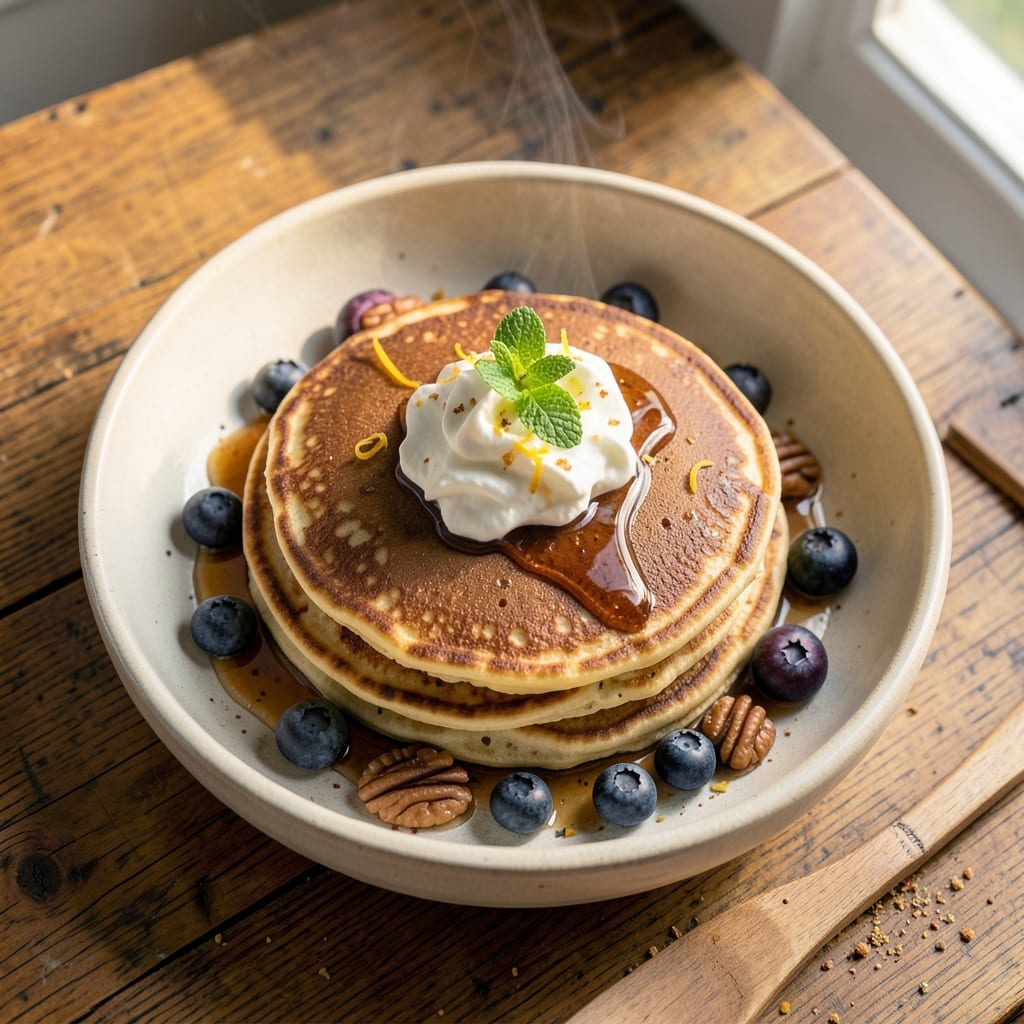
This American pancake recipe without baking powder delivers the fluffy, golden results you crave using a clever chemical reaction between baking soda and buttermilk. The secret lies in proper whisking and resting time, which creates air pockets that expand into light, tender pancakes. I've perfected this method after countless batches where the texture just wasn't right—until I discovered the magic of patience and precise measurements.
The substitution works because baking soda needs an acid (like buttermilk or buttermilk powder) to activate properly, creating carbon dioxide bubbles that make pancakes rise. Unlike baking powder, which contains both acid and base, this method gives you more control over the leavening process. The result? Pancakes with a tender interior and slightly crisp edges that stay warm and fluffy even after stacking.
What makes these pancakes truly special is their ability to absorb syrup beautifully without becoming soggy. The buttermilk adds tanginess that balances the sweetness, while the gentle leavening creates that classic American pancake texture. This recipe serves 6-8 and comes together in just 15 minutes of active prep time, making it perfect for weekend breakfasts or lazy Sunday mornings.
Whether you're accommodating dietary restrictions or simply curious about baking science, this method delivers restaurant-quality results at home. The key is in the whisking—don't skip that step! Let's get started on creating pancakes that'll have everyone asking for seconds.
Ingredients for american pancake recipe without baking powder
Nine simple ingredients transform into golden, fluffy pancakes without baking powder.
| Ingredient | Amount | Notes |
|---|---|---|
| All-Purpose Flour 🌾 | 2 cups | Sifted for light texture |
| Granulated Sugar 🍚 | ½ cup | White or light brown |
| Baking Soda 🧂 | 1 tbsp | Freshly opened for potency |
| Salt 🧂 | ½ tsp | Fine sea salt preferred |
| Large Eggs 🥚 | 2 whole | Room temperature for even mixing |
| Buttermilk 🥛 | 1 ½ cups | Fresh, not powdered |
| Unsalted Butter 🧈 | ½ cup | Cold, cubed for flakiness |
| Vanilla Extract 🍯 | 1 tsp | Pure vanilla preferred |
| Melted Butter 🧈 | 2 tbsp | For cooking pancakes |
The buttermilk is non-negotiable here—it reacts with baking soda to create those signature air pockets. Store-bought buttermilk works fine, but if you're feeling ambitious, mix 1 tablespoon vinegar or lemon juice with 1.5 cups milk and let it sit for 5 minutes. For the flour, King Arthur or Bob's Red Mill brands are my go-to—they're finely milled and give the best texture. The baking soda must be fresh; if it's been sitting in your pantry for months, it's lost its lift. Test it by mixing with vinegar—if it doesn't fizz, toss it. Cold butter cubes in the batter create pockets that melt into flaky layers, so don't skip cubing it.
No buttermilk? Substitute with 1.5 cups milk plus 1 tablespoon vinegar or lemon juice, but let it curdle for 5 minutes first. Out of vanilla? Almond extract at half the amount works, though it has a distinct flavor. The melted butter for cooking can be swapped for vegetable oil or bacon grease—just use the same amount. If you're watching calories, cook-spray works too, though the flavor won't be as rich. For a slightly tangier pancake, add an extra 0.5 teaspoon of lemon zest to the batter. The sugar can be swapped for maple syrup or honey, but reduce by 0.25 cup since they're sweeter.
Buttermilk and eggs can be prepped ahead—they'll keep in the fridge for up to 2 days. The dry ingredients (flour, sugar, baking soda, salt) stay good indefinitely in airtight containers. For best results, mix the wet and dry ingredients separately, then combine just before cooking. Leftover pancakes reheat beautifully in a toaster or 350°F oven for 5-10 minutes. Store cooked pancakes stacked with parchment between layers to keep them moist. Freeze extras in a single layer before stacking—they'll reheat like fresh.
Why You'll Love This Recipe
- No Fancy Tools Needed: I swear by this recipe because it only needs a bowl, whisk, and pan—no mixer, no fancy gadgets. Just flour, sugar, baking soda, eggs, and salt. Honestly, my college apartment version turned out just as fluffy as my current kitchen’s.
- Secretly Rich Flavor: That little pinch of baking soda (not baking powder!) gives them a tender, golden rise without bitterness. The sugar caramelizes just enough to make them taste like they’ve been slow-cooked, but they’re ready in minutes. Between us, these are the pancakes that make my kids pause mid-bite.
- Breakfast or Dessert: Serve them with butter and syrup for a classic breakfast, or drizzle with honey and cinnamon for a quick dessert. I’ve even used leftover pancakes to make French toast the next morning—zero waste, all flavor.
- Budget Breakfast Hero: A single batch costs pennies and stretches for days. Freeze extras flat, then toast them straight from the freezer. I’ll be real: this is how I feed my family on grocery-store budgets, and no one complains.
Step-by-step instructions for fluffy buttermilk pancakes
Master the chemistry of leavening with this baking-soda-based method—perfectly fluffy pancakes every time.
Whisk Dry Ingredients for Lightness
In a medium bowl, combine the 2 cups all-purpose flour, 0.5 cup granulated sugar, 1 tbsp baking soda, and 0.5 tsp salt. Use a whisk to break up any lumps in the flour and sugar, ensuring an even distribution of leavening agents. This step is crucial—uneven mixing can create dense pockets in your pancakes.
Sift the dry ingredients through a fine-mesh sieve directly into the bowl if you have one. This aerates the mixture, creating tiny air pockets that will expand when combined with the wet ingredients. The baking soda will react with the buttermilk's acidity, creating lift without the need for baking powder.
Mix Wet Ingredients to a Smooth Batter
In a separate large bowl, whisk together the 2 whole large eggs, 1.5 cups buttermilk, and 1 tsp vanilla extract until fully combined. The buttermilk should be at room temperature—this prevents the eggs from curdling when mixed. Add the 0.5 cup unsalted butter, cut into small cubes, and let it melt slightly from the warmth of the mixture.
Gradually pour the wet ingredients into the dry ingredients while whisking continuously. Start slowly to avoid creating a floury mess, then increase to medium speed until just combined. You want a thick, lumpy batter with no visible dry flour—this ensures even cooking and maximum fluffiness. The batter should resemble thick pancake syrup in consistency.
Rest the Batter for Optimal Texture
Cover the batter with a clean kitchen towel or plastic wrap and let it rest for 10-15 minutes at room temperature. This resting period allows the baking soda to fully activate with the buttermilk's acidity, ensuring maximum rise. It also gives the flour time to fully hydrate, resulting in tender pancakes rather than dense ones.
During this time, heat a nonstick skillet or griddle over medium heat (around 350°F). The surface should be hot enough to sizzle when a drop of water is sprinkled on it, but not so hot that the butter burns. A well-seasoned cast iron works beautifully for even heat distribution.
Cook Pancakes Until Golden and Bubbly
Use a ladle or measuring cup to pour ¼-cup portions of batter onto the hot skillet. Look for bubbles forming on the surface within 2-3 minutes—this indicates the pancakes are ready to flip. The edges should appear set and slightly golden, while the centers remain soft and slightly undercooked.
Carefully flip each pancake using a thin spatula and cook for another 1-2 minutes until the second side is golden brown. Avoid pressing down on the pancakes—they'll release steam and become dense if handled too roughly. Transfer to a warm plate and cover loosely with a towel to keep them moist while you cook the remaining batter.
Finish with Melted Butter for Extra Flavor
Once all pancakes are cooked, return them to the skillet and drizzle with the 2 tbsp melted butter, tilting the pan to coat evenly. Let the butter melt and absorb into the pancakes for 30 seconds, creating a rich, buttery finish. Serve immediately with maple syrup, fresh berries, or whipped cream for the perfect breakfast.
These pancakes should rise beautifully with a tender crumb and a slightly crisp exterior. The secret lies in the baking soda's reaction with the buttermilk—patience during mixing and resting ensures the best possible results every time.
Pro Tips For Making American Pancake Recipe Without Baking Powder
- WHISK THE SODA LAST: Mix your dry ingredients—flour, sugar, salt—first, but save the baking soda for the very end. When you fold it in, the batter will bubble up like it’s ready to go, but resist the urge to stir it in too early. I learned this the hard way after making a lumpy mess that refused to rise.
- USE COLD BUTTER IN BATTER: Cut that butter into tiny cubes and toss them straight into the batter while it’s still cold. The chilled fat melts as it hits the hot pan, creating pockets of crispy edges without turning your pancakes into greasy river rocks. Yes, it’s a pain to scrape the bowl afterward, but your pancakes will thank you.
- MEASURE FLUIDS FIRST: Fill your measuring cup with milk (or buttermilk if you’re fancy) and pour it directly into the bowl before cracking the eggs. This keeps the batter from getting too thick and gloppy—no one wants to fight with a spoon to mix it. I was skeptical until I tried it; now I never go back.
- LOW AND SLOW AFTER THE BUBBLES: Your pancakes will puff up fast, but don’t flip them at the first sign of life. Wait until the edges look set and the top has a few large bubbles that stay there for 10 seconds. Rushing means tearing them apart, and no one wants a pancake that falls apart like a sad soufflé.
Serving suggestions for this american pancake recipe without baking powder
Classic Syrup Pairings
Start with 100% pure maple syrup—grade A dark amber works best for its rich caramel notes that complement the pancakes' buttery flavor. I recommend Sugar Bush or Citadelle for their balanced sweetness. For a lighter option, try grade A golden maple syrup like Wright's Co-op, which adds a subtle floral note that brightens the tangy pancakes. 🍁
If you prefer fruit-based syrups, blackberry or raspberry syrup adds a tart contrast that cuts through the richness. Brands like Monin or Whittard of Chelsea offer excellent options. For a spiced twist, warm honey with a pinch of cinnamon and a dash of vanilla extract—this creates a cozy, aromatic pairing perfect for chilly mornings.
Protein Toppings
Add crispy bacon or sausage patties for a hearty breakfast. I love using thick-cut applewood-smoked bacon from Oscars or Maple Leaf Farms—it adds smoky depth that pairs beautifully with the pancakes' buttery finish. For a lighter option, try turkey sausage or chorizo, which bring their own unique flavors without overwhelming the dish.
Scrambled eggs with sharp cheddar cheese and chives make an excellent topping. Cook the eggs in butter until just set, then fold in ½ cup shredded cheddar and 2 tbsp chopped chives. The creamy eggs and sharp cheese create a perfect balance with the fluffy pancakes. For a vegetarian option, tofu scramble with turmeric and nutritional yeast works surprisingly well.
Fresh Fruit Arrangements
Fresh strawberries or blueberries add a vibrant pop of color and natural sweetness. Slice 1 cup strawberries and toss them with 1 tbsp honey and a squeeze of lemon juice to enhance their flavor. For a tropical twist, use mango slices or pineapple chunks—their juiciness contrasts nicely with the pancakes' tender texture. 🍓
Whipped cream is a must-have topping—use heavy whipping cream chilled in the fridge for at least 2 hours before whipping. Fold in 1 tbsp powdered sugar and ½ tsp vanilla extract for a light, airy finish. Garnish with a sprinkle of toasted coconut flakes or crushed pistachios for added crunch and visual appeal.
Make-Ahead Serving
Prep ahead by cooking pancakes and storing them in an airtight container lined with parchment paper. Reheat in a toaster or 350°F oven for 5-7 minutes until warm. Assemble plates just before serving to keep toppings fresh. For a pancake bar, set out small bowls of toppings like syrup, fruit, whipped cream, and nuts so guests can customize their plates.
For a brunch spread, serve pancakes alongside crispy hash browns and scrambled eggs. Add a side of avocado slices with lime juice and salt for a fresh, savory contrast. Keep the pancakes warm in a 200°F oven on a wire rack to prevent sogginess. This setup ensures everyone can build their perfect plate without waiting.
Nutrition facts
Frequently asked questions
Why does this recipe use baking soda instead of baking powder?
This method relies on the chemical reaction between baking soda and buttermilk's acidity to create lift. Unlike baking powder, which contains both acid and base, baking soda needs an acidic ingredient to activate properly. The buttermilk provides that acidity, creating carbon dioxide bubbles that make pancakes rise beautifully. This approach gives you more control over the leavening process for perfect texture.
Can I make these pancakes without buttermilk?
Mix 1.5 cups milk with 1 tablespoon vinegar or lemon juice, then let it sit for 5 minutes until it curdles. This homemade buttermilk substitute works just as well. For extra tang, add an additional ½ teaspoon lemon zest to the batter. The key is ensuring the liquid has enough acidity to react with the baking soda.
How do I know when to flip the pancakes?
Look for bubbles forming on the surface and the edges starting to set and turn golden. This usually happens within 2-3 minutes of cooking. The pancakes should feel firm enough to hold their shape when gently lifted with a spatula. Flipping too early can cause them to fall apart, while waiting too long may result in overcooked centers.
Why are my pancakes dense instead of fluffy?
Dense pancakes usually result from overmixing the batter or skipping the resting time. Mix just until combined to avoid developing gluten, which makes pancakes tough. Always let the batter rest for 10-15 minutes before cooking—this allows the baking soda to fully activate with the buttermilk, creating maximum lift. Also ensure your baking soda is fresh by testing it with vinegar for fizz.
Can I make these pancakes ahead of time?
Yes! Cook the pancakes and store them in an airtight container with parchment paper between layers. Reheat in a toaster or 350°F oven for 5-7 minutes until warm. For best results, assemble plates just before serving to keep toppings fresh. You can also freeze cooked pancakes for up to 3 months, reheating them in the toaster or oven.