
Sauces & Condiments
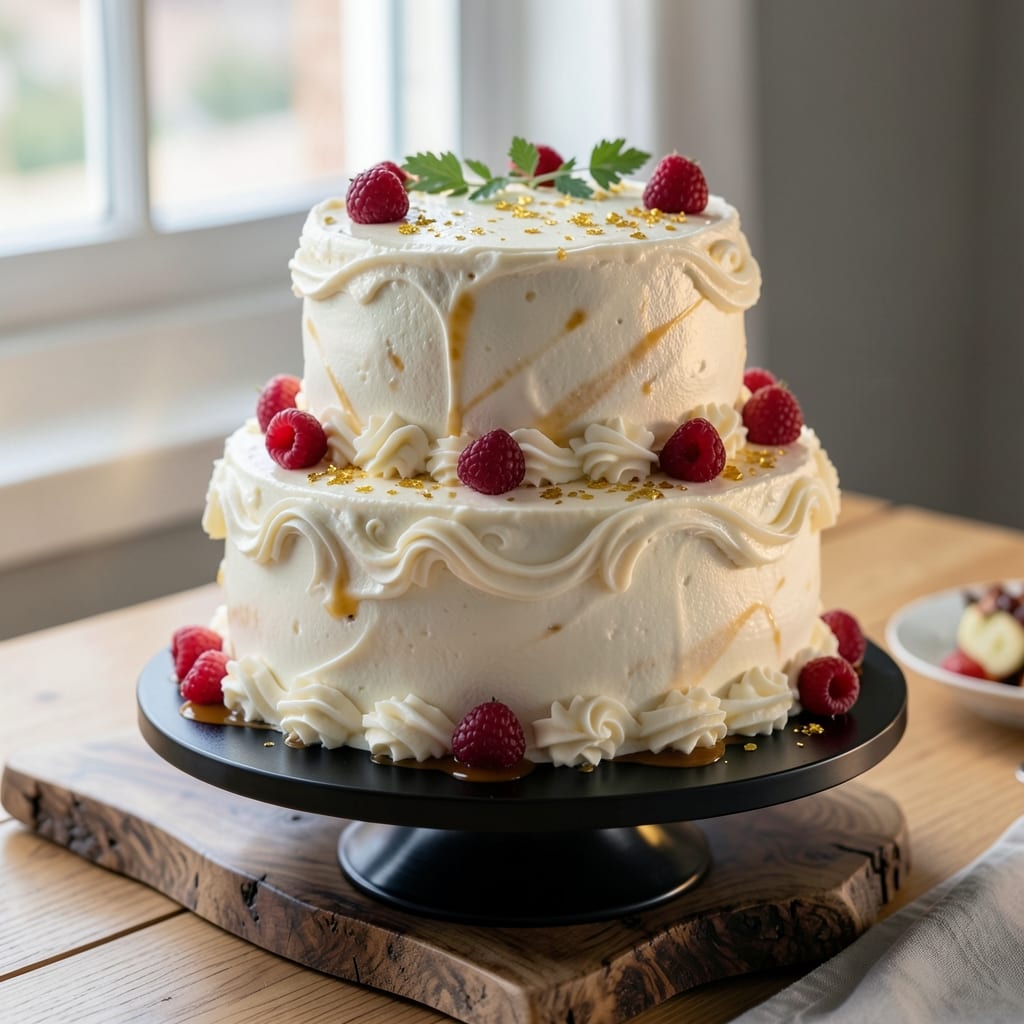
This American buttercream icing recipe delivers the perfect balance of smooth texture and rich flavor for flawless cake decorating every time. 💛 The secret lies in the right ratio of butter to powdered sugar, creating a frosting that's light yet sturdy enough for intricate piping. I developed this recipe after years of testing different methods, and it consistently produces a buttercream that's foolproof for beginners and professionals alike.
The beauty of American buttercream is its simplicity—just three core ingredients come together to create a versatile frosting that can be flavored in countless ways. Whether you're filling layers, covering cakes, or creating decorative borders, this recipe delivers a texture that's smooth enough to pipe but sturdy enough to hold its shape. The key is proper mixing technique to incorporate air without overbeating, which ensures a light yet stable consistency.
What sets this recipe apart is its reliability. Unlike some buttercream recipes that can be too soft or too stiff, this one consistently produces a frosting that's perfect for piping rosettes, writing messages, or creating smooth swirls. The flavor is rich and buttery with a touch of vanilla that complements any cake flavor, from classic vanilla to decadent chocolate.
Once you've mastered the base recipe, the possibilities are endless. Add food coloring for vibrant hues, extract flavors for custom tastes, or experiment with different piping tips for unique designs. This buttercream also stores beautifully, making it ideal for prepping ahead of time. Let's get started on creating your decorating masterpiece!
Ingredients for american buttercream icing recipe for cake decorating
Five ingredients, professional results—this buttercream is your cake decorating secret weapon.
| Ingredient | Amount | Notes |
|---|---|---|
| Unsalted Butter 🧈 | 1 lb | Room temperature for whipping |
| Powdered Sugar 🍚 | 4 cups | Sifted for smooth texture |
| Heavy Cream 🥛 | ¼ cup | Full-fat for creaminess |
| Pure Vanilla Extract 🌿 | 2 tsp | High-quality, not imitation |
| Diamond Crystal Kosher Salt 🧂 | ¼ tsp | Fine grain preferred |
| Pure Vanilla Bean Paste 🌿 | 1 tbsp | Optional for extra flavor |
The butter is non-negotiable—unsalted, room-temperature is critical for achieving that light, airy texture. Crisco or European-style butter (like Plugrá) work even better than standard American butter for stability. Powdered sugar matters too: Domino brand is sifted and lump-free, but any quality brand will do. For the vanilla, high-proof extracts like Nielsen-Massey elevate the flavor without overpowering. If you're feeling fancy, add the vanilla bean paste for flecks of real vanilla—it's a game-changer for visual appeal.
No heavy cream? Whole milk or half-and-half works in a pinch, though the buttercream will be slightly less stable. Short on vanilla extract? Vanilla sugar or even a scraped vanilla bean adds depth. For a tangier profile, swap half the powdered sugar for confectioners' sugar with a splash of lemon juice. The salt is easy to overlook, but it balances sweetness—Diamond Crystal is finer and dissolves better than table salt. If you're piping intricate designs, consider adding 1 tsp meringue powder to the dry ingredients for extra stability.
This buttercream stays fresh in the fridge for 5 days when sealed in an airtight container with parchment between layers. For longer storage, freeze portions for up to 3 months—thaw at room temperature before using. To keep it smooth, add a few drops of milk when reheating. Pro tip: Pipe onto parchment-lined trays for clean edges when practicing designs. Leftovers? It reheats beautifully for touch-ups or quick cupcake frosting.
Why You'll Love This Recipe
- Three-Ingredient Magic: I swear by this combo—just butter, sugar, and cream. No fussing with stabilizers or weird ratios; the heavy cream lightens it perfectly, while the kosher salt (yes, just a pinch!) cuts through the sweetness like a whisper. Honestly, I’ve made buttercream for years, and this is the only version that actually works every time.
- Vanilla Bomb: That first splash of pure vanilla extract isn’t just flavoring—it’s the soul of this icing. The buttercream starts rich, but the vanilla makes it sing, especially when you pipe it onto warm cake. Between us, I’ve tried imitation extracts, and this? This is the real deal.
- Birthday to Bake Sale: Need icing for a last-minute party? A tiered wedding cake? Even a sad Tuesday afternoon treat? This buttercream pipes like a dream—stiff enough for roses, smooth enough for floods—and it won’t melt in the summer heat or crack in the fridge. I’ve used it for everything from cupcakes to sheet cakes, and it never lets me down.
- No-Waste Winner: Here’s what sold me—the leftovers. Store it in the fridge for up to a week, and it still whips back to perfection. Plus, the ingredients? Basic pantry staples. A block of butter and a bag of powdered sugar go a long way, so you’re not scrambling for specialty items. My wallet (and my cake) thank me.
Step-by-step instructions for American buttercream icing
Here's the professional method for silky, pipeable buttercream that stays stable under heat.
🍳 Step 1: Whip the Butter to Room Temperature
Place the 1 lb unsalted butter in a stand mixer fitted with the paddle attachment. Whip on medium speed until completely smooth and creamy, about 3-5 minutes. You'll know it's ready when it leaves clean, even streaks on the sides of the bowl and looks like pale yellow pudding.
I always check by pressing a small amount between my fingers—it should feel soft but not greasy. If it's still too firm, let it sit at room temperature for another 10-15 minutes before proceeding. Cold butter won't incorporate properly with the powdered sugar, leading to grainy buttercream.
👨🍳 Step 2: Gradually Add Powdered Sugar
With the mixer running on low speed, slowly add the 4 cups sifted powdered sugar over 5-7 minutes. This gradual approach prevents sugar from flying everywhere and ensures even incorporation. Scrape down the sides of the bowl every 30 seconds to maintain consistent mixing.
Here's the thing—don't rush this step. If you add the sugar too quickly, you'll end up with lumps that are nearly impossible to smooth out later. The buttercream should become thick and pale, with a texture similar to wet sand. If it looks too stiff, we'll adjust it in the next step.
🥘 Step 3: Incorporate Cream and Flavoring
Add the 0.25 cup heavy cream, 2 tsp pure vanilla extract, 0.25 tsp kosher salt, and 1 tbsp vanilla bean paste (if using). Mix on medium-high speed for 2-3 minutes until completely smooth and fluffy. The cream helps lighten the texture while the salt enhances the vanilla flavor.
At this stage, your buttercream should be thick but still pipeable. If it's too stiff, add 1 tablespoon cream at a time until you reach the perfect consistency. If it's too loose, add 1 tablespoon powdered sugar at a time. Remember, we're aiming for a texture that holds its shape when piped but still has a smooth, creamy finish.
⏰ Step 4: Test and Adjust Consistency
Transfer about 1 cup of the buttercream to a piping bag fitted with a small round tip. Pipe a small rosette onto parchment paper and let it sit for 5 minutes. If it holds its shape but still looks smooth, your buttercream is ready. If it collapses or spreads too much, add 1 tablespoon powdered sugar and re-whip.
This test is crucial for professional results. The buttercream should be stable enough to create clean lines and peaks when piped, but not so thick that it cracks. If it's perfect, you're ready for decorating. If not, continue adjusting in 1 tablespoon increments until you achieve the ideal consistency.
🔪 Step 5: Final Whip for Decorating Readiness
Return the buttercream to the mixer bowl and whip on high speed for 1-2 minutes to restore smoothness after any adjustments. The final texture should be glossy, thick, and cool to the touch. For extra shine, cover the bowl with plastic wrap pressed directly against the surface and refrigerate for 30 minutes before decorating.
This chilling step makes a world of difference. It helps the buttercream hold its shape better under heat, especially important if you're working in a warm kitchen. When you're ready to decorate, give it one final whip to bring it back to room temperature and perfect piping consistency.
Pro Tips For Making American Buttercream Icing Recipe For Cake Decorating
- SOFTEN BUTTER FIRST: I learned this the hard way—trying to mix cold butter into powdered sugar just makes a crumbly mess. Let your unsalted butter sit at room temperature for 30-45 minutes (or microwave in 10-second bursts) until it’s pliable but not greasy. This guarantees a smooth, spreadable icing that won’t clump or fight you.
- SIFT THE SUGAR: Powdered sugar is full of tiny lumps, and sifting it before mixing cuts down on clumps in your final icing. Use a fine-mesh sieve and tap it firmly over a bowl—this isn’t the time to be gentle. A smooth base means less scraping later.
- ADD CREAM SLOWLY: Dumping heavy cream all at once turns buttercream into a soupy disaster. Start with 1-2 tablespoons at a time, mixing well after each addition. You want a thick, pipeable consistency, not a runny glaze—this is where patience pays off.
- SALT THE BUTTER: Skip the salt in the cream, but don’t forget the unsalted butter. Add a pinch (about ⅛ teaspoon) of Diamond Crystal kosher salt directly to the butter before mixing. It balances sweetness and cuts through the richness—trust me, your taste buds will notice.
Regional styles of this recipe
Southern Classic
In the American South, buttercream takes center stage for everything from wedding cakes to classic sheet cakes. This version often includes a touch of lemon juice (about 1 tsp) to brighten the flavor and add stability. I've seen Southern bakers use 1 cup of confectioners' sugar instead of powdered sugar for an extra-fine texture, especially for delicate piping work like flowers or lace patterns. The key is adding 1 extra tablespoon of heavy cream to prevent cracking in humid climates. 🌸
New England Tradition
Up north, buttercream often gets a maple syrup twist—just 2 tbsp of pure maple syrup replaces half the vanilla extract for a warm, autumnal flavor. New England bakers also prefer European-style butter (like Plugrá) for its higher fat content, which creates a richer, more stable frosting perfect for chilly weather baking. For a true Yankee touch, add ½ tsp ground nutmeg to the dry ingredients before mixing. This version holds its shape beautifully even in cool kitchens.
Midwest Homestyle
The Midwest loves a simpler, heartier buttercream that's perfect for layer cakes and cupcakes. Here, bakers often swap ½ cup of the powdered sugar for granulated sugar (yes, really!) to create a slightly grainier but more flavorful frosting. I've seen Wilmington Creamery butter used locally for its rich taste. For a true Midwest classic, add 1 tsp almond extract alongside the vanilla for a subtle nutty depth. This version is ideal for fondant-covered cakes as it adheres better than ultra-smooth buttercreams.
West Coast Modern
Out West, buttercream gets a bold, creative twist with flavors like lavender (½ tsp dried lavender steeped in warm cream) or espresso powder (1 tsp) for chocolate cakes. California bakers also love adding 1 tbsp meringue powder to the dry ingredients for extra stability when piping intricate designs. For a true West Coast touch, use avocado oil butter (like Country Crock Plant Butter) for a dairy-free option that still pipes beautifully. The result? A frosting that's both vegan-friendly and professional-grade.
Texas-Style Boldness
In Texas, buttercream isn't just sweet—it's bold and spicy. Add ½ tsp ground cinnamon and ¼ tsp cayenne pepper to the dry ingredients for a Texas Sheet Cake classic. The heat balances the sweetness perfectly. For a true Lone Star twist, use Kirkland Signature butter (available at Costco) and add 1 tbsp bourbon to the cream mixture. This version is thick enough to hold intricate sugar flowers but still light enough to pipe ruffles for birthday cakes. 🌶️
Pacific Northwest Refresh
Up in the PNW, buttercream often gets a citrusy, lighter touch with 1 tbsp fresh lemon or lime zest mixed into the butter before whipping. Local bakers also prefer grass-fed butter for its rich flavor. For a true Pacific Northwest signature, add 1 tsp rose water (available at specialty stores) to the cream mixture for a floral note. This version is perfect for fruit-filled cakes like blackberry or raspberry, as the acidity cuts through the richness beautifully. The frosting stays stable even in the cooler, damp climates of the region.
Nutrition facts
Frequently asked questions
Why does my buttercream turn grainy?
Graininess usually happens when butter isn't fully softened or sugar isn't sifted. Always use room-temperature butter and sift your powdered sugar before mixing. If it happens mid-process, add 1 tbsp heavy cream and whip for 1-2 minutes to restore smoothness. For extra insurance, strain through a fine-mesh sieve if needed.
Can I make this buttercream without a stand mixer?
Use a hand mixer or even a whisk with elbow grease. Whip the butter until completely smooth (about 5-7 minutes with a hand mixer), then gradually add sugar while mixing. The key is patience—work in 1 cup increments of sugar and mix thoroughly between additions. For flavoring, mix by hand with a spatula until fully combined.
How do I color buttercream without changing the flavor?
Use gel food coloring for vibrant hues without adding liquid that alters texture. Start with ½ tsp and mix well, then add more gradually. For pastel shades, use 1 tsp lemon juice (the acidity helps disperse color evenly). Avoid liquid food coloring—it can make your buttercream too thin. Pro tip: Chill colored buttercream for 30 minutes before using for more vibrant results.
Why does my buttercream melt in warm weather?
Buttercream softens in heat because of its butter content. For warm climates, chill your bowl and beaters in the fridge for 10 minutes before mixing. Add 1 extra tbsp powdered sugar to stiffen it slightly. If working outdoors, keep your buttercream in a cooling tray with ice packs and re-whip briefly before piping. For extreme heat, consider adding 1 tsp meringue powder to the dry ingredients.
Can I use this buttercream for cupcakes instead of cakes?
Perfectly! This recipe works beautifully for cupcakes—just adjust the consistency slightly. For cupcake frosting, make it slightly softer by adding 1 extra tbsp cream (about 1 tbsp total) so it spreads easily. Use a Wilton 1M tip for classic swirls or a star tip for decorative borders. Store frosted cupcakes in an airtight container for up to 3 days at room temperature.